Have you ever wondered how a couple of dumbbells could spark your day? This workout uses simple moves like squats, presses, and rows to help every muscle work together.
Picture your muscles teaming up, giving you a boost of energy and strength. Whether you’re just starting out or already active, these exercises help you feel balanced and strong. Read on to see how a full-body dumbbell workout can light up your morning and keep you feeling great all day.
Complete Full-Body Exercise Routine with Dumbbells
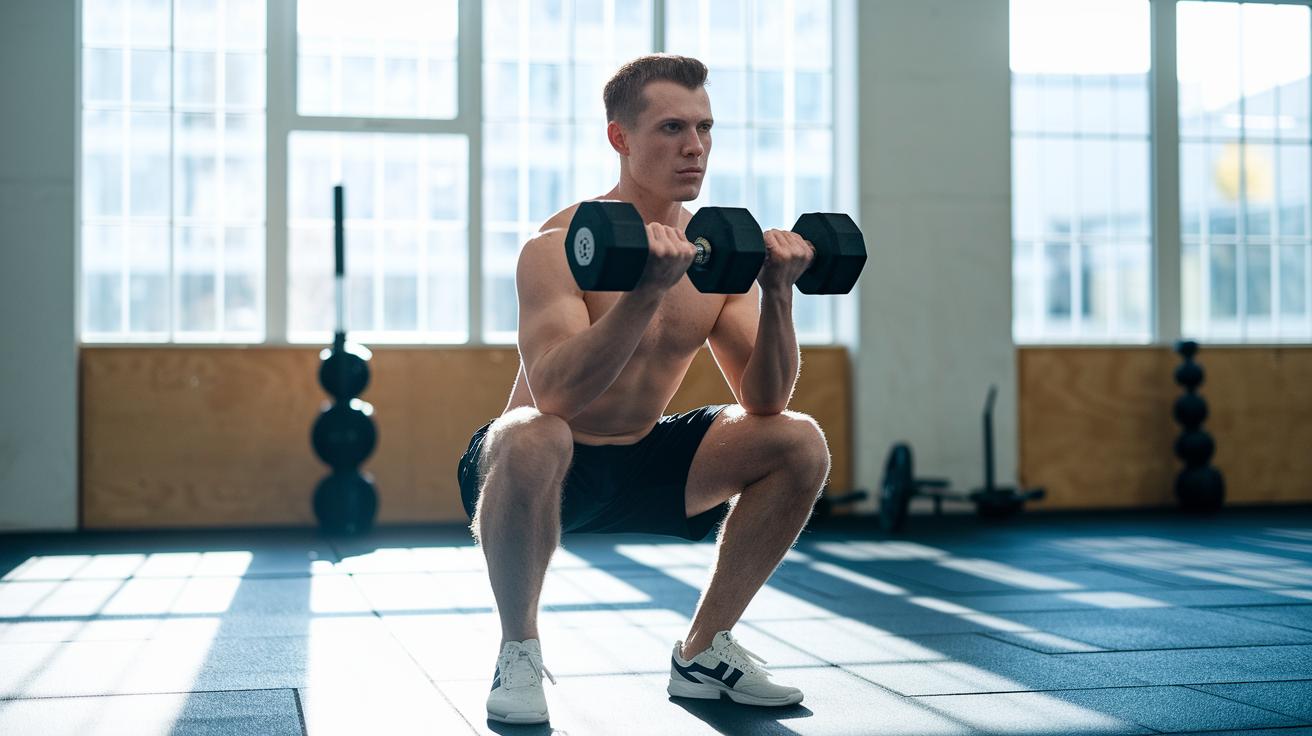
This routine brings together strength, stability, and endurance in one balanced workout. It targets every major muscle group so your body feels strong and steady all day long. Imagine your muscles working together, just like friends teaming up for a fun project.
We start with the Goblet Squat. Do 4 sets of 10 to 15 reps. It works your quads (the front of your thighs) and glutes (your butt muscles). Think of it as powering up your legs like charging a battery.
Next is the Flat Dumbbell Press. Complete 4 sets of 8 to 12 repetitions. This move helps build your chest and triceps (back of your arms). Picture it like pushing open a door to let more strength flow through.
Then, try the One-Arm Dumbbell Row for your back. Do 4 sets of 8 to 12 reps for each arm. It targets your lats (side back muscles) and rear shoulders, helping you create a nice balance on each side, like lining up puzzle pieces.
After that, work on your shoulders with the Dumbbell Shoulder Press. Do 4 sets of 8 to 12 reps. Imagine lifting your arms to build a strong frame around your shoulders, like lifting a coat over cold hands.
Finally, mix it up with Dumbbell Thrusters. Perform 4 sets of 10 to 15 reps. This exercise combines a squat with an overhead press, lighting up your whole body with energy.
Together, these exercises make sure your legs, chest, back, shoulders, and core all get a good workout. It's a dynamic routine that leaves you feeling powerful and ready to take on the day.
Essential Equipment and Warm-Up for Dumbbell Exercise Routines
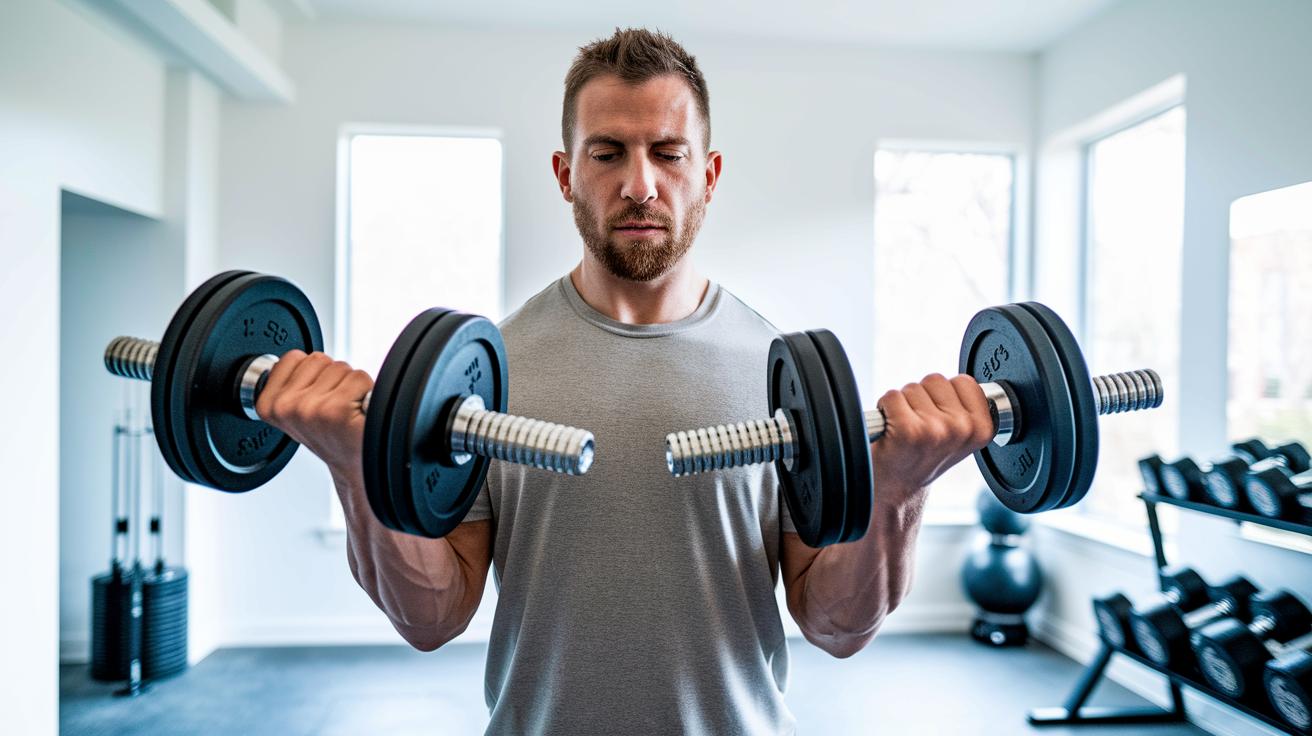
Begin by choosing adjustable dumbbells that weigh anywhere from 5 to 50 pounds, or pick paired sets so you can mix things up. All you really need is a clear space of about 6 feet by 6 feet. A bench is cool to have if you want extra support for certain moves, but it's not a must. This simple setup helps you focus on your form and makes working out at home feel safe and fun.
Before you start lifting, take about 5 minutes to warm up. Start with some gentle cardio, maybe jogging in place, to get your heart going. Then try some dynamic stretches like arm circles for your shoulders, hip rotations, and wrist stretches. These moves help wake up your muscles and joints, reducing the chance of injury while giving you a boost for your workout.
If you're new to this, aim for workout sessions lasting 10 to 30 minutes. Many people find that doing three circuits of 10 minutes each works well. For beginners, 3 to 4 days a week is a great start, and if you're more experienced, you might work out 5 or 6 days weekly.
Beginner-Friendly Dumbbell Exercise Routines Plan
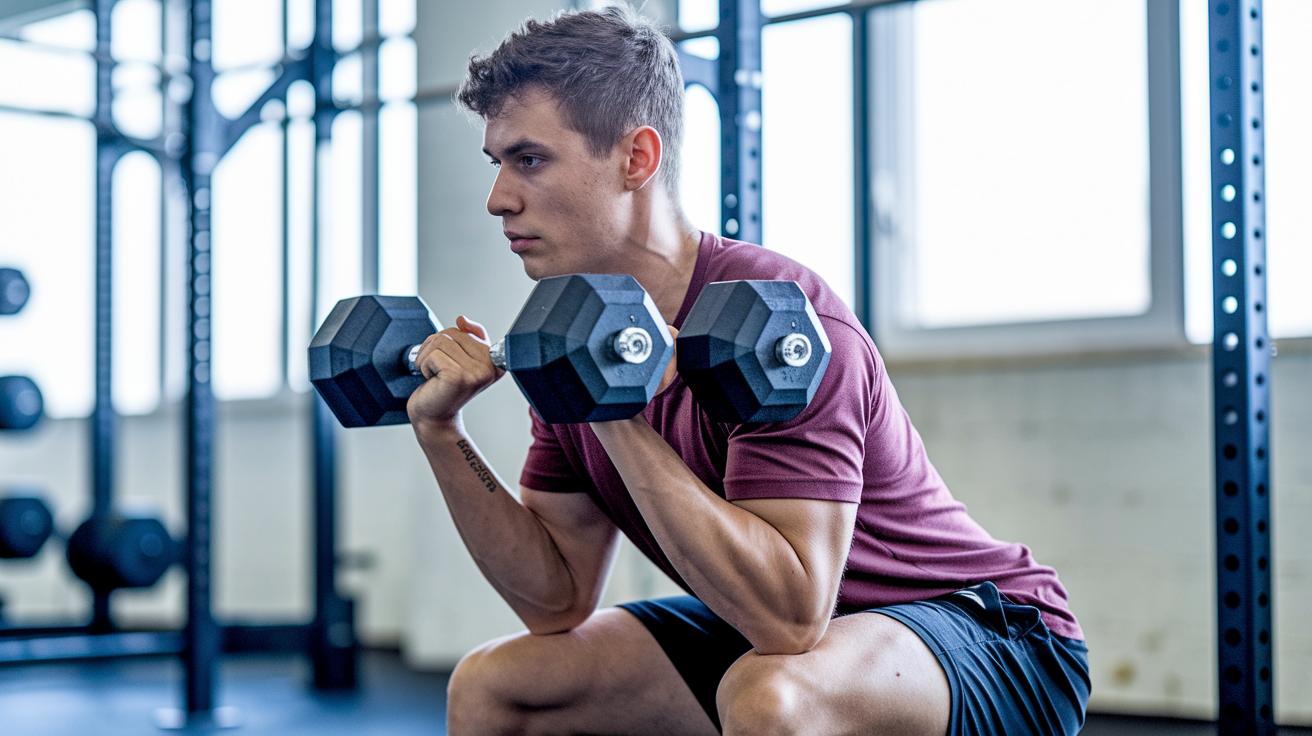
Taking your time with each move is like carefully laying the first brick of a home, steady and sure. When you move slowly and with control, you not only build strength but also protect yourself from injury. Ever notice how a slow, mindful movement can make you feel balanced? It’s like holding a precious object with care; every controlled lift builds lasting strength.
Here’s a friendly list of exercises to get you started:
- Bicep Curl: Do 3 sets of 8 to 12 reps while standing. This move works your upper arms.
- Overhead Press: Try 3 sets of 8 to 12 reps with dumbbells at your shoulders. It helps strengthen your shoulders.
- Goblet Squat: Do 3 sets of 10 to 15 reps while holding a dumbbell at your chest. This exercise works your legs and glutes.
- Split Squat: Do 3 sets of 8 to 10 reps for each leg with dumbbells by your sides. It boosts your leg stability.
- Romanian Deadlift: Do 3 sets of 8 to 12 reps by bending at your hips. This one focuses on your hamstrings and lower back.
- Hip Thrust: Do 3 sets of 12 to 15 reps with a dumbbell on your hips. It targets your glutes.
- Triceps Kickback: Do 3 sets of 10 to 12 reps by extending your arm behind you. This move tones the back of your arms.
- Front and Lateral Raise: Do 2 sets of 10 to 15 reps each. These help build balanced shoulder strength.
Take a rest of 60 to 90 seconds between sets so your muscles can recover. And as you get more comfortable, feel free to add a little more weight or an extra rep. This gradual build-up is a key part of your fitness journey. Enjoy every step, and remember, every careful lift is a step toward a healthier you.
Intermediate and Advanced Dumbbell Exercise Routines
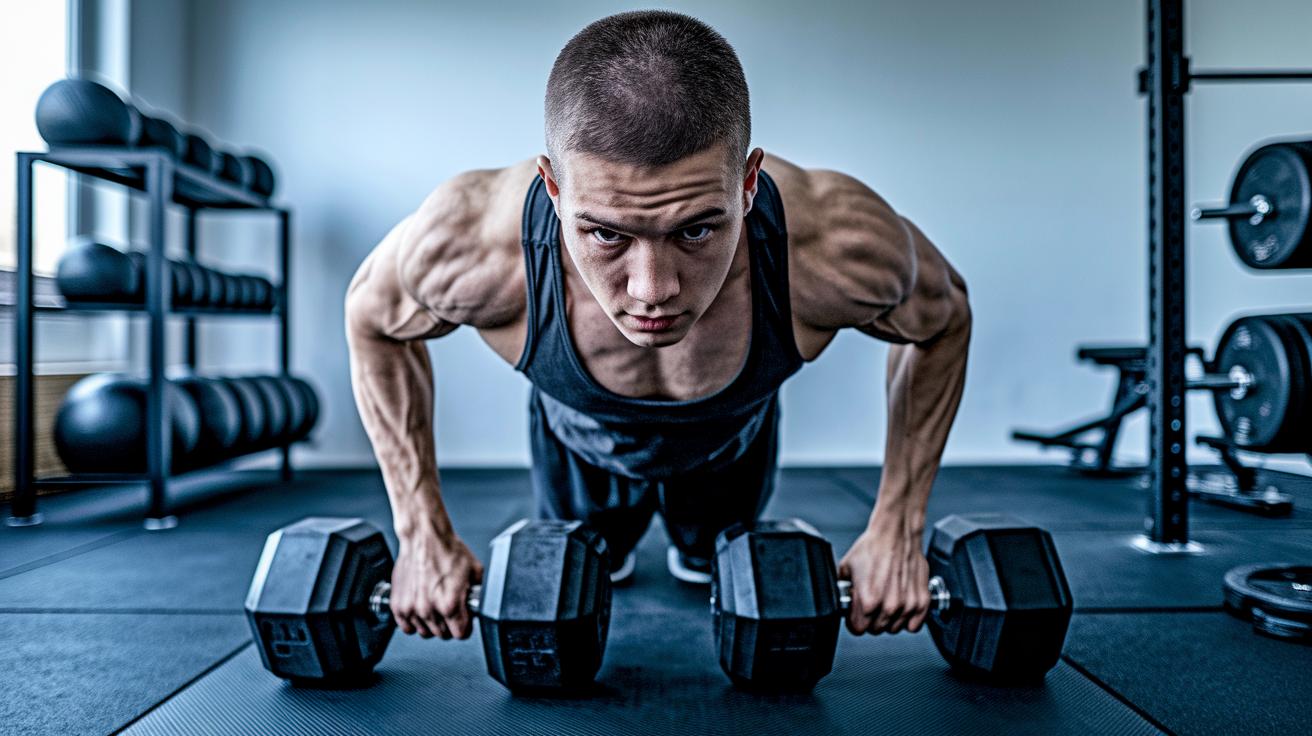
If you're ready to step up your workout game beyond the basics, try splitting your week into focused sessions aimed at boosting strength and building muscle. Most intermediate lifters work out 4 to 5 days each week, while those advancing their skills might train 5 to 6 days. This plan gives your muscles a good break so they can rest, rebuild, and get stronger.
Paying attention to the details can really boost your progress. Stick with 4 sets of 8 to 12 reps for each exercise to build strength with steady, strong moves. Every week, try to lift a little more, either by increasing the weight by 5 to 10 percent or adding 1 to 2 more reps. This gradual push helps you keep moving forward and growing those muscles.
Here's an example session you can try:
- Dumbbell Rows: Do 4 sets of 8 to 12 reps to give your back a good workout.
- Flat Dumbbell Press: Complete 4 sets of 8 to 12 reps to strengthen your chest and triceps.
- Goblet Squat: Try 4 sets of 10 to 15 reps to fire up your legs and glutes.
- Shoulder Press: Do 4 sets of 8 to 12 reps to build up your shoulders.
- Thrusters: Finish with 4 sets of 10 to 15 reps to get a full-body boost.
Remember, eating well and resting properly are just as important as lifting. Make sure you fuel your body with quality food and allow each muscle group about 48 hours to rest before you work it again. This way, you'll be well on your way to steady, long-lasting progress.
Fat Loss Focus: Dumbbell Exercise Circuit Routines
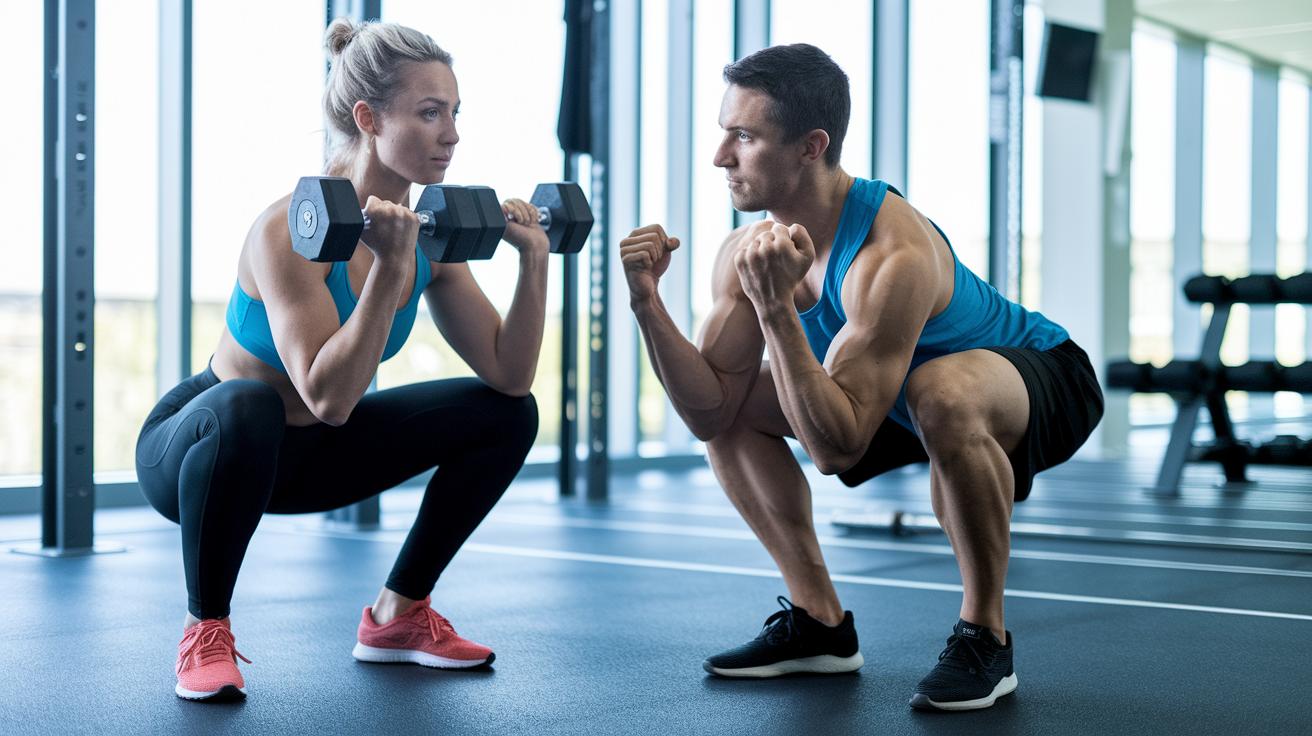
Circuit workouts are a fun and efficient way to keep your heart pumping while you burn calories fast. They mix strength moves with brief rests so you get a full-body workout that helps melt away fat and boost overall fitness.
For this simple dumbbell circuit, try this order:
- Goblet Squat: 12 reps
- Push Press: 10 reps
- Bent-Over Row: 12 reps
- Reverse Lunge: 10 reps per leg
- Thrusters: 10 reps
Do each move for 45 seconds, then take a 15-second break before starting the next one. Aim for 3 to 4 rounds to keep your workout steady and challenging. This routine helps keep your muscles working hard and gives your metabolism a nice kick throughout your session.
Short rests between each exercise not only build endurance but also help burn more calories. If you're feeling extra energetic, try adding a bit more cardio on rest days or after your circuit to increase your calorie burn even further.
Remember, this quick burn workout hits several muscle groups in one go while keeping your energy high. It's a great choice for busy days when you want a fast, effective full-body routine to get you moving.
Targeted Muscle Group Dumbbell Exercise Routines
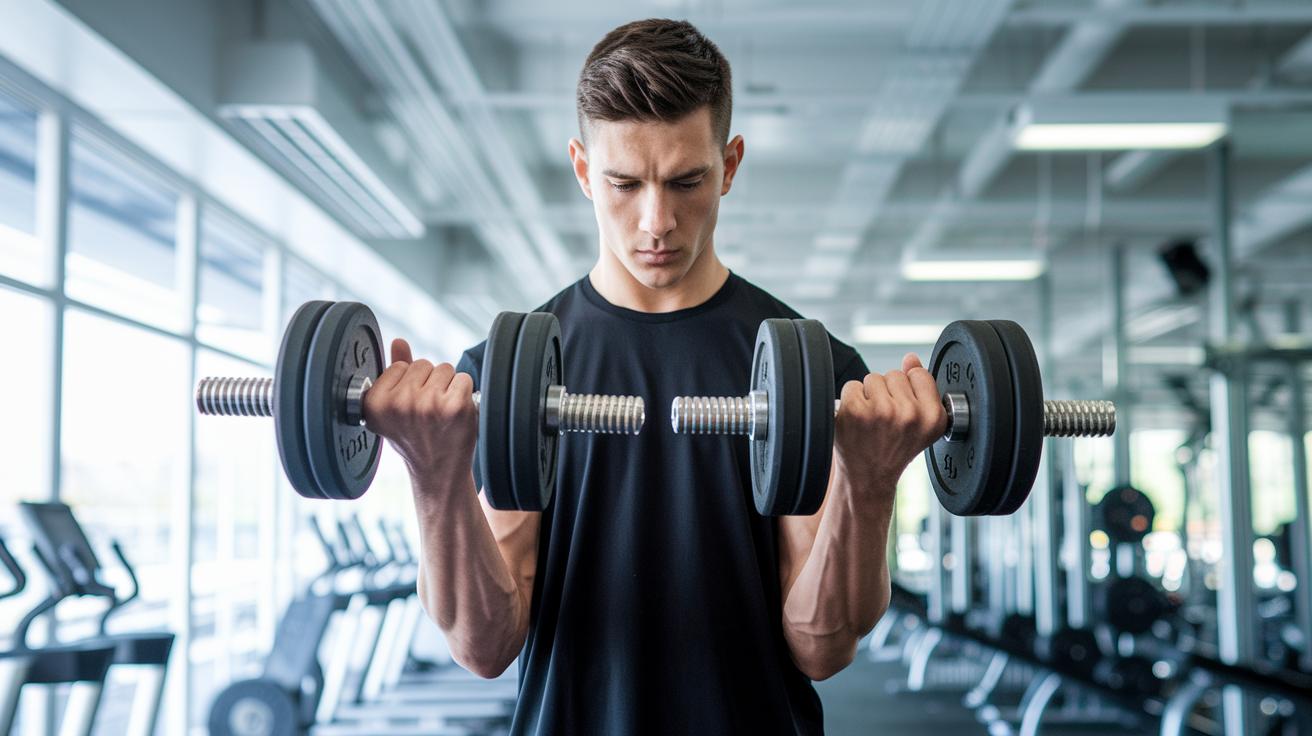
Arm Variation: Hammer Curls
Hammer Curls help build your biceps and boost your grip strength. Start by keeping your elbows by your sides and lift the dumbbells slowly, just like you would lift a thick book with care. Think of it as steadily picking up a hammer, making sure every rep is intentional and controlled.
Chest Variation: Dumbbell Fly
Dumbbell Fly exercises focus on your chest by stretching and squeezing the muscle with each movement. Keep a soft bend in your elbows and move smoothly, much like gently opening a window for a cool breeze. It feels like inviting fresh air into your body with every controlled stretch.
Back Variation: Reverse Fly
Reverse Fly works on your upper back and the backs of your shoulders. Stand with your upper body leaning forward and your back flat. With a small bend in your elbows, pull the dumbbells outwards and squeeze your shoulder blades together, almost like gracefully spreading out wings. It’s a gentle way to engage your back muscles with each pull.
Core Variations: Russian Twist and Plank Row
Russian Twists target the side muscles (obliques) by rotating your torso with care. Sit upright, and if you can, lift your feet off the ground. Twist slowly, similar to wringing out a damp cloth. Imagine tightening your middle muscles with every twist, keeping the movement smooth and steady.
Plank Row works on keeping your core strong while also challenging your back. Start in a stable plank position and row one dumbbell at a time, pulling your elbow close to your side. Picture your body as a sturdy bridge that stays solid as you pull, each movement a step toward better balance and strength.
Safety, Proper Form, and Progression for Dumbbell Exercise Routines
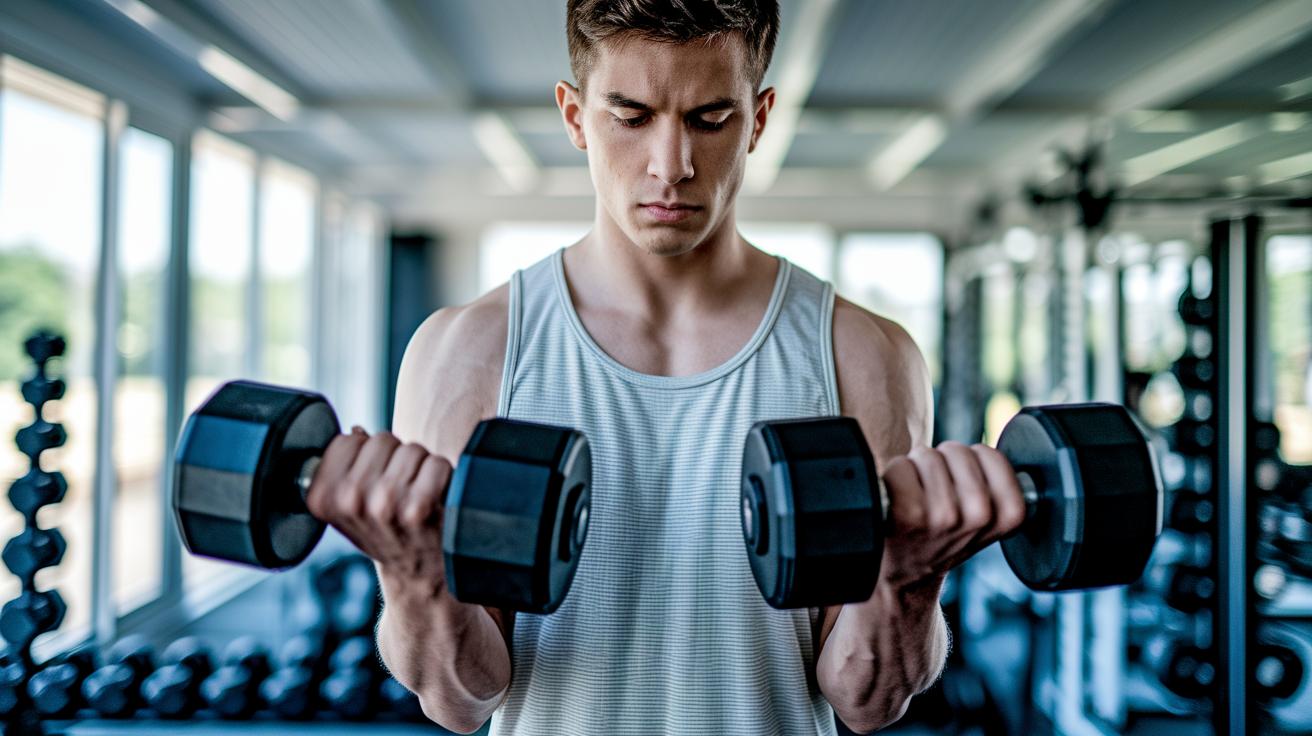
When you focus on doing each move correctly, you set yourself up for a safe and strong workout. Keeping your body aligned and moving with care helps cut down the chance of injury and makes every repetition count. It’s a bit like tuning your guitar, when every detail is spot on, the result feels really great.
Remember to keep your back straight, your tummy tight, and your movements steady. Think of it as following a simple dance routine where each step leads to the next. Using a mirror or recording yourself can be really helpful to catch any small shifts in your form that you might want to adjust.
As you get stronger, try adding a little extra weight, doing more reps, or shortening your breaks. This gradual step-up is key to growing your strength steadily. And don’t forget to let your muscles rest for at least two days before you work the same group again. With these tips, you’re ready to have a safe, smart workout every time you grab your dumbbells.
Sample Weekly Dumbbell Exercise Routine Schedule
If you're just starting out with dumbbells, try a simple three-day workout plan. On one day, give your whole body a good workout; on another day, focus on building upper body strength; and on your third day, work your lower body. On the days in between, take a brisk walk or do some gentle stretches. This routine helps your muscles rest while keeping them active.
If you're ready to push a little harder, consider a four- or five-day plan. You might add a extra session like a circuit workout or a special day to work on your shoulders. For example, you could work out Monday, Tuesday, Thursday, and Friday while taking a break on Wednesday and over the weekend. On your off-days, low-key activities such as yoga and light cardio keep your body moving and your routine varied.
For those more experienced with weights, a five- or six-day workout schedule could be a great choice. You might add an extra day for cardio or another light active recovery session to keep your energy up. Just like balancing a busy day with work and fun, make sure to give each muscle group time to rest and rebuild so you can come back stronger.
Final Words
In the action, we broke down each section to help you build a balanced workout, from warm-up essentials to targeted moves for arms, chest, legs, and core. We shared detailed tips on proper form and progression to boost your full-body strength. By outlining plans for beginners, intermediates, and those seeking fat loss, you'll feel confident tackling exercise routines with dumbbells. Keep building that strength step by step, and remember to celebrate each small win along the way. Stay active and keep your goals in sight.
FAQ
Frequently Asked Questions
What are some effective full-body dumbbell workouts you can do at home?
The effective full-body dumbbell workouts at home include exercises like goblet squats, dumbbell presses, rows, and shoulder presses. These moves target major muscle groups and help build overall strength and balance.
Is there a dumbbell full-body workout PDF available for guidance?
The dumbbell full-body workout PDF offers a structured guide that details each exercise’s sets, reps, and primary muscles, making it easier to follow a well-organized home routine.
What dumbbell routines work well for beginners or female lifters?
Beginner-friendly routines for female lifters focus on controlled moves such as bicep curls, goblet squats, and overhead presses, ensuring safety, gradual progress, and improved overall stability.
What’s a good dumbbell workout routine that builds muscle?
A good dumbbell routine combines compound exercises like goblet squats, flat presses, rows, and thrusters performed in sets of 8 to 15 reps to effectively build muscle and strength.
Can you build muscle effectively using only dumbbells?
Building muscle with dumbbells only is definitely possible. Focusing on both compound and isolation exercises and gradually increasing weight or reps stimulates muscle growth and overall strength gains.
What is the 3-3-3 rule in the gym?
The 3-3-3 rule refers to a format where you perform three exercises, three sets each, with either three minutes or three reps per set, though its application can vary by training style at different gyms.
Can you achieve effective workouts using just dumbbells instead of other equipment?
Working out with just dumbbells is effective as they offer a wide range of exercises, from presses and rows to squats, that target all major muscle groups while being simple to use at home.
How do dumbbells compare to equipment like kettlebells, barbells, treadmills, benches, and resistance bands?
While each equipment type provides unique benefits, dumbbells stand out for their versatility and ease of use, allowing you to perform various movements for balanced strength training in a home setting.