Have you ever noticed your heart starts pounding fast for no clear reason? You're not the only one. Sometimes, stress gives you a quick burst of energy when a challenge comes up. But then anxiety sticks around, like a heavy backpack that you can’t shake off.
This little note is here to help clear things up. It explains how stress and anxiety differ from each other so you can find better ways to calm your mind. By learning what each one does in your body, you might discover new, easier ways to relax and take care of yourself.
Clear Definitions: Stress vs Anxiety
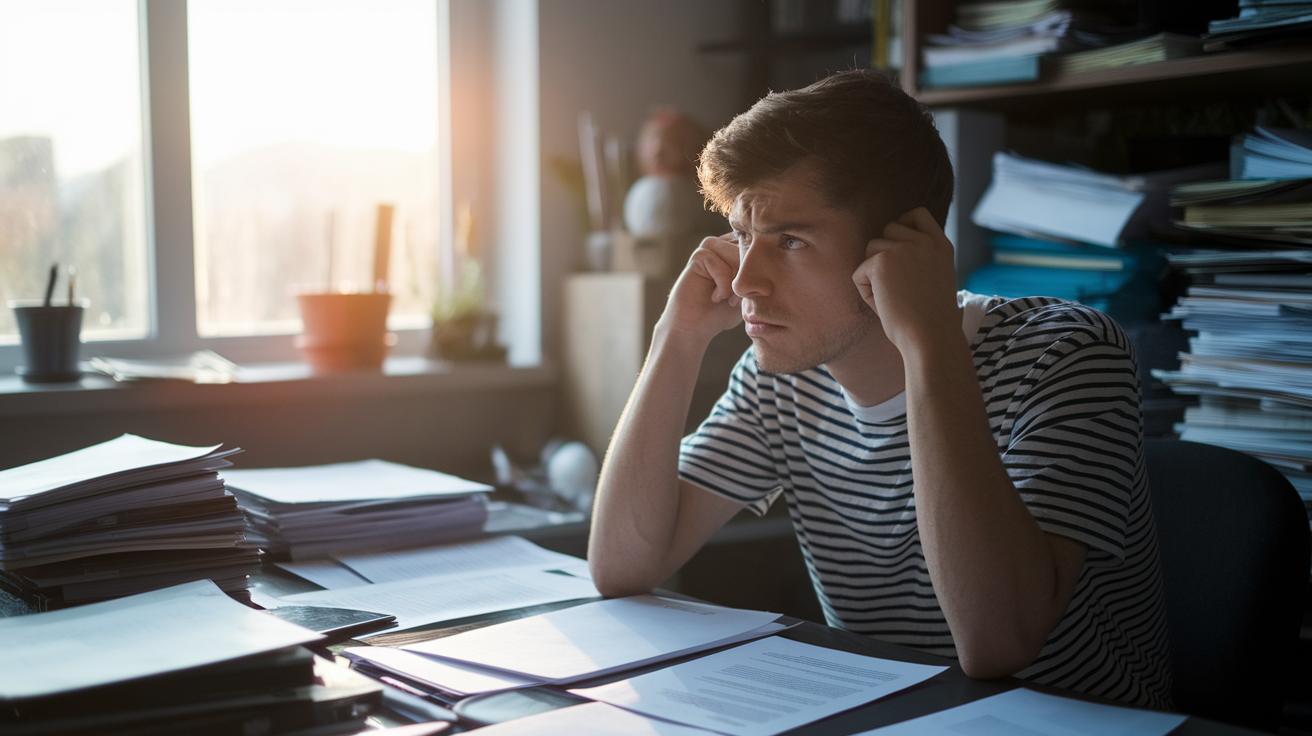
Stress is a short burst of energy that happens when you suddenly face a challenge. It gets your body ready for action by telling your adrenal glands to send out hormones like adrenaline and cortisol. These hormones make your heart beat faster, warm up your body, and tighten your muscles. Think of it like a quick power-up that helps you move faster, like when you're running to catch a bus.
Anxiety, on the other hand, sticks around much longer. It feels like you're always worrying, even when nothing bad is happening right now. Imagine feeling like you’re waiting for a storm that never comes. It keeps you on alert, making your mind work overtime even when you don’t need it to.
| Aspect | Stress | Anxiety |
|---|---|---|
| Definition | Short-term fight-or-flight reaction | Long-lasting and ongoing worry |
| Duration | Temporary and tied to a situation | Lasts for a longer time, even without a clear trigger |
| Primary Trigger | Immediate challenges or demands | No clear or immediate cause |
| Biological Response | Release of hormones like adrenaline and cortisol | Continued alertness with ongoing stress hormone activity |
Understanding these differences can really help you navigate everyday life. Sometimes, that burst of stress gives you the push to meet a deadline, but constant anxiety might stop you from enjoying a quiet moment. Knowing whether you’re just reacting for a short time or if you’re stuck in a loop of worry can guide you in choosing the best way to relax and clear your mind.
Comparing Symptoms: Stress vs Anxiety Signs
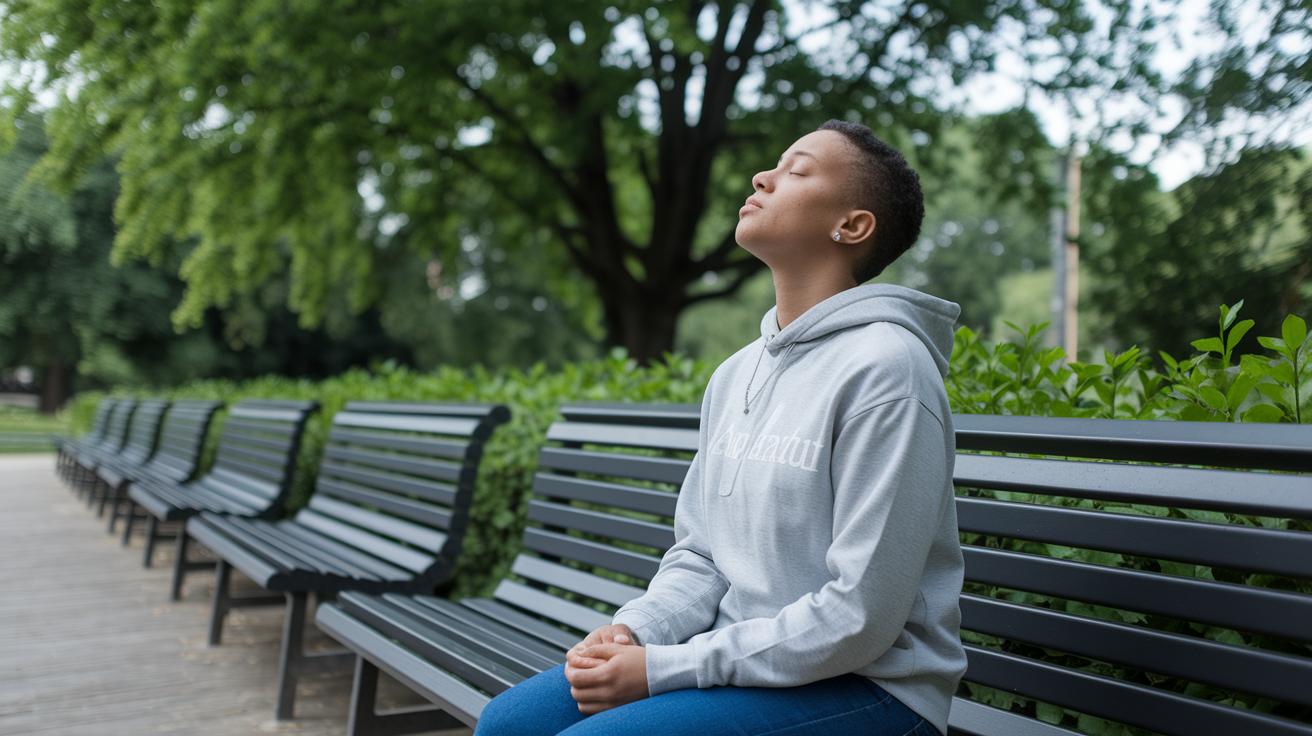
Stress and anxiety can act quite alike. New research shows that small changes, like simple techniques, can ease these feelings.
Activities such as a brisk walk, deep breaths, or even a quiet moment can slow down your racing heart and let tight muscles relax. Current health studies say these friendly habits help not only right away but also boost your mood in the long run.
Here’s a short table that lines up some common physical and emotional signs side by side:
| Stress Symptoms | Anxiety Symptoms |
|---|---|
| Increased heart rate | Persistent worry |
| Muscle tension | Restlessness |
| Irritability | Sleep disturbances |
| Fatigue | Difficulty concentrating |
These signals can drain your energy and make it hard to focus. But little practices like mindful breathing or moving around regularly can really help a lot. If you feel tension rising, pause and take a few deep breaths. For instance, you might say, "When my heart races, I stop, breathe deeply, and feel a calm wash over me."
Underlying Causes and Risk Factors in Stress vs Anxiety
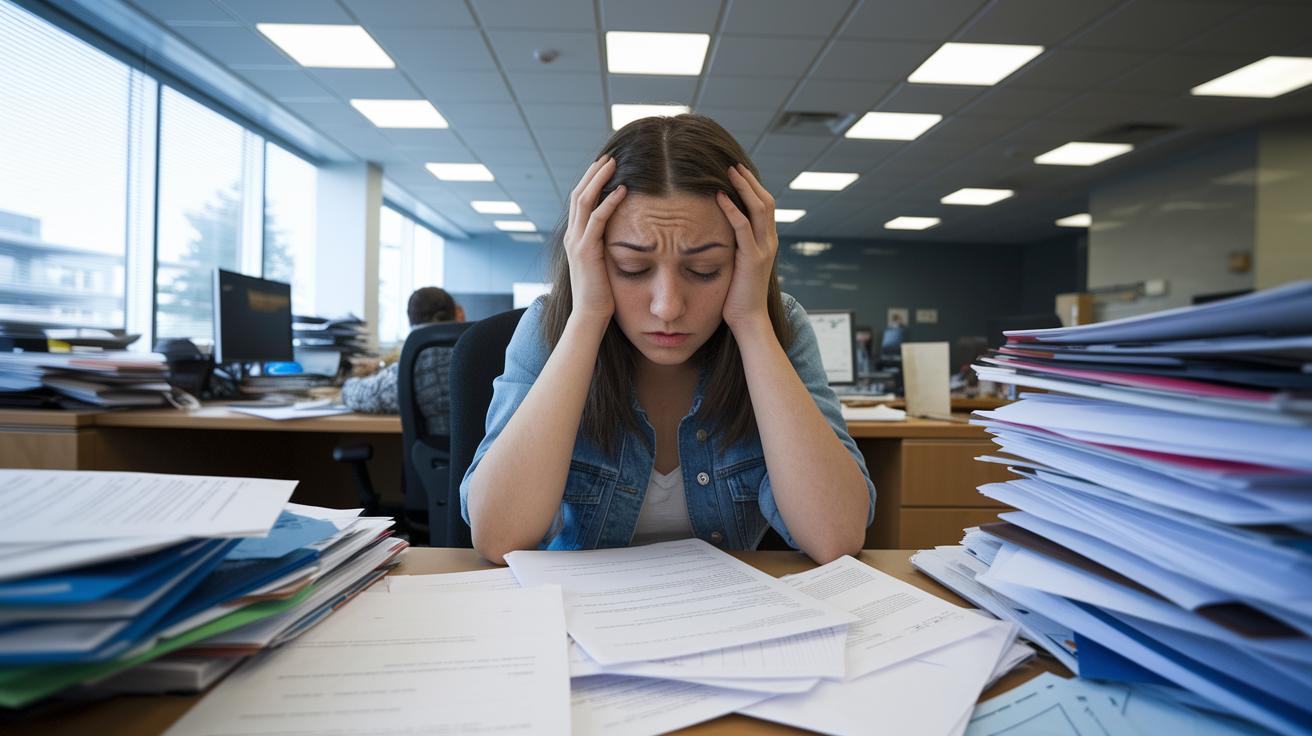
Stress can hit you all of a sudden. It often comes from clear pressures like tight work deadlines, unexpected money problems, or big changes in your life. Studies show that even a noisy office can make your body release extra cortisol, a stress hormone. Have you ever taken a short break in the middle of a busy day to breathe deeply? Even little moments like that can help your body calm down, especially when you know the value of a mindful pause.
Anxiety, on the other hand, creeps up more slowly. It comes from deeper roots like genetics or shifts in brain chemicals, things that might keep you feeling uneasy long after a tough time. Think of a young person whose family has a history of anxiety; they might feel on edge even during quiet moments. Personal habits like harsh self-criticism and pressure to always look perfect can make these feelings stick around even when things seem calm.
When you're under constant pressure, it can eventually turn into anxiety. Ongoing stress might cause your cortisol levels to stay high, turning short bursts of stress into long-lasting worries. Imagine someone dealing with daily work pressure who starts to feel more and more anxious as days go by. New methods, like mixing mindfulness with biofeedback techniques, show promise in helping to ease that shift.
Biological and Psychological Effects: Stress vs Anxiety Reactions
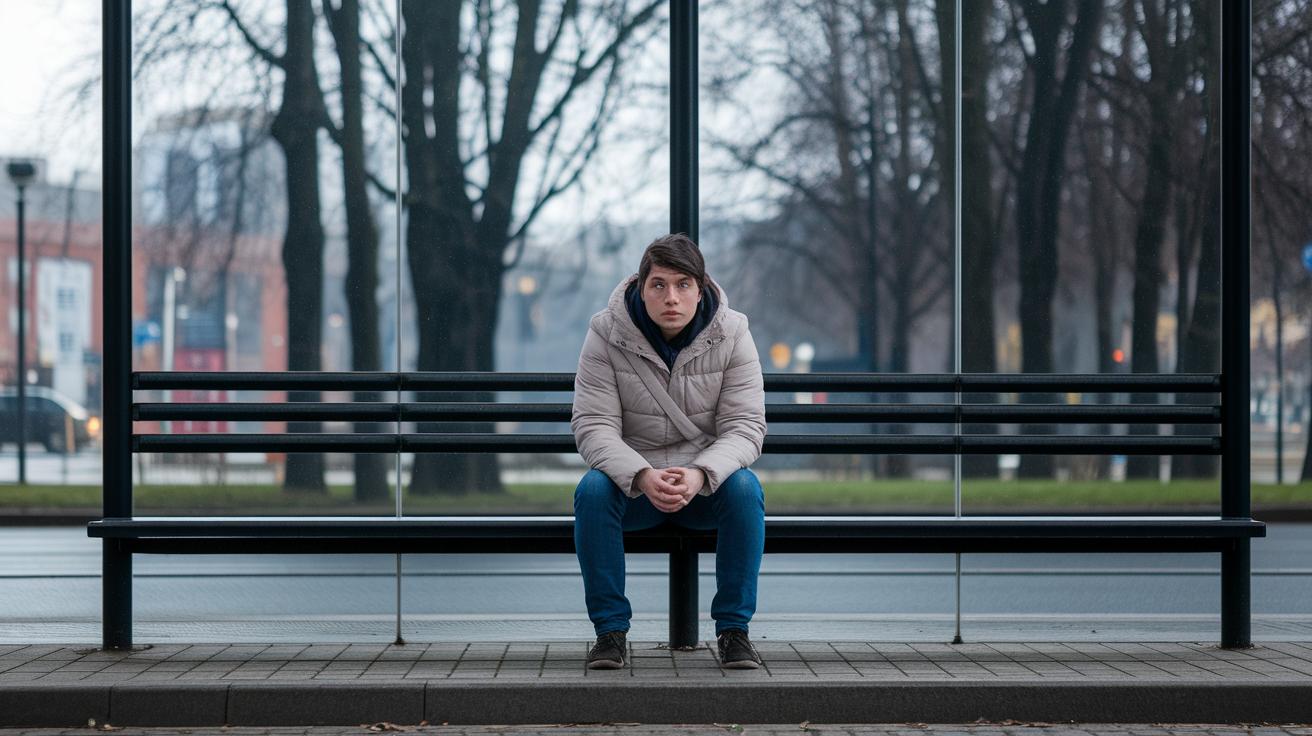
When you experience stress, your body sends out a quick burst of hormones that prepares you to act fast. On the other hand, anxiety slowly releases hormones like cortisol (a helper hormone that tells your body it's time to be on the lookout), which can change how your tummy works and even affect your immune system. Think about that quick jolt you feel when you’re chasing after a bus versus the long-held worry that sticks around on an uncertain day.
Stress might make you feel a bit snappy or cause a short break in concentration, while anxiety tends to keep you stuck in a cycle of worry and persistent negative thoughts. Remember a time when stress hit you hard but faded quickly? Now, imagine days when those worries just stick around, making it hard to feel at ease.
Both stress and anxiety, when they stick around for too long, can mess with your sleep and overall health. For more details on how hormones and thoughts play their parts, check out the earlier sections.
Everyday Scenarios: Recognizing Stress vs Anxiety in Real Life
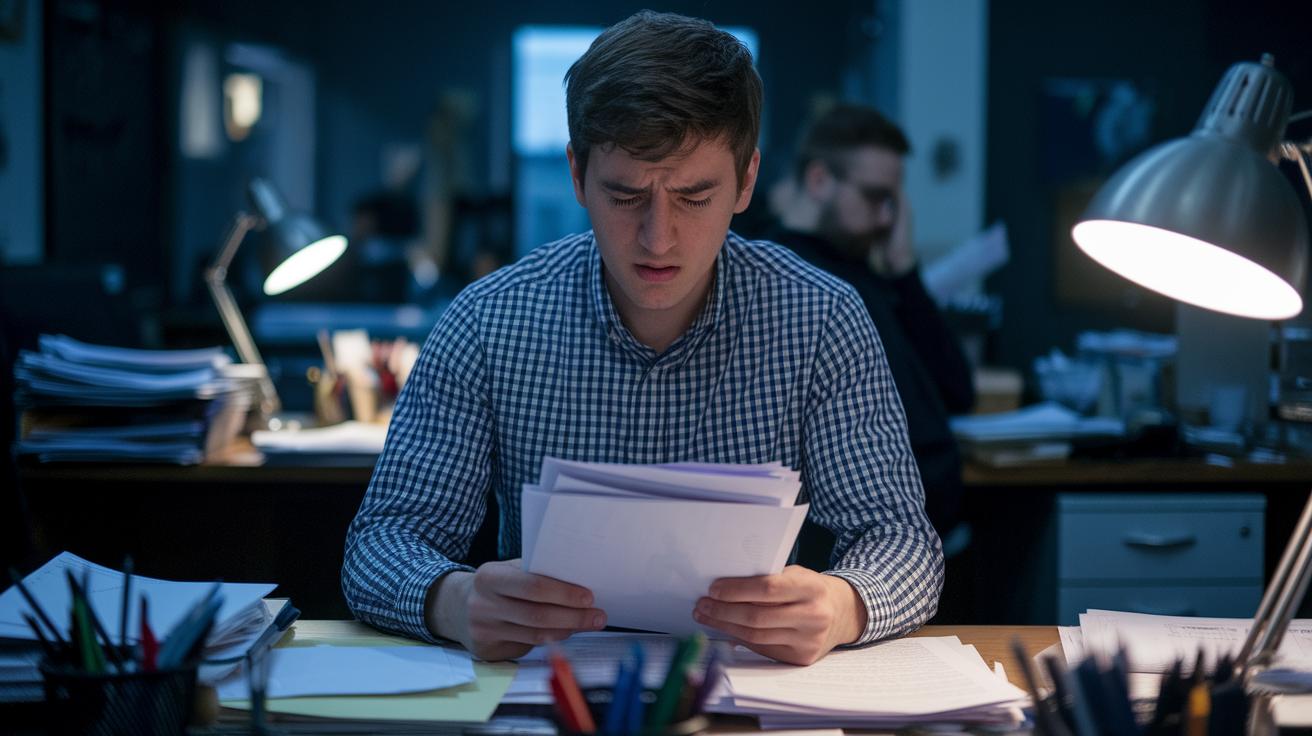
At work, stress can hit when deadlines loom and you feel worn out from too many tasks. Sometimes, a heavy workload makes you tired and careless with small details. But workplace anxiety is different; it can stop you from speaking up or sharing your ideas even when you're prepared. Think about that feeling before a big meeting when your nerves get so shaky that you keep delaying your presentation.
During school or college times, stress usually shows up during exam weeks or when assignments pile up. Yet, test anxiety takes it a step further. It might give you a racing heart or a twisty stomach, making it tough to concentrate. Ever been in a test where, despite studying, your mind suddenly goes blank?
Social events are another area where these feelings can mix up. A bit of nervousness is normal when meeting new people, but if you're dealing with social anxiety, a worry about being judged can keep you from joining in on gatherings. You might find yourself skipping events because the fear feels too heavy.
At home, a bit of stress might lead to quick, small arguments that settle down soon. However, anxiety at home could turn these conflicts into lingering worries about your relationships. Recognizing these different patterns is a good step toward finding the right support for your well-being.
stress vs anxiety: Fresh clarity for calm mind
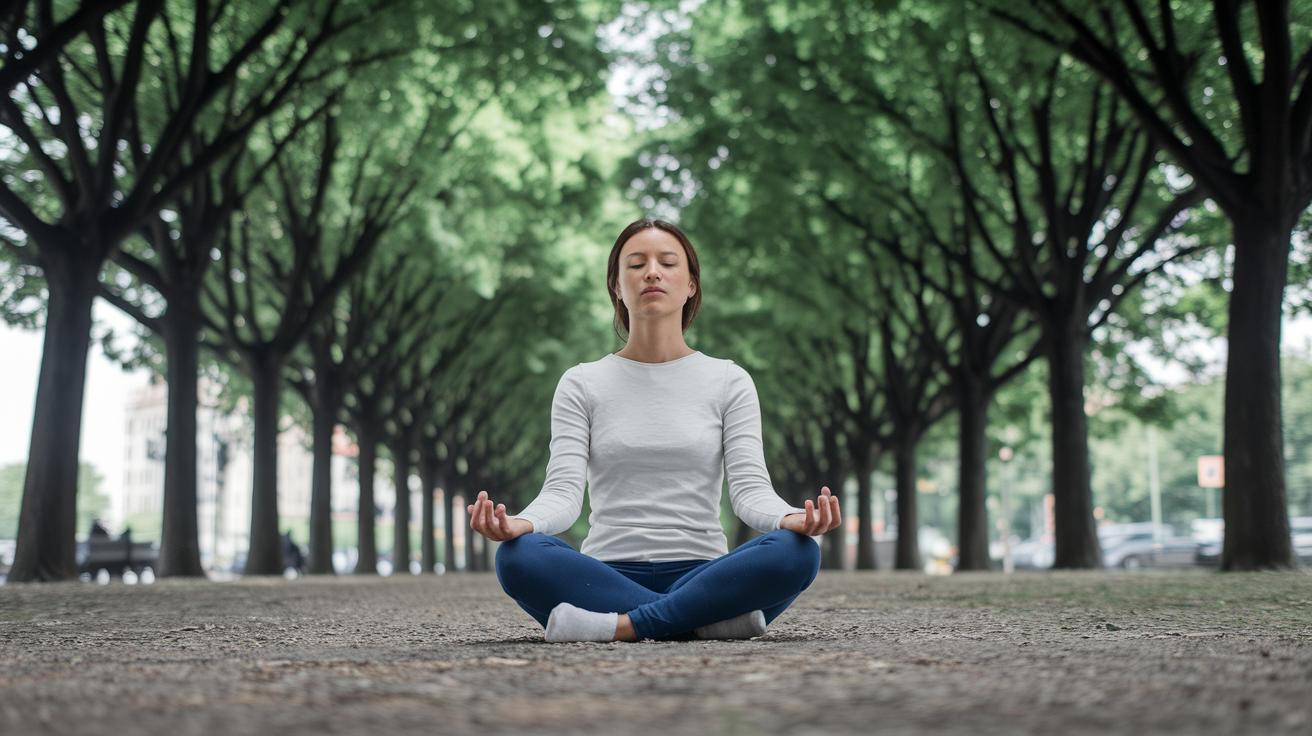
Have you ever tried deep breathing or mindfulness meditation when things get overwhelming? Simple yet powerful routines like deep breathing, progressive muscle relaxation, and mindfulness help you slow down and feel more grounded. Imagine sitting quietly and slowly taking deep breaths until a gentle calm washes over you, it really clears your mind.
A little movement goes a long way too. A brisk walk or a light jog not only gets your heart pumping but also boosts good mood chemicals in your body. Pair that with balanced meals and a solid sleep routine, and you'll find that stress becomes more manageable.
Sometimes, talking with a professional helps you see things in a new light. Cognitive behavioral therapy, for example, can shift those negative thoughts while certain medicines may ease constant anxious feelings. Have you ever felt a weight lift off your shoulders after a good session with a therapist?
And don't forget, there are handy digital tools to track your mood over time. With apps that monitor emotional ups and downs, you can notice patterns and adjust your habits. In those tougher moments, crisis hotlines like 988 are just a call away to give immediate support.
Final Words
In the action, we broke down clear definitions, symptoms, causes, real-life scenarios, and practical management tips for dealing with stress vs anxiety. We explored how physical reactions, mental shifts, and everyday experiences can differ and overlap. The insights offer practical ways to adapt your daily habits, from workout ideas to nutritious meal plans and mindfulness techniques. Stay encouraged, keep experimenting with new routines, and remember that even small steps can lead to a healthier, happier you.
FAQ
How do I differentiate stress and anxiety and know the signs?
Differentiating stress from anxiety involves recognizing that stress is a short-term fight-or-flight response to an immediate trigger, while anxiety is a prolonged state of worry that often lacks a clear trigger.
How do stress, anxiety, and depression differ, and can one lead to the others?
The differences between stress, anxiety, and depression lie in their duration and impact. Stress is short-lived and situational, anxiety is ongoing nervousness, and depression involves persistent low mood—prolonged stress may contribute to developing anxiety and depression.
What is the 3 3 3 rule for anxiety?
The 3 3 3 rule for anxiety means naming three things you see, three things you hear, and three things you feel. This strategy helps ground your mind and ease anxious thoughts.
What are 5 warning signs of stress?
The common warning signs of stress include muscle tension, irritability, fatigue, trouble sleeping, and headaches. These symptoms indicate your body is reacting to too much pressure and may need a break.
How do I manage stress and anxiety?
Managing stress and anxiety involves practices like deep breathing, regular exercise, balanced nutrition, and mindfulness techniques. These methods help calm your body’s responses and promote a more relaxed state of mind.