Do you ever feel like you’re wasting money every time you shop? It happens when we grab random meals without a clear plan, and before you know it, your cash is slipping away.
Imagine a neat, simple grocery list that makes your trips quicker and saves you money. Try planning a basic dinner each night and jotting down quick ideas for breakfast, lunch, and snacks. This way, you can enjoy tasty meals without overspending.
This guide will walk you through creating a practical meal plan and an easy grocery checklist that helps put more cash back in your pocket.
Essential Steps for Effective Meal Planning and Grocery List Creation
-
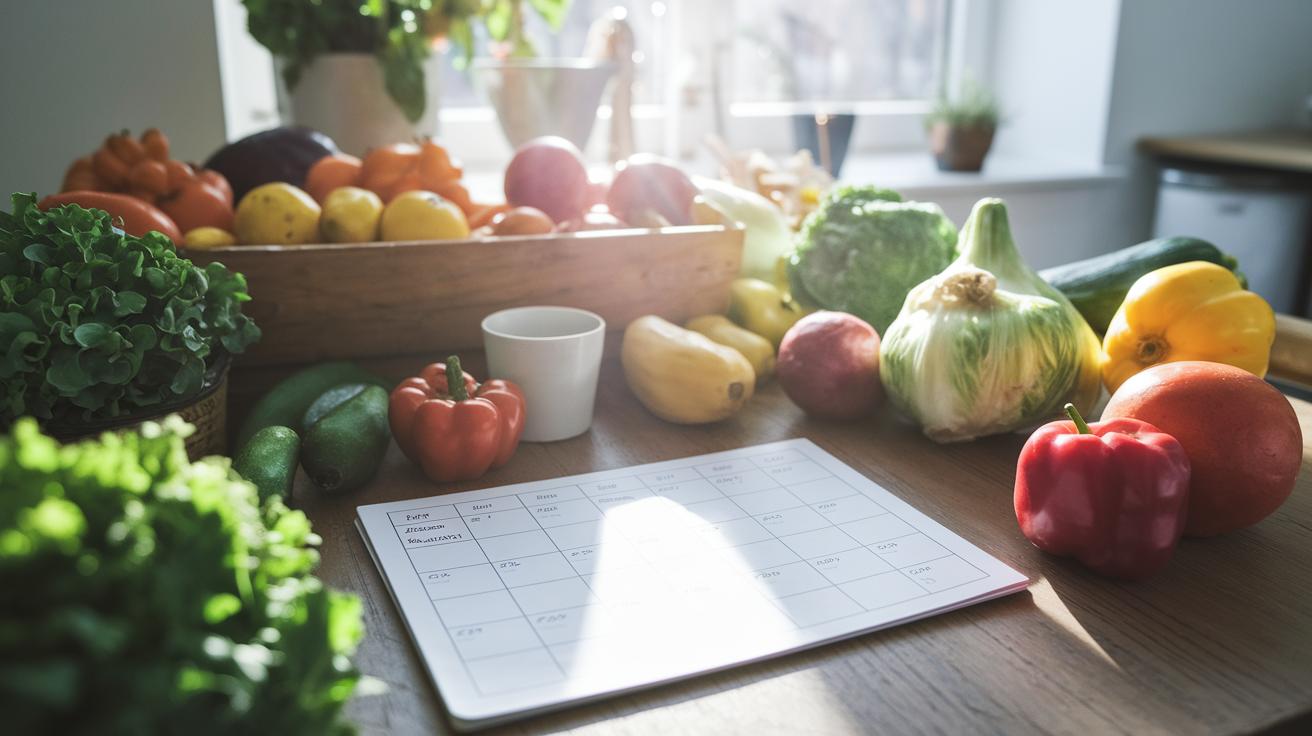
Start by choosing your dinner meals. Plan a main dish for each day in the next week or two. For example, you might decide that Monday is for a warm CrockPot chicken stew while Tuesday is set aside for tacos and quesadillas with fresh homemade salsa.
-
Next, fill in ideas for your other meals. Once dinner is planned, add simple suggestions for breakfast, lunch, and snacks along with everyday household items. This keeps your plan balanced and helps stop you from buying unnecessary items. Think oatmeal for breakfast, turkey sandwiches for lunch, and carrots with hummus for a quick, healthy snack.
-
Then, organize your list into clear groups. Split your items into sections such as produce, dairy, proteins, pantry items, and snacks. Grouping your items like this can make your shopping trip smoother and help you remember everything you need.
-
Now, create your grocery checklist. Write down each ingredient based on your meal plan. This step-by-step guide will show you what you already have and what you need to buy, making your shopping easier.
-
Finally, print multiple copies of your plan. Having about 10 copies handy means you can keep one in the kitchen and one in your bag. This way, you’ll always have your meal planning tips and grocery list ready, whether you’re at home or on the go.
Selecting Recipes and Using Meal Planning Templates
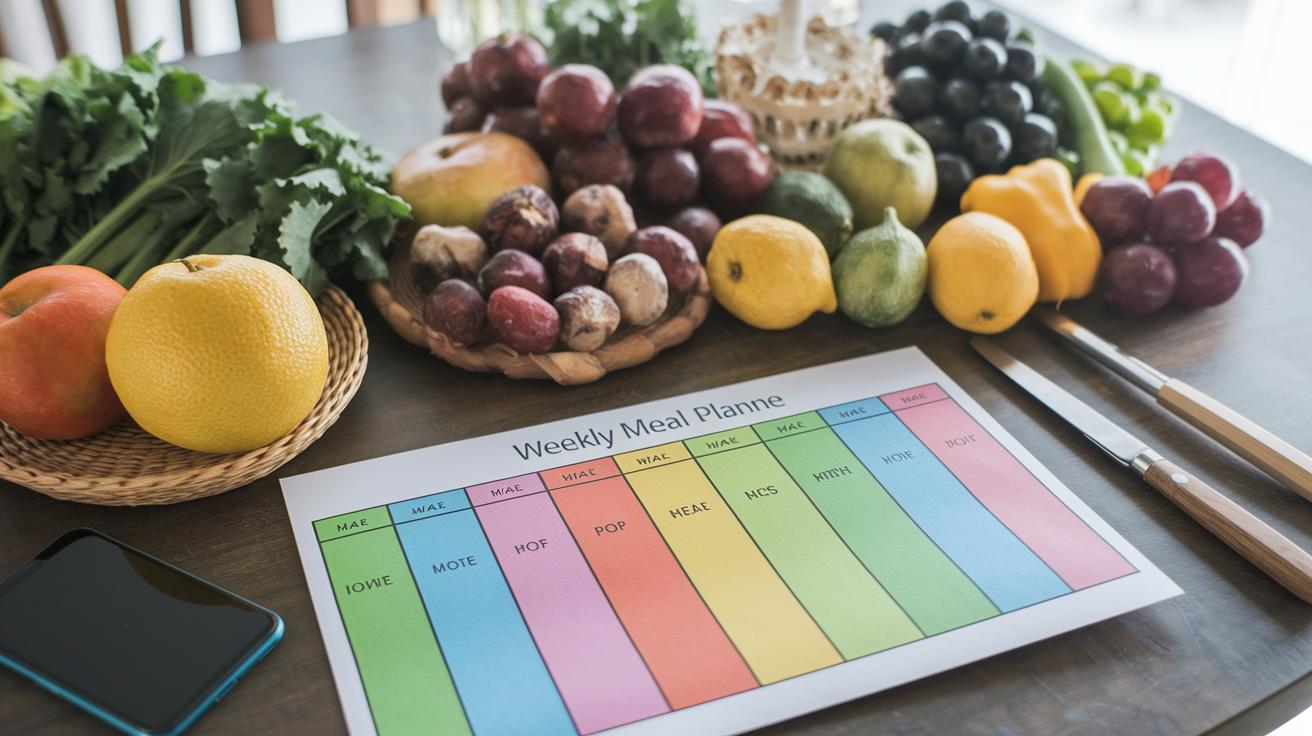
A meal template that you can easily adjust makes planning your meals a breeze. Start by writing down dinner ideas, like protein-packed dishes or veggie recipes, and then add your favorite breakfast and lunch options. A simple dinner planner lets you see your whole week at a glance, so you know you're mixing tasty flavors with good nutrition while keeping costs low. For example, you might choose a spicy meal one day and a hearty casserole the next.
When you fill out a weekly menu chart, you can change portions and ingredients to fit your family's needs. A clear menu organizer helps you plan every meal, which makes shopping trips shorter and cuts down on waste. Imagine your meal plan like a puzzle where every piece fits just right, you only buy what you need.
Try using your customizable meal template a few times to make it part of your routine. With a handy dinner planner and a free weekly food scheduler, your custom menu chart will become an essential tool for a budget-friendly and efficient meal plan.
Translating Your Meal Plan into a Comprehensive Grocery List
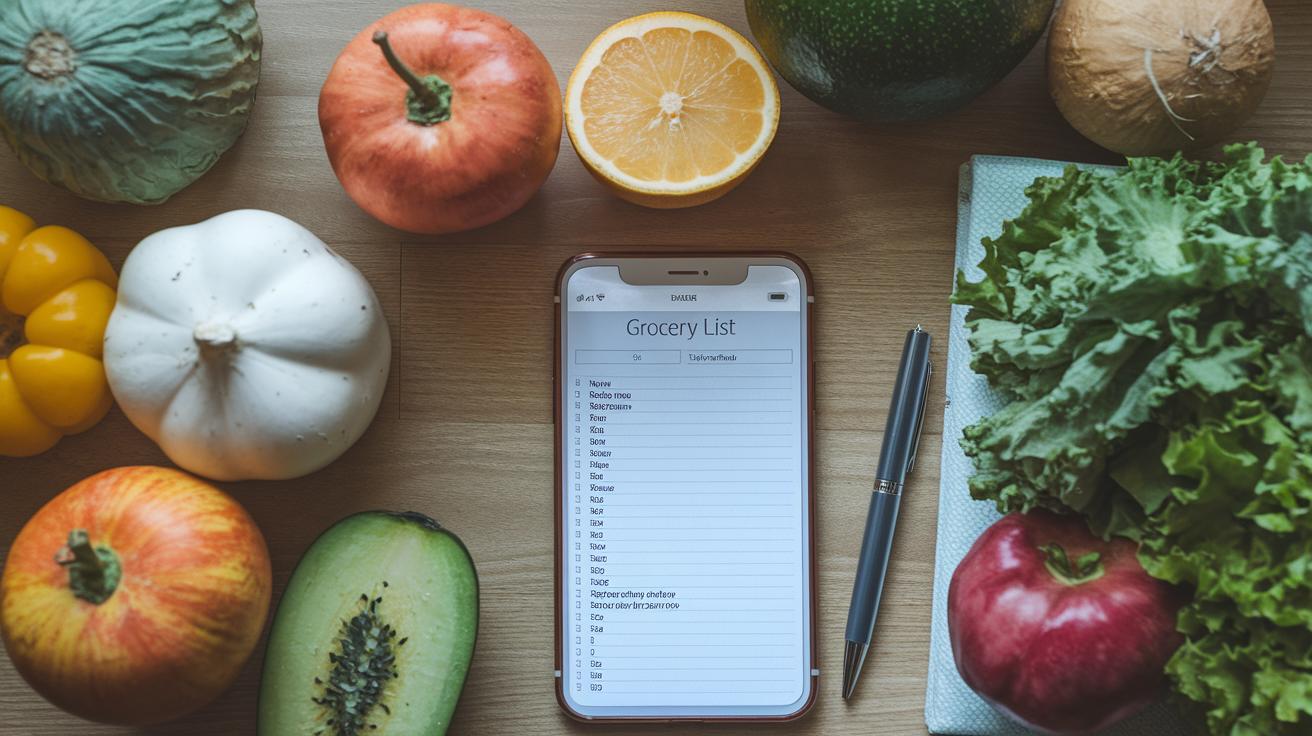
Start with your meal calendar and use it to create a smart, organized grocery list. This way, you won’t have to repeat steps you already know.
For instance, check out the table below. It shows how to group similar items so you don’t end up buying duplicates:
| Category | Examples |
|---|---|
| Produce | Apples, Lettuce, Carrots |
| Dairy | Milk, Cheese, Yogurt |
| Proteins | Chicken, Beans, Tofu |
| Pantry | Pasta, Rice, Canned Goods |
| Snacks | Nuts, Crackers, Granola Bars |
This extra example ties everything together by giving you a clear, practical way to organize your grocery list and make your shopping more efficient.
Budget-Friendly Meal Planning and Grocery Shopping Tips
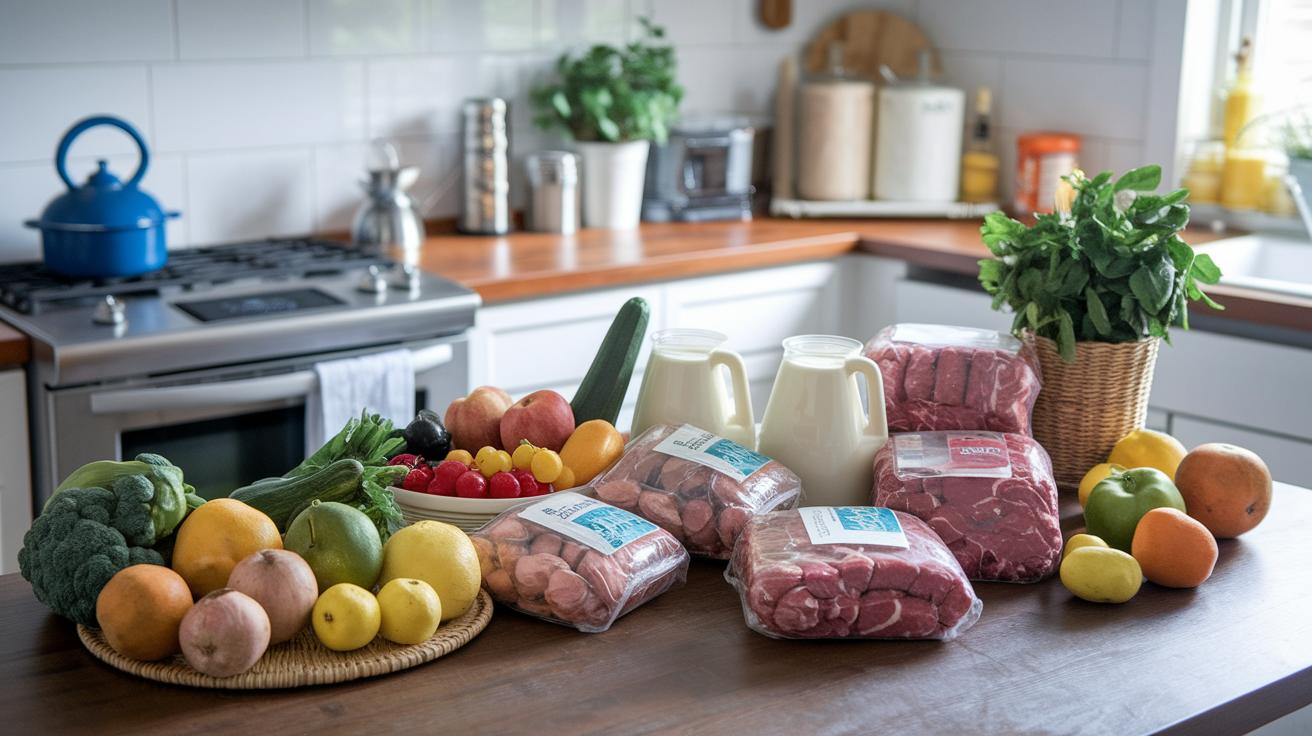
When you're planning meals on a tight budget, it helps to shop smart based on what you need and when you need it. For families watching their spending, try buying things like meat and dairy once a month from big wholesale stores such as BJ’s, Costco, or Sam’s Club. This way, you can benefit from bulk prices and make fewer trips to the store, saving you both time and money.
Then, every two weeks, head over to places like Aldi or Trader Joe’s to pick up fresh fruits and vegetables. That keeps your produce crisp and your costs low.
Here are some simple steps to follow:
- Shop for fresh meat, dairy, and similar items from wholesale clubs on a monthly basis.
- Buy fruits and vegetables every two weeks at budget-friendly stores.
- Order non-perishable items online when you spot a good deal.
- Freeze items like dairy and bread that might go bad quickly.
Imagine setting up a two-week meal plan using tips from the “Cut Your Grocery Bill in Half” idea. Freezing food before it spoils means less waste, and mixing bulk buys with regular fresh food runs keeps your meals both varied and nutritious. This strategy not only keeps your food budget in check but also makes sure you enjoy tasty and healthy meals. Plan smart and save money now.
Digital Meal Planning Tools and Apps for Streamlining Your Workflow
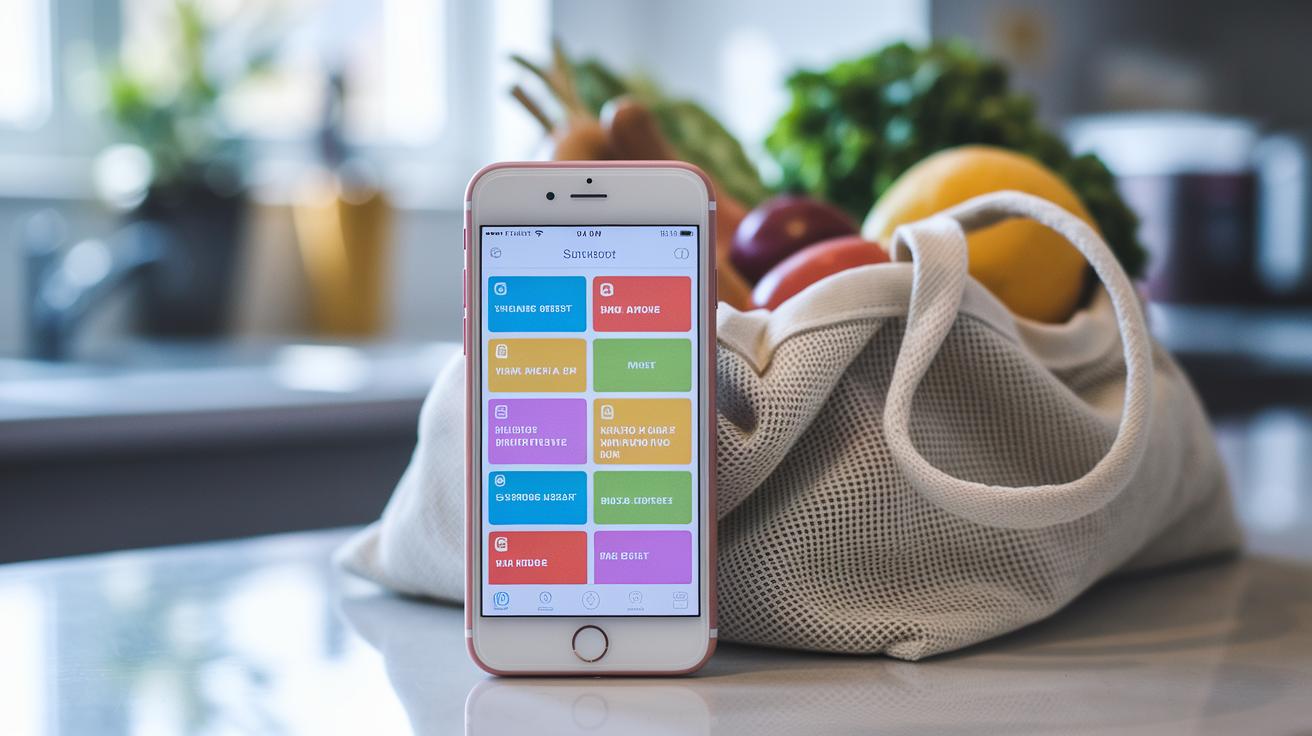
Digital meal planning tools really make meal prep simpler and help lower your food costs. Imagine a smart menu organizer that gathers your saved recipes and builds a fun, interactive meal calendar just for you. It automatically creates your shopping list based on the meals you choose. It's like having a friendly shopping buddy who never forgets an ingredient.
These tools work out the details for you. With auto-generated lists, you'll only buy what you need, which helps cut down on waste and extra spending. A lot of these apps let you set handy meal reminders so you won’t miss any key ingredients when it’s time to shop or cook. For instance, an app might tell you right away if you're almost out of an important spice, so you can add it to your list on the spot.
What’s even better is that these digital helpers sync across all your devices. You can update your list on your phone while you’re in the store, and then check it on your tablet in the kitchen. Plus, an easy-to-use meal calendar lets you rearrange your meals whenever you need, making sure you always follow the best plan for savings and healthy eating. Many users say that keeping things organized this way not only saves money but also reduces food waste.
Diet-Specific Plan Generators
Some apps also come with diet-specific plan generators. Whether you're aiming for a low-carb, vegan, or gluten-free lifestyle, these tools adjust your recipes to fit your needs. They automatically tweak your grocery list so that only the items that suit your diet make it on there. This thoughtful feature keeps both your health goals and budget right on track.
Printable Meal Planning and Grocery List Resources
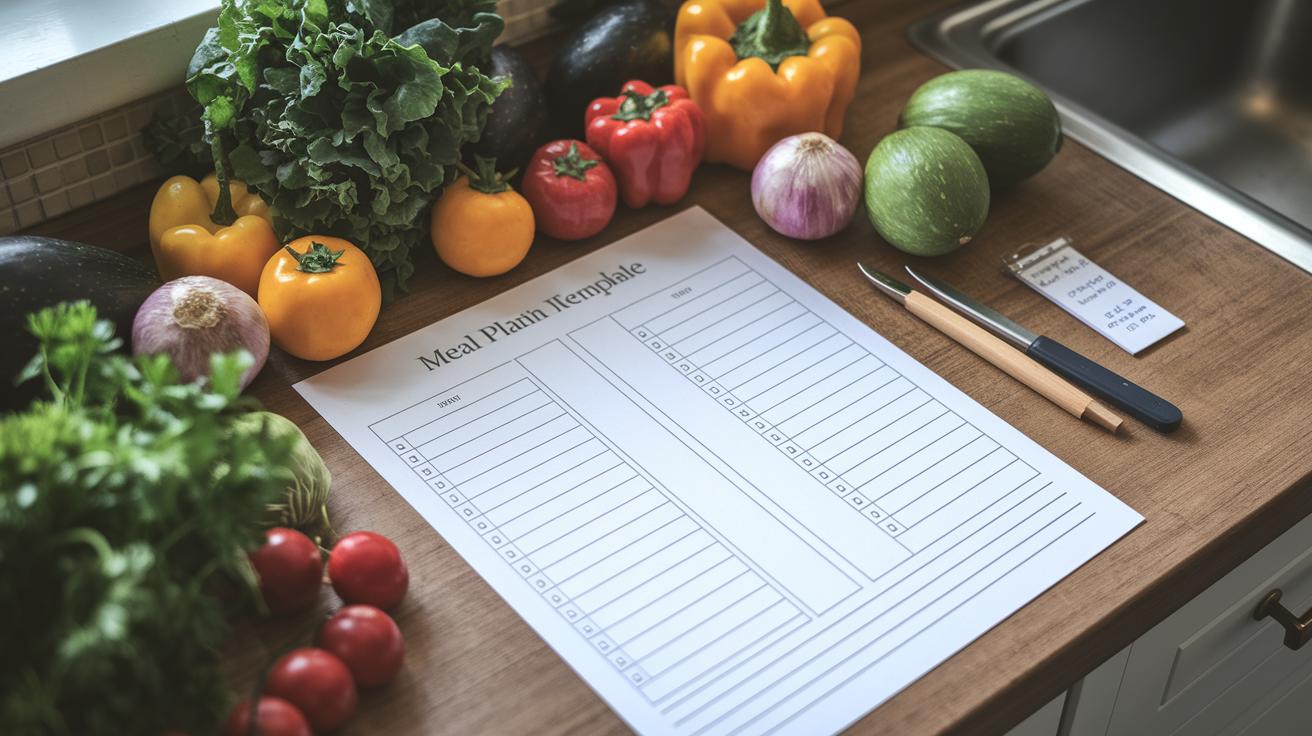
Our handy PDF guides come with ready-to-print cooking schedules and fillable nutrition planning sheets. We've added these to the Essential Steps and Templates sections so you can print them out easily. I usually print about 10 copies, one for the kitchen, one for your grocery bag, and a few extras for quick reference.
These meal planning templates are designed to help you keep meals and shopping lists clear and simple. They offer sections for breakfast, lunch, dinner, snacks, and even household needs in both one-week and two-week formats. Picture a sheet with clear spaces divided for each meal, plus a special spot for your grocery list, it really helps you keep track of what to buy.
Tips to Reduce Food Waste with Smart Meal Planning and Grocery List Habits
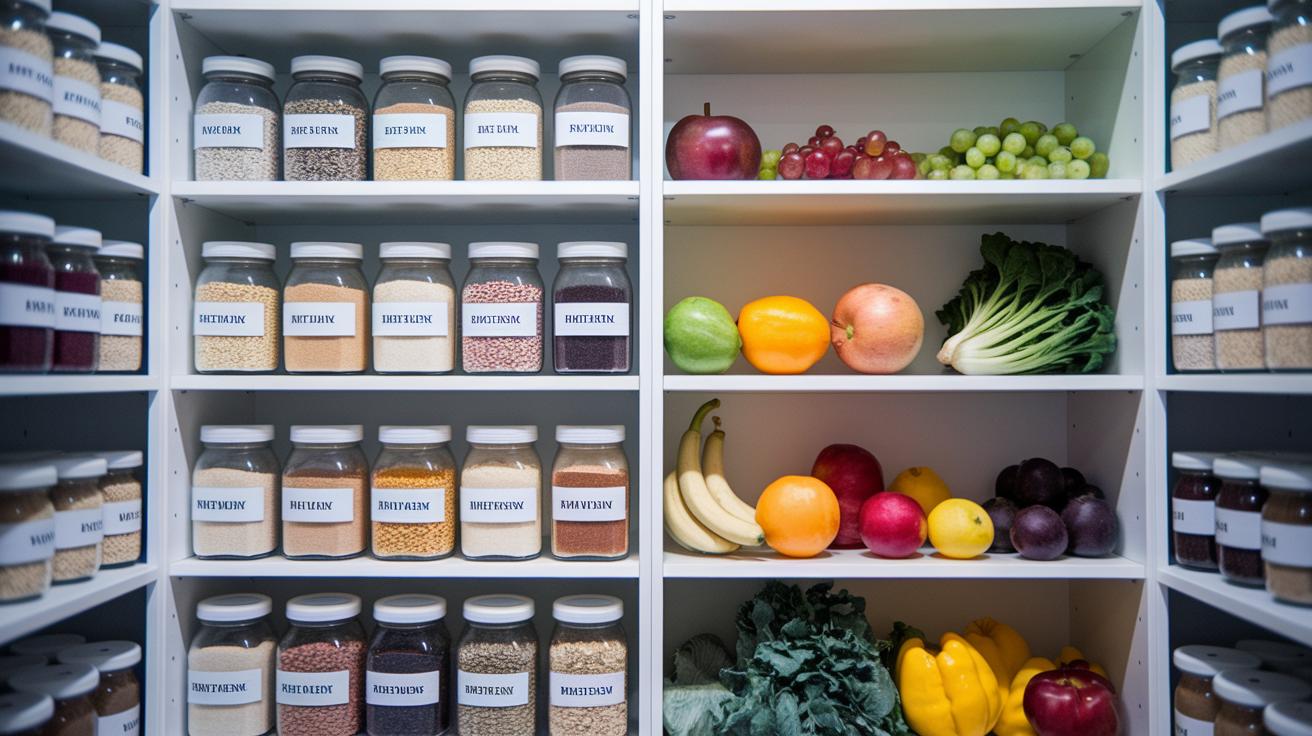
When you plan smart, you only buy what you need, which helps avoid ending up with unused food. Try using a simple pantry tool to keep track of what you have, so you know when it’s time to restock. For instance, before you head out, take a quick glance at your pantry list, maybe you already have beans or rice waiting for you.
It really helps to organize your shopping list by sections. Here are some ideas to try:
- Make a list that groups items into produce, proteins, dairy, pantry items, and snacks.
- Set up “use-up” meals to clear older items from your fridge before buying more.
- Build your menu around seasonal veggies and fruits to enjoy the best flavors at lower prices.
- Freeze extra dairy or bread that might spoil soon so nothing goes to waste.
- Keep a simple inventory checklist to remind you to use everything you purchase.
Also, consider using an interactive food prep planner. Imagine scribbling a note next to your milk that says, “Expires soon, try a creamy pasta sauce this week.” With these friendly steps, you can keep food waste low while sticking to a meal plan that’s healthy and budget friendly.
Final Words
In the action, we walked through clear steps to organize your week. We broke down planning dinners, choosing recipes, and turning your meal ideas into a solid meal planning and grocery list. Small printing tasks and digital tools were highlighted to cut waste, save time, and lower costs. Each tip is meant to bring a little more ease and enjoyment to your routine. Embrace these practical steps and feel the positive shift toward a brighter, healthier lifestyle.
FAQ
What is a meal planning and grocery list template?
A meal planning and grocery list template is a printed or digital tool that helps you set out meal ideas for days or weeks and builds a list of items you need for cooking, saving time and reducing waste.
What is a meal planning and grocery list PDF?
A meal planning and grocery list PDF is a ready-to-use file you can print to organize your meals and shopping. It gives you a clear guide to keep your food purchases focused and budget-friendly.
How can I use a free meal planning and grocery list?
A free meal planning and grocery list lets you jot down meals for each day and list needed ingredients. This free tool supports better planning by keeping your cooking ideas and shopping in one place.
How do I plan a meal and grocery list for a week?
Planning a weekly meal and grocery list means writing down your dinner, lunch, and snack ideas for seven days and listing all items needed, making shopping efficient and cutting food waste.
What does a 7-day meal plan involve?
A 7-day meal plan covers meals for every day of the week, often including breakfast, lunch, dinner, and snacks. It organizes your shopping list by categories to keep spending on track.
How does a 7-day family meal plan with a shopping list work?
A 7-day family meal plan with a shopping list gathers meal choices for the whole week and outlines a list of groceries. It simplifies planning, making bulk meals easier and reducing unnecessary food buys.
What benefits do meal planning and grocery list apps offer?
Meal planning and grocery list apps help you build lists, store recipes, and organize your calendar on your phone. They make adding items easy and keep your menu synced without paper clutter.