Ever feel like your thoughts are weighing you down after a long day? Imagine a simple script that soothes your mind and lifts your mood.
In this article, we show you three easy ways to unwind using mindfulness meditation scripts. Each method helps you focus on your breath, notice any tension in your body, and let go of all those cluttered thoughts.
Whether you are just starting out or already practice meditation, these scripts offer a clear, step-by-step way to reach a calmer and more focused state. Ready to find a peaceful break in your busy day?
A Ready-to-Use Mindfulness Meditation Script Template
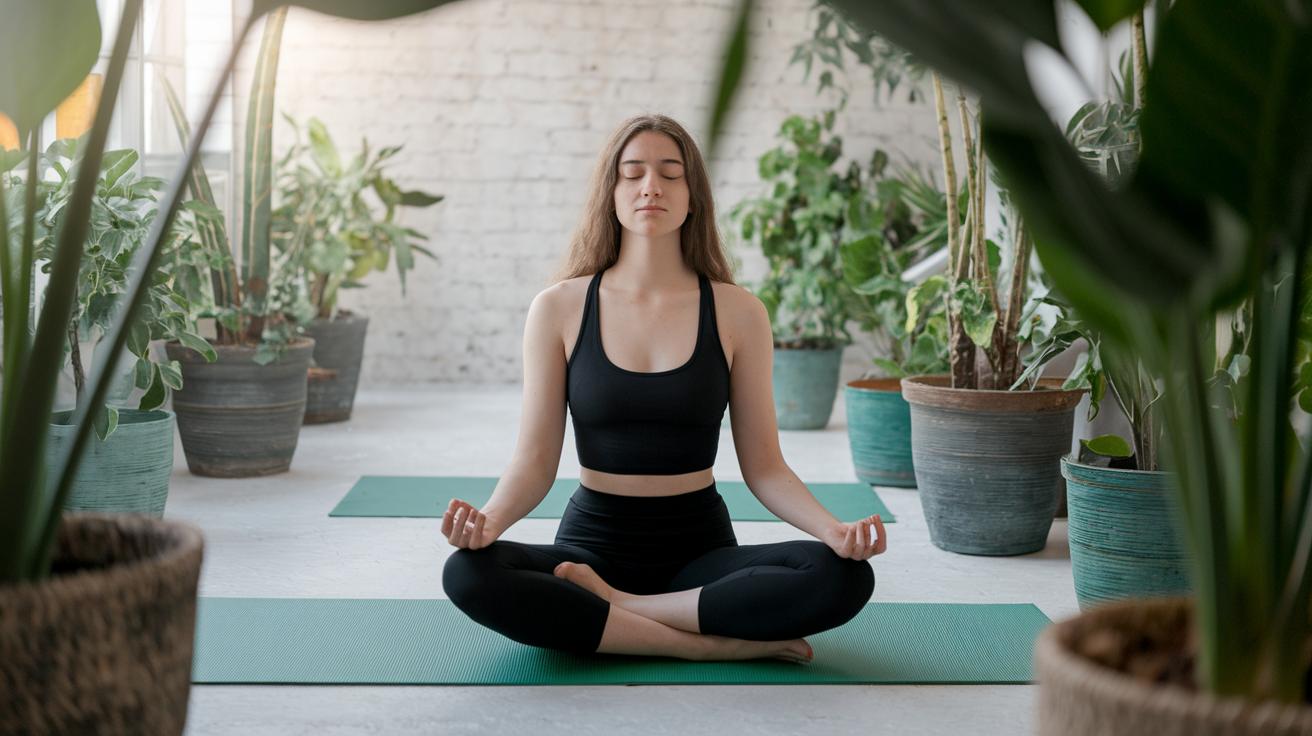
Mindfulness meditation is simply about noticing what is happening right now. It helps you feel calm and focused when you pay attention on purpose. This guided script gives you a clear path to relax your mind and body.
The session begins by inviting you to get comfortable while preparing your mind for the journey ahead. Next, you gently scan your body, noticing each part and letting go of any tension you feel. Then, you use simple breathing prompts to help you focus on your inhales and exhales, keeping you grounded. After that, you let your thoughts come and go naturally, observing them without judging yourself. Finally, you slowly return to being aware of your surroundings. This calming experience usually lasts about 10 to 20 minutes, making it perfect for those newer to meditation.
Below is a quick reference to help you remember each part:
| Segment | Description |
|---|---|
| Introduction | Get comfortable and calm your mind |
| Body Scan | Gently focus on each part of your body |
| Breath Focus | Let your breathing guide you |
| Open Awareness | Notice thoughts and feelings without judging |
| Closing | Return slowly to your surroundings |
Writing a Body Scan Mindfulness Meditation Script

A body scan meditation script gently helps you notice tension in your body and relax each part one at a time. It makes it easy to connect with how your body feels and calm both your mind and body. By slowly shifting your focus, you can ease discomfort and lower stress as you go along.
When you write this script, keep your pace relaxed and your tone gentle for each area you mention. Speak slowly and kindly so that listeners can truly feel each part unwind as they focus on it. Remember, a natural and unhurried flow lets each part of the body get the attention it needs.
- Feet
- Legs
- Hips
- Torso
- Arms
- Shoulders and Neck
- Head
Plan to spend about 30 to 60 seconds on each region. If someone feels rushed, the calming benefits can fade away. Adjust the length and speed of your script to match your audience’s comfort. Think of it like taking a gentle walk, giving plenty of time to notice every step. With a bit of practice, you can strike the perfect balance that helps everyone feel relaxed and connected from head to toe.
Developing a Mindful Breathing Meditation Script

Breath is a strong tool that keeps you in the here and now. When you pay close attention to each deep inhale and gentle exhale, your mind calms down and brings you back to the present. This simple focus helps lower stress and fills you with a feeling of calm.
Use a soft tone and slow pace so listeners can truly notice every breath. Say clear phrases like "breathe in" and "breathe out" to guide each breath cycle. This steady rhythm creates a peaceful space where relaxation happens naturally.
You might try a few ideas to deepen the experience:
| Technique | Description |
|---|---|
| Counting Breaths | Count each breath to anchor your focus. |
| Labeling Breaths | State “in” with each inhale and “out” with each exhale. |
| Box Breathing | Follow a “1-2-3-4” count method to create a balanced rhythm. |
| Extended Exhales | Let your out-breath be longer to enhance your sense of release. |
Aim for a script that lasts between 5 and 10 minutes. This length is just right to keep your focus steady without feeling rushed, so every mindful breath guides you deeper into calm and presence.
Mindfulness Meditation Scripts for Sleep

When it comes to sleep scripts, the approach is gentle and slow. Instead of giving you a burst of energy like daytime sessions do, these scripts use soft pauses and calm words to help your mind and body settle into sleep.
Progressive Muscle Relaxation
Let’s guide you slowly through your body. You might say, "Tighten your toes just for a moment, then let them relax fully." By focusing on one muscle group at a time, you let go of tension and prepare your body for rest.
Calming Imagery
Now, take a moment to picture a peaceful place in your mind, a quiet beach, perhaps a soft forest path. Imagine saying, "See yourself by a calm lake, where gentle ripples soothe your thoughts." These mental images ease your stress and bring you closer to a restful state.
Silent Pauses and Whispered Closing
End your session with longer pauses and soft, whispered reminders like, "Now, just lie back and let yourself drift." Follow that with a quiet pause. The silence helps nudge you gently into a deep, relaxing sleep.
Mindfulness Meditation Script to Ease Anxiety

When you sit down to create your mindfulness meditation script, think of it as talking to a dear friend who’s feeling uneasy. Use a kind and gentle voice so that your words feel like a warm hug, making it easy for anxious minds to relax. Invite your listeners to simply notice their feelings without judging themselves, as if you're saying, "It's okay to feel what you feel."
Stick with simple and caring language. You could say, "Notice your thoughts without judgment" or "Imagine your worries gently floating away," to help remind your listeners that it's alright to let go of tension. When your words encourage them to return their focus to the breath, you're giving them a nudge to stay in the safe space of the present moment.
Keep your script short and clear; try to make it last about 8–12 minutes. A slow, steady pace with gentle pauses lets each kind word sink in, step by step, helping those troubled thoughts settle into a peaceful calm.
Morning Mindfulness Meditation Script Template

Morning sessions set you up for a bright day by clearing away grogginess and lifting your mood. They help you shake off sleepiness, get ready for the busy day ahead, and find a clear sense of calm. A guided meditation in the morning pairs your thoughts with your goals, leaving you both relaxed and full of energy.
Setting an Intention
Start by picking a word or phrase that sums up what you want today. Invite your listeners to keep this intention in mind. For instance, you could say, "Today, my focus is peace." This little moment of focus gives your day a clear, positive direction.
Gratitude Reflection
Next, ask your listeners to think of one thing they're truly grateful for. You might say, "Take a moment to remember one blessing you feel thankful for this morning." This simple reflection helps build a warm and appreciative mindset that can brighten your whole day.
Energizing Breathwork
Then, lead them through some active breathwork. For example, you could instruct, "Breathe in slowly for 3 seconds, and then exhale smoothly for 3 seconds." This brisk yet gentle breathing exercise fills you with energy while keeping a calm pace to stay mindful.
Aim for a session that lasts between 5 and 15 minutes. After the meditation, consider adding a follow-up like journaling your thoughts or taking a short walk to keep that positive spirit going.
Final Words
In the action, this guide brings you a simple mindfulness meditation script that covers practical tips for better living. It walks you through a basic template and shows how to design body scan, mindful breathing, sleep-focused, anxiety-easing, and morning scripts.
Each section offers step-by-step ideas to help you work at your own pace. Embrace the gentle guidance in this mindfulness meditation script and keep moving forward with renewed energy and calm.
FAQ
What is a mindfulness meditation script template?
A mindfulness meditation script template offers a full guide with segments like settling in, body scan, breath focus, and closing, helping listeners practice present-moment awareness without judgment.
What role does a body scan meditation script serve?
A body scan meditation script guides attention through each body part step by step. It helps release physical tension and brings focus to the sensations felt in each region.
How can a mindful breathing script support meditation?
A mindful breathing script anchors focus on the breath using cues like “inhale” and “exhale” along with techniques such as counting or box breathing to keep the mind steady.
What makes a sleep-focused mindfulness meditation script different?
A sleep-focused script uses slower pacing, muscle relaxation, and calming imagery to help ease tension and encourage drowsiness, offering a gentle transition into sleep.
How does a mindfulness meditation script help ease anxiety?
A mindfulness meditation script for anxiety uses calming language and reassurance to gently guide the mind towards letting go of tension and refocusing on the breath or body sensations.
What key elements are included in a morning mindfulness meditation script template?
A morning script includes setting a daily intention, reflecting on gratitude, and energizing breathwork to support a clear, positive start to the day.