Ever feel like you're running so fast you can barely catch your breath? Sometimes stress feels like a burst of energy, but too much can leave you completely tired. Your body might send little signals like a quick heartbeat or a sudden wave of tiredness, gently telling you it needs a break.
In this article, we talk about how to notice these signs of stress and burnout. We'll share simple, everyday ways to ease that tension and slow down the weariness so you can bring a bit more calm into your routine.
Sometimes, a few deep breaths can do wonders. Have you ever felt that relief after a slow, mindful moment? Let's explore some easy tips to help keep you feeling steady and more at peace every day.
Stress and Burnout: Definitions, Differences, and Key Concepts

Stress is our body's way of reacting when challenges pop up, like tight deadlines, exams, or lots of work. When stress comes, you might feel a burst of energy, your heart speeds up, and your senses become sharper. Imagine racing against time on a school assignment, your body gets ready just like a runner feels that cool rush of wind on their face.
Burnout is a different kind of struggle. It sneaks up slowly, building over time until you feel constantly exhausted both physically and mentally. Think of it as a long marathon that wears you down; even a quick walk might start to feel overwhelming. You might hear someone say, "After months of nonstop effort, even a brisk walk feels like climbing a mountain." That feeling shows how burnout drains your energy and motivation.
While a bit of stress can boost your focus and performance for a short time, ongoing stress without breaks can lead to burnout. You may begin to feel emotionally numb and disconnected from activities you used to enjoy. This shift, from a burst of stressful energy to a deep, lingering tiredness, is what really sets burnout apart.
Remember, not all stress is harmful. Occasional stress can push you to take on challenges head-on. But burnout, with its persistent emptiness and overwhelm, signals that it's time to step back and recharge.
Stress and burnout: Embrace Calm and Balance
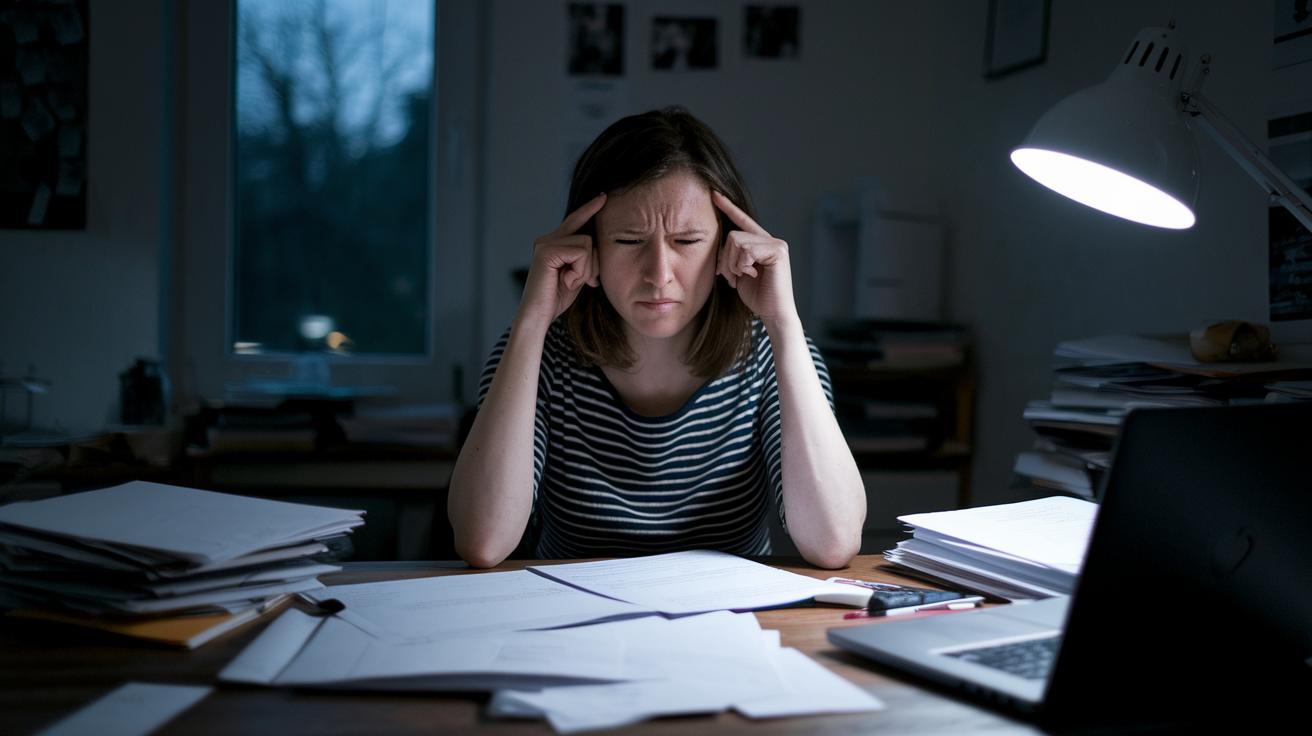
When little signs of stress start to pile up, it's good to stop and ask yourself, "Am I feeling overwhelmed?" Your body can give gentle hints, like a quickened heartbeat during a simple task, that it needs a breather. Keeping track of these signals, maybe by jotting them down, can guide you to take the right steps for self-care.
Here are some common stress signals to watch for:
- Rapid heartbeat – like when you feel your pulse quickening on a busy day.
- Irritability – snapping at small things that normally wouldn’t bother you.
- Sleep troubles – tossing and turning when you should be resting.
- Difficulty focusing – missing details at work or in everyday tasks.
- Muscle tension – tightness in your shoulders or neck.
- Sudden fatigue – feeling unexpectedly drained of energy.
- Anxiety – persistent feelings of worry creeping in.
Over time, these stress signals might turn into burnout. Keep an eye out for these signs as well:
- Constant exhaustion – an unyielding tiredness that just won’t fade.
- Feeling detached – like you’re drifting away from your goals.
- Low motivation – even daily tasks feel like a heavy burden.
- A negative outlook – seeing everyday activities in a gloomy light.
- Reduced efficiency – noticing your productivity slowly slipping.
- Withdrawing from others – pulling back from social interactions.
- Hopelessness – a bleak view of what the future holds.
- Decreased joy – familiar routines start to lose their spark.
Noticing these cues can be a real game-changer. It helps you slow down, care for yourself, and find balance, even on the busiest days.
Underlying Causes and Risk Factors of Stress and Burnout

Stress comes in many different forms. It might come from having too much work, family tasks, money troubles, or health issues. When you face too many pressures without a break, your natural ways to cope get overworked. Imagine trying to carry a heavy load every day. Over time, that constant strain can really wear you out. Busy jobs often mean long hours or unpredictable shifts, making it hard to unwind even after work. Think of a nurse on a never-ending call for help; by the end of the day, they might feel completely drained.
Burnout builds slowly from all this stress. It can sneak up on you when you’re always on the go. Some common signs include:
| Risk Factor | Description |
|---|---|
| Demanding Work | Feeling overwhelmed by constant pressure in your job |
| Long Hours and Sleep Loss | Being tired because of too many work hours |
| Workplace Anxiety | Feeling on edge or very tense at work |
| Isolation or Feeling Undervalued | Feeling alone or not appreciated |
| Caregiving Pressure | Managing too many personal responsibilities at home |
Busy careers combined with home pressures add up fast. School tasks, demanding jobs, and a work-life imbalance can make anyone feel overwhelmed. Recognizing where the tension comes from is the first step to finding a better balance and feeling whole again.
Effective Strategies and Techniques to Manage Stress and Burnout

Taking breaks during the day is a great way to feel refreshed. A quick walk or a calm moment with a cup of tea can help clear your head. Regular pauses often make it easier to regain focus and ease tension, giving you a little reset amid busy moments.
Staying active every day does wonders for managing stress. Whether it’s a brisk walk, gentle yoga, or some simple stretching, moving your body can help your mind relax. Many folks find that joining an exercise class or even trying a few swimming lessons boosts their mood and energy. And if you need a bit more help, personal training or mental health support can offer steps tailored just for you.
Eating a balanced diet goes hand in hand with keeping active. Try filling your plate with fruits, vegetables, whole grains, and lean proteins. Think of meal planning as creating a colorful picture, where every bite gives you energy and helps keep your mind clear and focused.
When work piles up, setting clear boundaries can really help. Sometimes it’s okay to say no to extra tasks or work messages during your personal time. This simple self-care step is all about protecting your downtime, so you have plenty of space to relax and recharge.
Taking a moment for mindfulness can make a huge difference when your mind is racing. Simple practices like meditation, deep breathing, or even a few moments of quiet reflection can calm your thoughts. Using a symptom tracker app can also be a handy way to keep an eye on your stress levels. These mindful practices help create a balanced routine and keep burnout at bay.
Preventing Stress and Burnout: Proactive and Organizational Approaches

Your workplace plays a big role in keeping stress low and stopping burnout in its tracks. Clear leave policies and manageable workloads help you take the breaks you need and keep a good balance between work and life. Many companies even set rules so employees can truly disconnect after work. For instance, a boss might say, "We know your free time is important, enjoy your afternoon break without any extra duties."
Workplace wellness programs can also make a real difference. A lot of companies offer perks like discounted gym memberships, special wellness discounts, or flexible benefits that make it easier for you to stay active and feel supported. Imagine a workplace that organizes a short exercise class every week, giving you a chance to shake off some pressure during a busy day.
You can also protect yourself from stress with some simple personal strategies. Here are a few helpful ideas:
- Make a simple checklist to note the times when your workload feels too heavy.
- Plan your day or week with built-in breaks.
- Write down one thing you can do each day to relax, like taking a short walk or doing a few minutes of deep breathing.
All these workplace initiatives combined with your personal habits create a strong plan for balancing your professional life. When smart company policies work together with daily routines, stress is less likely to build up, helping you feel calm and balanced every day.
When and How to Seek Professional Support for Stress and Burnout

If you feel tired all the time, disconnected, or like your motivation is gone, it might be time to get some help. Sometimes a quick break just isn’t enough. Our bodies and minds sometimes need a closer look from a caring expert. You can start by using simple tools like questionnaires or scales that check for signs of deep burnout. For instance, a mental health pro might say, "If your energy stays low for several weeks, it's a good idea to talk to someone to see if you're burning out."
Modern clinics have caring consultants who use easy assessments to understand what you’re really feeling. Nurses and psychologists might use a checklist to see how much emotional strain you're under. And when your own efforts feel like they’re falling short, chatting with trustworthy family or friends can also add support. Taking that step to get professional help can really make a difference in finding calm and balance.
Final Words
In the action, we tackled the essentials of stress and burnout. We defined them clearly, spotted signs to watch for, and looked at what fuels these feelings. We also shared practical tips to keep stress in check and avoid burnout, from simple self-care steps to setting healthy boundaries, plus guidance on when to seek help.
Remember, small shifts in everyday habits can ease stress and burnout. Stay positive, and keep taking care of yourself.
FAQ
How to recover from burnout?
Recovering from burnout means addressing fatigue through regular breaks, self-care routines, and sometimes professional guidance. It involves gradually rebuilding energy by adjusting workloads and incorporating stress relief techniques into your day.
What are burnout symptoms?
Burnout symptoms include constant physical and mental exhaustion, a loss of motivation, and feelings of detachment from work or daily life. Recognizing these early signs helps you start making positive lifestyle changes.
How does burnout differ from depression?
Burnout differs from depression by centering on work-related stress that drains energy over time, while depression affects overall mood and daily enjoyment. Both require specific care, but they stem from different underlying factors.
What physical symptoms indicate burnout?
Physical symptoms of burnout might involve chronic fatigue, frequent headaches, muscle tension, and disrupted sleep. Identifying these signals allows you to adjust your routine and seek support for improved wellbeing.
How do stress and burnout differ?
Stress and burnout differ in scope and progression. Stress typically brings bursts of energy and focus during challenges, while burnout develops gradually, leading to deep, persistent exhaustion and reduced performance over time.
What causes burnout?
Burnout is often triggered by long-term work pressure, feeling undervalued, overwhelming tasks, and inadequate rest. Recognizing these factors can prompt adjustments in habits and environment to support better health.
How do stress and burnout interact in the workplace?
In the workplace, stress and burnout can emerge when high demands, long hours, and unclear expectations persist. Creating clear boundaries and offering support systems helps lower the risk of both stress and burnout.
How does stress lead to burnout?
Stress leads to burnout when prolonged pressure overwhelms your system, gradually draining your energy and focus. Without sufficient recovery, ongoing stress builds into a deeper state of emotional and physical depletion.
What does stress burnout feel like?
Stress burnout feels like a constant, heavy fatigue that blurs mental clarity and diminishes enthusiasm. It can present as irritability, disconnection from tasks, and an overwhelming sense of being physically and emotionally drained.
What are the five stages of burnout?
The five stages of burnout begin with stress buildup, followed by chronic tension, progressing to emotional exhaustion, then withdrawal, and culminating in significantly reduced performance and detachment from personal and work life.