Have you ever thought that a few little needles could turn a tough day around? Acupuncture is a natural way to ease tension and lift your spirits. Many folks deal with restless nights and small aches that just won’t go away. This gentle treatment works with your body’s natural balance to help you feel calmer and more at ease. Today, we’re chatting about how acupuncture can help reduce stress and brighten your day using simple, caring methods that invite your body to relax and find its own calm.
How Acupuncture Provides Effective Stress Management
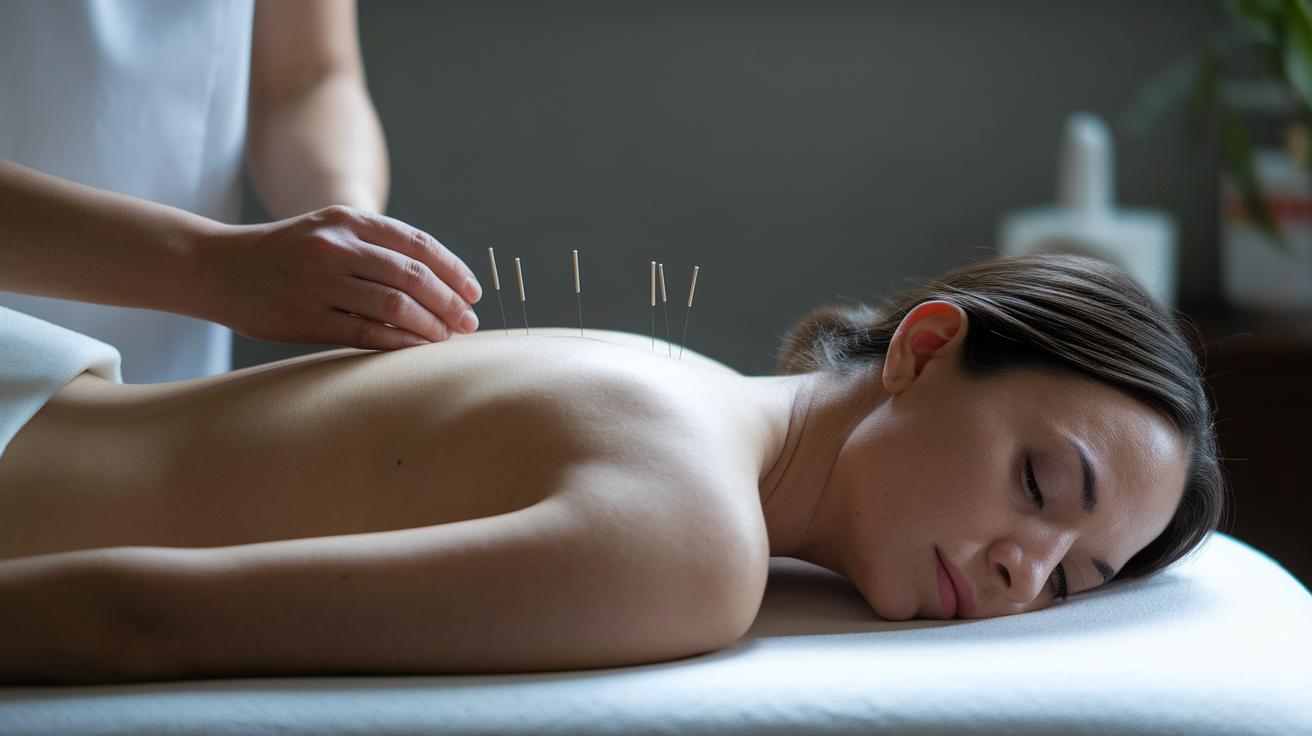
Acupuncture has been around for a very long time in Chinese medicine. It can help ease stress and boost overall well-being. Instead of using pills, this gentle treatment uses very small needles to encourage your body’s natural flow of energy. Think about it, long before our modern medicines existed, people used careful needle work to fight tension and keep their balance.
Many of us know what stress feels like, sleepless nights, nagging headaches, sore muscles, and constant worry. Acupuncture targets specific points on your body where needles can release built-up tension. The benefits go beyond just easing pain. It also helps bring calm to the mind, leaving you feeling more relaxed and balanced.
With a careful, light touch, the needles invite your body to start healing on its own. This natural approach is a great alternative if you’d prefer to avoid medication. During your first visit, you can expect a friendly chat where your practitioner gets to know your unique stress triggers. They tailor every session to help you feel better both physically and emotionally.
Key Acupuncture Techniques for Managing Stress
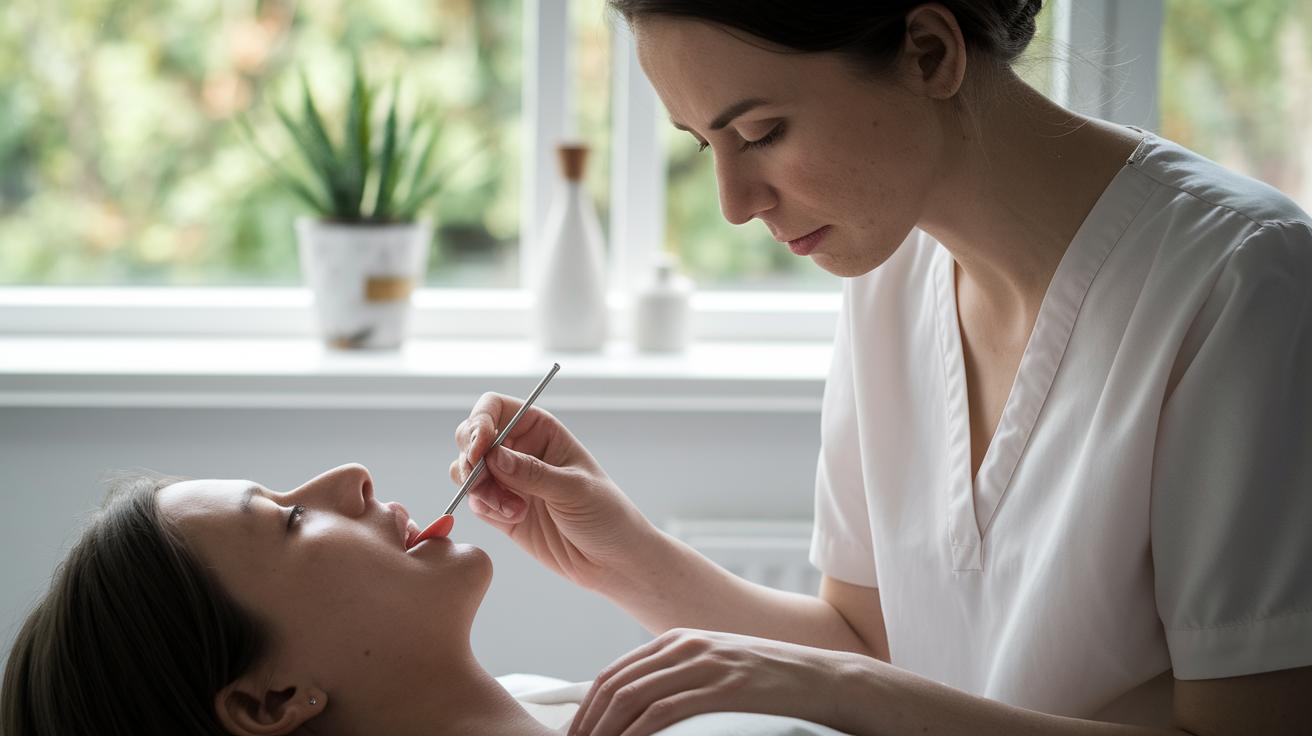
When you first visit, your acupuncturist will ask you a few questions to learn about your stress. It’s like having a chat with a friend about what bothers you most. Many people find that just talking about their busy day can make a surprising difference, even before any needles are used.
Next, your acupuncturist might look at your tongue and feel your pulse. These simple tests help them choose the right spots for the needles. Common points like Shenmen (HT7), Yintang, Zusanli (ST36), and Liver 3 are chosen to help you relax and keep a good balance.
Sometimes the approach is very gentle. Other times, techniques like mild electric pulses or focused needling at tight spots help ease tension, such as a stubborn headache. Each technique is applied slowly and with care to spark your body’s own healing power.
By combining a friendly chat with a plan made just for you, stress-relief acupuncture can ease everyday pressures. This natural method offers a soothing way to calm both your body and mind using time-tested practices.
Scientific Evidence Supporting Acupuncture Stress Alleviation

Recent studies from 2020 to 2022 show that acupuncture can help lower stress by reducing cortisol, a hormone that increases when you're stressed. In one study from July 29, 2020, participants felt about 30% less anxiety after six weekly treatments. It's like the body learns to relax and handle stress better.
Smaller trials have noticed that acupuncture may also help with pain, migraines, and trouble sleeping. Many people reported a friendlier night's sleep and less muscle tightness after a few treatments, which hints that acupuncture can ease stress and bring extra relief for other common issues.
Licensed, board-certified doctors are taking this research into account. They often mix old school acupuncture with modern health checks to plan sessions that care for both your body and your feelings. One patient said, "After a few sessions, I felt lighter and calmer, like the tension was slowly melting away." That kind of feedback really brings the benefits to life.
Modern acupuncture research backs up the age-old wisdom of traditional Chinese medicine. It shows that keeping energy flowing well in the body can help you feel better overall. These solid, research-based results suggest that acupuncture is a promising non-drug way to tackle stress and anxiety.
What to Expect in an Acupuncture Stress Management Session

Your journey starts with a warm, friendly chat about your health. A licensed professional will ask about your daily habits and what stresses you out. They might even take a quick look at your tongue and feel your pulse to get a clear picture of your well-being. This conversation sets the stage for a treatment plan made just for you.
During your session, expect about 8 to 12 small needles to be gently placed at specific points on your body. They stay in place for around 20 to 30 minutes, much like the fresh feel of a cool breeze on a warm day. It’s a calming experience that helps ease your stress.
Typically, these sessions happen once or twice a week for 4 to 6 weeks. After that, monthly visits help maintain the balance in your body. At each appointment, you'll have a chance to share how you’re feeling, and your treatment may be adjusted to better suit your needs.
Throughout the process, licensed and board-certified professionals use strict safety and cleanliness practices. They always keep an eye on your comfort and well-being, making your care both secure and compassionate.
Integrating Acupuncture with Complementary Stress Therapies
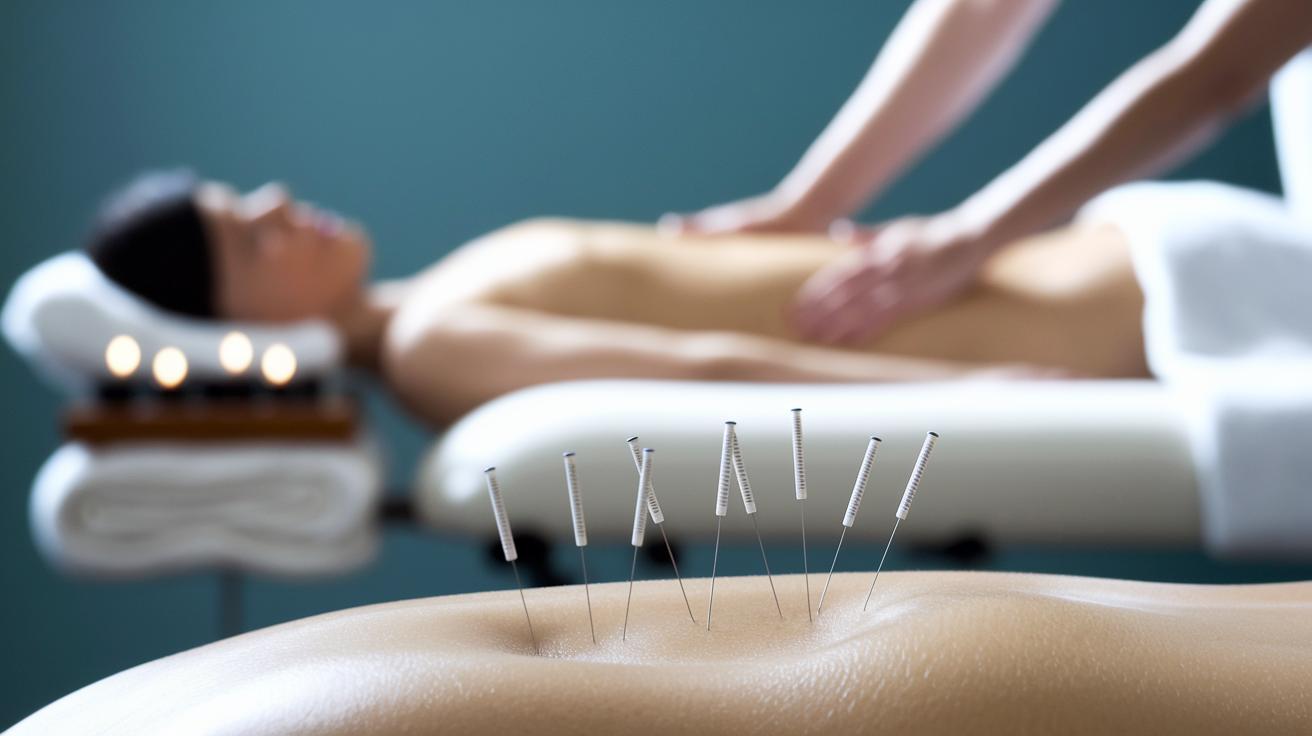
When you mix acupuncture with extra stress-relief therapies, you get a complete approach that helps you relax and feel balanced. Many clinics now include massage, cupping, Gua Sha, and herbal formulas in their treatment plans. One patient mentioned, "After my acupuncture session, the gentle massage felt like a warm hug that eased my tension completely." It’s like having a friendly team all working together to keep your energy balanced.
Some centers also add Ayurvedic therapy to the mix by using herbs that support energy balance and help you handle stress. Think of it like tuning a piano, each small adjustment works to create a smoother, more harmonious sound. One client said, "I could almost hear my worries softening away" after her session. Can you imagine that calming change?
Here are some modalities that often complement acupuncture:
- Massage therapy to ease muscle tension
- Cupping to relax tight areas
- Gua Sha for smoother blood flow
- Herbal formulas to boost overall well-being
Bringing these treatments together can boost your mood and ease discomfort. This blend encourages deeper relaxation, helping your body and mind feel lighter as they work together to relieve stress.
Acupuncture Stress Management Brightens Your Day
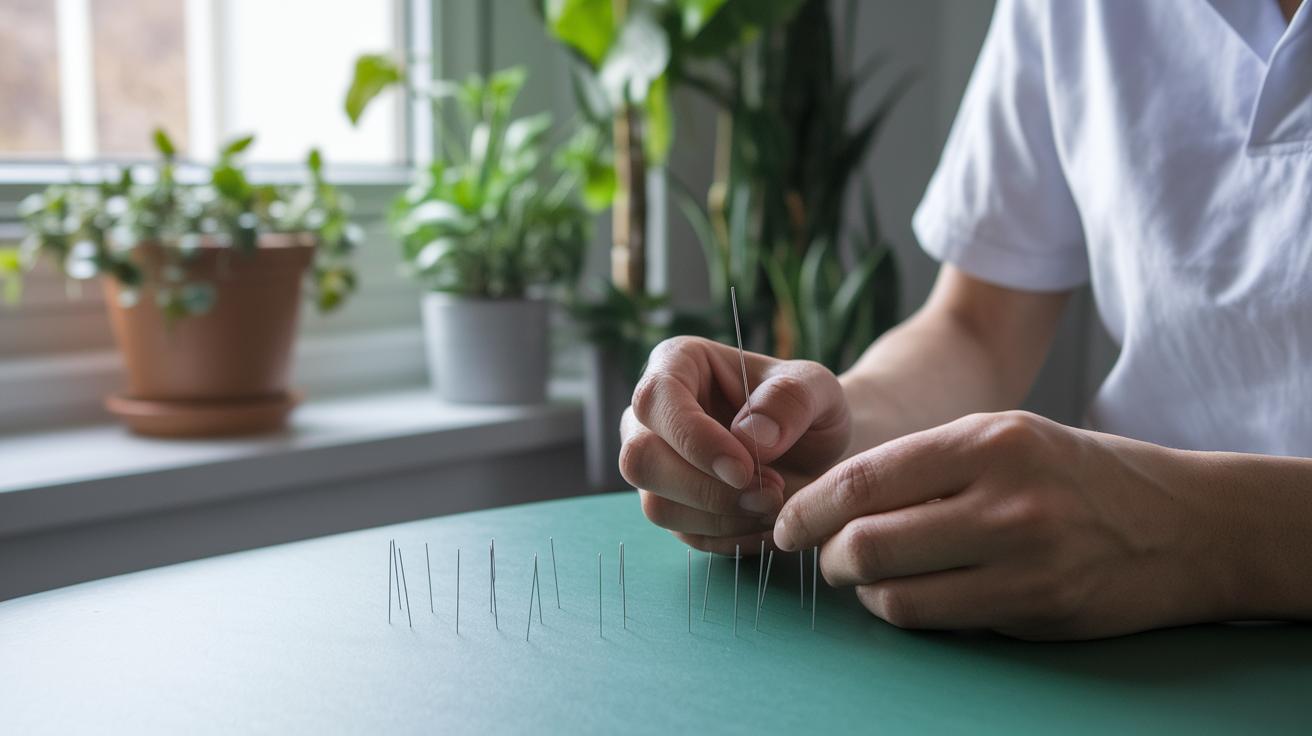
When you’re searching for someone to ease your stress with acupuncture, look for a professional who is licensed. A great choice is someone certified by the National Certification Commission for Acupuncture and Oriental Medicine. This means they’re board-certified and skilled at easing stress, anxiety, and pain using safe methods. You can even ask, "Do you have NCCAOM certification?" Knowing this can really boost your confidence in their care.
Before you book an appointment, check on the new-patient process and ask about payment options since many clinics take insurance. It helps to use a simple checklist, like:
- Certification details
- Specialization in stress management
- Safe needle practices
A well-planned session can bring a sense of calm and genuine reassurance. For example, you might reach out to Healthy Life Center – Coconut Point at 239-468-0050 to schedule your visit. Taking a few moments to verify credentials and discuss payment plans is a smart way to manage stress while feeling truly cared for.
Final Words
In the action, we explored how acupuncture offers a fresh way to manage stress. We covered needle techniques that ease tension, looked at clinical studies backing these benefits, and shared what a typical session feels like. You got a peek into how combining acupuncture with other therapies can boost your calm even more. Plus, tips on finding certified practitioners round out the advice. This article shows that acupuncture stress management can be a valuable tool to support your well-being. Enjoy taking small steps toward better living!
FAQ
How does acupuncture help with stress?
Acupuncture helps with stress by reducing cortisol levels and restoring the body’s energy flow, which eases muscle tension, improves sleep, and lowers anxiety for a calming effect.
What are common acupuncture stress relief points?
Common acupuncture points used for stress relief include Shenmen (HT7), Yintang, Zusanli (ST36), and Liver 3; these spots help ease tension and promote a sense of calm.
What disadvantages and long-term side effects can acupuncture have?
Acupuncture is generally safe, though it may cause minor bruising, temporary soreness, or light bleeding; serious side effects are rare when performed by a well-trained practitioner.
How can I find acupuncture treatment for stress near me?
You can find nearby acupuncture treatment by checking local clinic listings, asking for referrals, and verifying practitioners’ credentials and insurance compatibility to suit your stress relief needs.
Can acupuncture help with both stress and depression?
Acupuncture can support stress and depression management by easing physical tension and calming the mind, often complementing other therapies for a well-rounded approach to mental well-being.
Is massage or acupuncture better for stress relief?
Acupuncture addresses stress by balancing energy flow and reducing biochemical stress markers, while massage relaxes tight muscles; many people benefit from using both as part of a comprehensive stress relief plan.