Have you ever thought about switching up your workout routine when you're expecting? It might seem a little scary, but simple moves like a gentle walk or some light stretching can make a big difference.
Many moms worry that even a bit of exercise might be too much. Yet, research tells us that these easy, low-impact activities help keep your muscles strong, improve your posture, and ease everyday aches, all while keeping you and your baby safe. In this post, we share how doctor-approved routines can help you feel vibrant and full of life during this special time.
Physician-Approved Pregnancy Exercise Routines Overview
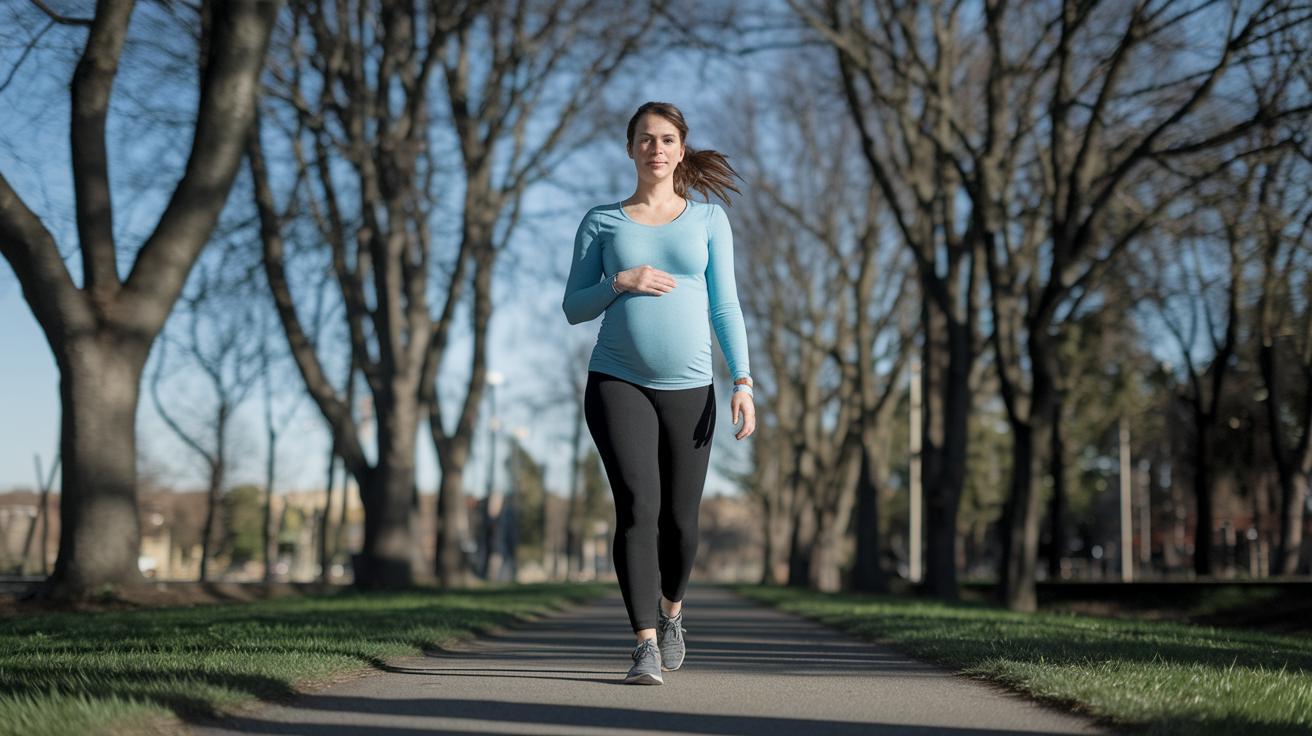
When you're expecting, you might look for gentle exercises that help keep you healthy and safe. Health experts say that low-impact activities like walking or light stretching can boost your muscle strength, improve your posture, and even help your blood flow better for both you and your baby. Always check with your doctor before starting any new workout plan. Your doctor might suggest a quick health exam to make sure the exercises fit your needs.
These routines are made to be gentle but effective. Simple moves like a brisk walk, light cardio, or easy strength training can keep your muscles toned and help ease common discomforts like back pain or heartburn. It might seem risky to exercise during pregnancy, but studies show that simple, low-key exercises can keep you active without pushing too hard. Doctors also recommend adding stretches and balance moves, as they help your body adjust to all the changes. Imagine taking a 15-minute walk and feeling the refreshing stretch of fresh air , it's a little boost for both your body and your mind.
Staying active can also help you sleep better and lift your mood. Health professionals see these benefits as important parts of a well-rounded approach to pregnancy wellness. Remember to ease into your routine gradually so that both you and your baby enjoy all the rewards of a gentle and effective exercise plan.
Trimester-Specific Pregnancy Exercise Routines Planning
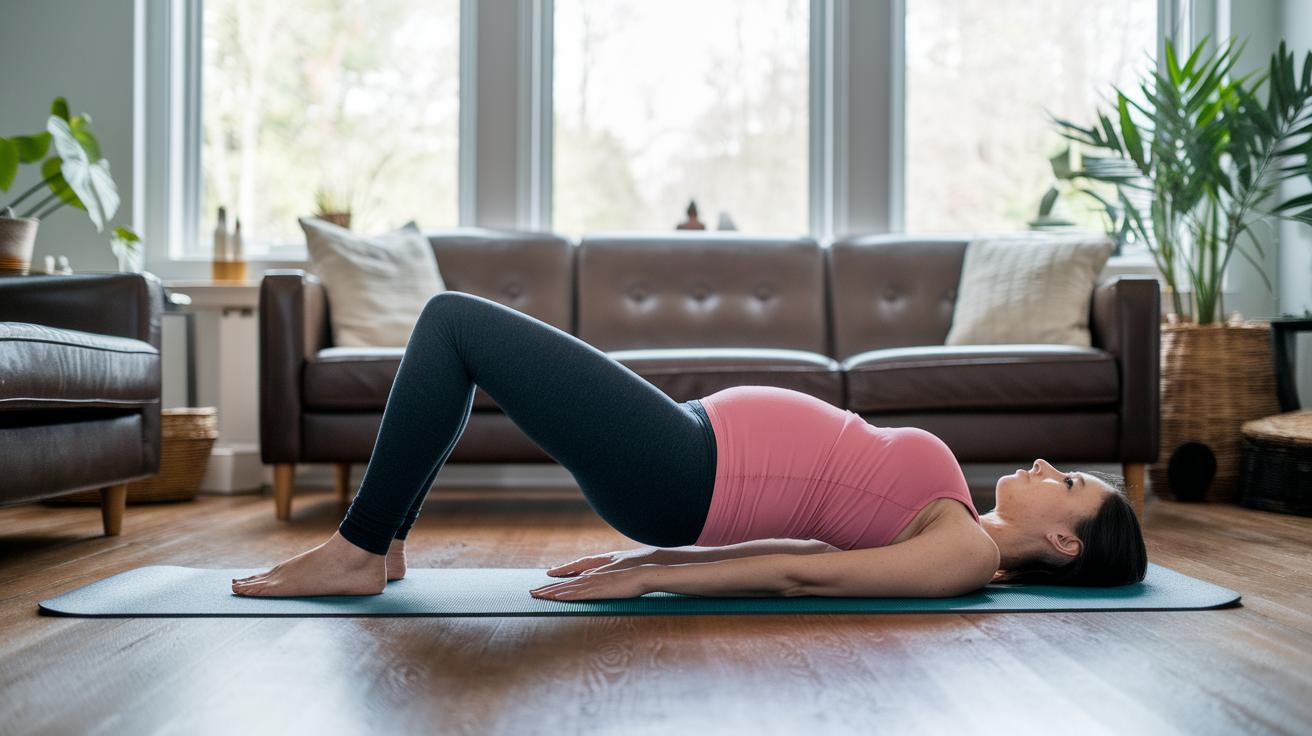
In your first trimester, it's best to stick with gentle exercises that help build strength and stability. Try doing pelvic-floor bridges along with Kegels to support your core and lower muscles. It’s like slowly tuning your body's support system while you keep moving with safe, low-impact cardio like walking or a light session on the stationary bike. Even a smooth, rhythmic bridge can feel incredibly reassuring, reminding you that every little move matters.
As you move into your second trimester, you can build on this strong foundation. Continue with your Kegels to maintain pelvic strength and add lunges to help stabilize your legs. Give the bird-dog exercise a try, too. Imagine extending your opposite arm and leg in a slow, controlled stretch that keeps your balance secure. Keep your cardio gentle and always check in with your healthcare provider to make sure everything feels right for you.
By the time you reach your third trimester, it's essential to modify your routine to avoid strain and support healthy blood flow. Avoid exercises where you lie on your back, as this can press on your large vein. Instead, try doing pelvic-floor work while sitting or standing, gentle calf raises, or a side-plank with your knee on the ground to keep your core supported without discomfort. Opt for low-impact cardio like a relaxing 20-minute walk or even swimming, making sure you stay well-hydrated and listen to your body’s signals.
| Trimester | Key Exercises | Cardio Options | Modifications |
|---|---|---|---|
| First Trimester | Pelvic-floor bridges + Kegels, hamstring curls on a stability ball, core moves | Walking, stationary bike | Start slow, gentle routines, monitor comfort |
| Second Trimester | Kegels, lunges, bird-dog for balance | Low-impact approved cardio | Adjust intensity, seek doctor’s approval |
| Third Trimester | Standing/sitting pelvic-floor work, calf raises, side-plank with knee down | 20-minute walks, swimming | Avoid supine positions, monitor hydration and exertion |
Key Prenatal Exercise Types in Pregnancy Routines
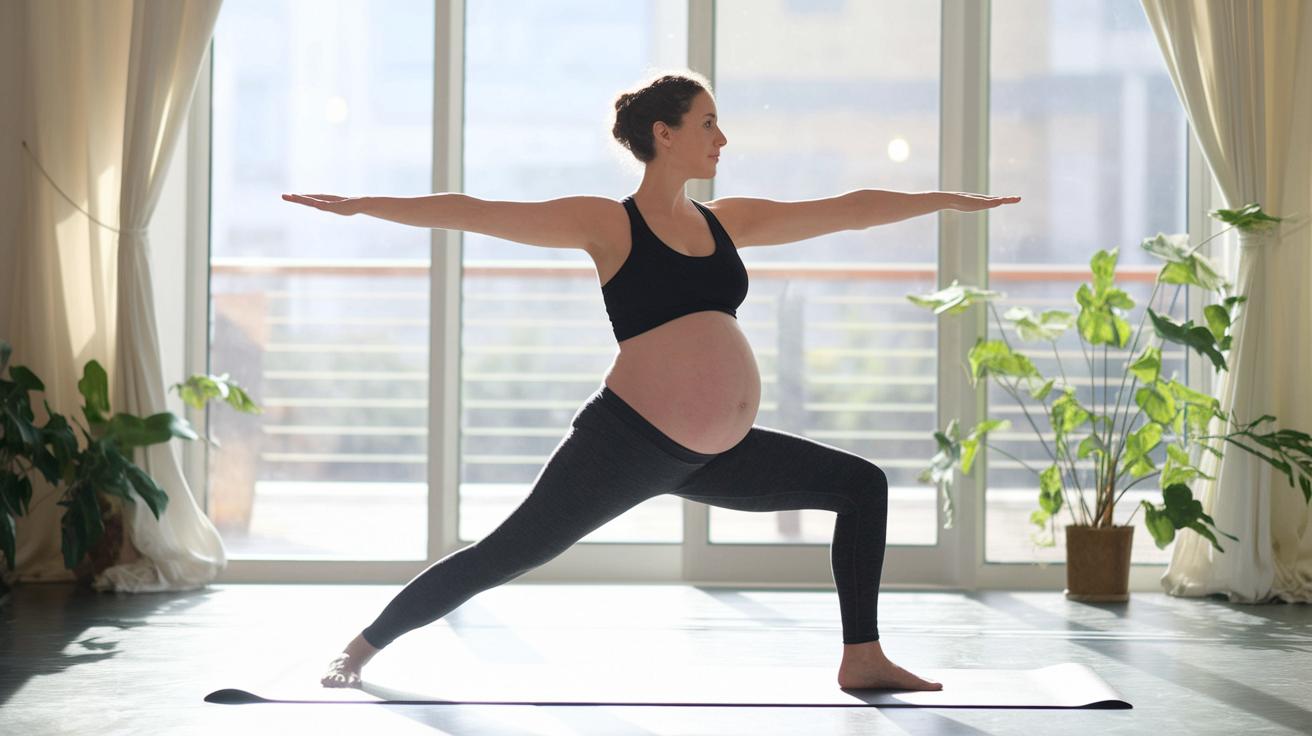
Imagine starting your day with a gentle move that embraces your chest. Warrior pose is a great way to do just that. It opens up your chest and helps ease heartburn, which many expectant moms experience. Picture yourself standing tall and stretching your arms wide. This simple gesture not only calms reflux but also reminds you of the strength in your body.
Next, give the mermaid stretch a try. This graceful move focuses on your tummy muscles to support your midsection. Think of it as a smooth dance that both stretches and strengthens your core, creating a safe space for your growing bump.
For those looking to boost balance and strengthen the hips, plié squats, also known as sumo squats, are a perfect choice. As you shift your center of gravity, these squats help keep you stable with every step. It's like grounding yourself with each mindful dip.
Another helpful exercise is the dumbbell curl-and-press, using weights no heavier than 2.5 kg. This move mixes a bit of strength training for your arms with a gentle approach, readying you for the little one on the way. Pair it with seated lateral raises to keep your shoulders aligned even as your body changes.
Standing pelvic tilts, especially after the fourth month, are great for easing back pain by strengthening your lower core. Open-seated twists add a gentle rotation to engage your core and help settle gas discomfort. And remember, simple Kegels can be done anytime to discreetly support your pelvic floor with each contraction.
Safe Modifications and Precautions for Pregnancy Exercise Routines

When planning your pregnancy workouts, focus on changes that help keep you safe. After your first trimester, avoid lying on your back since it may put pressure on important veins. Here are some simple tips to remember:
- Stick to hand weights of 2.5 kg or less during your second trimester.
- Start your workout with a 5-minute warm-up. For instance, try gentle marching in place or easy arm swings to slowly get your heart pumping.
- End your session with about 5 minutes of cool-down stretches, like simple side stretches that help your muscles relax.
- Avoid exercises that put too much strain on your body, such as contact sports, high-impact jumps, deep twists, or heavy lifting.
- Keep an eye on your hydration and check your heart rate, especially if you start feeling too warm or tired.
- As always, listen to your body and talk with your healthcare provider before making any changes to your routine.
At-Home Pregnancy Workout Ideas for Effective Exercise Routines
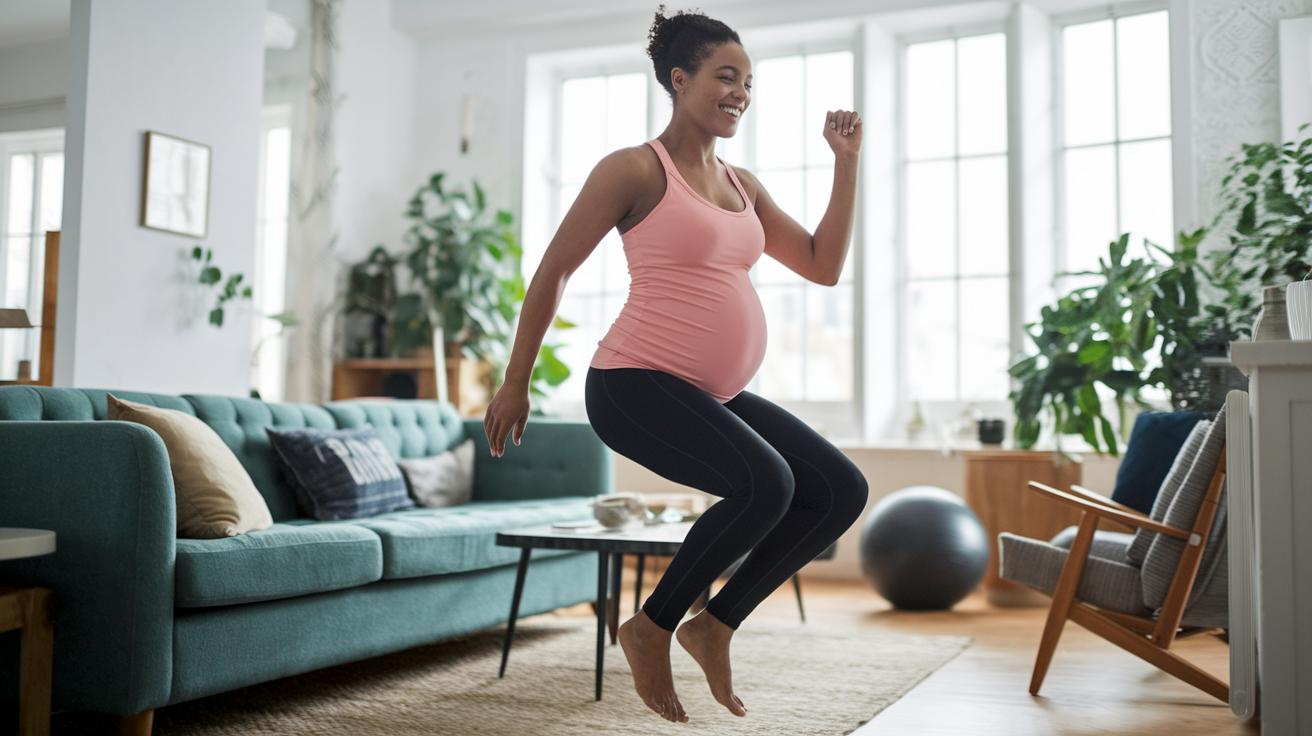
Working out at home while you're pregnant can be both fun and manageable. Try a simple 15-minute session using just your body weight. Start with easy moves like marching in place or gentle jumping jacks to lift your heart rate gradually. You get the boost you need without pushing yourself too hard, all while caring for your growing body.
On days when you're up for a bit more, try a 30-minute full-body routine. This session is made to help ease extra discomfort, such as sciatic pain or SPD (which can sometimes feel like extra pressure). It includes careful moves that mix strength and stretch. You might also use a stability ball here to help work your core, arms, and legs while keeping you steady.
Many moms also enjoy a prenatal yoga series that mixes birthing-ball exercises with calming stretches and deep breathing. It’s a great way to relax tight muscles and become more flexible. Plus, some helpful PDF guides come with daily checklists covering warm-up, core work, cardio, stretching, pelvic-floor exercises, and cool-down steps.
Using basic home gear like resistance bands, a stability ball, and light dumbbells makes these workouts affordable and easy to adjust.
- Warm-up
- Core workout
- Cardio
- Stretching
- Pelvic-floor exercises
- Cool-down
Also, consider using a pregnancy tracker. It helps you keep tabs on your workout routine, your hydration, and your baby’s progress, so you can feel confident and balanced every day.
Benefits and Expert Tips for Sustainable Pregnancy Exercise Routines

Recent studies show that gentle, low-intensity strength exercises can help build your core and even ease tiredness while you’re pregnant. One mom mentioned that adding soft neck and pelvic exercises made her feel more connected to her body and helped lower her daily stress.
Try out specific methods like using a light resistance band for pelvic floor work or doing seated balance moves to ease lower back strain. A fitness coach explained that these targeted routines have helped many moms feel less discomfort and move more easily as their pregnancy progresses.
Always listen to your body and adjust your routine as your pregnancy changes. And remember, it’s important to talk with your healthcare provider and keep up with good hydration and balanced meals while exploring these safe prenatal exercises.
| Technique | Potential Benefit |
|---|---|
| Mindful resistance training | Boosts core strength and cuts down on fatigue |
| Pelvic floor exercises with bands | Strengthens important pelvic muscles |
| Seated balance workouts | Helps ease lower back pressure |
Final Words
In the action, reducing back pain and easing discomfort came through each section. We explored safe, trimester-specific exercise routines that work with your body while keeping the little one in mind. The guide shared practical workout ideas and stress management tips tied to balanced nutrition and mindful movement. Remember, exercise routines for pregnancy can boost strength and mood while supporting overall well-being. Keep embracing a healthy lifestyle and stay positive as you build habits that nurture both mind and body.
FAQ
What exercises are safe in the first trimester of pregnancy?
First trimester exercises focus on gentle moves like pelvic-floor bridges, Kegels, and light cardio such as walking or using a stationary bike. Always talk with your doctor before starting any new exercise routine.
How can I find exercise routines for pregnancy in a PDF format?
Many health websites provide downloadable PDF guides that explain doctor-approved routines for each trimester, including warm-up, strength moves, and cool-down stretches to help keep you active and safe.
How do exercise routines change week by week during pregnancy?
Week by week, routines may shift to match your body’s needs. Early exercises focus on core strength and pelvic floors, while later weeks adapt to lessen strain and improve comfort during daily activities.
What are recommended exercises in the third trimester of pregnancy?
In the third trimester, exercises avoid lying on your back. Recommended moves include standing pelvic work, calf raises, and gentle side-planks, along with moderate walks or swimming, all performed with doctor approval.
Is maintaining a daily exercise routine beneficial during pregnancy?
A daily routine can help build muscle strength, support posture, and boost energy. Combining gentle cardio, core work, and stretching under doctor-approved plans can enhance your overall well-being.
When should a pregnant woman start exercising?
Many doctors advise beginning exercise during the first trimester, if cleared by your provider. Starting early helps maintain strength and adjust to the physical changes that come with pregnancy.
Is walking 30 minutes a day enough exercise while pregnant?
Walking for 30 minutes offers steady, low-impact cardio benefits. For some, it is sufficient, while others might add gentle strength or core training, always following advice from their doctor.
What is the best exercise routine for a pregnant woman?
The best routine blends low-impact cardio, strength moves, and gentle stretching. Doctor-approved exercises such as pelvic-floor work, modified core exercises, and mild resistance training can boost health and comfort.
Which exercises may support getting pregnant?
Moderate cardio and strength training that enhance circulation and reduce stress can be helpful. Focus on overall health improvements, and always consult your doctor for personalized advice.