Have you ever noticed how a few deep, mindful breaths can lift your day? Picture pausing in the middle of your busy routine to feel your steady breath and sense the gentle calm that follows.
This guide helps you find a quiet nook, focus on each simple breath, and enjoy that peaceful moment. Each step offers you a chance to clear your mind and feel balanced.
Give it a try. A little mindful breathing might just brighten your day.
Practice Mindfulness Meditation: A Step-by-Step Guide for Beginners
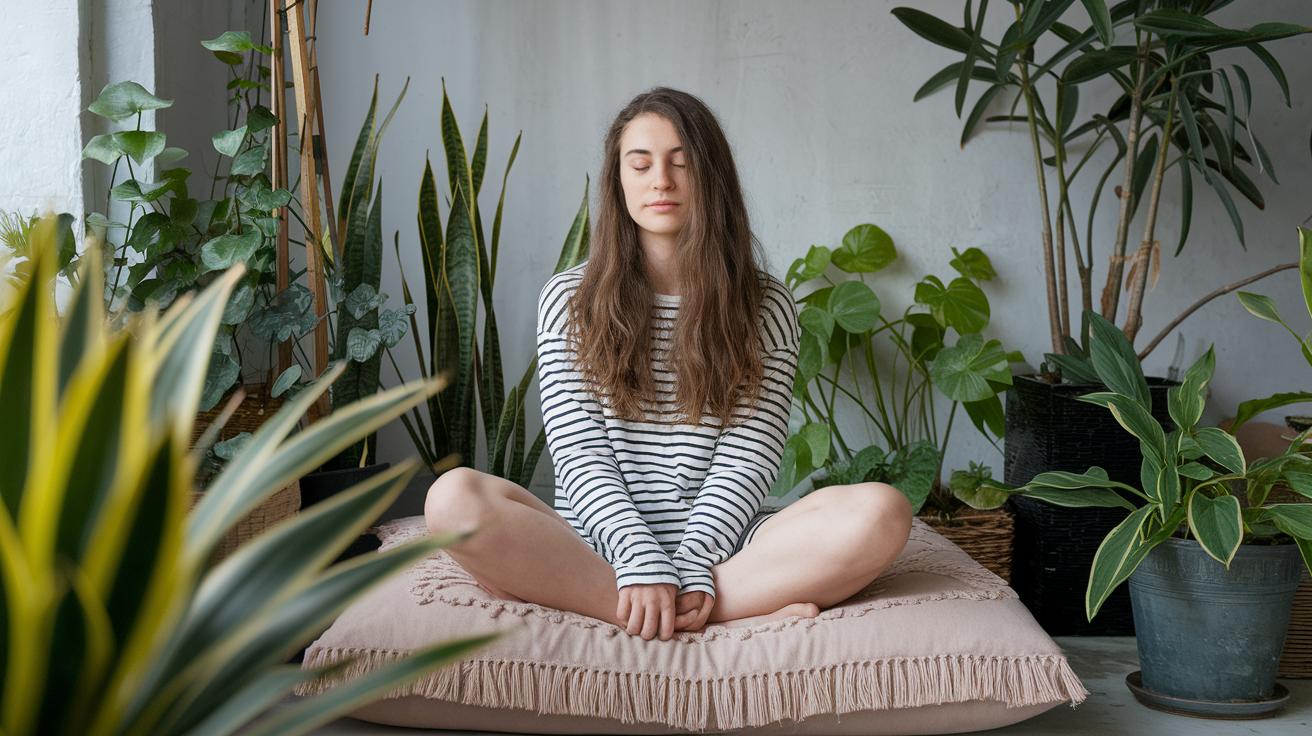
Mindfulness is about really noticing what you're feeling, thinking, and sensing in the moment without judging yourself. Meditation isn't about emptying your mind completely; it’s more like exploring your inner thoughts. Picture yourself taking in the calm rhythm of your breath and the soft warmth of your body. That’s what being mindful feels like.
Find a quiet spot with few distractions and set up a comfy area to sit, maybe your favorite chair or a cozy cushion. Sitting with a steady, relaxed posture gives you a little safe space to be truly present. Think of it as carving out a calm corner in your busy day just for you.
- Pick a quiet place where nothing interrupts you.
- Set a timer for 5 minutes.
- Sit up straight with your shoulders relaxed.
- Gently close your eyes or let them soften.
- Focus on each breath as you breathe in and out.
- If other thoughts pop up, just bring your attention back to your breath.
- When you finish, stretch a bit or move gently, and notice how you feel.
Try to do these steps every day. Even a short session of mindful breathing can leave you feeling a bit calmer and more connected with yourself. Imagine that after just a few minutes of focusing on your breath, you might feel a lightness in your mood. Over time, these little moments add up, helping you become more peaceful and steady throughout your day.
Core Mindfulness Meditation Techniques for Beginners
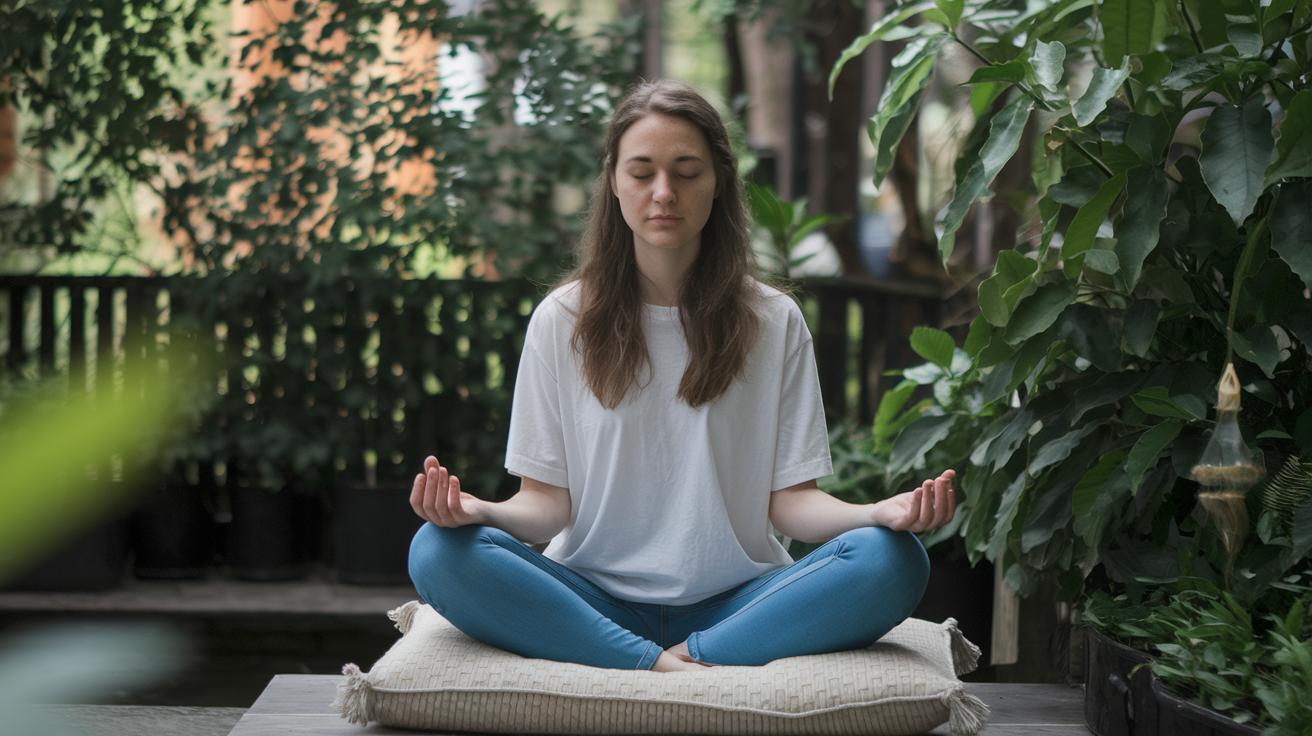
Mindful practice lets you tune into what’s happening inside and notice your feelings. When you focus on your breath, you build a calm mind and grow more aware of yourself. It’s a simple method that invites you to observe your breathing and embrace the sensations in your body.
Start with a five-minute breathing exercise. Find your quiet spot and sit comfortably. Rest your attention on each breath and notice how your chest rises and falls. Whenever a stray thought appears, gently bring your focus back to your breath. Think of it as a soft wave, calming you in and out.
Keep your posture relaxed yet supportive. Sit with your back straight, let your shoulders fall naturally, and place your hands comfortably in your lap. Using a chair or a cushion on the floor can provide extra stability and ease during your practice.
Next, try a three-minute body scan to further boost your self-awareness. Slowly shift your focus from the top of your head down to your toes. Notice any sensations, like a gentle tingling or light pressure. Just observe without trying to change anything. This simple step links your breath work with a clearer feeling of your body’s state.
Building a Consistent Mindfulness Meditation Routine
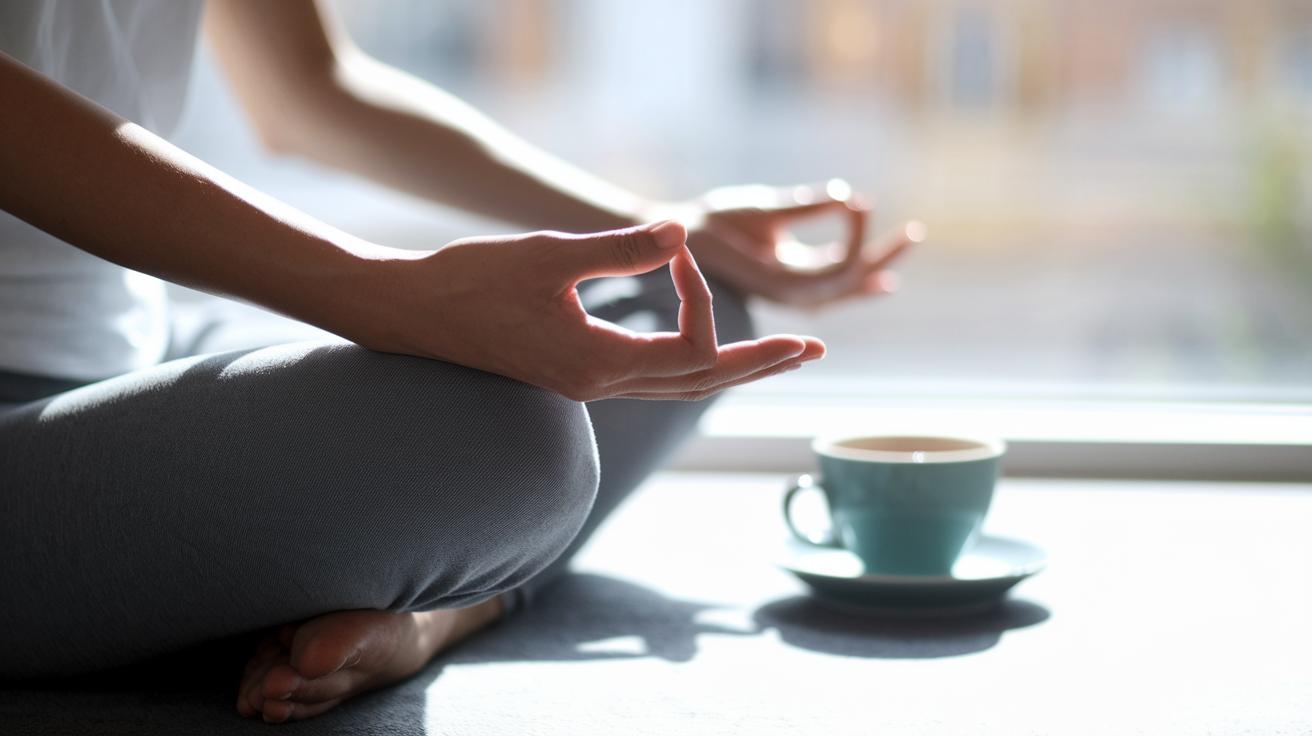
Try setting aside just a few minutes every day to sit quietly and breathe. Even 3–5 minutes can slowly reshape your mind, laying down fresh pathways for calm and focus. Picture yourself beginning the day with a little moment of peace, it kicks off a smoother, more grounded day for you.
You can hook your meditation time to parts of your everyday routine. Maybe have it with your morning coffee or right before you slide into bedtime. Consider jotting down your practice in a journal or using a simple tracking app to help keep you on target. A quick reminder or a marked calendar spot can easily make meditation a natural part of your day.
As you start to feel at ease with these small sessions, try adding just one or two extra minutes each week. Every tiny step deserves a little cheer. Over time, these gradual boosts will deepen your focus and self-awareness while adding a richer sense of calm to your life.
Mindfulness Meditation Variations and Guided Sessions
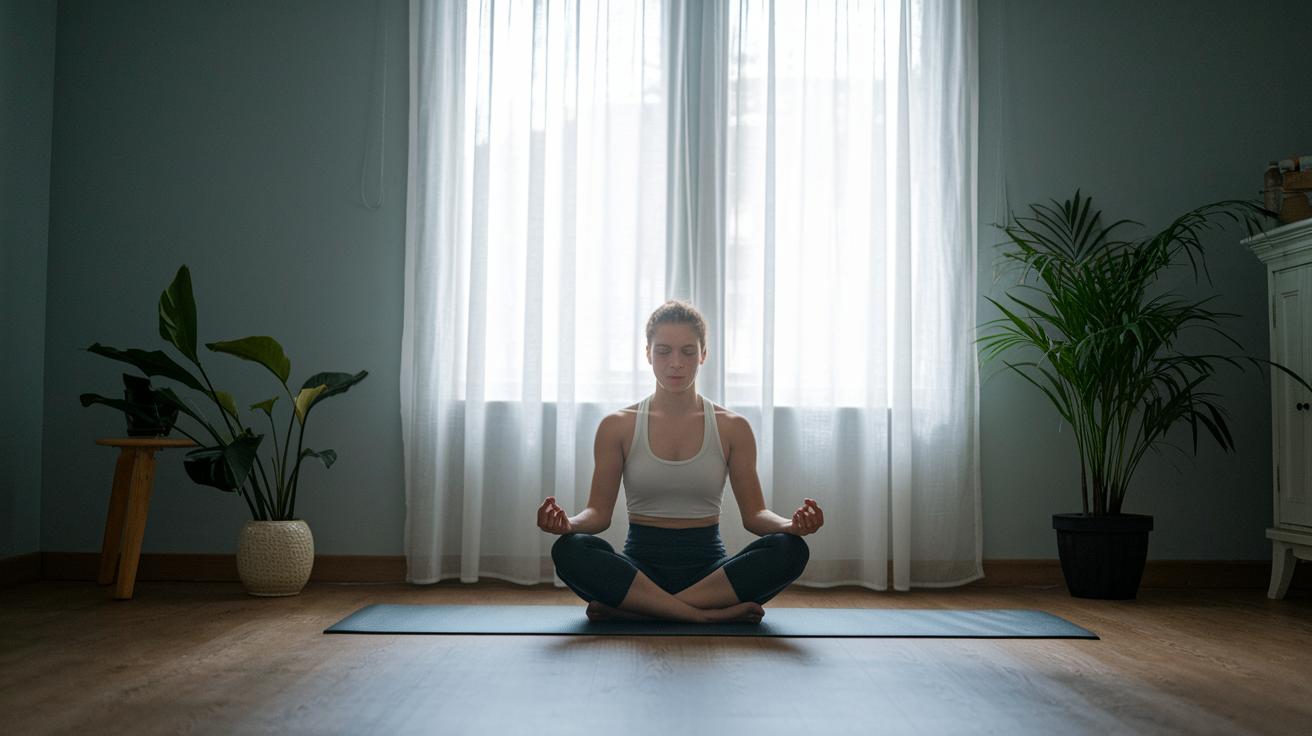
Mindfulness meditation gives you different ways to slow down and tune into your body. Whether you need a quick break or want to connect deeper with your breath and feelings, these sessions offer simple techniques to ease stress and boost focus.
5-Minute Breathing Meditation
Sit comfortably and focus on your breath for five minutes. Let every inhale and exhale be your guide. Imagine each breath like a gentle wave washing away your worries. This short session is perfect for when you need a burst of calm fast.
3-Minute Body Scan Meditation
This practice lets you check in with your body from head to toe. Start at your head and slowly move down through your neck, shoulders, torso, and legs. Notice any sensations as you go without trying to change anything. Think of it as a friendly conversation with yourself about how you feel.
Extended Awareness of Breath (≈11 minutes)
Take a longer pause with an 11-minute session focused on your breathing. Settle in and feel every small shift in your breath, almost like a quiet whisper. If your mind wanders, gently steer it back to noticing how the air moves in and out. Think of this as a deeper dive into the simple rhythm of your breath.
Loving-Kindness (Compassion) Meditation
In this guided practice, repeat kind phrases to yourself like "May I be at peace." Then, slowly extend those wishes to the people around you. Lasting from 10 to 20 minutes, this meditation helps build a warm and gentle mindset. It's a way to nurture care both for yourself and for others.
Try out each session to see which one fits your mood best and supports your journey toward feeling balanced and calm.
Troubleshooting Mindfulness Meditation Challenges
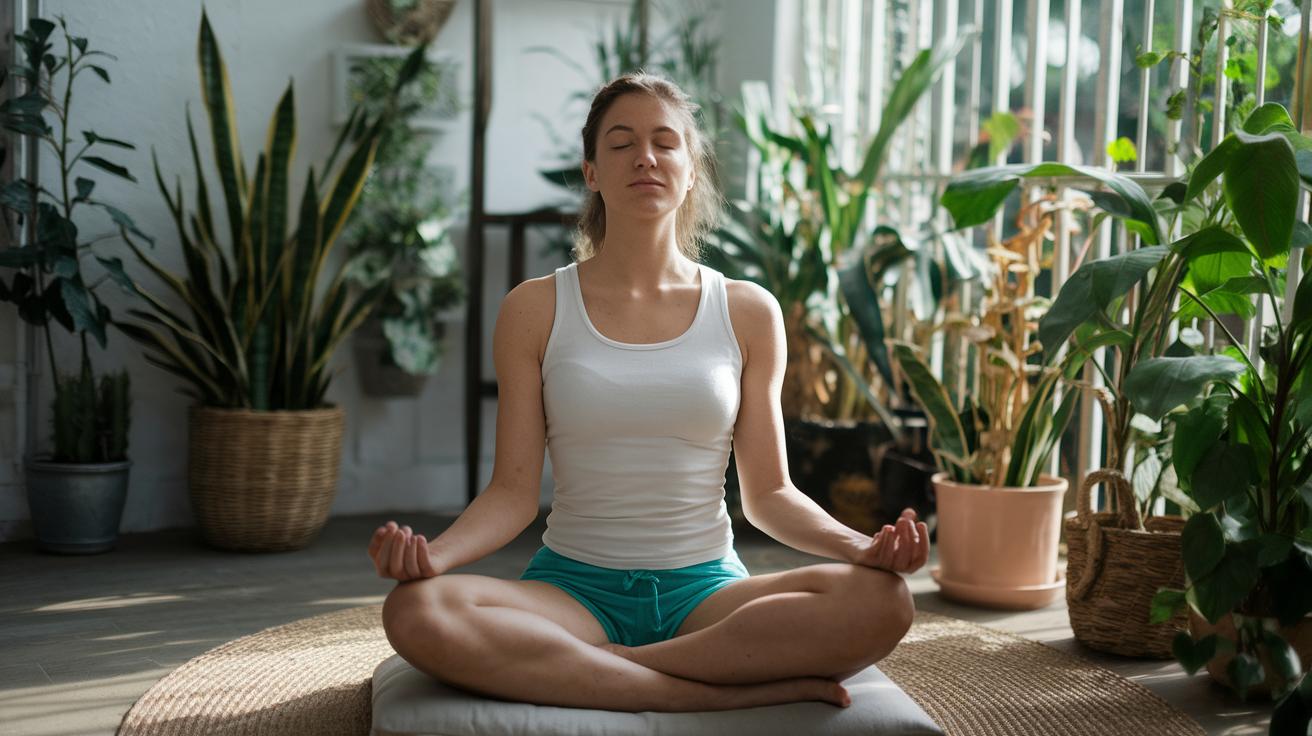
When your mind starts wandering during meditation, just notice those thoughts without any fuss. Think of them like passing clouds and gently bring your attention back to your breathing. It's all about being kind to yourself when your focus drifts.
If you feel any tightness or restlessness, try changing your posture a bit. Use a cushion or a backrest to feel more comfortable, or even stand up and stretch a little. A few gentle stretches can help ease the tension in your shoulders and back, making your practice feel more relaxed.
If you find that your schedule is too packed for a long session, it's totally okay to have short sessions of one to three minutes. A quick mindful break during work or between activities can do wonders. These mini pauses help reduce stress and keep you centered, even on busy days.
Benefits and Progress Tracking in Mindfulness Meditation
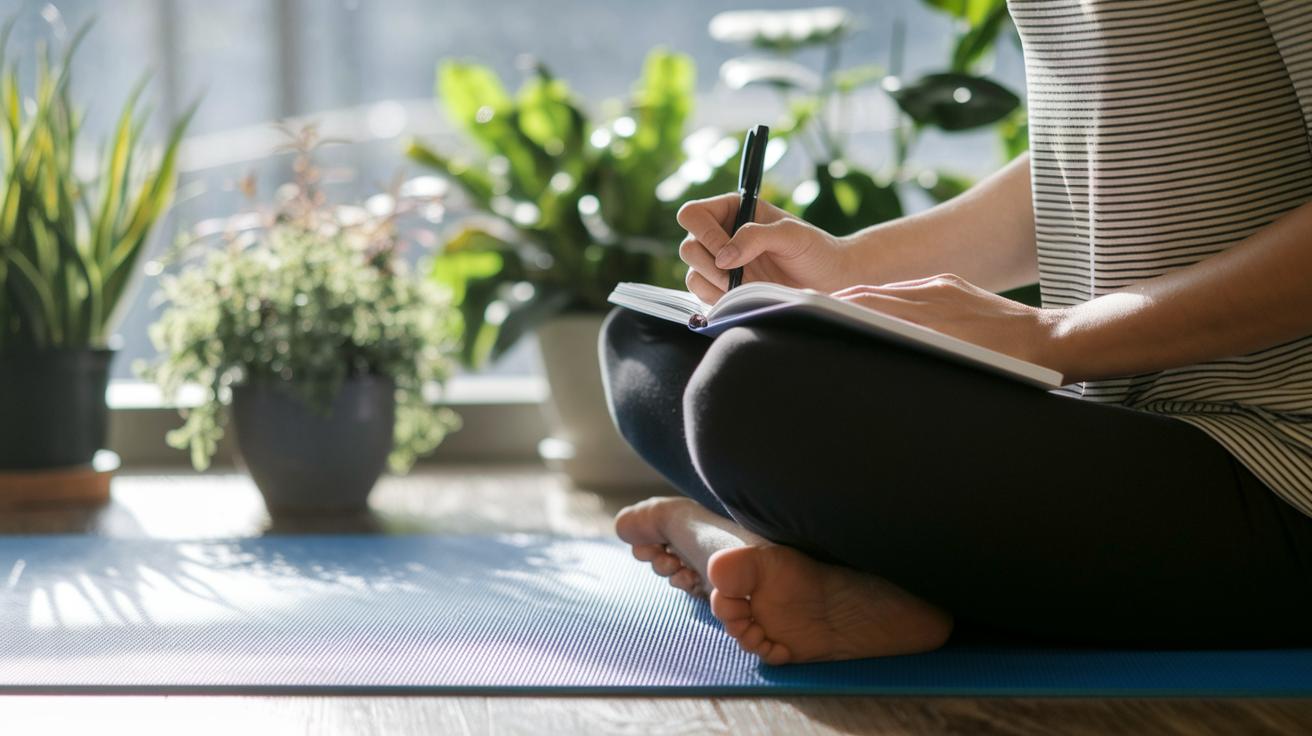
Adding mindfulness to your daily routine can really brighten your day. Many folks find they feel less stressed, think more clearly, and even sleep better. Simple techniques, like nasal breathing, can help your brain work more smoothly. Keeping a journal or mood tracker lets you see these changes over time.
Tracking your progress not only helps you celebrate small wins but also guides you in adjusting your routine as your needs change.
| Benefit | Impact | Suggested Practice Duration |
|---|---|---|
| Stress reduction | Lower cortisol levels | 5 min daily |
| Improved focus | Greater attention span | 10 min daily |
| Emotional regulation | Steadier mood | 15 min 3×/week |
| Better sleep | Faster sleep onset | 20 min evening |
Take a moment each month to review your notes. You might spot trends like steadier moods or sharper focus that encourage you to maintain or tweak your practice. Regular updates remind you that even small, steady efforts can bring big benefits for your overall well-being.
Additional Mindfulness Meditation Resources and Tools
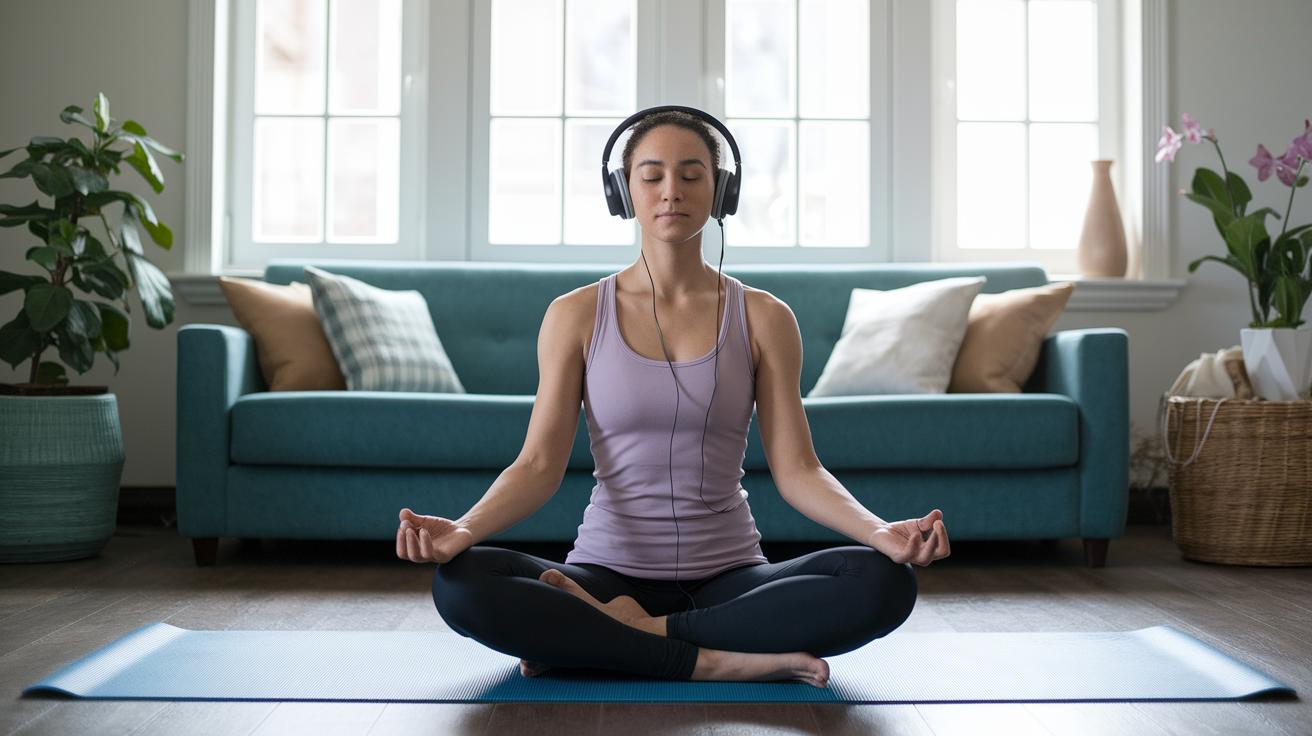
Many of us who practice mindfulness meditation find that a little extra structure can really boost our self-guided sessions. Supplementary resources help by offering new ideas and clear guidance as you build your routine. Simple audio tracks, easy-to-follow handbooks, and clear manuals all add extra clarity and a spark of inspiration. Even exercise worksheets or a curated reading list can deepen your understanding and fit nicely into your daily practice. They act like friendly guides, building your confidence as your meditation journey grows each day.
Audio-Guided Sessions
Think about using audio-guided sessions. These can be short recordings, 12-minute meditation podcasts, or even video lessons that capture your attention. Adding one of these to your routine makes meditation easier to practice wherever you are. Try playing a track during a quiet moment to reconnect with your breath.
Workshops and Training Programs
Sometimes, joining a live workshop, an online mini-course, or a group session can be really helpful. These experiences offer practical techniques, quick tips, and the chance to meditate with others who care about better living. It feels like having a friend there to guide you step by step.
Recommended Apps and Books
Consider checking out beginner-friendly apps that offer reminders and guided practices when you need a nudge. Books and simple handbooks can break down different meditation methods into clear steps. These tools are great for anyone looking to expand their practice and make meditation a natural part of everyday life.
Final Words
In the action, you explored simple steps for easing into mindfulness practice. You tried quick breathing exercises, aligned your body for comfort, and used mini-sessions to overcome common obstacles. You even discovered ways to track progress and find extra support through additional resources.
This mindfulness meditation guide gives you clear, everyday instructions, setting the stage for a relaxed practice that brings real balance and well-being. Enjoy your practice and feel the positive changes each day.
FAQ
What is mindfulness meditation for beginners?
Mindfulness meditation for beginners emphasizes cultivating present-moment awareness of thoughts, sensations, and emotions. It involves simple practices like focusing on the breath in a quiet, comfortable space.
What mindfulness exercises should beginners try?
Mindfulness exercises for beginners include observing the breath, gently scanning the body, and noticing sensations. These exercises help build awareness and calm the mind during daily practice.
Where can I find free guided meditation, including YouTube recommendations?
Free guided meditation options can be found on YouTube and various meditation apps. These resources often offer short breathing exercises and structured sessions that support a quick, accessible practice.
What is a 10-minute mindful meditation and how is it practiced?
A 10-minute mindful meditation focuses on using a short, dedicated period to pay attention to the breath and sensations. This practice offers a quick way to center the mind and reduce stress.
What are the 5 basics of mindfulness practice?
The 5 basics of mindfulness practice include noticing your breath, observing sensations, acknowledging thoughts and emotions without judgment, gently refocusing, and maintaining a nonjudgmental attitude throughout.
How can mindfulness help with anxiety?
Mindfulness helps manage anxiety by encouraging present-moment focus, reducing overwhelming thoughts, and promoting calmness. It supports a balanced approach to navigating emotional ups and downs.
Are there PDF resources available for mindfulness exercises?
PDF resources for mindfulness exercises provide clear, step-by-step guides to practice techniques at home. They serve as supportive tools that structure and build your daily mindfulness routine.