Do you ever wonder if the food label on your snack is really good for you? Every package has little details written in numbers and symbols that show the limits on fats, sodium, and sugars. These clues can help you make choices that keep your heart safe. Food companies must follow strict rules before a product can carry a healthy label. Here, we'll break down what those labels mean so you can shop with confidence and boost your well-being today.
Defining Healthy Food Label Criteria and Standards
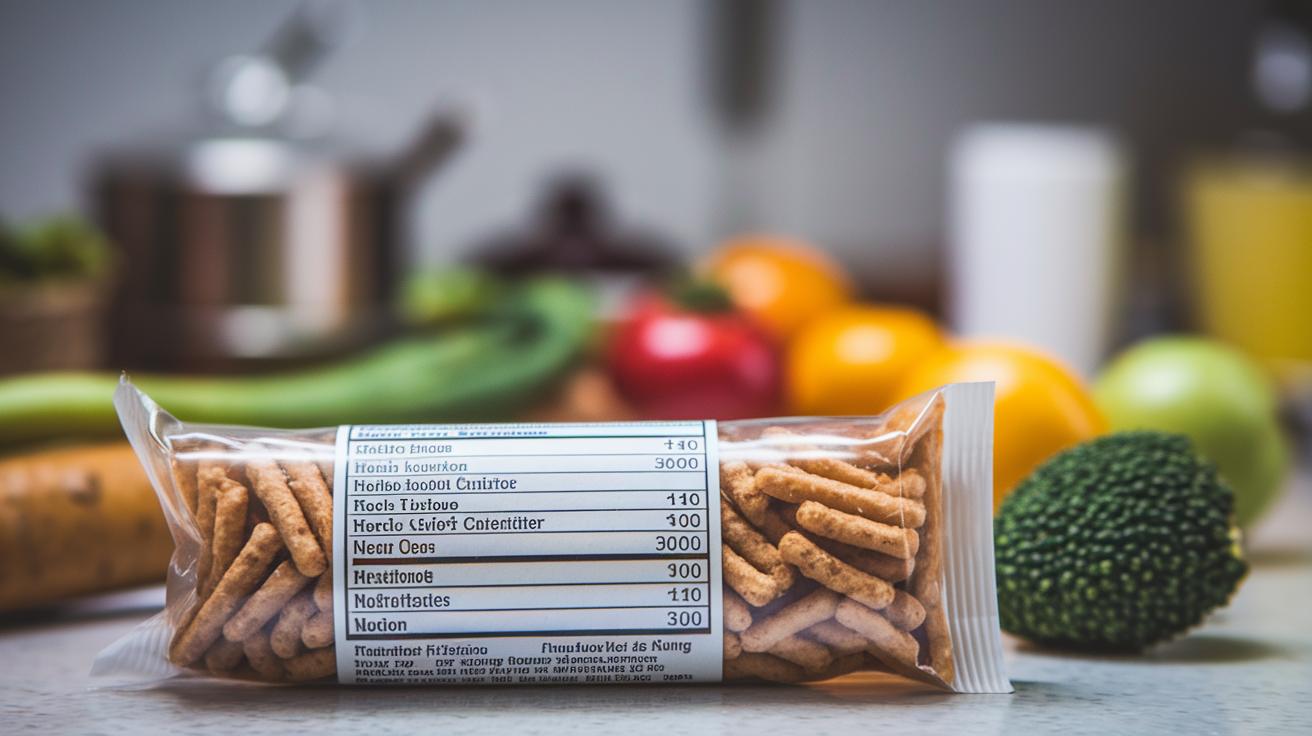
When you look at a food label, it's more than just a pretty design. It tells you that the food meets certain rules for being healthy. These rules set limits on things like fat, salt, and sugar. For example, if you see "Heart Healthy" on a package, that means the food has passed tests to help take care of your heart. Here's a simple tip: always check the ingredients list because the first ingredient is the one used the most. That little detail can really guide your shopping.
Before a label can be called healthy, experts check many details. If you notice an FDA approved symbol, it means the product has been carefully tested. The nutrition facts and the dietary information panel work together to give a full picture of what’s inside. Even if some words seem tricky at first, the panel shows calories, fats, sodium, sugars, and even vitamins and minerals in a clear way so you can spot if something seems off.
Key points to look for are:
| What to Check | Why It Matters |
|---|---|
| Limits on total fat and saturated fat | Too much fat can be hard on your health |
| Controlled sodium levels | Helps you avoid too much salt |
| Set limits on sugars | Reduces hidden calories |
| Clear serving size information | Makes it easier to understand your portion |
These guidelines bring transparency to food labels and help stop misleading claims on the front of the package. Big, bold words might catch your eye, but the real story about nutrition is in the fine print on the back. This clear mix of symbols and detailed information helps you understand what it really means to eat healthily.
Decoding Nutrition Facts Panels on Food Labels
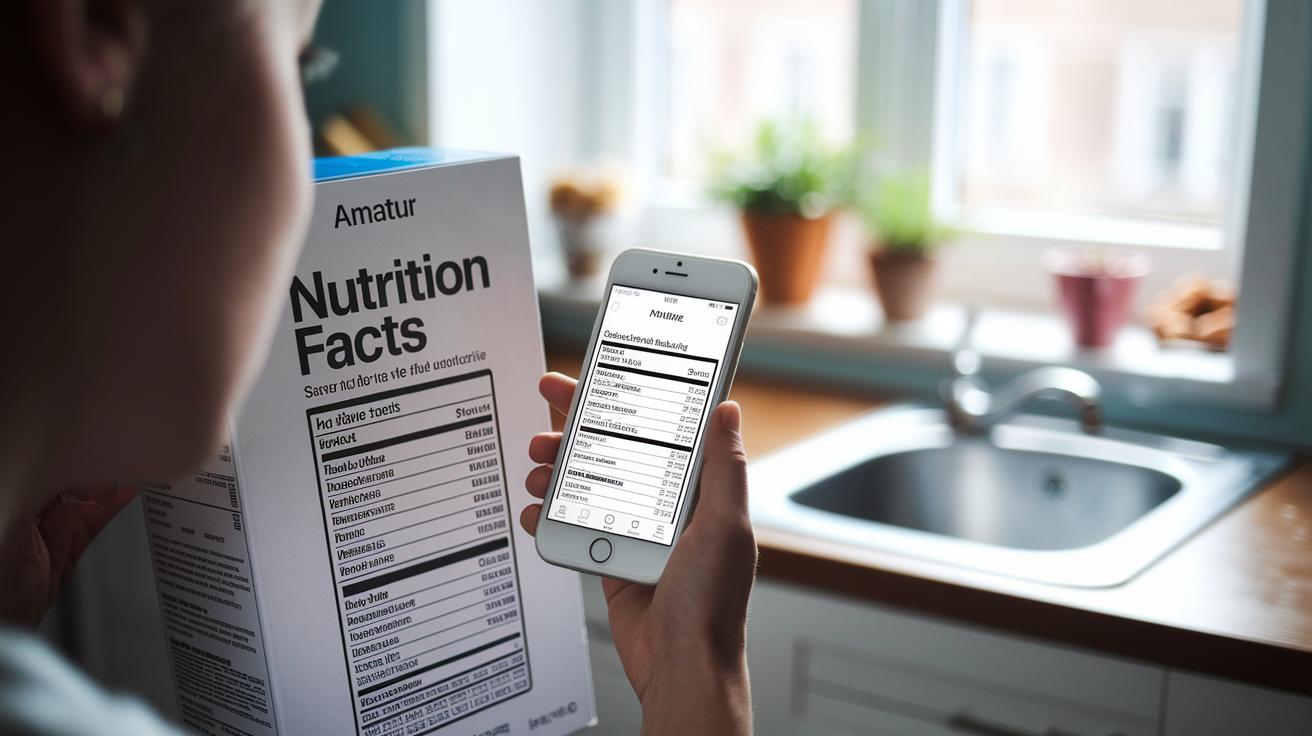
Nutrition facts panels are designed to give you a clear snapshot of what’s inside your food. They start by showing a serving size, which might be a bit smaller than what you usually eat. Next, you see the main nutrients and ingredients listed in order, from the most to the least. Sometimes, sugars hide behind different names, so it's smart to take a good look. And hey, always check the serving size before you compare two different products.
| Nutrient | Serving Size | % Daily Value |
|---|---|---|
| Calories | 200 | 10% |
| Total Fat | 8g | 12% |
| Sodium | 150mg | 6% |
| Total Carbohydrate | 20g | 7% |
| Protein | 5g | 10% |
Taking a closer look at the nutrition panel helps you compare products better. Notice the serving sizes, the nutrient amounts, and those sneaky sugar names. This quick check can guide you in choosing foods that match your health goals.
Interpreting Front-of-Package Claims on Food Labels
When you look at food packages, you see bold words and bright pictures. Companies use these quick phrases to make their products look healthier than they really might be. For example, a design that says Heart Healthy grabs your attention fast, even though the full details are in small print on the back. Just because the label sounds great doesn't mean the product tells the whole story about its ingredients.
- Low-Fat – This tag means the food has a limited amount of both total and saturated fat per serving.
- Reduced Sodium – This label tells you the food has less salt than usual, based on set numbers.
- No Added Sugar – This means no extra sugars have been put in, just what naturally comes with the food.
- Gluten-Free – This indicates the food has very little gluten, making it safer for those who are sensitive.
- All-Natural – This suggests the food is not heavily processed and avoids synthetic ingredients, though this claim isn’t tightly controlled.
Before you decide based on these labels alone, take a look at the Nutrition Facts Panel. It breaks down all the details so you can see if the food really fits your health goals.
FDA’s Evolving Regulations for Healthy Food Labels
On March 13, 2025, the FDA introduced new rules that change what foods can call themselves healthy. These updated guidelines set clear standards for nutrients so you can trust the labels on the foods you choose. They provide a simple guide for food makers to follow, ensuring that health claims are backed by real nutritional facts.
Redefined Nutrient Thresholds
The FDA now sets specific limits for fats, salt (sodium), and sugars in food products. This means that if a food is labeled as healthy, it has to meet these limits, giving you a clearer picture of what's inside.
Criteria for "Healthy" Claims
Food labels that use healthy claims must list the key nutrient levels right on the nutrition panel. This change clears up any confusion and helps you make better choices at the grocery store.
Enforcement and Compliance Steps
The new rules also tighten how food makers present their nutritional claims. Manufacturers now face stricter reviews to make sure they meet FDA standards. If they don't follow the guidelines, they could receive warning letters, fines, or even have their products recalled. This careful oversight builds trust so you can feel confident about what you're eating.
Consumer Tips for Reading Healthy Food Labels Accurately
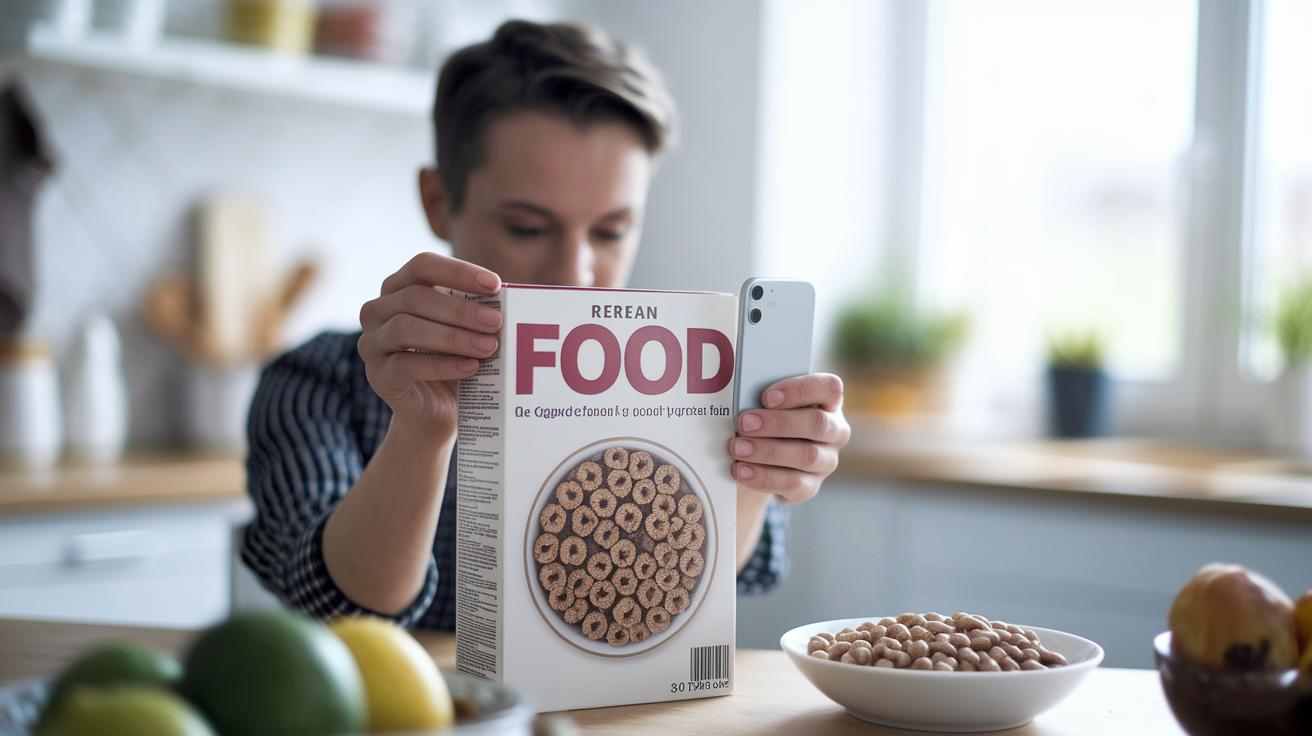
Taking a close look at food labels is a simple way to keep on top of what you're eating. Here’s a quick checklist you can use to feel more confident while browsing through your groceries.
- When you compare serving sizes, remember that your portion might be larger than what’s listed. It’s a bit like checking if a puzzle piece fits perfectly with your meal.
- Look at the ingredients one by one from the top down to see which ones stand out the most.
- Watch out for hidden sugars. Sometimes sugar comes under different names, so being alert helps you know what you’re really eating.
- Check both the total sugar and the added sugar numbers. This tells you if extra sugars have been added during processing.
- Pay attention to sodium levels because a high amount might not jump out just from the front of the package.
- Notice any fiber and vitamin amounts. These bits act like a fuel gauge, letting you know if the food is truly nourishing.
- Choose foods with whole, familiar ingredients. When you recognize most of what's in your food, chances are it's made with fewer additives.
For more ideas, check out balanced diet for healthy lifestyle.
Final Words
In the action of exploring food label details, we broke down what makes a label truly healthy. We walked through nutrient facts, front package claims, and the latest FDA updates. Tips on spotting ingredients and hidden sugars provided extra clarity. Each section brought us closer to smarter shopping and making informed choices. The insights shared here will help you appreciate and recognize a genuine healthy food label. Stay curious and keep enjoying the path to better living.
FAQ
Q: What are examples of healthy and unhealthy food labels?
A: Healthy food labels often use terms like “Heart Healthy” and show clear nutrient limits. Unhealthy labels may lack these details and indicate high levels of fats, sugars, or sodium.
Q: How does the Nutrition Facts label provide nutritional information?
A: The Nutrition Facts label displays calories, fats, sugars, and sodium per serving and lists ingredients from highest to lowest weight, helping you compare products quickly.
Q: How are ingredients listed on a food label?
A: Ingredients on a food label are ordered by weight, with the most abundant ingredient listed first, giving insight into the product’s nutritional makeup.
Q: How do you read food labels for healthy eating and tell if food is healthy?
A: Reading food labels for healthy eating involves checking serving sizes, looking for hidden sugars, and comparing nutrient amounts like fats, sodium, and sugars to determine overall healthfulness.
Q: What defines a healthy food label according to FDA guidelines?
A: A healthy food label meets FDA standards by displaying nutrient content disclosures, limiting fats, sodium, and sugars, and often includes approved claims such as “Heart Healthy” when criteria are met.
Q: What is the 10 10 5 rule when evaluating food labels?
A: The 10 10 5 rule is a consumer tip for reviewing foods. It suggests looking at the number of ingredients, the grams of added sugars, and the grams of saturated fat per serving to gauge nutritional balance.
Q: What do kcal stand for in food labels?
A: The term kcal on food labels stands for kilocalories, which measure the amount of energy the food provides to help you track daily caloric intake.
Q: How can food labels indicate nutritional quality and provide clear ingredients information?
A: Food labels indicate nutritional quality through detailed nutrient panels and ingredient lists. This information helps you assess the overall healthfulness of the food based on standardized criteria.