Do you sometimes feel overwhelmed and wonder if your body is suffering quietly? When you're stressed, your body releases hormones such as adrenaline and cortisol, which act quickly, much like a runner bursting off the starting line. But when stress sticks around, it leaves your muscles tense, your heart beating fast, and your system unbalanced. Let's take a closer look at how ongoing stress can start a chain reaction in your body and why it can turn into a serious health problem.
Comprehensive Overview of How Stress Affects the Body

When we face a challenge, our body quickly gears up for action. It releases hormones like cortisol and adrenaline that speed up our heart and breathing while raising our blood sugar. Think of it like a sprinter bursting off the starting line with a sudden burst of energy.
But when stress sticks around day after day, those same signals can take a toll. Constant tension leaves us feeling drained and can lead to bigger health problems. High levels of cortisol can make our muscles feel tight and keep us on high alert, which is tiring over time.
Stress touches many parts of our body. It affects our nervous system, the endocrine system (the parts of the body that make and release hormones), the heart and blood vessels, the immune system that fights off bugs, our digestive system, and even our muscles and bones. When one part is out of balance because of stress, it can set off changes in other parts like a chain reaction, making us more vulnerable to feeling unwell.
Cardiovascular Effects of Stress on the Body

High levels of cortisol and adrenaline make your heart beat faster and squeeze your blood vessels, which can lead to a clear rise in blood pressure. When these hormones spike, your heart has to work extra hard. This means you might see sudden bursts in heart activity and a steady build-up of strain over time. Even a single bout of stress sparks your fight-or-flight response, and when this happens again and again, it slowly weakens your heart.
Ongoing stress can even pave the way for conditions like high blood pressure (hypertension) or hardening of the arteries (atherosclerosis, where your blood vessels narrow). Frequent surges in stress hormones can throw off your heart's normal rhythm. This might result in an irregular heartbeat, which ups the risk of a heart attack or stroke. Many folks notice their heart racing or feeling uneven after a long period of tension, a clear sign that the heart is under too much pressure. If you already have heart issues or breathing troubles like asthma, stress can make those problems feel even worse.
Adding regular cardio exercise, like daily cardio workouts, can make a big difference. Exercise helps lower blood pressure and steadies your heartbeat over time. Building physical activity and stress-relief habits into your daily routine gives your heart some extra support and may help ease the harmful effects of chronic stress.
Immune System Effects of Stress on the Body

Sometimes a sudden burst of stress can actually give your immune system a little boost. When you feel a quick surge of tension, your body sets off a natural alert by creating inflammation, a process that helps heal wounds and fend off minor irritations. Think of it as a temporary burst of backup, your body quickly jumps into action just when you need it.
But if you’re stuck in a state of stress for too long, things change. Ongoing stress lowers the activity of lymphocytes, which are important immune cells, and cuts back on the production of antibodies (these are proteins that help fight off germs). This leaves your defenses a bit worn down over time. It’s like watching a protective wall slowly erode, making it easier for nasty bugs like the common cold to sneak in.
Chronic stress also tends to stir up widespread inflammation, which might hurt more than it helps. In these moments, taking care of yourself with a balanced diet can be a real game changer. Foods packed with vitamins and minerals offer the nutrients your body needs to bounce back, helping it repair and stay strong even when stress lingers.
Digestive System Effects of Stress on the Body

When stress takes hold, it can throw your gut off its usual beat. Your body normally processes food in a steady, calm way, but stress can mix things up quickly, leaving you with an upset tummy.
This change in your gut can cause some common belly troubles. For example, too much cortisol (a stress hormone) might boost your stomach acid and lead to heartburn. If stress sticks around, your digestive system might even become more sensitive, sometimes making conditions like irritable bowel syndrome feel worse.
Here are some common tummy issues you might notice when you're stressed:
- Stomach cramps
- Gas and bloating
- Diarrhea
- Constipation
- Acid reflux
Each of these signs shows that your gut is reacting right away to stress. You may have felt that uneasy feeling in your stomach when you were anxious. It’s your body’s way of sending a little reminder to slow down and take care of yourself.
Nervous System and Cognitive Effects of Stress on the Body
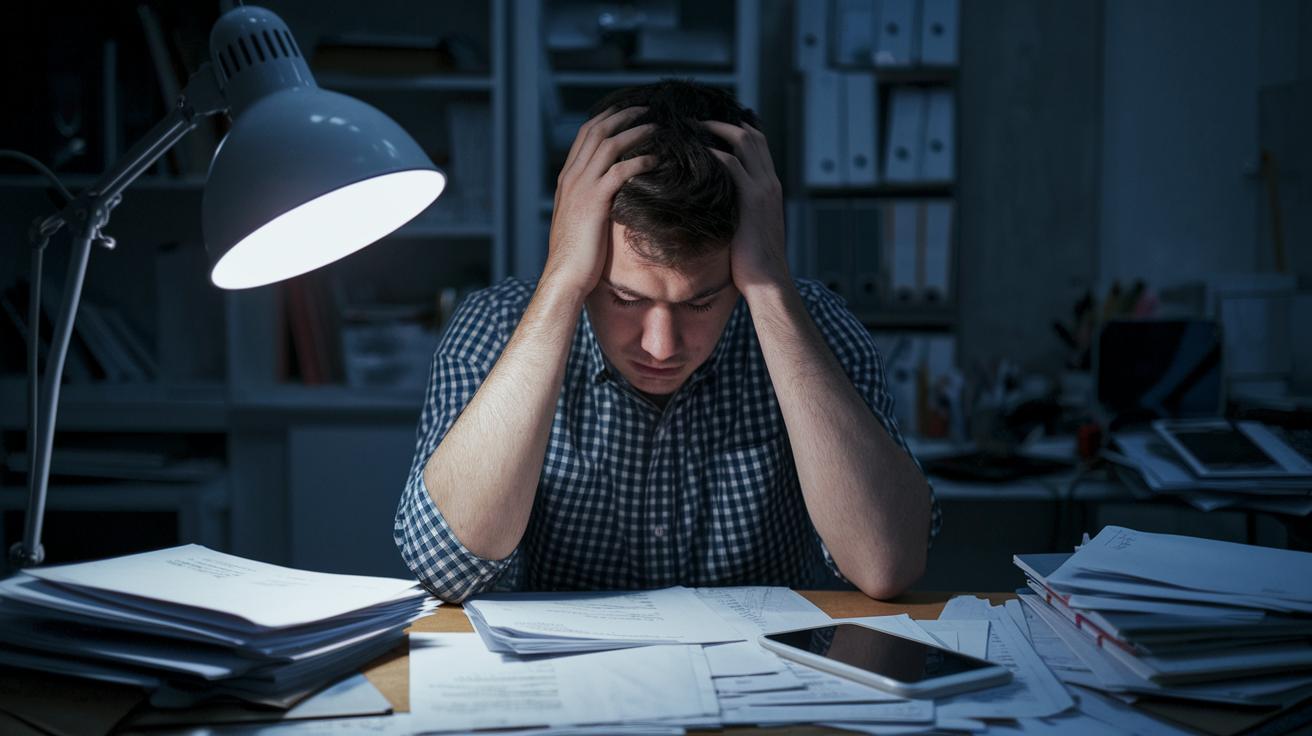
Stress kicks our body's alarm system into high gear, making it work overtime. This sets off a flood of cortisol, a hormone that messes with sleep and makes it hard for our brain to store memories. Imagine trying to remember your grocery list when you're swamped with worry, that's what stress can feel like.
When stress takes over, it tends to boost our anxiety and put our nerves on edge. You might notice your muscles feeling tense or even get a headache. It can be tough to think clearly or settle down enough to sleep soundly. Here are a few ways stress can change the way your brain works:
| Effect | Description |
|---|---|
| Sleep Problems | Difficulty falling or staying asleep because your mind is too active |
| Memory Issues | Struggling to remember simple details |
| Fatigue | Feeling so tired that everyday tasks seem overwhelming |
When our brain gets overloaded, it starts to struggle with concentration and learning new things. Even little distractions can seem huge, which only adds more stress. This ongoing pattern of poor sleep and mental strain can slowly change how we feel, sometimes even nudging us toward moods that feel a lot like depression. All of this shows just how important it is to keep stress in check so that our thoughts remain clear and our emotions stay balanced.
Musculoskeletal Effects of Stress on the Body
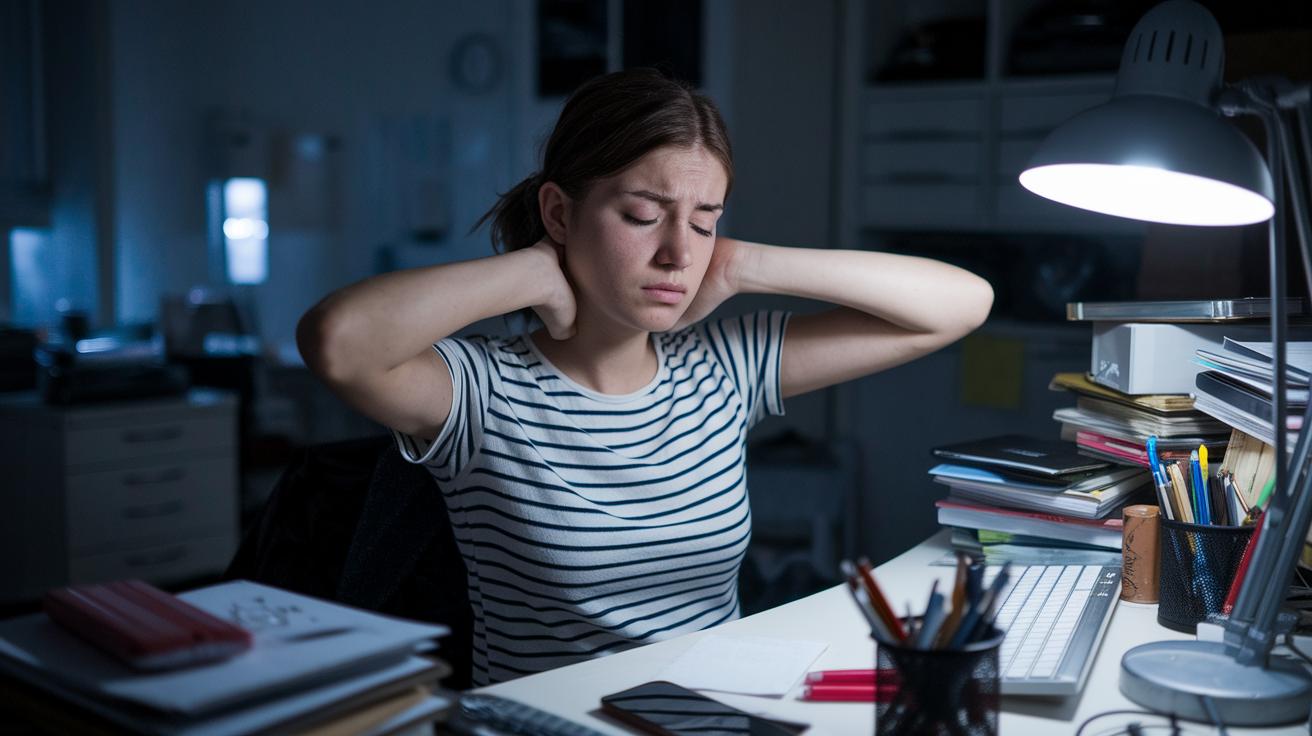
When you sense danger, your body quickly fires up a response that makes your muscles tighten. This is great for quick reactions, but it can start bothering you if it lasts too long.
Under stress, your muscles, especially around your shoulders, head, and jaw, stay locked in tension. It’s kind of like holding your breath during an exciting movie; even when it's over, your body remains on alert.
Over time, this constant tightness may lead to aches spreading through your muscles. Your neck might feel stiff, or your back might hurt more than usual, and those tense muscles can even contribute to joint pain.
Stress can also trigger a headache that feels like a dull, steady pressure, slowing you down on busy days. When your scalp and neck stay strained, even a small amount of stress can make you feel extra uncomfortable.
Even though muscle tension helps you react in a pinch, sticking with it for too long can hurt. Have you ever paused to take a few deep breaths and felt a little relief?
Hormonal and Endocrine Effects of Stress on the Body

When you're under stress for a long time, your body starts a process called the HPA axis. This system helps release stress hormones like cortisol and adrenaline. Cortisol, when it stays high for too long, can change the way your body handles sugar and even slow down your thyroid. It’s a bit like leaving a car engine running all the time, at first, it gives you a boost, but eventually it wears you out.
High cortisol levels can also mess with other hormones. For instance, they might affect hormones that control weight and your menstrual cycle, so you might see changes like unexpected weight gain or different cycle patterns. At the same time, quick bursts of adrenaline can raise your blood sugar temporarily, giving you energy that soon fades and leaves you even more tired.
All these changes in hormones can start a domino effect in your body. They might make your body less sensitive to insulin (this is the hormone that helps control sugar), lead to extra pounds, and cause troubles with your metabolism, that is, the way your body turns food into energy. In short, long-lasting stress can really upset your body's natural balance.
Long-Term Health Risks of Chronic Stress on the Body
Living with ongoing stress can slowly change how your body works. It starts a chain reaction that puts extra pressure on your heart, slows down your immune system, shifts your metabolism (how your body turns food into energy), affects your mood, and may even weaken your bones. This quick look brings all these points together without diving into every little detail.
Think of it like a constant drip wearing away at stone over time.
| System | General Impact |
|---|---|
| Cardiovascular | Extra strain can raise your blood pressure and put stress on your heart. |
| Immune | Your defenses get weaker, which might slow down recovery from illnesses. |
| Metabolic | Changes in how your body uses energy can affect your weight and energy levels. |
| Mood & Cognition | You might feel more anxious or mentally tired over time. |
| Musculoskeletal | Weaker bones can make you more prone to injuries. |
Psychological and Emotional Reactions to Stress in the Body

When stress hits, it can really shake up your emotions. You might feel more anxious, easily annoyed, or find yourself dealing with sudden mood swings. Imagine coming home after a long day only to discover that a little bit of tension can turn a peaceful evening into one filled with irritability and worry, making even small issues seem like big annoyances.
Over time, that build-up of stress can lead to deeper troubles like feeling down or pulling away from the people and activities that used to brighten your day. You might notice changes not just in how you feel but also in what you do. Sometimes, stress shows up like this:
| Behavior | What It Means |
|---|---|
| Sleep Disruption | Having trouble falling or staying asleep |
| Changes in Appetite | Eating more or less than usual |
| Less Physical Activity | Finding it hard to stick with your exercise routine |
| Unhelpful Habits | Turning to things like substances for a quick fix |
When you start skipping workouts or canceling plans with friends, it could be your body's way of saying, "Hey, too much stress here!" Remember, stress doesn’t just mess with your body, it can also leave your thoughts and feelings feeling a bit out of sorts.
Effective Stress Management Strategies for the Body

Stress can really weigh you down, leaving you feeling tired and worn out inside. Simple, science-backed tips can help balance stress hormones like cortisol and bring back a sense of calm. Regular movement not only gives you a burst of energy but also clears your mind after a long day. Even taking a few deep breaths or stepping outside can change everything.
Adding mindful practices to your day might be just what you need. Even a brief meditation can create space for your thoughts and help you deal with pressure. Sometimes, writing in a journal helps clear away mental clutter. And sharing your feelings with someone close can build a support network that makes hard times a little easier.
Watching what you eat is another smart move. A balanced diet rich in nutrients fuels your body and helps keep stress hormones in check. It’s like giving yourself the right kind of energy to get through rough patches. Plus, if stress ever feels overwhelming, talking with a professional can provide personalized ideas that really work for you.
Here are eight effective ways to reduce stress:
| Aerobic exercise | Progressive muscle relaxation |
|---|---|
| Guided imagery techniques | Healthy sleep habits |
| Social connection with supportive individuals | Time management improvements |
| Balanced nutritional intake with whole foods | Professional counseling or therapy |
Each of these ideas tackles stress in its own way, offering both quick relief and long-term benefits. Mix a few together to build a routine that not only eases stress but also helps you feel balanced and full of energy.
Final Words
In the action, we explored how stress triggers the fight-or-flight response and its overall effects on the body. We broke down key points, including how the following major systems respond to stress:
• Nervous
• Endocrine
• Cardiovascular
• Immune
• Digestive
• Musculoskeletal
These insights on the effects of stress on the body remind us that simple, mindful changes can bring lasting comfort. Small, positive steps can lead to a more balanced and healthy life. Keep moving forward with hope and practical care.
FAQ
What are the long-term effects of stress on the body?
The long-term effects of stress on the body include heightened risk for heart disease, weakened immune defenses, digestive troubles, hormonal imbalances, and persistent muscle tension that can affect overall well-being.
What are the physical symptoms of stress, including those in women?
The physical symptoms of stress show up as rapid heart rate, muscle tension, headaches, sleep trouble, digestive discomfort, and for women, changes like irregular cycles or skin breakouts, all signaling the body’s alert state.
What are the psychological effects of stress?
The psychological effects of stress include feelings of anxiousness, irritability, mood swings, trouble concentrating, and sometimes depression, reflecting the brain’s response to pressure and tension.
What is stress?
Stress is your body’s natural reaction to challenges, triggering a fight-or-flight response that releases hormones like cortisol and adrenaline to get you ready for quick action.
What illnesses or diseases can stress and anxiety cause?
Stress and anxiety can lead to illnesses like high blood pressure, heart disease, digestive issues, type 2 diabetes, and weaken immune function, making the body more vulnerable to infections.
How long does it take to heal from stress?
Healing from stress depends on how long you have been under pressure and your self-care practices; recovery is gradual and may take weeks to months with supportive lifestyle changes and proper care.
How do you recover from extreme stress?
Recovery from extreme stress involves practicing healthy habits such as regular exercise, deep breathing, or meditation, along with seeking professional advice to rebuild balance and relief.
What are five physical effects of stress?
Five physical effects of stress include increased heart rate, elevated blood pressure, tight muscles, digestive upset, and disturbed sleep patterns, all of which indicate the body is under strain.