Ever wonder if you can lose weight and still savor your favorite flavors? This guide shows you a new way to plan meals without giving up the dishes you love. Imagine a week filled with balanced and tasty meals that help your body burn energy and keep hunger at bay. Each meal is built with lean proteins (like chicken or fish), whole grains (which are great for steady energy), and lots of fresh fruits and veggies. Every calorie is thoughtfully counted to help you see how small changes can lead to a healthier lifestyle. Let's dive into these simple plans and feel more energized every day.
7-Day Meal Plan to Kickstart Weight Loss
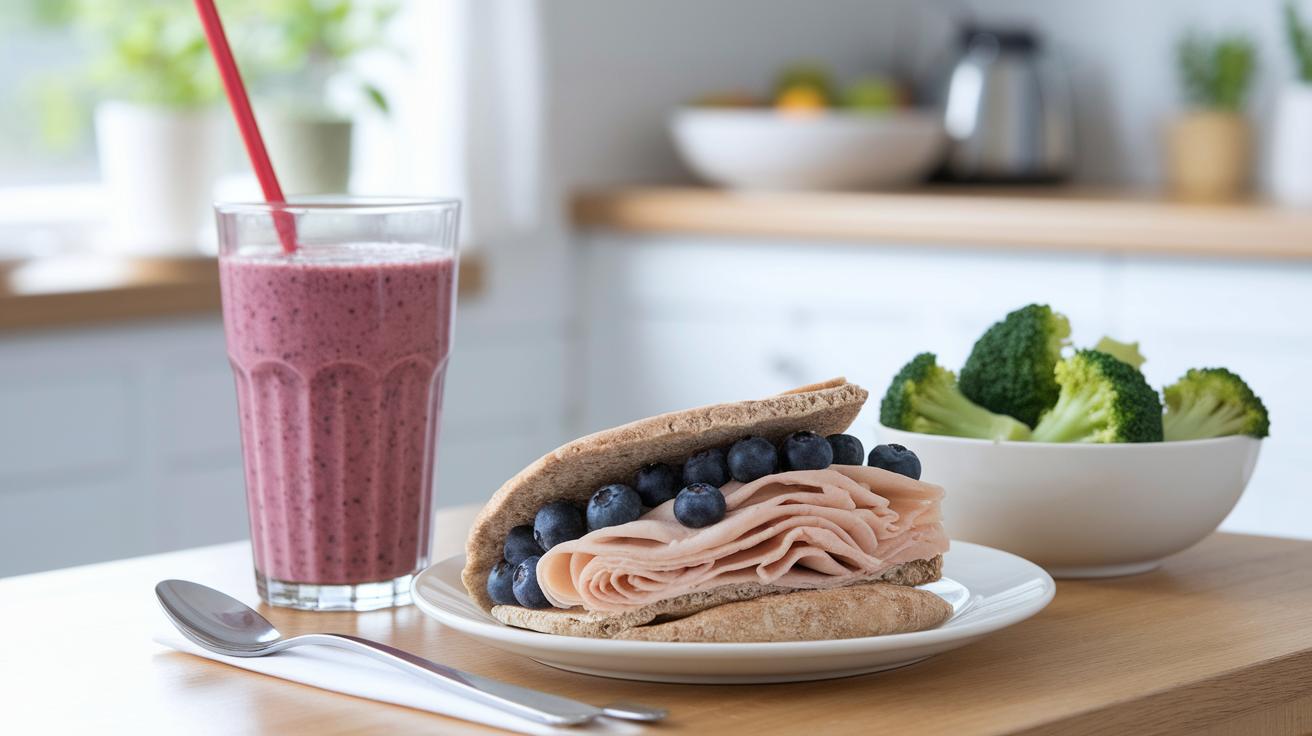
If you're looking to shed a few pounds and feel more energetic, this plan could be just what you need. Every day, you'll stick to a 1,200-calorie menu full of lean proteins, whole grains, and plenty of fresh fruits and vegetables. The meals mix carbs to fuel your day, proteins to support your muscles, and a little healthy fat to keep you satisfied.
Start your morning with a hearty kickstart, like a berry smoothie made with frozen berries and low-fat milk, it'll help get your metabolism moving and keep cravings at bay. Every meal is planned with care so you maintain steady energy without overshooting your calorie goal. For example, you might enjoy a mini whole-wheat pita filled with 3 oz of turkey at lunch, or a plate of 4 oz flounder, a cup of couscous, and a cup of steamed broccoli for dinner.
The menu keeps things interesting throughout the week. You'll also taste treats like Greek yogurt parfaits, grilled salmon, and even pork tenderloin. The portions are measured carefully to help control hunger while making sure you're getting the nutrients you need.
| Day | Breakfast | Lunch | Dinner | Snack | Total Calories |
|---|---|---|---|---|---|
| Day 1 | Berry Smoothie | Turkey Pita Sandwich | Flounder with Couscous & Broccoli | Sweet Potato & Fruit | 1200 |
| Day 2 | Greek Yogurt Parfait | Veggie Soup & Roll | Grilled Salmon with Quinoa & Greens | Fresh Fruit Cup | 1200 |
| Day 3 | Oatmeal with Berries | Chicken Wrap with Veggies | Pork Tenderloin with Asparagus | Low-Cal Snack Bar | 1200 |
| Day 4 | Protein Smoothie | Tuna Salad Pita | Baked Cod with Brown Rice & Spinach | Carrot Sticks with Hummus | 1200 |
| Day 5 | Scrambled Eggs with Tomatoes | Quinoa Salad with Chicken | Shrimp Stir-Fry with Mixed Veg | Greek Yogurt | 1200 |
| Day 6 | Cottage Cheese with Fruit | Lentil Soup & Whole Grain Bread | Turkey Meatloaf with Mashed Cauliflower | Apple Slices with Nut Butter | 1200 |
| Day 7 | Smoothie Bowl | Veggie Burger on Whole Wheat Bun | Baked Chicken with Broccoli & Sweet Potato | Portioned Mixed Nuts | 1200 |
Sticking to carefully measured portions and a consistent calorie goal is key here. With each delicious meal designed to leave you feeling full and energized, you'll set yourself up for steady weight loss while still enjoying every bite. Enjoy a week
Building a Calorie Deficit Food Guide
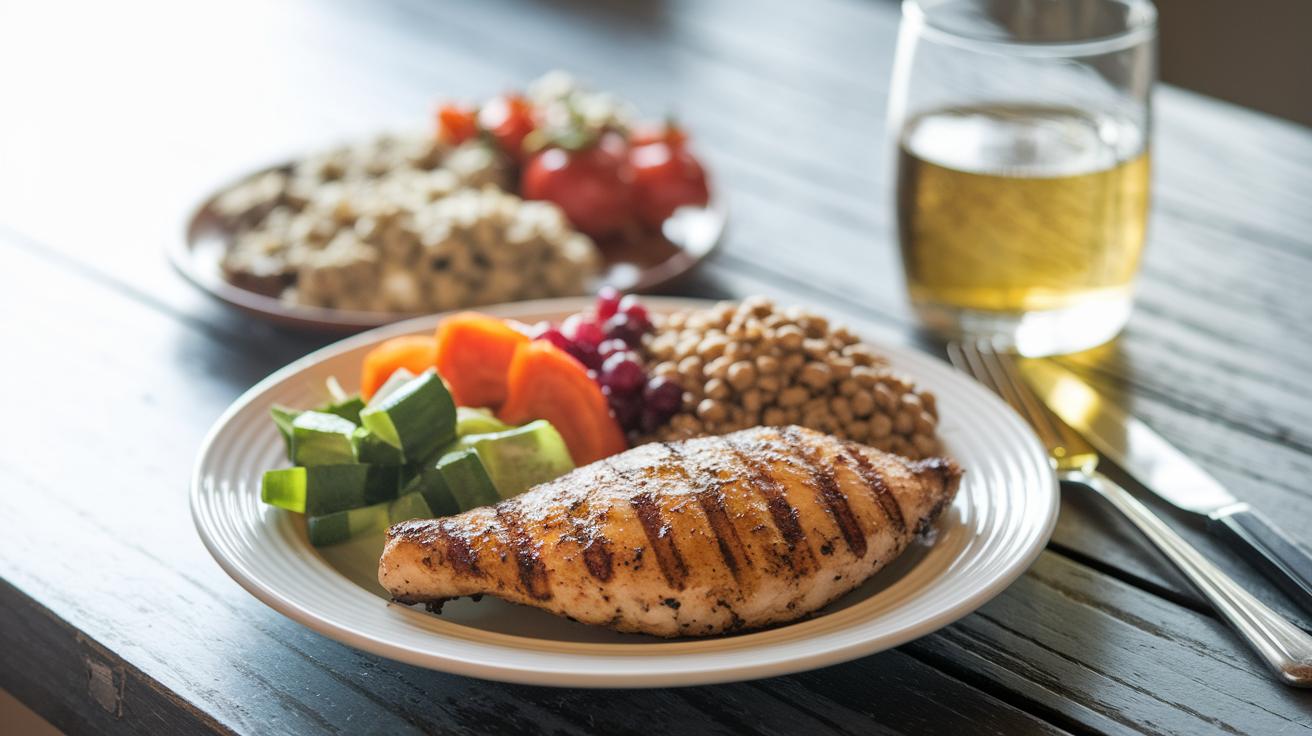
A calorie deficit happens when you eat less energy than your body uses. First, figure out your Basal Metabolic Rate (BMR) – that’s the calories your body burns at rest – and then subtract about 500 calories. So if your body uses roughly 1,800 calories a day, eating around 1,300 calories might help you shed some weight slowly. This way, your body taps into stored energy while still giving you the fuel you need for everyday activities.
When planning meals, aim to mix in good portions of carbohydrates, proteins, and fats. Pick lean proteins like chicken, fish, or plant-based choices to help keep your muscles strong and your hunger in check. Try to fill half your plate with vegetables and add whole grains for extra fiber and long-lasting energy. Imagine preparing yummy meals that satisfy your taste buds and keep you nourished. Thoughtfully planned meals can guide you toward steady weight loss while powering your day.
Some folks find intermittent fasting to be quite helpful. One common way is the 16/8 method, where you eat during an eight-hour window and then take a 16-hour break from food. This routine can make your day a bit simpler and might naturally cut down on extra calories. Many people discover it fits well with busy schedules and helps them manage their overall intake, leading to better overall wellness.
Portion-Controlled Eating Approach for Effective Trimming
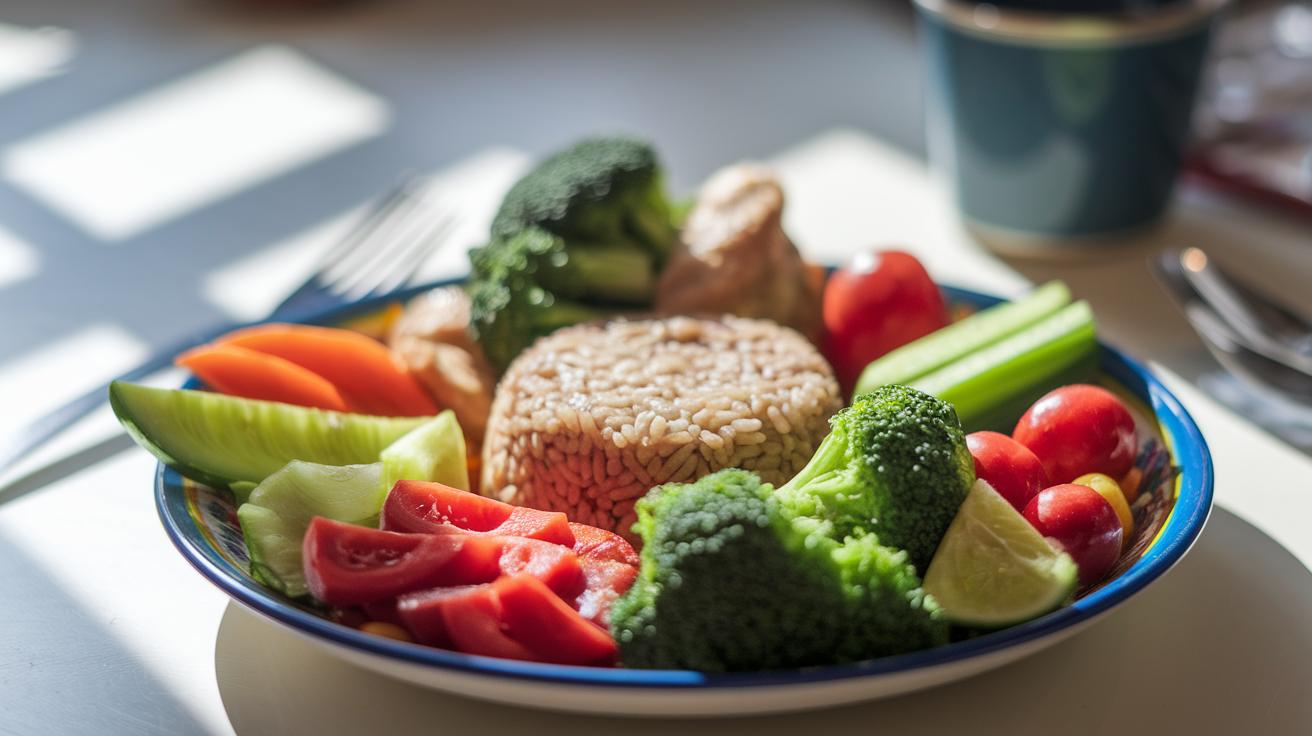
Imagine a plate method that makes healthy eating feel almost automatic. Fill half your plate with fresh veggies, one-quarter with lean protein, and one-quarter with whole grains or healthy fats. This simple guide lets you see exactly what you're enjoying and keeps your portions in check so you don't overeat or feel hungry later.
When you consistently use this approach, you start to notice that choosing healthy portions becomes second nature. That colorful mix of veggies, a small portion of protein like chicken or fish, and a bit of grains or fats helps you stick to smart, balanced meals every day.
Here are some quick tips to get started:
- Use a measuring cup to portion out grains and veggies.
- Weigh your proteins to about 3–4 ounces.
- Keep added fats to just 1 tablespoon per serving.
- Pre-portion your snacks into single servings.
- Swap out large plates for smaller ones so your portions naturally decrease.
By embracing these small, mindful habits, you'll gradually adjust to healthier portion sizes without feeling restricted. Over time, managing your portions will become an easy part of your everyday routine, guiding you towards a balanced and satisfying diet.
Customizing Meal Plans for Dietary Preferences
When you’re adjusting your meal plan to match both your taste buds and your health goals, it helps to pick dishes that feel delicious and supportive at the same time. Whether you lean vegetarian, vegan, or need diabetic-friendly options, a little tailoring can make every meal feel just right. It’s about creating menus that fit your everyday lifestyle while keeping an eye on calories and celebrating your favorite flavors.
For a vegetarian start, picture a warm tofu scramble mixed with crunchy veggies to kick off your day. At lunchtime, enjoy a satisfying bowl of lentil soup that leaves you feeling cozy. Then, for dinner, a crisp chickpea salad with a splash of lemon juice packs in both taste and nourishment.
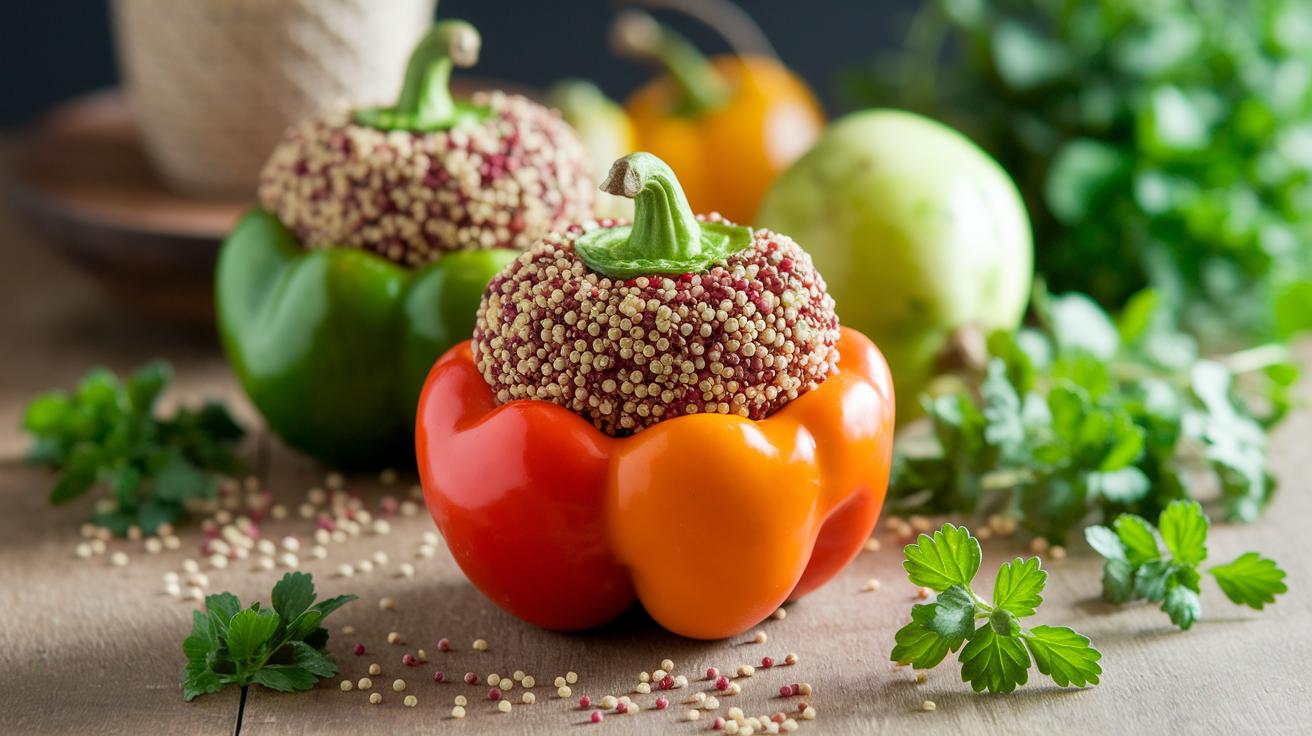
If you’re following a vegan way of eating, try dinner ideas like vibrant quinoa-stuffed peppers spiced with fresh herbs, or a light bowl of spiralized veggies dressed with a zesty flavor. Imagine a plate of zucchini and carrots brought together in a tasty, balanced dish that feels both natural and filling.
For diabetic-friendly choices, focus on foods that are gentle on blood sugar by using low-GI grains (these help manage blood sugar levels) and lean proteins in measured servings. Simple swaps like picking quinoa over white rice and a lean turkey cut can support steady blood sugar without losing out on flavor.
Smart Snack Options and Energy Support
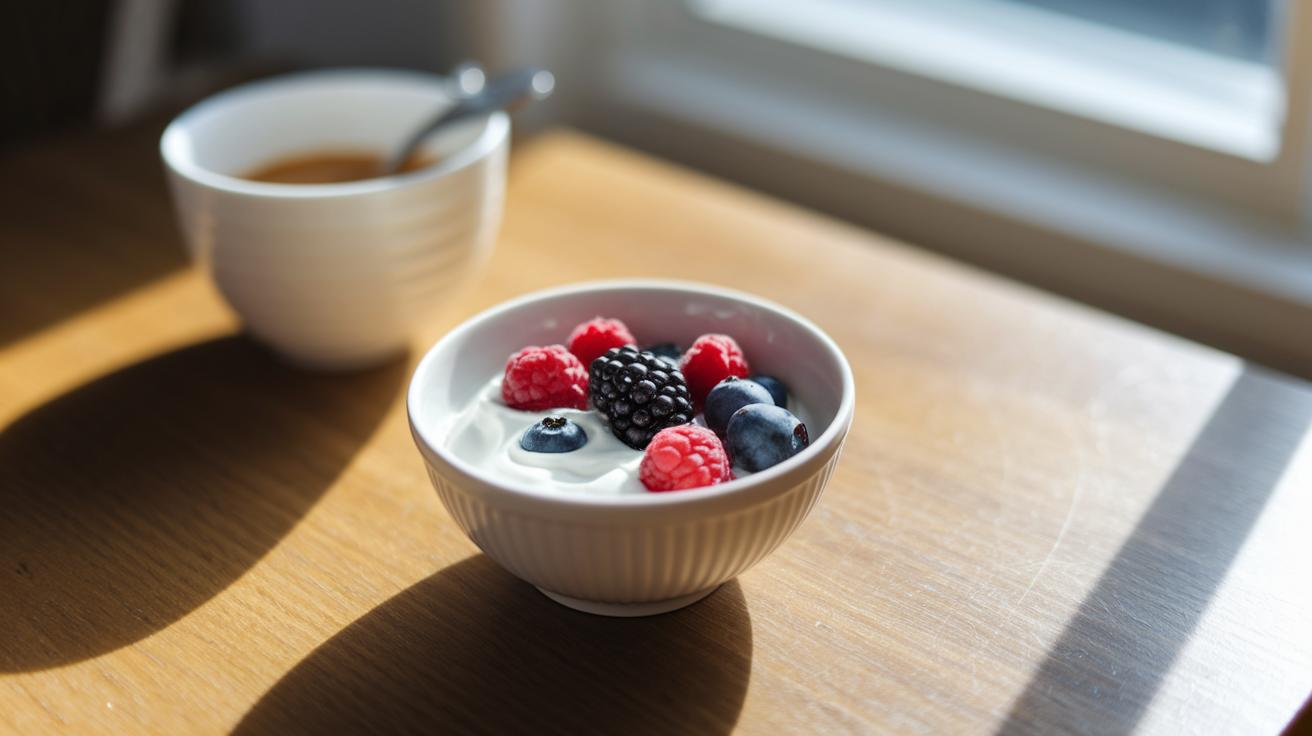
Greek yogurt with berries makes a tasty snack that fills you up and fuels your body. It gives you protein to help build muscle and fiber to keep hunger away, plus a natural boost from the sugars and antioxidants in berries. Imagine enjoying a small bowl of cool, creamy yogurt mixed with a handful of juicy berries, it feels like a little recharge on a busy day.
Raw almonds or a mix of your favorite nuts are another great grab-and-go option. With healthy fats and protein working together, they help keep your hunger in check. Try a small handful when you feel your energy dipping or during a quick afternoon break.
Veggie sticks paired with hummus or apple slices with a dab of nut butter offer a fun crunch and a mix of good nutrients. These snacks are perfect for a mid-morning or mid-afternoon snack time, helping to smooth out your blood sugar and ward off cravings for less healthy treats.
Budget-Friendly Meal Prep Solutions
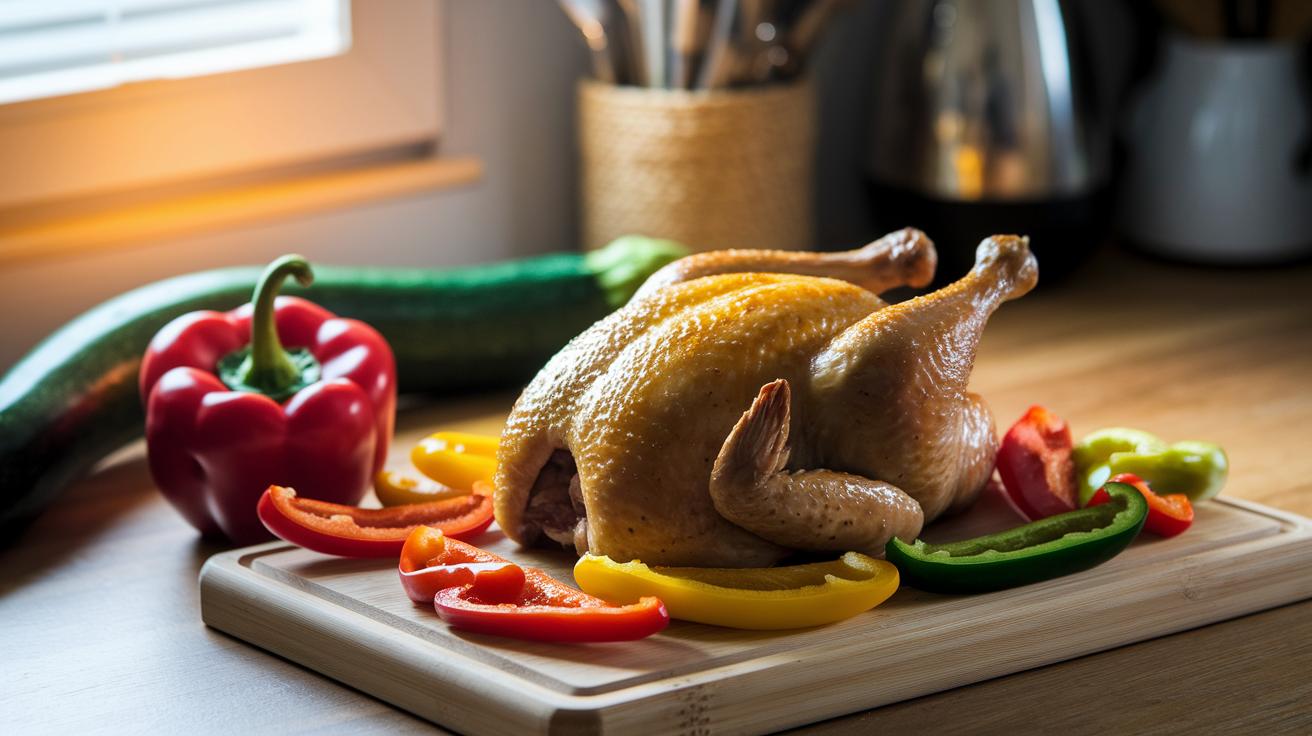
Batch-cooking is a great trick for saving time and money. Try simple ideas like roasting a whole chicken or baking veggies on a sheet pan. When you cook a lot at once, you cut down your daily cooking time and avoid the weekday rush. For example, roast a chicken with bell peppers and zucchini to make several servings. You can quickly warm these up for lunch or dinner without losing any flavor.
Another smart tip is to use fruits and vegetables that are in season and to buy whole grains in bulk. In-season produce not only tastes better but also costs less. Grains like brown rice or quinoa, when bought in bulk, are both budget-friendly and healthy. Imagine a bowl filled with hearty grains, roasted veggies, and a sprinkle of herbs, it fills you up while being kind to your wallet.
For days when you need a meal in a flash, try preparing freezer-friendly portions or putting together stir-fry kits. Divide pre-cooked proteins, vegetables, and quick-cook grains into separate containers. This way, you have a ready-to-eat meal that just needs a quick heat-up, perfect for busy days while keeping your healthy eating plan on track.
Tracking Progress with a Nutritional Road Map
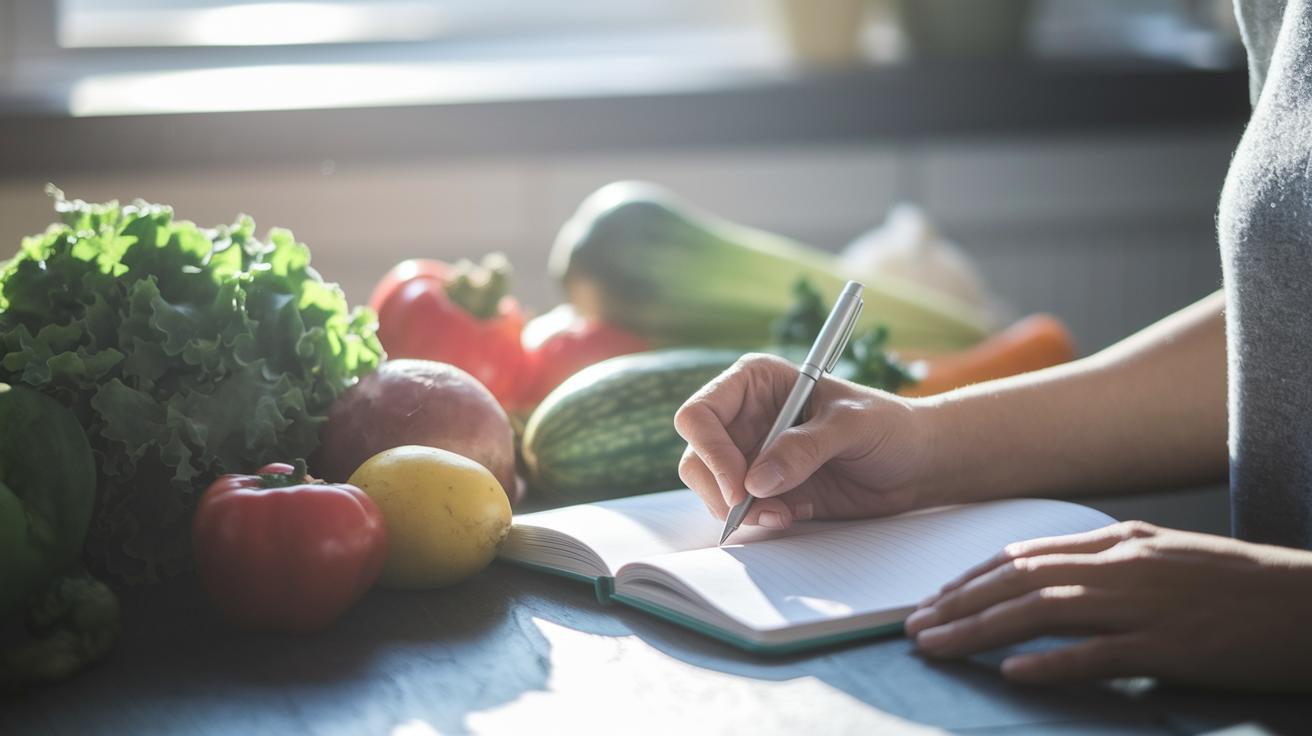
Try using a mix of tools like simple food journals, digital apps, and weekly menu planners. Every day, jot down what you ate and how you felt. For example, you might write, "I had a light salad at lunch, which kept me full until dinner." These notes help you notice patterns and see where a small change could boost your energy or balance your nutrients.
Next, add a few easy measurements to your routine. Weigh yourself regularly, measure your waist and hips each week, and keep an eye on your energy levels. You might note, "This week, I felt more energetic and my waist was an inch smaller." These observations give you a clear picture of your progress beyond just the number on the scale.
Then, use what you learn to make small tweaks. If you’re still feeling hungry, adjust your calories or change how you balance your proteins, fats, and carbs (the things that give your body energy). You could even try a 30-day challenge where you tweak meals each week and track your improvements. These small changes, monitored along the way, can keep you motivated and help you stay on target.
Final Words
In the action, we've laid out a plan that covers a full 7-day meal plan with clear breakdowns for breakfast, lunch, dinner, and smart snacks. The guide touched on a calorie deficit food guide, simple portion control, and adapting plans to suit different tastes. We also shared office-friendly snack ideas, cost-saving meal prep tips, and ways to track progress. With a solid outline like this, meal plans for weight loss can bring you closer to feeling your best every day. Stay positive and keep making those healthy choices.
FAQ
Meal prep for weight loss
Meal prep for weight loss means preparing healthy meals ahead of time to make daily eating simpler. It helps control portion sizes and calorie intake, keeping you on track with a balanced diet.
Meal plans for weight loss pdf
Meal plans for weight loss pdf provide free, downloadable guides that outline daily menus, portion sizes, and calorie counts. They offer structured eating schedules to simplify your healthy food choices.
7-day diet plan for weight loss
A 7-day diet plan for weight loss delivers a week-long menu that targets a calorie deficit through balanced meals. It streamlines meal choices while ensuring you get the nutrients needed for steady progress.
Meal plan for weight loss female
A meal plan for weight loss aimed at females features balanced meals specifically designed for women’s nutritional needs. It includes lean proteins, whole grains, and plenty of fruits and vegetables to support energy and wellness.
Free meal plans for weight loss
Free meal plans for weight loss offer no-cost, ready-to-use eating schedules that detail meals and snacks. These plans help you manage calories and maintain balanced nutrition without spending extra money.
Free 30-day meal plan for weight loss pdf
A free 30-day meal plan for weight loss pdf is a printable guide that provides a month of healthy recipes and balanced menus. It’s designed to help you organize your eating pattern and maintain a calorie deficit.
Weekly meal plans for weight loss
Weekly meal plans for weight loss break down healthy eating into a structured seven-day schedule. They give you a clear list of meals and snacks with appropriate portions to help you stay focused and satisfied.
10 kg weight loss in 7 days diet plan
A 10 kg weight loss in 7 days diet plan claims rapid results by severely cutting calories. Such extreme plans can be risky and are usually not recommended without close supervision by a healthcare professional.
What is the best meal to have to lose weight?
The best meal to lose weight includes lean protein, fiber-rich veggies, and whole grains. This balance helps keep you full, supports steady energy, and maintains a healthy calorie target for fat reduction.
What is the 3-3-3 rule for weight loss?
The 3-3-3 rule for weight loss suggests dividing your eating routine into three main meals, three smaller snacks, and maintaining a three-day cycle of mindful eating habits to help manage appetite and portion sizes.
How to lose 10 pounds in 2 weeks?
To lose 10 pounds in 2 weeks, combine a reduced-calorie diet with regular exercise. Focus on nutrient-dense foods and controlled portions while staying active to create a healthy calorie deficit.
How to lose 7lbs in 2 weeks meal plan?
A meal plan to lose 7 pounds in 2 weeks centers on balanced, lower-calorie meals full of lean proteins, whole grains, and plenty of produce. It emphasizes portion control to safely trim your weight.