Have you ever thought that managing stress might be as simple as changing a few daily habits? You might wonder if a short break or a deep breath could help you feel lighter and less overwhelmed.
Simple ideas like taking a few deep breaths, moving around a bit, or putting your phone down for a minute can really make a difference. Imagine feeling the tension melt away as you step outside for a brisk walk or enjoy a quiet moment.
Try adding one small habit at a time to your routine, and watch how your mind and body start to relax. It can really help you get back to a calm, focused state when you need it most.
Foundational Stress Management Strategies Overview
Stress management means finding simple, practical ways to ease both your mind and body. It is all about giving yourself a break when daily pressures build up so that you can feel more balanced and at ease. When you take time to reset, you let your brain and body breathe, stepping away from the constant rush of modern life.
Using more than one method can really help because stress shows up in many different ways. Combining several techniques allows you to calm a racing mind, relax tense muscles, and even boost a good night’s sleep. It’s like having a few different tools in your health toolkit instead of relying on just one.
- Mindfulness meditation
- Controlled breathing techniques
- Physical exercise
- Nutritional support
- Time management routines
- Digital detox practices
- Social connection methods
Each of these tips plays a role in reducing stress and supporting your overall well-being. For example, mindfulness meditation helps center your thoughts, while controlled breathing can quiet your body’s natural stress response. A bit of exercise releases chemicals that lift your mood, and good nutrition makes sure your body gets the vitamins it needs to fight fatigue. Smart time management stops feelings of overwhelm, cutting back on screen time takes pressure off your eyes and mind, and staying connected with people builds a network of support.
Mixing these techniques creates a plan that fits you perfectly. Each part of your lifestyle can work together to help you feel calm and capable every day.
Mindfulness Meditation for Stress Relief
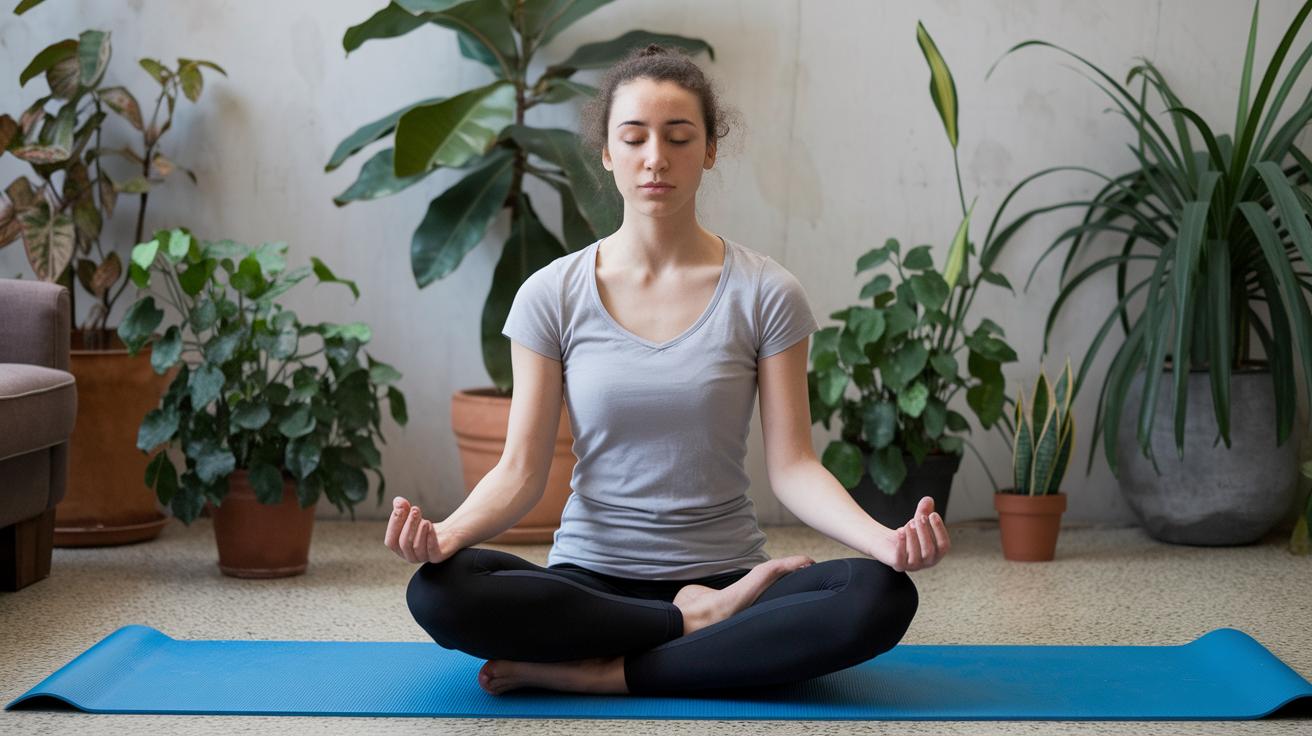
Mindfulness meditation is a simple way to help you feel more relaxed and present. It means sitting quietly and noticing your thoughts and feelings as they pop up, without trying to change or judge them.
Find a quiet spot where you feel comfortable. Sit up straight and keep your feet firmly on the ground. Close your eyes and pay attention to your breathing. Feel the air as it moves in and out. When thoughts come by, simply notice them without getting tangled up in each one.
After a few minutes, gently shift your focus to a quick scan of your body from head to toe. Notice where you feel tight and where you feel relaxed. This gentle routine, sitting quietly, breathing deeply, watching your thoughts, and doing a body scan, helps soothe both your mind and your body.
Even just five minutes a day can make a difference. Research shows that short mindfulness sessions can lower anxiety and help you manage your emotions better. With regular practice, you might find that your stress levels go down and a sense of calm grows throughout your day.
Breathing Techniques for Stress Relief
Breath control is a straightforward way to calm both your mind and body. Focusing on how you breathe sends a gentle message to your brain that you are safe. This, in turn, slows down your heart rate and eases tension almost right away.
One great method is the 5-2-5 cycle. Start by taking a slow, deep breath for five seconds, filling your lungs with cool, refreshing air. Then, hold your breath for two seconds and feel the calm settle in. Lastly, exhale slowly for five seconds, allowing any stress to drift away. This simple rhythm helps switch on your body's natural relaxation mode.
This breathing trick is perfect for busy days, nerve-wracking presentations, or even winding down for sleep. Next time stress hits hard, give this a try and notice how a short break can create a little oasis of peace.
Exercise, Nutrition, and Sleep for Stress Management

Getting your body moving can brighten your mood and give you the strength to face tough moments. A brisk walk, a bit of strength training, or even a few simple stretches can set off a burst of feel-good chemicals in your brain, easing tension in a natural way. At the same time, a balanced diet filled with fruits and vegetables offers important nutrients like vitamins A, B, C, and E (these help keep your energy steady when stress kicks in). And you know what? A calm sleep routine is equally important, letting your mind unwind and regain clarity after a long day.
| Strategy | Benefit | Recommendation |
|---|---|---|
| Cardio & Strength | Releases endorphins | 150 min/week |
| Vitamins A, B, C, E | Replenishes stress-depleted nutrients | Daily fruits & veggies |
| Sleep Hygiene | Restores cognitive function | 7–9 hours/night |
Having a regular routine for exercise, meals, and sleep can make a big difference over time. When you set aside a particular time for exercise, your body starts to expect it, which makes getting moving easier even when life feels overwhelming. Planning nutritious meals at set times not only fuels your body but also keeps your energy balanced all day long. And by aiming for a consistent bedtime, with a little effort to reduce screen time and create a peaceful atmosphere, you get a better quality of sleep. These small daily habits help lower stress and steer you toward a calmer, more balanced life.
Time Management and Daily Routines for Stress Relief
Planning your day ahead can cut down on the little decisions that drain your energy. When you know what to do, your mind has more strength for the big tasks. Think of your schedule as a map that leads you step by step. For instance, if you set a special time for checking emails, you might find your work feels more ordered.
Time-blocking really works. Block off chunks of time on your calendar for deep work, errands, or even a quick break. One neat trick is the two-minute rule: if a task takes less than two minutes, do it right away instead of letting it pile up. And having an end-of-day routine, like turning off your computer or tidying up your space, tells your brain that work is done and personal time can start.
Taking short breaks is also important. After about 50 minutes of work, set aside five minutes to stretch or take a short walk. These mini pauses clear your mind and boost your energy for the next work session. They help you feel refreshed and keep your day more manageable.
Digital Detox and Tech-Free Practices for Stress Relief

Ever feel like your brain is stuck in overdrive from all those buzzes and beeps? When your phone pings nonstop, it signals that you're always expected to respond, which can make it really hard to relax. That continuous digital chatter can steal away your quiet moments and keep you on edge.
Try carving out some dedicated time to power down your devices. How about setting phone-free hours in the evening and muting your notifications? You could even make a rule to avoid screens for the hour before bedtime. This gives your mind a chance to slowly settle down and prepares you for a better night's sleep. Stick with these habits, and you'll soon find a little more calm and focus in your day.
If you're looking for ways to swap out screen time, consider a short 10-minute walk to clear your head. You might also try a bit of light stretching to relax your body. Even taking a few deep breaths can help ease the stress that builds up from too much digital time. These small steps can really make a difference in helping you feel more at peace.
Social Connection, Journaling, and Nature for Stress Management
Connecting with people can lift your spirits and ease your mind. Spending time with family, friends, or local groups gives you a safe space to share what you're feeling. It helps you feel like you belong and makes tough days a little lighter.
Journaling and enjoying the outdoors can also clear your head. Writing down how you feel or taking a gentle stroll through a park gives you a break from stress. It’s a simple way to reflect on what matters while soaking in a moment of peace.
Journaling for Tension Relief
Try putting your thoughts on paper. Start by writing about a stressful moment and what caused it. Keeping a daily note of your feelings and what helped calm you can reveal helpful patterns. This habit clears up mental clutter and brings clarity to your emotions.
Nature Therapy for Recovery
When you step outside and breathe in fresh air, you invite calm into your day. Even a short walk among trees or a quiet moment listening to nature can help lower stress levels in about 20 minutes. It’s amazing how a little time outdoors can recharge both body and mind.
Mixing these practices every week builds lasting emotional strength. Setting aside time for heartfelt connections, reflective journaling, and moments in nature creates a balanced routine that supports a calm, healthy life.
Final Words
In the action, we explored simple techniques, from mindful meditation and controlled breathing to consistent exercise, balanced nutrition, scheduled breaks, tech-free time, and social connections.
We also touched on time management, journaling, and connecting with nature as effective additions.
These stress management strategies offer practical ideas to fit any lifestyle, making day-to-day well-being more achievable.
Your unique mix of practical tips can keep you calm and confident as you move forward.
FAQ
What are the five stress management techniques?
The five stress management techniques are mindfulness meditation, controlled breathing, physical exercise, balanced nutrition, and time management. These methods work together to calm your mind and ease tension.
What are effective stress management strategies for students?
Effective strategies for students include scheduling breaks, practicing mindfulness, using time blocking, and building supportive networks. These actions help balance study demands while reducing overall stress.
How can I quickly relieve stress?
To quickly relieve stress, try deep breathing, take short breaks, or use a brief mindfulness session. These techniques shift your focus and help lower immediate feelings of tension.
What are the benefits of stress management?
Managing stress can improve sleep, reduce muscle tension, boost focus, and increase overall well-being. These benefits help you stay calm and better equipped to handle daily pressures.
What is stress?
Stress is the physical and mental response to challenges or pressure. It can trigger increased heart rate, muscle tension, and alertness, which become overwhelming if not managed properly.
What are the 5 C’s of stress management?
The 5 C’s of stress management refer to concepts like calm, control, connection, clarity, and commitment to self-care. These principles support balanced responses to daily pressures.
What are seven ways to manage stress?
Seven ways to manage stress include mindfulness meditation, controlled breathing, regular physical exercise, proper nutritional support, effective time management, digital detox practices, and maintaining social connections.
How can I remove stress from my body?
Removing stress from your body can be achieved by practicing deep breathing, engaging in regular exercise, and using mindfulness techniques. These actions help lower physical tension and improve overall comfort.
What might I find in a stress management strategies PDF?
A stress management strategies PDF offers clear steps, practical tips, and detailed explanations of techniques such as mindfulness, breathing exercises, schedule planning, and methods to ease stress throughout your day.