Have you ever wondered if one little pill could help quiet your anxious thoughts? SSRIs are a type of medicine that works by boosting serotonin levels in your brain. Serotonin is a natural mood helper that makes your emotions feel more balanced.
Some people question these medications, but many discover steady relief after a few weeks as their bodies adjust. In this article, we'll chat about how SSRIs work, why they might be considered safer than older options, and what you might notice during the first few months of use.
Could an SSRI be the key to feeling calmer? Let's find out together.
SSRIs in Anxiety Treatment: Efficacy, Onset, and Safety

SSRIs are a type of medication approved by the FDA to help ease anxiety disorders like generalized anxiety, social anxiety, obsessive-compulsive disorder, post-traumatic stress disorder, and panic disorder. They work by boosting serotonin levels in the brain, a natural chemical that helps keep your mood and anxiety in check. Think of serotonin like a kind friend who helps calm those overwhelming emotions.
It usually takes about 4 to 6 weeks to start seeing improvements. Some people might feel a little relief sooner with the more immediate effects on anxiety, but getting the full benefit often needs a few months as your body adjusts. This is why it’s important to keep an eye on your progress and work closely with your doctor to make sure everything is on track.
SSRIs are generally seen as safe when compared to older types of antidepressants. They tend to cause fewer serious side effects, which makes them a good option for long-term anxiety management. You might feel a bit of nausea or dizziness at first, but this usually fades away over time. Always follow your doctor’s instructions, and never stop taking SSRIs suddenly. Stopping too quickly can lead to a withdrawal-like reaction called discontinuation syndrome, so it’s best to slowly taper off if needed.
This careful approach, balancing the benefits of increased serotonin with the right dosing guidelines, can help you find steady, lasting relief from anxiety.
SSRI for Anxiety: Calm Relief Awaits
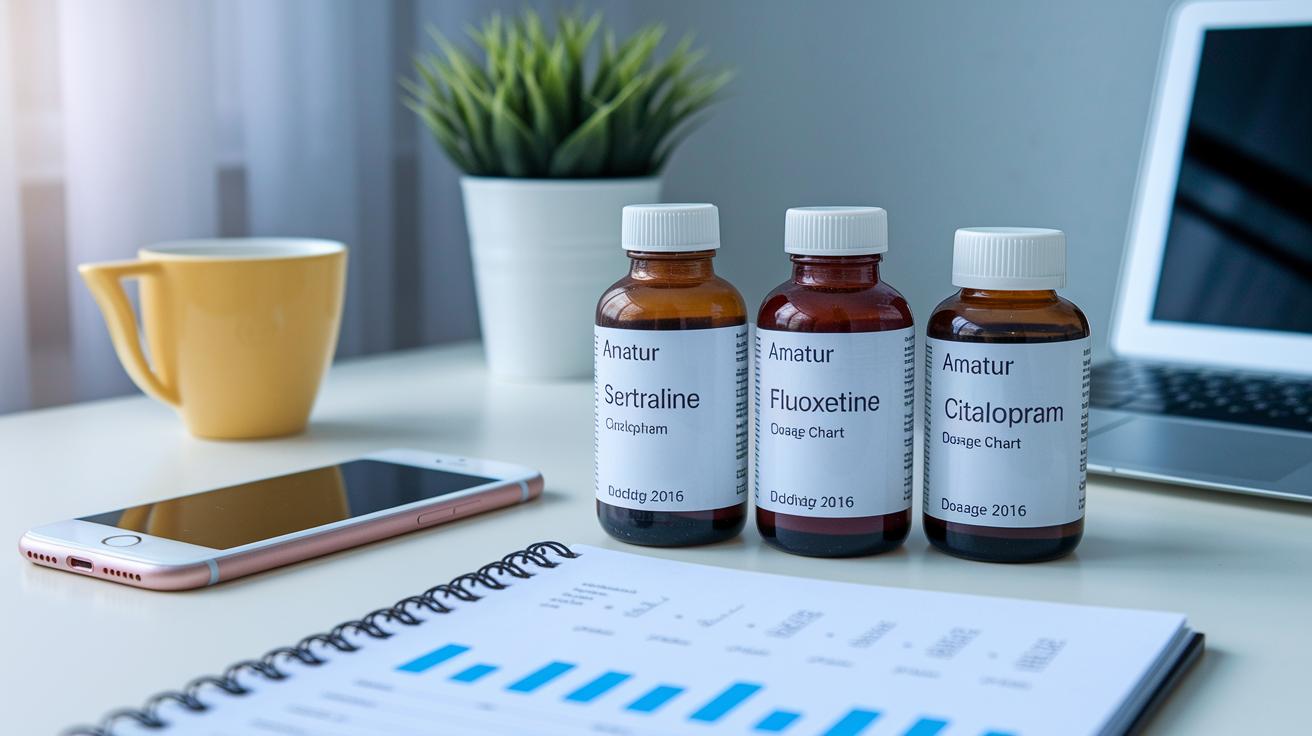
When choosing an SSRI to help with anxiety, think about how drugs like sertraline, fluoxetine, and citalopram differ in strength, duration in your system, and possible side effects. Sertraline is a popular choice for its steady performance. Fluoxetine, with its longer lasting effect, can keep your medication levels more stable, while citalopram might be the right pick for some patients’ unique needs. Fun fact: nearly 9% of patients change their medication within the first two months because their body does not react well or the side effects become too much.
Each SSRI is approved by the FDA for certain conditions, which means the best option really depends on your age, other medicines you might be taking, and any other health concerns you have. Managing anxiety is a very personal journey, and the right medicine can not only ease your symptoms but also reduce unwanted side effects. It's all about finding that sweet spot with your healthcare provider, to make sure your treatment fits your life and your needs perfectly.
Dosage Guidelines and Administration Protocols for SSRIs in Anxiety

When you begin taking SSRIs for anxiety, your doctor usually starts with a small oral dose. It's a bit like stepping gently onto a soft, grassy path, each step brings you closer to feeling at ease. You might get your medicine in tablets, capsules, or liquid form, depending on what suits you best.
Your dose will be slowly increased until it reaches the amount that best helps you feel better. Your doctor will keep a close watch on how you’re doing and check for any side effects, much like adjusting the volume on your favorite song until it sounds just right.
| Medication | Starting Dose | Target Dose | Titration Timeline |
|---|---|---|---|
| Sertraline | 25-50mg | 100-200mg | Over 4-6 weeks |
| Fluoxetine | 10-20mg | 20-40mg | Over 4-6 weeks |
| Citalopram | 10-20mg | 20-40mg | Over 4-6 weeks |
By carefully increasing your dose and watching your progress, you're taking steady steps toward feeling your best with these medications.
Recognizing and Managing SSRI Side Effects in Anxiety Patients

Starting any SSRI can bring a few side effects at first. Most folks notice these changes for a little while, and then they fade as your body gets used to the medication. It helps to keep track of how you’re feeling and have a chat with your doctor if anything seems off. And remember, your daily habits matter, a little alcohol might actually dampen the benefits of your pill, so it’s best to steer clear.
It’s also normal to worry about long-term changes like shifts in your weight or mood. Some people even mention sexual side effects. If this happens to you, don’t hesitate to talk with your healthcare provider. A simple record of your symptoms can really help your doctor adjust things if needed and keep your treatment on track.
When it comes time to stop taking SSRIs, never quit suddenly. Suddenly dropping the medication can lead to uncomfortable withdrawal symptoms. Instead, ease off slowly, usually cutting back over at least two weeks, to give your body time to adjust.
| Common SSRI Side Effects |
|---|
| Nausea |
| Headache |
| Sexual dysfunction |
| Weight fluctuations |
| Insomnia |
| Dizziness |
By keeping an eye on these side effects and working closely with your doctor, you can manage your treatment more smoothly and move towards that calm relief from anxiety.
Comparing SSRIs and Alternative Medications for Anxiety Management

SSRIs help by stopping your brain from reabsorbing serotonin, which can lift your mood and ease anxious feelings. SNRIs stop both serotonin and norepinephrine (a chemical that helps keep you alert) from being reabsorbed. Studies show that both medicines can work for anxiety, but many people notice different side effects with each.
Benzodiazepines work fast to ease anxiety, offering quick relief like a sudden deep breath. But they can lead to dependence over time. This makes SSRIs a better pick for steady, long-term care. Even though benzodiazepines act quickly, their potential for dependence means they aren’t usually recommended for ongoing use without close guidance.
Some folks also explore non-medication options alongside their prescriptions. These methods can work with SSRIs to bump up your overall well-being. For example:
- Cognitive behavioral therapy to reshape anxious thoughts
- Changing up your diet for consistent energy
- Regular exercise, like a gentle walk or yoga, for natural stress relief
- Good sleep habits that help your body and mind restore
Choosing the best approach depends on your health needs, other medications you might be taking, and your lifestyle. Talk it over with your doctor so you can find the right combination to help you feel calm and supported.
Integrating SSRIs into Comprehensive Anxiety Treatment Plans

SSRIs work best when they are combined with talk therapy, especially cognitive behavioral therapy (CBT, which helps change negative thought patterns). One person said, "After a few CBT sessions, my worry turned into manageable concerns."
Adding simple lifestyle changes can boost how well your medicine works. Regular exercise, eating balanced meals, and getting enough sleep really make a difference. Imagine starting your day with a brisk walk that clears your mind, followed by a healthy breakfast that fills you with energy.
Talking about realistic timelines and letting patients know about possible side effects also keeps the treatment on track. One individual mentioned, "Noting small improvements every week keeps me motivated." Keeping an eye on your symptoms and having regular follow-up talks helps adjust the plan whenever needed.
| Component | Example |
|---|---|
| Therapy | “After a few CBT sessions, my worry turned into manageable concerns.” |
| Lifestyle | “A morning walk clears the mind, followed by a healthy breakfast.” |
| Patient Education | “Noting small improvements every week keeps me motivated.” |
Final Words
In the action, we broke down how SSRIs work and why they matter for anxiety relief. We covered starting doses, safe titration, and careful monitoring of side effects. There’s also a look at comparing these medications with other options and blending them with lifestyle fixes and therapy. Every piece helps build a full picture for anyone seeking balanced, health-smart treatment. Embracing an ssri for anxiety can be a key step in moving toward a smoother, healthier vibe.
FAQ
What are the pros and cons of SSRIs for anxiety?
The pros and cons of SSRIs for anxiety include improved mood through increased serotonin and reduced anxiety symptoms in many patients, balanced by potential side effects and variable effectiveness across different individuals.
How do SSRIs work for anxiety and what is their mechanism of action?
The mechanism of SSRIs works by blocking the reabsorption of serotonin in the brain. This increase in serotonin helps lift mood and gradually reduce anxiety symptoms over several weeks.
What are some common side effects of SSRIs like nausea and rashes?
The common side effects of SSRIs include nausea, headaches, occasional skin rashes, changes in sexual function, and weight variations. These effects usually lessen after the first few weeks of treatment.
Which SSRIs are typically prescribed for anxiety?
Commonly prescribed SSRIs for anxiety include sertraline, fluoxetine, and citalopram. Doctors choose among these based on an individual’s overall health, side-effect tolerability, and FDA-approved indications.
What does using a low dose SSRI for anxiety involve?
Low dose SSRI treatment starts with a small dose of medication and gradually increases under medical supervision to help ease the body into the therapeutic range while reducing initial side effects.
How is SSRI for anxiety discussed on platforms like Reddit?
On platforms like Reddit, individuals share personal experiences with SSRI treatment for anxiety, including dosage adjustments, managing side effects, and practical tips they learned from real-life scenarios.
Is Xanax classified as a SSRI or SNRI?
Xanax is not classified as a SSRI or SNRI. It is a benzodiazepine, a different type of medication that provides rapid anxiety relief but carries a higher risk of dependence.
What is the best SSRI for anxiety?
The best SSRI for anxiety depends on personal factors such as health history and side-effect responses; commonly, sertraline or fluoxetine are favored, but a healthcare provider will tailor the choice to the individual.
Are SSRIs safe for long-term use in anxiety treatment?
SSRIs are generally safe for long-term use when managed by a doctor. Regular check-ins and careful dosage adjustments help maintain their effectiveness while minimizing any long-term side effects.