Have you thought about trying a natural way to ease anxious feelings? NAC might be the simple, gentle boost you've been curious about.
Imagine a calm, steady stream flowing after a heavy rain. That’s a bit like how NAC works. It helps increase antioxidants (the natural defenders that protect your cells) and balances the brain chemicals that guide your mood.
Some early studies even suggest that using NAC regularly may help you feel calmer over time. In this post, we’ll share three easy ways NAC might bring soothing relief to your anxious moments, so you can decide if it fits into your daily self-care routine.
NAC and Anxiety: Benefits, Effectiveness, and Scientific Support
NAC boosts your body’s natural defense by increasing glutathione, the main antioxidant that helps protect your liver and brain. This extra antioxidant work clears out oxidative stress, a factor known to trigger anxiety. Imagine your body like a calm stream that smooths out after a storm. A surprising fact is that before NAC was used widely in emergencies, its ability to safeguard important organs was noticed in clinical studies, leading researchers to explore its role in mental health.
NAC also works on balancing glutamate, a chemical messenger in your brain. When glutamate levels are off, anxiety can rise. By keeping this messenger in check, NAC helps your brain send signals more clearly, much like tuning a radio to reduce static so you can enjoy your favorite song.
Research supports these benefits. Animal studies show that stressed mice given NAC act less anxious. In human trials, a group analysis found that NAC resulted in a small but meaningful mood boost, similarly to what some standard treatments achieve. These findings suggest that NAC, through both antioxidant support and careful regulation of brain chemicals, might naturally ease anxiety symptoms. Always check with your healthcare provider before adding it to your overall wellness plan.
Optimal NAC Dosage Guidelines for Anxiety Management
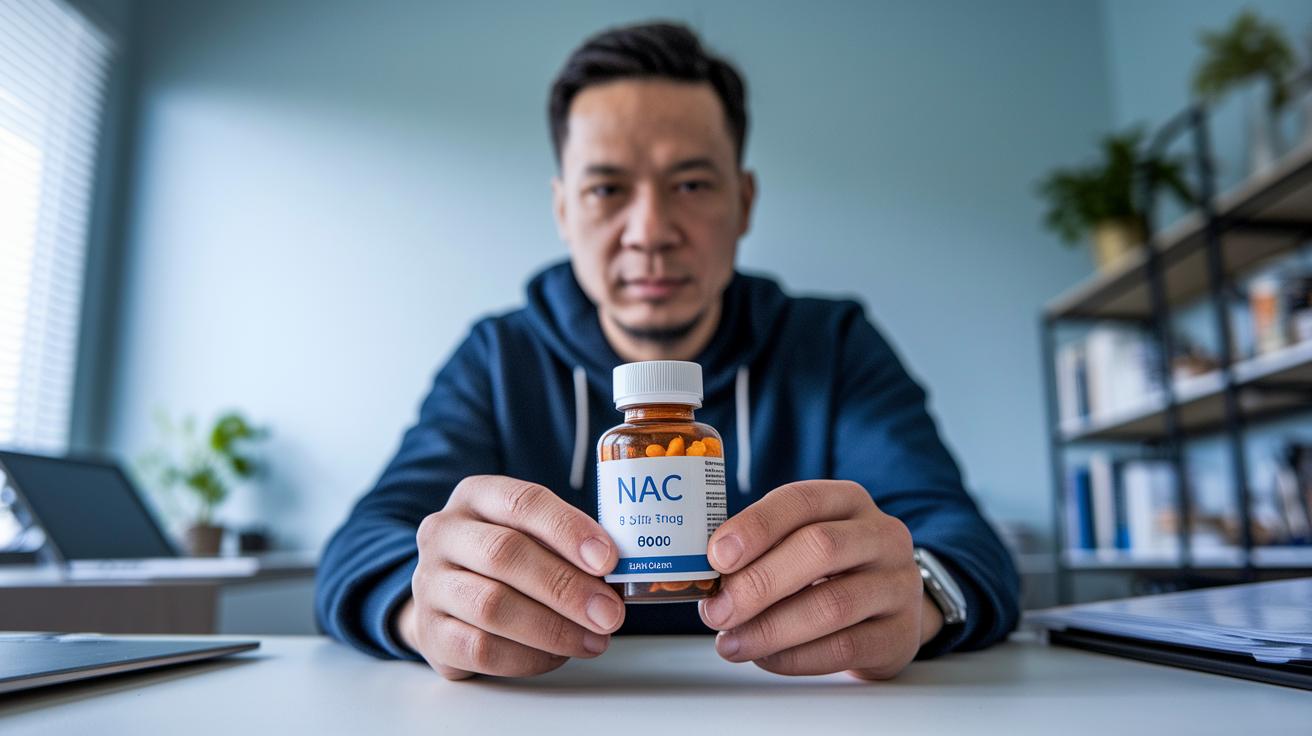
Most people find that taking 600 mg of NAC once or twice daily works well. Clinical studies have looked at these routines over periods ranging from 8 to 24 weeks. Many users notice a better mood or a reduction in anxiety within about 2 to 4 weeks. If your stomach feels a bit off, try taking it with food. One neat trick is to jot down your daily dose. For example, someone shared, "I took 600 mg every morning and felt a calming change after just a few weeks." This simple routine can easily fit into your everyday self-care.
You might also want to tailor your NAC dosage to your personal needs. If you're interested in a custom approach, a good rule is around 8 to 10 mg per kilogram of your body weight per dose. This means taller individuals or those with more weight might need a tiny bit more to get the same benefit. Watching your progress with this weight-based idea can help you find the right balance for easing anxiety while working with your body’s unique needs.
Safety Profile and Side Effects of NAC in Anxiety Treatment
NAC is safe for most people. Some might notice a mild headache or a little stomach discomfort. Taking it with meals can help ease any tummy troubles. One user shared that pairing their morning dose with breakfast really helped.
In emergency care, such as for an acetaminophen overdose, patients often receive much higher doses of NAC without serious issues. This shows that NAC can be safe even at high levels. It’s reassuring to know that major side effects don’t happen very often.
For anxiety, most people stick to a daily dose between 600 and 1,200 mg. The chance of taking too much at this level is very low, but it’s still a good idea to follow your doctor’s advice. Listen to your body and watch for any changes so you can adjust if needed. One user remarked that after talking with their healthcare provider, they discovered the right dose to ease both their anxiety and any minor side effects. Paying attention to things like heart rate and how your stomach feels is a smart way to make sure NAC fits well into your wellness plan.
Comparing NAC with Conventional Anxiety Treatments
NAC has shown encouraging results that match many common anxiety medications. It helps balance glutamate, one of the brain's main messengers for mood, while typical drugs like SSRIs mainly focus on serotonin. Studies over 8 to 12 weeks have found that NAC can ease anxiety and depression almost as well as regular treatments. This means that many people might feel a similar sense of calm whether they use NAC alone or with other therapies.
NAC and SSRI Interactions
Some studies suggest that taking NAC with SSRIs can offer extra help in managing mood. NAC works to even out glutamate levels, which pairs nicely with the serotonin effect of SSRIs. Early trials hint that adding NAC might boost the overall response, though more research is needed. If you decide to combine these treatments, it's important to keep track of how you feel and adjust the dose under your doctor's guidance. Experts recommend careful monitoring of both dosage and timing to ensure a balanced effect, making this combined approach a thoughtful option for easing anxiety symptoms.
Selecting Quality NAC Supplements for Anxiety Relief
When looking for NAC supplements to help with anxiety, keep an eye out for products that give you 600 mg per capsule or tablet. This amount makes sure you get a steady dose that can support your body's glutathione levels (the natural substance in your body that helps keep you balanced and may ease anxiety).
It's a good idea to choose supplements that have been tested by an outside party. Certifications like USP or NSF mean the product has been checked for harmful stuff like heavy metals and meets high standards of purity.
| Quality Indicator | What to Look For |
|---|---|
| Standardization | 600 mg NAC per serving |
| Third-Party Testing | Certificates from USP or NSF |
| Formulation Type | Sustained-release options for improved tolerability |
| Consumer Feedback | Positive reviews on digestibility and complementary antioxidants |
When you're shopping for these supplements, take a minute to check the label for a clear list of ingredients and dosage details. Look for a Certificate of Analysis that shows the product got independently tested, and read user reviews to see if others are happy with it and if it fits your budget. You might also find some options that mix in extra ingredients to help manage stress. This careful look at the details can help you pick a product you can trust to fit right into your daily routine and support your overall wellbeing.
Final Words
In the action, we explored how NAC works to support brain health by regulating neurotransmitters and boosting antioxidants. We looked at dosage tips, safety insights, and compared this remedy with more common treatments.
We also shared thoughts on picking quality supplements for optimal results. Using nac for anxiety can be a helpful part of a balanced plan for better living. Small changes can make a big difference, so keep trying new strategies to feel your best.
FAQ
How does NAC help with OCD?
The NAC may help with OCD by boosting antioxidant levels in the brain and modulating glutamate, which might ease repetitive behaviors and obsessive thoughts, though more research is needed.
What do Reddit discussions reveal about NAC for anxiety?
Reddit posts show that many users find NAC helpful for easing anxiety. They mention reduced stress and a calmer mindset, though individual results can vary based on personal physiology.
What is the recommended dosage for NAC when treating anxiety and depression?
The NAC dosage for anxiety and depression generally averages 600 mg once or twice daily. Some users adjust the dose based on body weight, often noticing improvements in a few weeks.
What do reviews generally say about using NAC for anxiety and OCD?
Reviews suggest that NAC may ease anxiety and OCD symptoms by supporting antioxidant systems and regulating neurotransmitters. Many note gradual improvements, although experiences differ between individuals.
Can NAC cause anxiety or trigger adverse effects?
NAC is not known to cause anxiety. Some people may experience mild side effects, like nausea or headache, but these issues typically lessen when the supplement is taken with food.
Is NAC safe for children?
NAC use in children should always be supervised by a healthcare provider. While some research supports its benefits, professional guidance is essential for proper dosing and safety.
Is NAC considered safe during pregnancy?
NAC is generally seen as safe during pregnancy when used under a doctor’s advice. Pregnant individuals should consult with their healthcare provider to weigh benefits against any risks.
Does NAC trigger nausea?
NAC may cause mild nausea in some individuals, though taking it with food often minimizes this side effect, allowing most users to tolerate it well.
How does NAC support the nervous system?
NAC supports the nervous system by boosting antioxidant levels and helping regulate neurotransmitter balance, which may protect brain cells from oxidative stress and promote overall neural health.