Ever notice your heart beating faster when you’re with others? It can feel really overwhelming at times, and a few simple tricks can help you feel more at ease.
Imagine taking a slow, deep breath or pausing for just 30 seconds, and feeling that weight lift off your shoulders.
In this post, we share easy ways to turn busy, crowded moments into little pockets of calm. A mindful breath or a quick break might be just what you need to reset your focus and spark a gentle calm in your day.
Essential Stress Reduction Skills for Social Anxiety: Immediate Calming Techniques
When social anxiety hits, your heart might race, your hands could get sweaty, and you feel a rush of energy. In those quick moments, a simple tip can help stop the worry from growing. Sometimes, taking one slow, deep breath or pausing for just a moment can bring you back to now.
These small actions work like a reset. They shift your focus from heavy thoughts to the simple feel of your breath or surroundings. This not only eases the instant stress but also builds a little pocket of calm you can use later.
- 4-7-8 breathing: Breathe in slowly for 4 seconds, hold your breath for 7 seconds, then breathe out slowly for 8 seconds.
- Renaming anxiety as excitement: Swap the word "anxiety" with "excitement." Tell yourself, "I feel eager instead of overwhelmed."
- 5-4-3-2-1 grounding: Notice 5 things you can see, 4 things you can touch, 3 things you can hear, 2 things you can smell, and 1 thing you can taste.
- 30-second personal time-out: Step outside or find a quiet spot for 30 seconds to gather yourself.
- Positive affirmations: Repeat kind words in your mind, like "I am safe" or "I can handle this."
By practicing these techniques again and again, you help your body learn to relax on its own. Over time, these little steps can turn stress into a feeling of calm, even in crowded or anxious moments.
Mindful Respiration as a Stress Reduction Skill for Social Anxiety
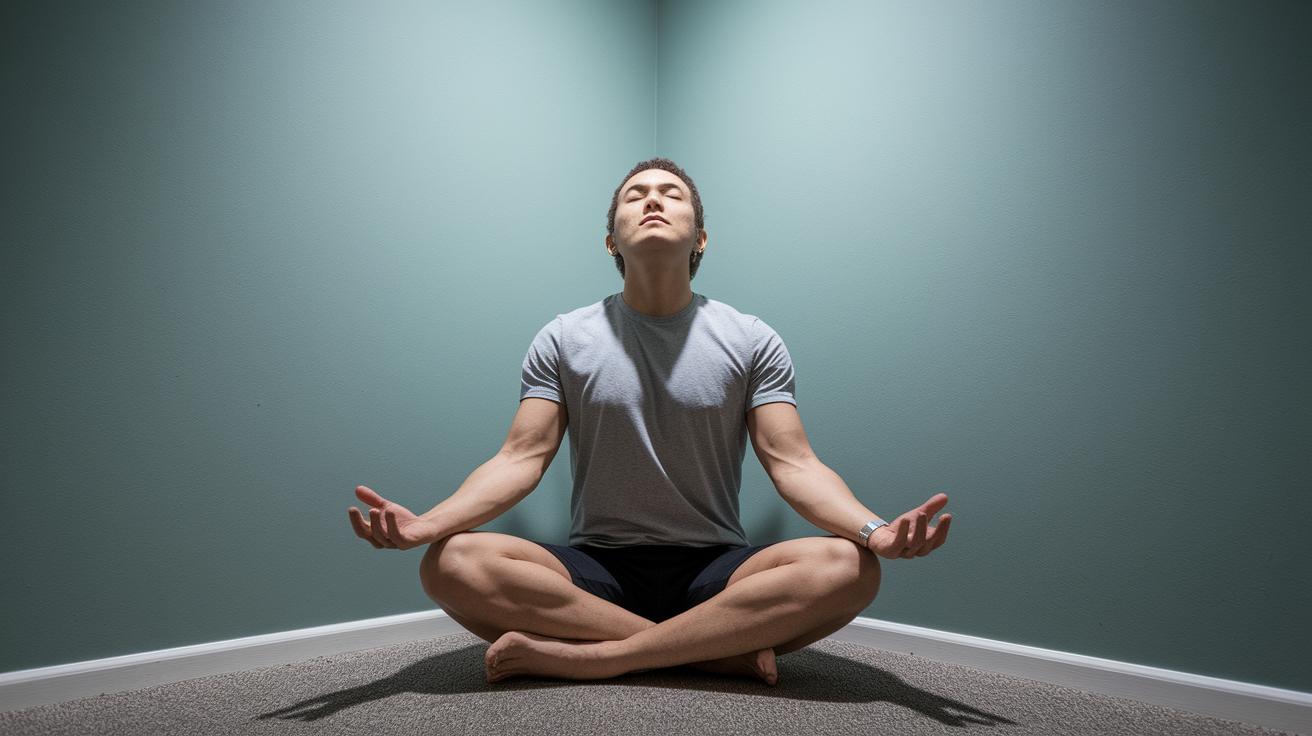
Deep belly breathing works by engaging the diaphragm, the muscle just below your lungs, to slow your heart rate and calm your body. When you breathe slowly and deeply from your stomach, it sends gentle signals to your brain to ease tension and lessen those physical stress signs. Think about it like taking a small, refreshing break with each full, mindful breath that helps shift your focus away from worry.
One easy technique is box breathing. In this method, you inhale for 4 seconds, hold your breath for 4 seconds, exhale for 4 seconds, and then pause for another 4 seconds. Unlike the 4-7-8 technique, box breathing gives your routine a steady rhythm that keeps both your breath and mind balanced. Give it a try by counting each second as you breathe, letting each pause bring in a soothing wave of calm.
You might find that adding mindful respiration to your daily routine really helps, especially before or during moments that make you anxious in social settings. Stepping aside for a few rounds of box breathing in a quiet corner can help break the build-up of nervous energy. With a bit of practice, these simple deep breathing exercises can become a real go-to tool for staying calm and steady when interacting with others.
CBT-Guided Relief Protocols for Stress Reduction Skills in Social Anxiety

CBT is a trusted way to ease social anxiety. It helps by catching and changing the negative thoughts that can hold you back. Studies show that over a 12-week period, this approach can cut anxiety symptoms significantly, by about 60%. Think of it as a gentle reset for your mind, where you learn to swap harmful ideas for more balanced ones. Practicing in safe spaces, like doing role-playing exercises with a friend, gives you a chance to ease into real social encounters.
Step 1: Begin by noticing a negative thought such as "Everyone is judging me." Then, take a moment to look for real evidence behind that idea. Ask yourself, "Is there clear proof, or is this just something I assume?" Once you see the possibilities, try replacing the thought with something more balanced like, "Some people might notice me, but most are busy with their own thoughts."
Step 2: Practice these new, balanced thoughts in a comforting setting. For example, have a brief chat with a trusted friend where you share your new perspective. By role-playing scenarios like these, you start turning abstract ideas into real reactions. This practice helps you move from a state of worry to one of calm, even when unexpected social pressures come around.
Over time, using these simple steps in your daily life can change your inner dialogue. With practice, these reframed thoughts ease social discomfort bit by bit, giving you a steadier, more relaxed way to interact with groups.
Visualization Exercises for Serenity as Stress Reduction Skills in Social Anxiety

Guided imagery uses your brain's natural power to picture calm moments. Research shows that thinking of peaceful scenes can lower anxiety by about 30%. Imagine your mind like a projector that beams soothing signals to your body. Think of it as a movie in your head where each scene helps you feel safe and at ease.
One idea is to picture a group of kind, friendly people. Picture yourself walking into a room where everyone greets you with warm smiles and nods. Then, imagine yourself standing tall, with relaxed shoulders and a genuine smile, speaking clearly and confidently. Try this little mental rehearsal for 2 or 3 minutes before a social event.
Practicing these mental scripts every day can turn visualization into a powerful habit. With regular pre-event sessions, your brain learns to use calm responses more easily. Over time, these simple exercises help your mind switch quickly from stress to a relaxed, focused state during social moments.
Progressive Muscle Relaxation Sequences as Stress Reduction Skills for Social Anxiety

Progressive muscle relaxation is a simple and effective way to ease stress. It guides you through a series of steps where you tense and then relax your muscles. This easy routine can help calm your mind and body, making it a great tool to use before entering a busy place or during a quiet break at a social event.
- Feet: Squeeze the muscles in your feet for 5 seconds, then fully relax them for 10 seconds.
- Calves: Tighten your calf muscles for 5 seconds and then let them soften for 10 seconds.
- Thighs: Firmly squeeze your thigh muscles for 5 seconds, and then allow them to relax for 10 seconds.
- Hips: Contract your hip muscles for 5 seconds, followed by a 10-second break.
- Abdomen: Gently pull in your tummy for 5 seconds, then ease off for 10 seconds.
- Arms: Clench your arm muscles tightly for 5 seconds and then let them relax slowly for 10 seconds.
- Shoulders: Lift your shoulders and tense them for 5 seconds, then drop them to relax for 10 seconds.
- Neck: Tense your neck muscles for 5 seconds, then allow a gentle 10-second release.
- Face: Scrunch up your face for 5 seconds and then completely relax your facial muscles for 10 seconds.
Try fitting in this routine whenever you feel your anxiety rising. In one four-week study, people who practiced these steps daily saw their anxiety drop by about 20%. Whether you’re about to join a lively crowd or just taking a quiet moment for yourself, these simple steps help your body automatically shift into a state of calm.
Gradual Exposure Strategies for Stress Reduction Skills in Social Anxiety
Gradual exposure is a simple way to ease feelings of dread by gently getting used to situations that usually make you anxious. Studies show that over just eight weeks, slowly facing these challenges can cut avoidance behaviors by almost half. When you start with smaller, low-stress situations, your body and mind eventually learn that these moments are not as overwhelming as they may seem.
Taking small steps not only helps reduce discomfort around crowds but also boosts your confidence over time. It can be really helpful to keep a journal where you write down the specific moments that trigger your anxiety and rate how intense your feelings are. This practice lets you adjust your approach and see how far you've come. Having a simple plan to step away if things become too much can make you feel more in control and calm your racing thoughts.
Begin with everyday tasks like ordering a cup of coffee or having a quick chat with a friend. Then, you might try joining a small group, and later, work up to larger gatherings. With each step, from that first coffee run to a busy social scene, you build trust in yourself and turn what once felt daunting into a challenge you can manage.
Self-Help Ideas and Peer-Assisted Strategies as Stress Reduction Skills for Social Anxiety
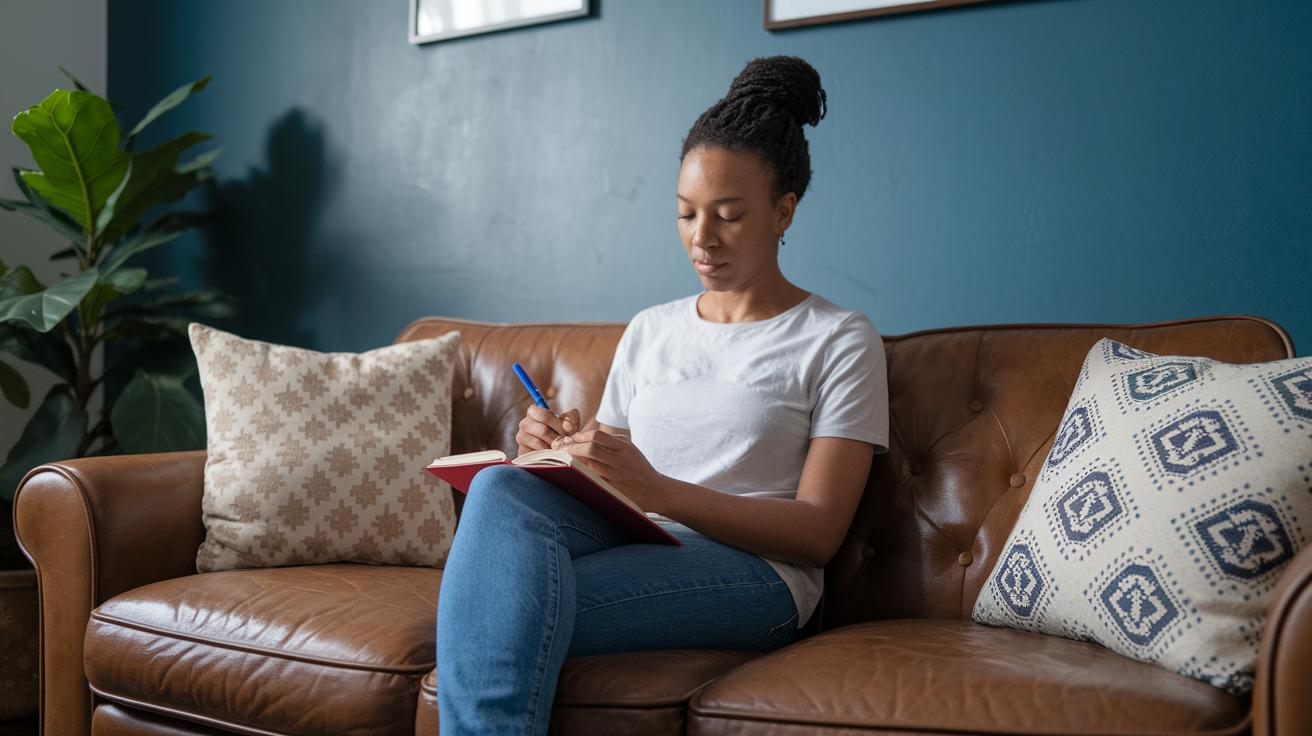
Taking a little time to work on self-help techniques can help you feel calmer when things get tough. Try imagining a friendly conversation in your head or even practice talking in front of a mirror. A gentle reminder like “I can do this” goes a long way. You might also jot down in a journal the moments when you notice yourself feeling a bit more relaxed, like starting a conversation or giving someone a small compliment.
Lean on a good friend or join a support group where everyone understands. It can be really helpful to role-play moments that make you anxious with someone who cares about you. You can even attend small workshops where you receive kind, gentle feedback. These safe, welcoming spaces can make it easier to try out standing up for yourself, so you gradually feel more in charge.
Remember to note down even your tiniest wins each day. Maybe you stayed a few extra minutes at an event or sparked a friendly chat. Over time, these small steps turn into steady habits that help build your inner calm.
Meditative and Lifestyle Approaches as Long-Term Stress Reduction Skills for Social Anxiety

Every day, taking just a few quiet moments to breathe deeply can help bring calm into your busy life. Start with a simple five-minute session where you focus on slow, deep breaths. As you inhale, think of welcoming calm; as you exhale, let go of the tension you’re feeling. This little habit may seem small, but over time it can clear your mind and help you feel more balanced.
Changing your lifestyle can also make social interactions less stressful. Think about fitting in some exercise, getting a solid seven to eight hours of sleep, and cutting back on alcohol. These steps work together to improve both your body and your mind. Maybe at the end of the week, treat yourself to a small act of kindness, like reminding yourself, "I am strong, and I choose calm", after a brisk walk or a quiet moment of reflection.
Sometimes, working with a professional can give you an extra boost. Joining a group workshop or doing sessions on confidence coaching with a guide can really help you see things differently. Research even shows that regular sessions can boost your resilience. Just as you would train a muscle, practicing with a supportive teacher can build up your inner strength over time.
When you mix these practices, mindful breathing, lifestyle changes, and a bit of expert guidance, they help turn occasional calm moments into a steady, reliable way to handle social anxiety. Every new day becomes a fresh chance to build on your inner peace with each mindful breath you take.
Final Words
In the action, we explored rapid techniques like timed breathing, simple grounding, and empowering self-talk to ease social anxiety. We discussed turning nervous vibes into positive energy, taking personalized time-outs, and using quick muscle relaxation to keep jitters at bay.
Regular practice of these quick stress reduction skills for social anxiety helps build a calm state that feels natural and real. Keep moving forward, and relish each moment of growing strength and confidence.
FAQ
What does a social anxiety coping skills PDF include?
The social anxiety coping skills PDF includes easy worksheets and clear techniques designed to help manage anxious feelings in social settings, offering step-by-step guidance to boost comfort and reduce tension.
How can one overcome social anxiety and shyness quickly?
The methods to overcome social anxiety fast involve practical steps like breathing exercises, grounding techniques, and positive affirmations, which provide rapid relief and help ease shyness in social interactions.
What is a social anxiety test?
The social anxiety test evaluates your feelings and physical responses in social settings, helping to measure anxiety levels and suggest ways to manage stress effectively.
What is social anxiety disorder?
The social anxiety disorder is a condition characterized by intense fear in social situations, often causing significant worry about being judged and leading to avoidance of interactions.
What does social anxiety treatment involve?
The social anxiety treatment usually combines cognitive-behavioral strategies, stress-reduction skills, and gradual exposure practices to help reduce anxious symptoms and build confidence.
What are common social anxiety symptoms?
The social anxiety symptoms include a racing heart, sweating, trembling, and a deep fear of judgment during social interactions that can disrupt everyday life.
What is the 333 rule for social anxiety?
The 333 rule for social anxiety is a grounding method that directs attention to specific details in your environment, shifting focus from anxious thoughts and fostering a sense of calm.
What are some effective relaxation techniques for social anxiety?
The relaxation techniques for social anxiety feature deep breathing, progressive muscle relaxation, and visualization methods, all aimed at interrupting anxious thoughts and promoting calm in stressful moments.
What activities benefit someone with social anxiety?
The activities good for social anxiety include gentle exercise, mindfulness practices, role-playing safe scenarios, and joining supportive groups to boost confidence in social settings.