Have you ever noticed that quick, shallow breaths can leave you feeling even more on edge? When everything seems to speed up, our breathing tends to speed up too, adding extra stress to our day.
Imagine this: your heart racing as you take rapid breaths. But then, if you slow down and take a few deep, calm breaths, you might feel a gentle shift toward peace.
Today, I want to share some easy breathing exercises to help you pause when life feels overwhelming. Taking slow, mindful breaths can smooth out that frantic heartbeat, ease anxiety, and even lift your mood.
Let’s try these techniques together and see how a few careful breaths can help you feel balanced and relaxed.
Proven Breathing Strategies for Anxiety Reduction
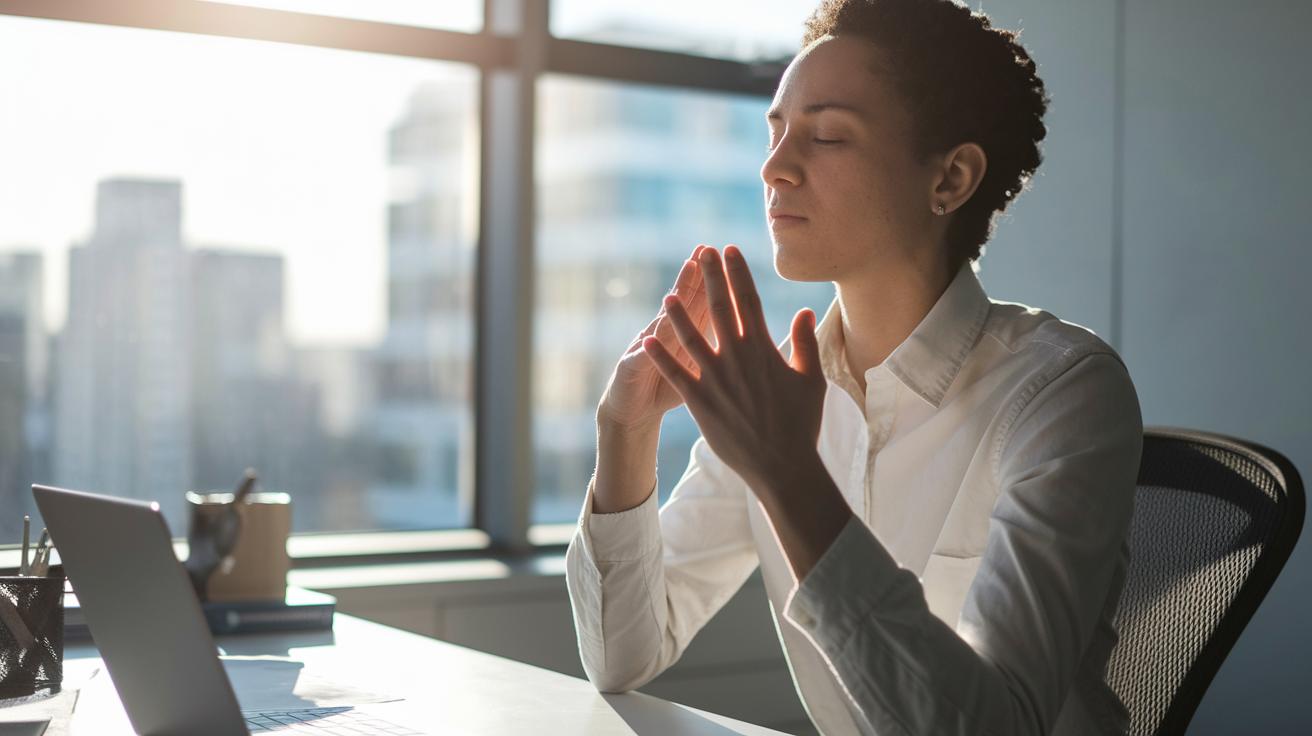
When you’re feeling overwhelmed, your breaths can get short and quick. This type of breathing tells your body to stay on alert, much like a car engine that’s revving too much. Imagine you’re at work during a busy day, taking fast, shallow breaths without even noticing. Instead of calming you down, it ends up keeping you stressed.
A simple trick that works wonders is the 4-8 breathing method. You breathe in slowly over 4 counts and then let your breath out softly for 8 counts. This steady rhythm can help slow your heart and send a clear message to your brain that it’s time to relax. Picture yourself sitting quietly, each deliberate breath gently easing away some tension.
Studies have found that these deep, controlled breaths can lessen feelings of anxiety and even boost your mood. It’s amazing to think that something so simple can change how you feel. Try fitting in a short session during your morning routine and notice how your body gradually shifts from stress to a calm, steady state.
How Breathing Affects Anxiety: The Science
Chronic stress is like a long-lasting tension that affects both your body and mind. When stress sticks around, it can raise your blood pressure, cause headaches, and even lead to heart troubles. Imagine it as a slow-burning fire inside you that, if not put out, can wear you down over time.
When you breathe in a slow and controlled way, it helps switch your body into a calm mode. This happens because your vagus nerve, a key nerve that sends signals through your body, shifts you from a fight-or-flight state into one where you rest and digest. In simple terms, your heart slows down and your muscles start to relax.
Making mindful breathing a regular habit does more than give you a quick break from stress. Each deep, slow breath acts like a gentle tap on the brakes during a hectic day. Over time, your body learns to respond to stress in a milder way, which can help lower anxiety naturally.
Science shows that mindful breathing can clear your mind and lift your mood. Researchers have found that when you use these techniques, your brain handles stress better and your emotions balance out more smoothly. In the end, even a simple breathing routine can make stress easier to handle and boost both your mental and physical health in the long run.
Step-by-Step Breathing Exercises for Panic and Stress Relief
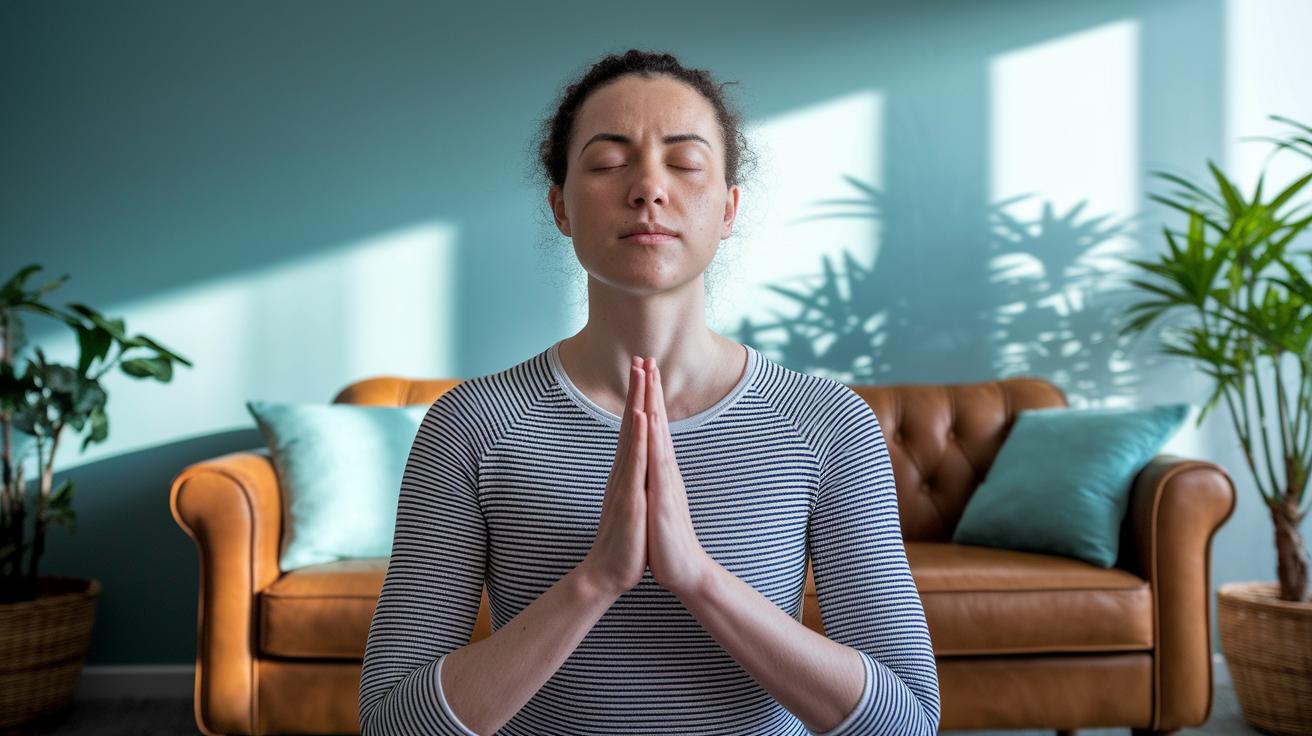
When stress hits, slow, mindful breathing can help calm your body and clear your mind. Here are five easy exercises that guide you through a simple pattern to soothe your nerves and reduce panic.
• 4-7-8 breathing: Breathe in for 4 seconds, hold your breath for 7 seconds, then let it out slowly for 8 seconds.
• Diaphragmatic breathing: Rest one hand on your belly to feel it rise gently as you breathe in and fall as you breathe out.
• Box breathing: Inhale for 4 seconds, hold for 4 seconds, breathe out for 4 seconds, then hold your breath for another 4 seconds.
• Resonance breathing: Try to complete about five deep breathing cycles each minute, with each cycle taking roughly 12 seconds.
• 3-3-3 exercise: Breathe in for 3 seconds, pause for 3 seconds, and exhale for 3 seconds to get quick relief.
4-7-8 Breathing
Sit comfortably with your back straight and your feet flat on the floor. Close your eyes and slowly breathe in through your nose for 4 counts, hold the breath for 7 counts, and exhale slowly through your mouth for 8 counts. This method helps slow your heart and focuses your mind on the gentle rhythm of your breathing, easing stress and panic.
Diaphragmatic Breathing
Stand or sit in a relaxed position and place one hand on your chest and the other on your belly. Breathe in deeply through your nose so that your belly expands, and then exhale slowly through your mouth. Focusing on the rise and fall of your belly can distract you from anxious thoughts and help release built-up tension.
Box Breathing
Find a quiet space where you won’t be disturbed. Sit with a relaxed posture and breathe in for 4 counts, hold for 4 counts, breathe out for 4 counts, then pause for another 4 counts before starting again. This structured cycle helps steady your thoughts and improve concentration when stress creeps in.
Try practicing these breathing exercises two or three times every day in a calm and quiet spot. With a little practice, you might be surprised at how quickly you can feel more relaxed and in control.
Creating a Daily Breathing Routine for Ongoing Anxiety Management
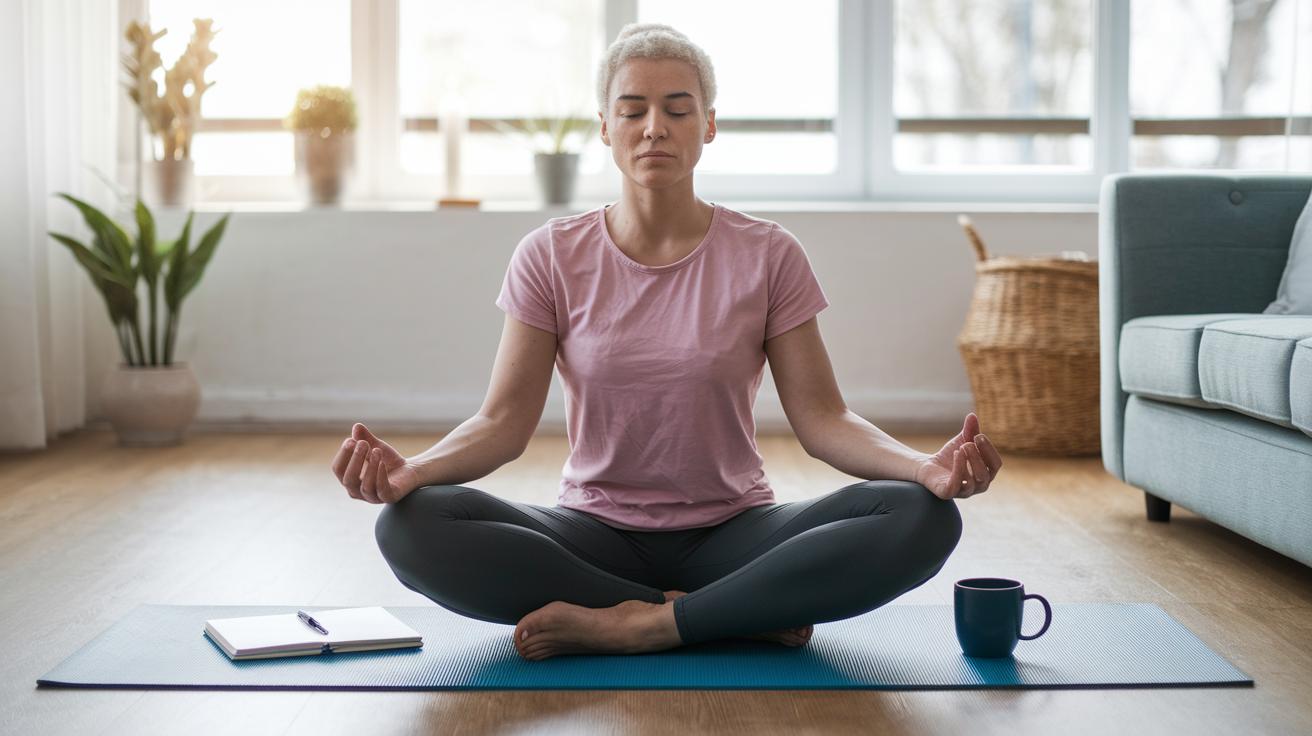
Set aside 5 to 10 minutes twice a day for some simple breathing exercises. You might try doing them first thing in the morning or just before bed. These little sessions help your body learn to relax when stress comes along. Start with a quick two-minute session and gradually make it a bit longer as you get used to it.
Making this practice a regular part of your day means fitting it into your everyday routine. Maybe take a moment during a work break or between daily tasks to focus on your breath. Choose an exercise that feels good to you and stick with it. With regular practice, your body gets better at calming down even when things get busy.
You can boost the benefits by pairing your breathing exercises with other self-care habits. For example, combine them with some light physical activity or even start a daily journal to track your thoughts. This simple approach helps keep anxiety in check and brings more balance to your day.
Common Breathing Challenges and How to Overcome Them
Managing Dizziness
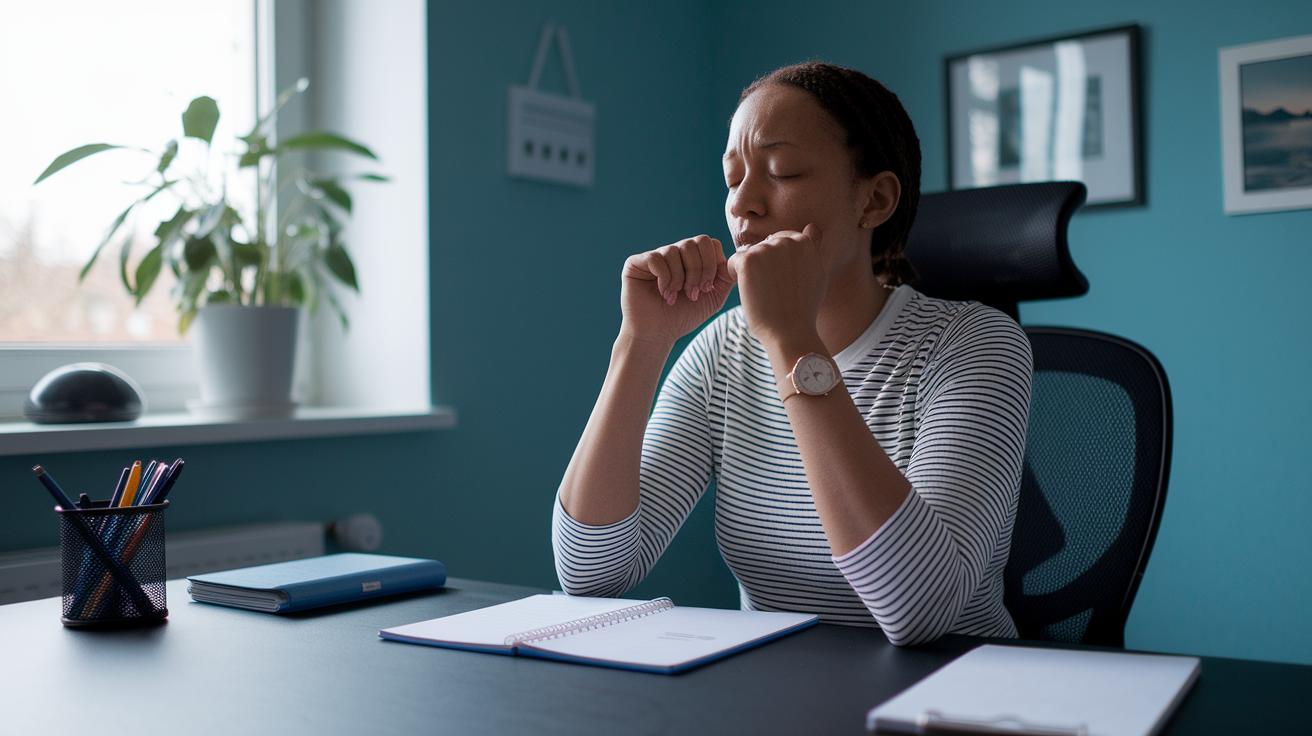
If your breathing routine makes you feel lightheaded, it might be because you're taking your breaths too fast or too deep. Try slowing down your breathing by adding a short pause between the inhale and exhale. This little break helps your body adjust and eases the dizzy feeling, letting you find a calm, smooth rhythm.
Maintaining Focus
It’s easy for your mind to wander when you’re stressed or tired. One way to keep focused is to count your breaths or use a timer. Imagine gently counting each inhale and exhale, almost like a soft beat that keeps distractions at bay. This simple trick can help you stay centered and in the moment.
Practicing Discreetly
Sometimes, doing breathing exercises in public or at work can feel a bit awkward. A helpful tip is to picture a quiet place in your mind or rehearse your breathing pattern silently. Also, try switching from shallow chest breathing to deep belly breathing by noticing the gentle rise and fall of your stomach. This way, you can relax without drawing too much attention.
Final Words
In the action, we explored how mindful breathing reshapes stress responses and calms the mind. You learned simple techniques that shift shallow, rapid breaths into a steady rhythm, easing anxiety naturally. Simple steps, like the 4-7-8 method, prove how accessible these strategies are. Regular practice builds confidence and promotes better overall wellness. Keep practicing these breathing and anxiety reduction techniques to brighten any day ahead.
FAQ
Q: What does the 4-7-8 breathing technique do for anxiety?
A: The 4-7-8 method calms anxiety by slowing your breath. It lowers your heart rate and eases tension, making stressful moments feel more manageable.
Q: How do breathing exercises help during anxiety attacks?
A: Breathing exercises reduce anxiety attacks by shifting you from rapid, shallow breathing to deeper, steadier breaths. This change brings a sense of calm and helps regain control.
Q: Are CBT breathing techniques effective for anxiety?
A: CBT breathing techniques work by combining mindful breath control with focused thinking. They interrupt anxious thoughts and help develop a calmer response to stress.
Q: Can deep breathing reduce symptoms of anxiety and depression?
A: Deep breathing reduces symptoms by easing tension and helping the body relax. It shifts focus inward and quiets the mind, which can ease both anxious and depressive feelings.
Q: Does deep breathing always help, or can it worsen anxiety?
A: Deep breathing normally reduces anxiety by calming the body. However, if you breathe too quickly, it might cause lightheadedness. Slowing your pace helps maintain calm without discomfort.
Q: Is deep breathing a cure-all for emotional challenges?
A: Deep breathing is a handy tool for relieving stress and anxiety, but it isn’t a complete fix. It works best when combined with other healthy habits like exercise, good sleep, and balanced nutrition.
Q: Where can I find a PDF guide for breathing exercises aimed at easing anxiety?
A: A PDF guide offers clear steps for breathing exercises to ease anxiety. Look for trusted health platforms that provide downloadable, easy-to-follow instructions for managing stress.