Have you ever wondered if a few quiet minutes could change the way you think? Sometimes, taking a short break can truly shift your mindset. Research shows that even a little mindfulness can help ease stress, boost focus, and improve memory.
Imagine feeling calmer and more alert just by pausing to breathe. It’s not simply about sitting in silence; it’s about giving your brain a chance to rest and reset. Have you ever felt the difference after a slow, deep breath?
In this post, we explore how meditation can make a real difference in your brain's health. A brief daily practice might just be the gentle nudge your day needs for clearer thoughts and a calmer mind.
Meditation and Brain Health: Calm Mind, Clear Thoughts

Meditation can help you feel calmer and less stressed. It isn't about emptying your mind but about being right here, right now, feeling every emotion and noticing the little details around you. Research shows that a regular few minutes of meditation can relax your body, soothe your worries, and even boost your emotional well-being. One surprising fact: many people who faced constant stress have found that just five minutes of meditation can make them feel more balanced and at ease.
Meditation also does wonders for your brain. It helps you focus, remember things better, and learn new skills by training you to concentrate on what matters. Many who practice notice they think more clearly during everyday tasks and pick up new ideas easily. This mindful habit strengthens your brain's ability to handle both thoughts and feelings, which can improve your work and personal life. Here's a simple tip: try meditating for just a few minutes each day and see how a short pause can boost your focus and refresh your mind.
Meditation’s Impact on Brain Structure and Neural Connectivity
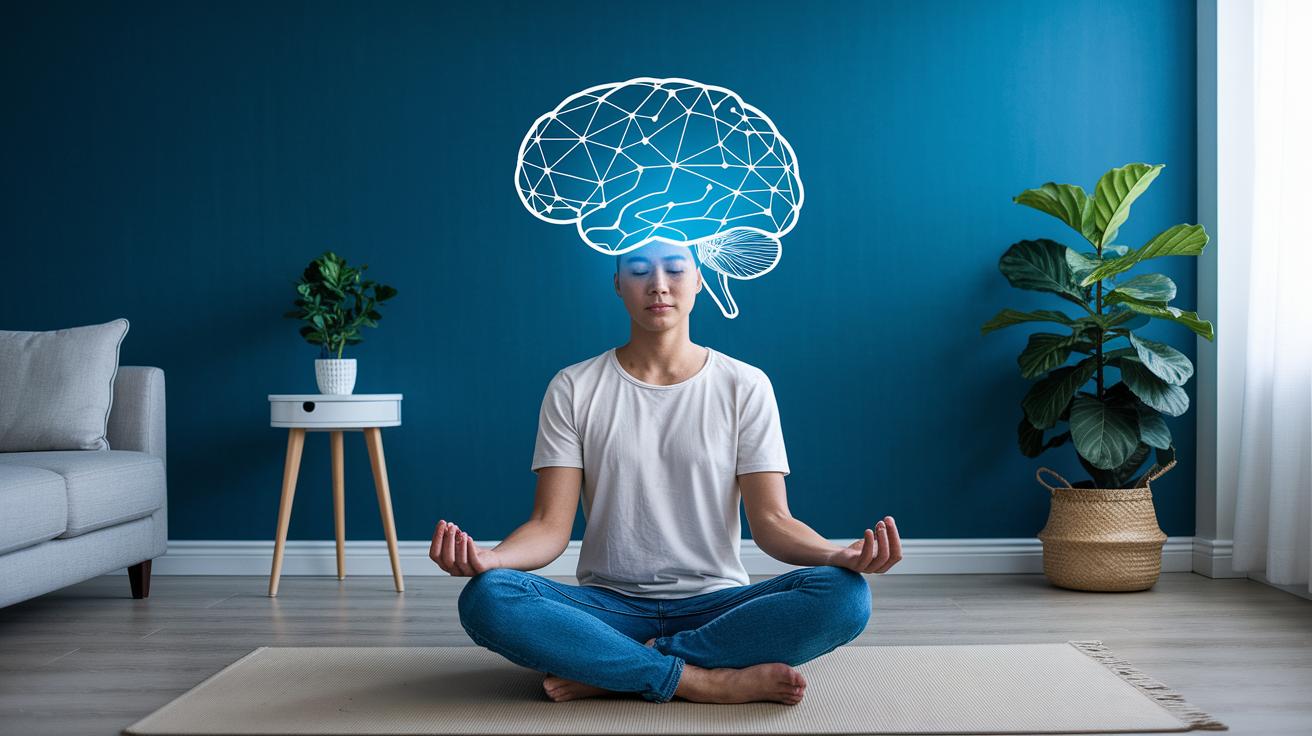
Science shows that meditation can change how your brain works. Regular mindfulness sessions help your brain rewire itself in noticeable ways. When you take a few minutes each day to meditate, improvements can happen from the outer brain layers right down to the deeper networks. This makes everyday tasks feel smoother and more natural.
- Your brain builds a thicker outer layer in key areas that help with decision-making and memory.
- Studies found that an eight-week mindfulness program can increase the brain’s gray-matter, which means more neural resources.
- Meditation strengthens the connection between brain parts that manage emotions, so you might feel more balanced.
- MRI scans show better network synchronization in the brain’s attention circuits. Check out more techniques on Mindfulness for racing thoughts to sharpen your focus.
- It also boosts the circuits that help with complex thoughts and problem-solving.
These changes show that meditation is more than just a way to relax, it can support your brain’s long-term health. By making meditation a regular part of your day, you might even build up resilience against everyday distractions and the natural effects of aging. In essence, meditation could be the steady boost your brain needs to stay agile and strong over time.
Meditation Techniques Driving Cognitive Enhancement

Meditation is more than a quiet pause, it’s a way to help your mind think clearly and work smarter. When you pick a meditation style that fits you, your brain learns to zero in on what matters and let go of pesky distractions. For example, with focused-attention meditation, you gently train your mind to stick with one task. Meanwhile, open-monitoring meditation teaches you to notice passing thoughts without getting sidetracked.
- Enhanced attentional control: Regular practice helps you guide your focus so distractions fade away.
- Memory consolidation support: Over time, meditation can help you form and hold onto new memories by repeating ideas in your mind.
- Reduced mind-wandering: Techniques that keep you grounded in the present make it easier to quiet random thoughts.
- Increased working-memory capacity: Studies show that steady meditation practice can boost your brain’s ability to juggle several tasks at once.
These simple techniques not only sharpen your focus but can also give your everyday routine a natural lift. Imagine feeling alert during a busy day or easily recalling details from a meeting. Meditation may seem small, but it can make a big difference in how you think and act every day.
Mindful Practices for Stress Reduction and Emotional Regulation
Research using brain scans shows that practicing mindfulness can lower stress hormones and help balance your emotions. It even helps the brain work better in areas that keep you calm and clear-headed.
For example, studies have noticed lower cortisol levels, which is the hormone that rises when you’re stressed. Plus, there's less reactive activity in the amygdala (the part that deals with fear) and more active thinking in the prefrontal cortex (the part that helps you make decisions). Here’s a simple look at these changes:
| Benefit | What Happens in the Brain |
|---|---|
| Stress Reduction | Fewer stress hormones like cortisol |
| Emotional Regulation | More activity in the thinking part of your brain |
| Anxiety Relief | Less reactivity in the fear center |
| Mood Stability | Better connectivity in your brain’s resting network |
Taking even a few mindful minutes each day can really help you manage stress and keep your emotions steady.
Integrating Meditation into Daily Life for Brain Vitality

Meditation can be a simple way to give your brain a little lift and help you feel renewed. Try starting with just five minutes, focusing on your breath. As you get used to it, you can slowly add more time. Even a few short sessions during your work breaks can help clear your mind and boost your focus. Over time, these moments of quiet build a steady habit that brings calm and clarity.
Here are some easy tips to include meditation in your daily routine:
- Set aside a regular time each day so meditation becomes a part of your schedule.
- Begin with short sessions and gradually increase the time as you feel more comfortable.
- Pick a quiet and cozy spot where you can relax without too many distractions.
- Mix up your practice with different exercises like focusing on your breath, scanning your body, or imagining calming scenes.
- Try using guided recordings or meditation apps to help keep you on track.
- Keep a journal to note how you feel and track your progress; you might find some journal prompts for mental health helpful.
These simple steps make it easier to weave meditation into your everyday life. With regular practice, you may notice that even small, mindful breaks add up to a clearer, more balanced mind. Enjoy each moment of stillness, you deserve it.
Emerging Research on Meditation in Neurodegenerative Prevention

Recent studies show that regular meditation might help keep your brain healthier as you age. People who practice meditation often lose brain tissue more slowly than those who do not. Researchers have found that meditation may lower brain inflammation (when the brain gets irritated) and help boost blood flow to the brain, which are both important for maintaining a calm and strong mind. These early findings suggest that a few minutes of quiet time might even help guard against memory loss. For example, scientists observed that older adults who practiced mindfulness kept parts of their brains that usually shrink as we grow older.
Current clinical trials are looking at meditation as an extra help for conditions like Alzheimer’s and Parkinson’s. Investigators are checking long-term brain health in older adults to see if adding meditation to their routine can make a difference. They are curious if meditation can ease symptoms and possibly slow down how quickly these conditions progress. Although we do not have all the answers yet, these promising studies give us hope that a little mindfulness could be a useful tool in protecting our brains as we age.
Final Words
In the action, we uncovered how meditation improves brain health by calming stress, sharpening focus, and supporting mood. The post detailed scientific shifts in our brains and shared easy tips for incorporating mindfulness into daily routines. Along the way, we saw how meditation strengthens cognitive abilities while reducing anxiety. Small steps like a few minutes of guided practice can turn into big improvements over time. Keep embracing these ideas, and let meditation and brain health light the way to a brighter, balanced life.
FAQ
What are the benefits of meditation on the body and mind?
The benefits of meditation include lower stress hormones, improved mood, enhanced memory, and better focus. Research shows measurable changes in brain structure and overall well-being with regular practice.
What does a meditation and mental health PDF typically explain?
A meditation and mental health PDF explains research-backed improvements in emotional balance, cognitive clarity, and stress reduction. It offers clear insights for both health professionals and everyday readers.
How do the brain and its structure change before and after long-term meditation?
Long-term meditation leads to increased gray matter, enhanced neural connections, and alterations in areas affecting attention and memory. Brain scans often show marked differences after a sustained practice.
What does the neuroscience of meditation reveal about brain function?
The neuroscience of meditation reveals increased cortical thickness, stronger links between key brain regions, and better regulation of emotions. These changes support improved focus and stress control.
Can meditation rewire the brain and how long might that take?
Meditation can rewire the brain by strengthening neural circuits and enhancing connectivity. Noticeable changes may begin as early as eight weeks of regular practice.
What happens in your brain if you meditate every day?
Daily meditation consistently reduces stress, sharpens focus, and builds neural resilience. Over time, this regular practice fosters improved memory and a more balanced emotional state.
What are common effects after 40 days of meditation?
After 40 days of meditation, individuals often report clearer thinking, reduced stress, and a calmer response to daily challenges, leading to improved focus and overall mood.