Ever notice your grip feeling a bit weak sometimes? Your forearms work hard to help you open jars, carry bags, and even type on your computer. A few simple exercises done at home can build strength and make everyday tasks feel easier.
In this guide, we'll show you easy moves like wrist curls and grip holds. These exercises work your flexors (the muscles that close your hand) and extensors (the muscles that open your hand) side by side. Ready to boost your arm power and feel more confident with every move?
forearm exercises at home: Boost Your Strength

Your forearms have about twenty muscles split into two groups: the flexors and the extensors. They help move your wrist, elbow, and fingers so you can do day-to-day things like open a jar or carry grocery bags. When you work on these muscles, you can boost your grip and give your arms more strength overall.
At home, a quick forearm workout not only levels out the muscle groups in your arms but also builds stability and endurance for other activities. A good routine mixes wrist-bending and wrist-straightening moves with some grip exercises, making your training useful for daily tasks and heavier lifting.
- Palm-up wrist curl
- Palm-down wrist curl
- Reverse grip curl
Start your workout with a 5 to 10 minute warm-up. Do a few wrist circles, bend and straighten your wrists, and stretch your fingers to get ready. Then, try doing 4 to 6 sets of 12 to 20 reps for each exercise. Keep your moves slow and steady so you work the muscles properly. This careful approach helps prevent strain and works both the flexors and extensors evenly. Training your forearms like this two or three times a week can really improve your grip and strength, making everyday tasks feel a lot easier.
Bodyweight Forearm Training Techniques Without Equipment
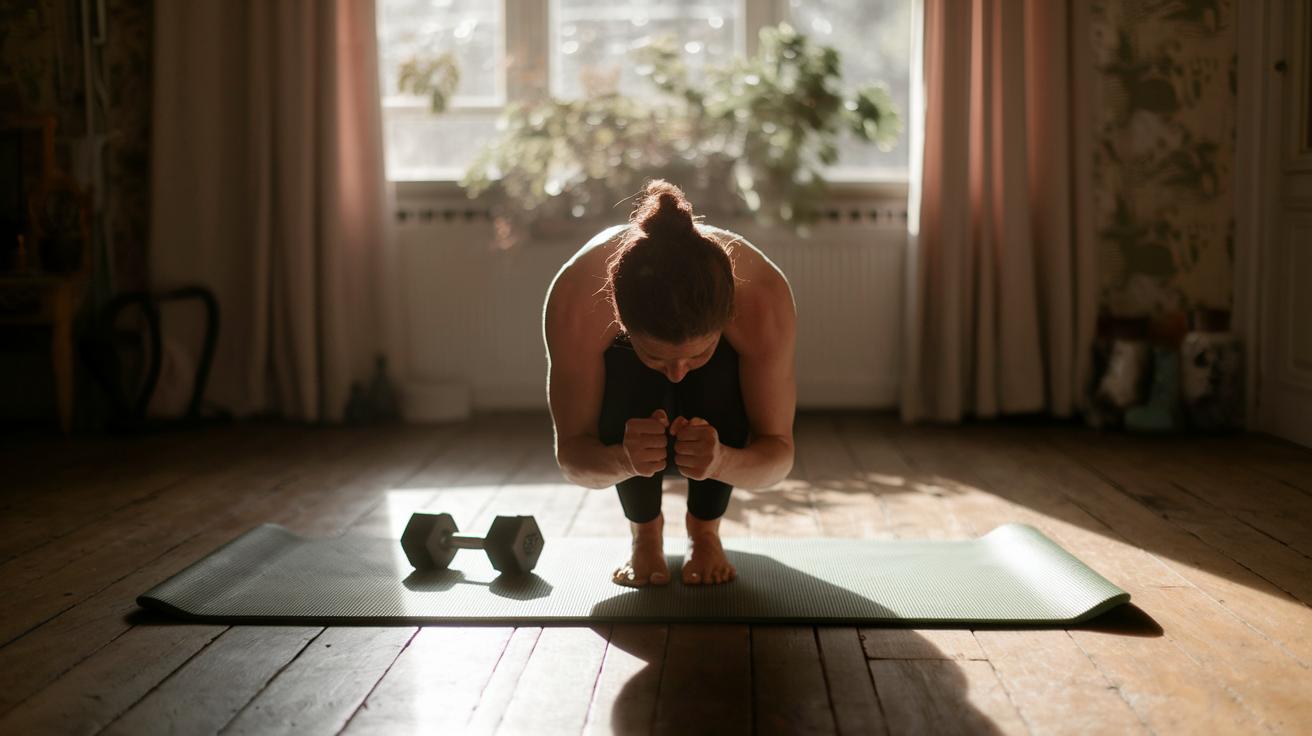
Forearm Squeeze
This exercise is simple yet effective. Stand or sit and press your palms together with your fingers lined up, just like you’re holding a tiny stress ball. Squeeze hard and feel the tightness in your inner and outer forearms. Hold that squeeze for about 10 to 15 seconds. Over time, you can ease into this exercise by slowly increasing how hard you press to build more strength.
Fingertip Holds
For this move, you only need a firm surface and a bit of focus. Place your fingertips on a steady surface and keep your wrist straight. Hold this position for a few seconds like you’re gently cradling something fragile, maybe like a delicate porcelain cup. As you get stronger, try to hold the position for a bit longer. This helps train the small muscles in your fingers and forearms, preparing them for bigger challenges ahead.
Fingertip Push-Ups
Ready for a twist on a classic move? With fingertip push-ups, shift most of your weight onto your fingertips while you’re on the mat. If regular push-ups feel too tough right now, you can drop your knees to make things easier. Just make sure your wrists stay lined up properly so you avoid any slumping or twisting. It’s a great way to gradually build up strength in your hand and forearm muscles.
Safety matters, so remember to include these drills at the end of your upper-body workouts. Take it slow and steady, and if something ever feels off or painful, stop and adjust your form. Enjoy the process and listen to your body as you build your strength!
Dumbbell Forearm Workouts at Home for Muscle Growth
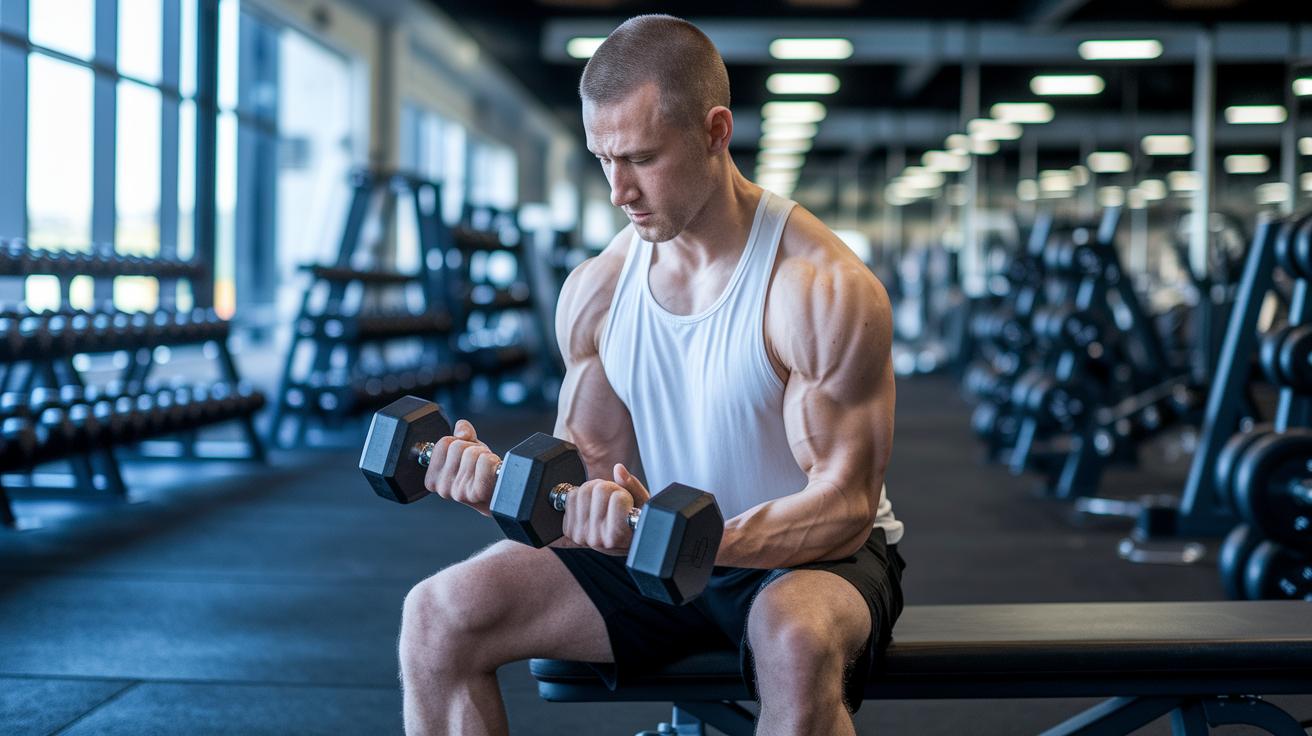
Dumbbell exercises let you control every move to build strong forearm muscles and improve your grip. They work the muscles in the forearms by doing simple wrist curls. In this section, you'll learn about palm-up wrist curls, palm-down wrist curls, reverse wrist curls, and the Zottman curl, which even gives your biceps a workout.
| Exercise Name | Target Muscles | Equipment | Sets/Reps |
|---|---|---|---|
| Palm-Up Wrist Curl | Forearm flexors | Dumbbells | 4-6 sets, 12-20 reps |
| Palm-Down Wrist Curl | Forearm extensors | Dumbbells | 4-6 sets, 12-20 reps |
| Reverse Wrist Curl | Forearm extensors, grip | Dumbbells | 4-6 sets, 12-20 reps |
| Zottman Curl | Biceps and forearm muscles | Dumbbells | 4-6 sets, 12-20 reps |
Focus on slow, smooth movements and keep your wrists lined up correctly to get the best workout. As you get stronger, slowly add more weight to challenge your muscles. These dumbbell routines let you concentrate on your form and progress without giving you extra hassle.
Advanced Forearm Variations to Challenge Your Grip
Zottman Curl
Stand with your feet about shoulder-width apart and hold a dumbbell in each hand. Start by doing a regular bicep curl. When you reach the top, twist your wrists so that your palms face down, then slowly lower the weights. This move works your biceps and forearms at the same time, making your grip really work hard. Think of it like turning a doorknob with care, each turn makes your muscles engage a bit more. It’s a solid exercise if you want to build size and balance in your arms.
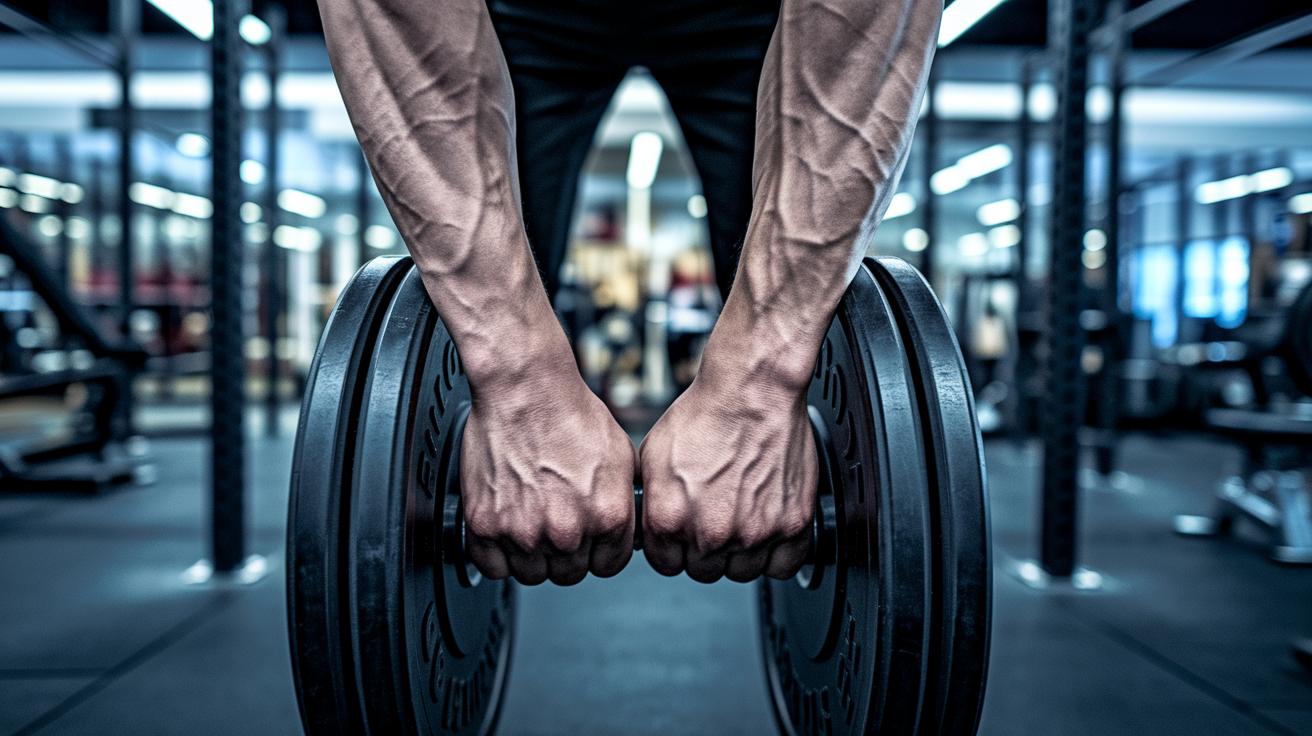
Plate Pinch
Take two weight plates and hold them together using just your fingertips and thumb. Begin with lighter plates and move to heavier ones as your grip gets stronger. Keep your hands steady and your arms straight while you hold them. Imagine gripping a heavy book by only its edge; that steady hold makes your forearm muscles work over and over. This exercise not only improves your grip but also builds endurance in your forearms.
Towel Grip Pull-Up
Loop a strong towel over a pull-up bar and grasp each end tightly. Do your pull-ups while focusing on using your forearms, so your grip does most of the work. As you get better, try increasing the number of pull-ups or hold yourself at the top for a bit longer. It’s like turning an ordinary pull-up into a challenge for your grip strength along with your upper body.
For muscle growth, aim for 4 to 6 sets of 8 to 12 reps with about 60 seconds of rest in between. Remember to keep your form clean so every rep counts.
Wrist and Grip Activation for Balanced Forearms
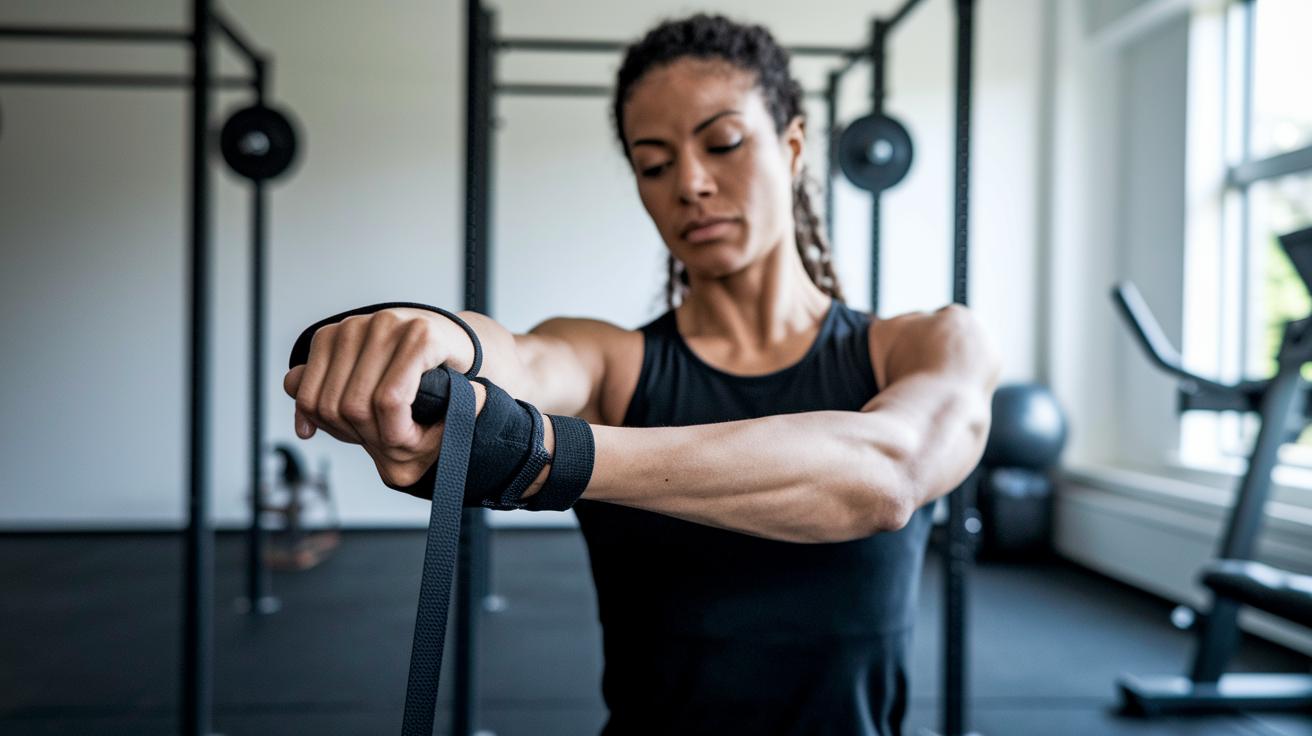
Start by using a resistance band for wrist rotations. Hold the band snugly and slowly rotate your wrists in circles. You should feel your muscles gently warming up. Next, try fingertip holds. Place your fingertips on a firm surface and press lightly while keeping your wrist steady. These moves help build grip strength and get your forearms ready for other exercises, much like holding a paintbrush steadily when you paint. Take it slow and steady.
Another fun drill is the rice bucket squeeze. Fill a bucket with rice or beans, then stick your hand inside. Open and close your fist to feel the gentle resistance. This helps your grip last longer and trains your forearms for everyday tasks. Keep your wrist in a natural position so you don’t strain it. Think of it like soft clay that you mold over time. You can use these exercises as a warm-up or a finish. Just focus on getting a little stronger every day.
Designing a Home Muscle Building Routine for Your Forearms
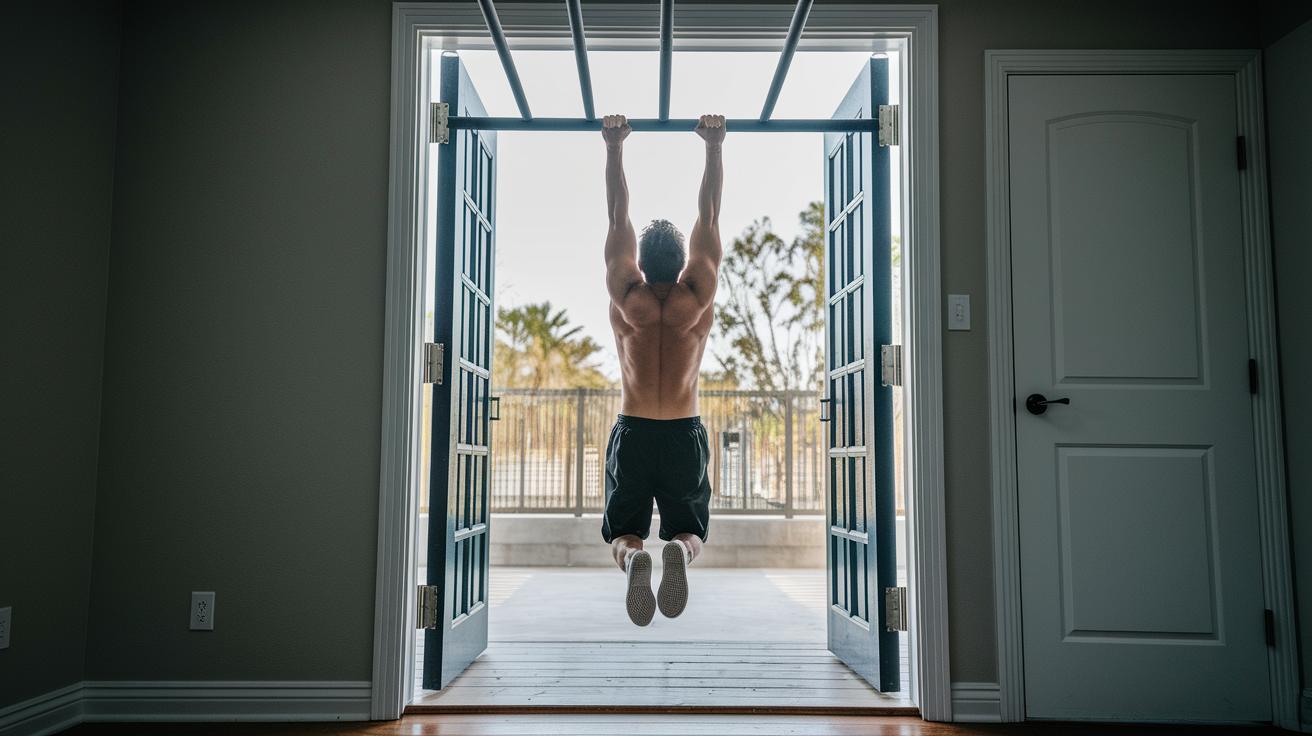
Working on your forearms at home doesn’t have to be a big hassle. A simple plan can help you see your progress and keep things fun. We’ve got a starter circuit for beginners and another one if you’re ready for a bit more of a workout. Try to work on your forearms two to three times a week and give yourself at least 48 hours to rest between sessions.
-
Beginner Circuit
• Exercises: Towel grip dead hangs
• How long: Spend about 15-20 minutes total
• What to do: Do 2 sets of holding for 20-30 seconds each
• Rest: Take your time between sets so each hold feels fresh
• Imagine this: Picture holding on just long enough to feel your forearm muscles start to get stronger. -
Intermediate Circuit
• Exercises: Towel grip pull-ups
• How many: Aim for 3 sets of 8-12 pull-ups
• How long: Plan for a 25-30 minute session
• Rest: Take about 60 seconds between sets so your form stays clean
• Imagine this: Think of pulling your body up steadily, with each pull-up feeling like a small win for your grip.
As you keep at it, listen to how your muscles feel. If the exercises start to feel easier, try making your sessions a bit longer, add an extra set, or increase the effort just a little. Keeping a simple log of your reps and hold times can help you see your progress and fine-tune your routine. Enjoy your journey to stronger forearms!
Warm-Up, Safety, and Recovery for At-Home Forearm Sessions
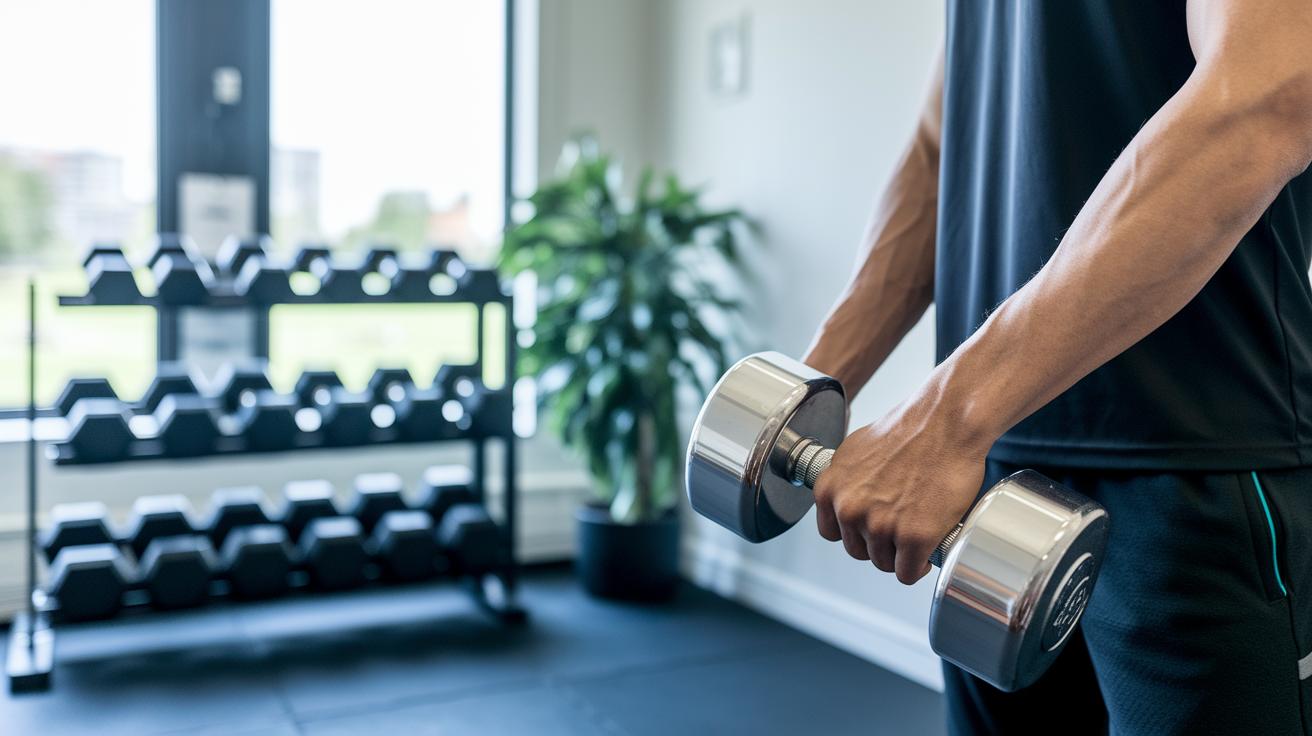
Start your session with a five to ten minute warm-up. Picture yourself drawing large wrist circles and gently stretching your wrist by bending and extending it. It's like getting your forearm ready for a fun painting session.
As you warm up, choose a light weight so you can keep your form just right. Think of it as holding a little painting board, keeping your wrist in line with your forearm. This helps you avoid any strain and keeps everything balanced.
After your exercise, give your muscles a chance to recover. Extend your arm and carefully pull back your fingers with your other hand to stretch out your wrist muscles. Hold each stretch for 30 seconds and repeat two or three times to help your muscles relax and improve flexibility.
Progressive Overload and Frequency for Lasting Forearm Gains
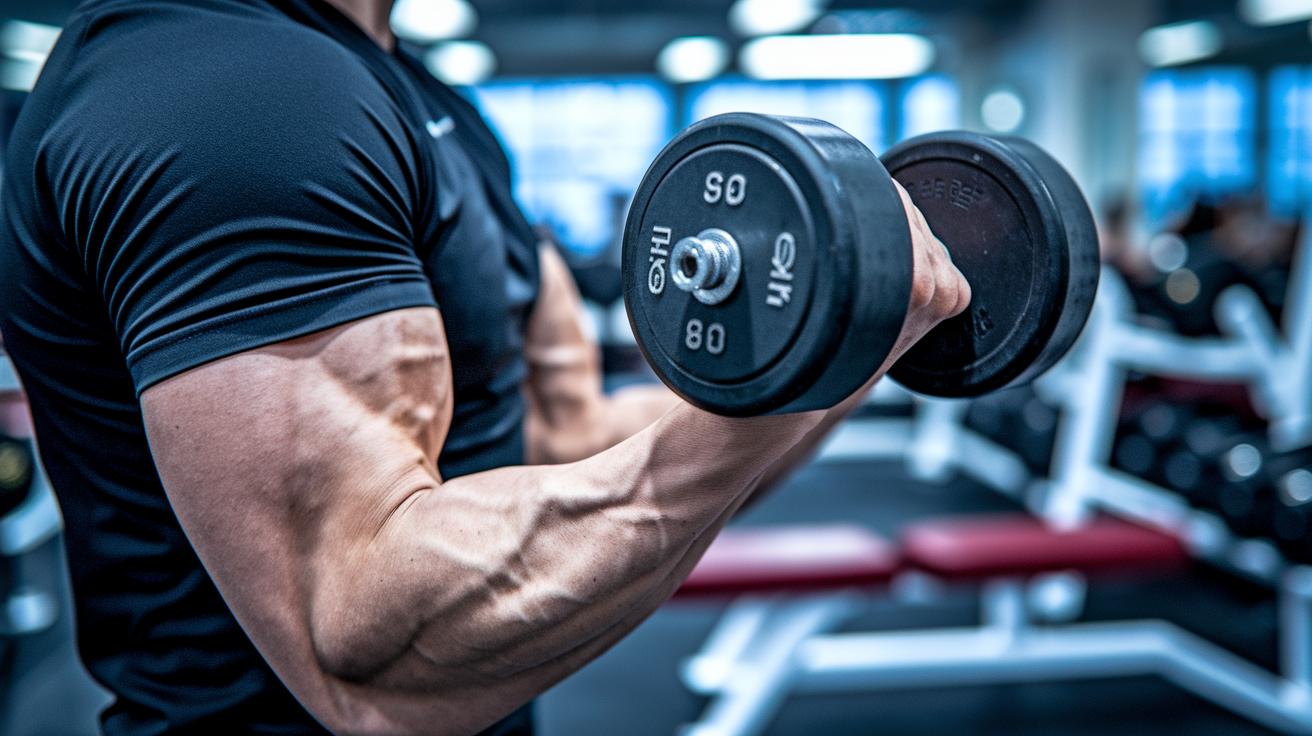
Try working your forearms 2-3 times each week, and make sure to give them 48 hours of rest so they can recover well. It might help to mix up the way you move by changing how fast or slow you go. For example, you can lower the weight slowly for 3 seconds and hold the position for 2 seconds at the peak. This simple change can help you get better control of your muscles.
You can also push your training further by doing things other than just adding more weight or extra reps. Consider adding isometric holds or switching up your grip width. If you usually perform 3 sets of 12 reps, try using the same number of reps but with a slower pace, or add a little pause at the end of every move.
Keep track of more than just the weights and reps. Jot down details like how fast you move, how long you pause, or if you change your grip. This little habit can help you notice small improvements in both your performance and how your muscles work.
| Week | Weight | Reps | Technique |
|---|---|---|---|
| 1 | 10 lbs | 12 | Standard |
| 2 | 10 lbs | 12 | 3 sec down, 2 sec hold |
Final Words
In the action, we explored forearm exercises at home that boost strength and improve function. We reviewed targeted moves like wrist curls, bodyweight drills, and dumbbell workouts. Each section offered bite-sized tips on warming up, using proper form, and gradually increasing challenge. The article even touched on activation drills and safe recovery practices. Every exercise, tip, and reminder is aimed at helping you build a healthier, stronger grip while enjoying everyday movement. Keep moving forward with a smile.
FAQ
How can I work out my forearms at home without equipment?
Working out your forearms at home without equipment means doing moves like forearm squeezes, fingertip holds, and modified push-ups that boost grip and overall strength.
What are effective forearm exercises at home using dumbbells?
Using dumbbells for forearm training involves palm-up wrist curls, palm-down wrist curls, reverse wrist curls, and Zottman curls. These exercises target both the front and back muscle groups.
How can I build bigger, more muscular forearms at home?
Building bigger forearms at home relies on combining bodyweight and dumbbell exercises, using progressive routines such as wrist curls, reverse movements, and farmer’s walks with regular practice.
What are the best exercises for boosting forearm strength?
The best exercises include wrist curls, reverse wrist curls, Zottman curls, and farmer’s walks. This mix helps improve grip, balance out muscle groups, and raise overall forearm power.
What is the most effective exercise for forearms?
The wrist and reverse wrist curls remain among the most effective, as they directly target both flexor and extensor muscles to build balanced forearm strength.
How long does it take to build forearm strength?
Building noticeable forearm strength may take several weeks to a few months, depending on consistent training intensity and gradual increases in exercise load.
Do forearm muscles develop naturally with regular activity?
Forearm muscles do develop naturally through daily use, but targeted exercises significantly boost their strength and size beyond what routine tasks achieve.
What is the Zottman curl and how does it benefit forearms?
The Zottman curl combines a standard bicep curl with a twist, engaging both biceps and forearm muscles to improve grip and provide balanced strength.
How do wrist curls and Farmer’s walk work for forearm training?
Wrist curls isolate the forearm flexors while the Farmer’s walk challenges your grip and endurance, making them key moves for overall forearm strength and stability.