Ever wonder if every fat is harmful? Let me share a little secret: some fats are your friends. Two kinds, monounsaturated fats and polyunsaturated fats, actually help lower the bad cholesterol in your blood while giving energy to your cells and heart.
Imagine a light drizzle of olive oil on your salad or a handful of crunchy nuts with your meal. In our busy lives, these fats not only make your food tastier, but they also add a smart boost to a healthy diet.
Healthy Fats Defined: Types, Roles, and Dietary Importance
Healthy fats are a real boost to your meals. They help your body absorb important vitamins and provide steady energy. When we talk about these fats, we're mainly referring to monounsaturated fats and polyunsaturated fats. Monounsaturated fats are in foods like olive oil and avocados. They help lower your body's "bad" cholesterol (LDL), which might lower your heart risks. Polyunsaturated fats include omega-3 and omega-6 fatty acids (fancy names for helpful fats) found in fish, chia seeds, and nuts. These fats support your heart, brain, and all your cells.
They also help your body take in vitamins A, D, E, and K. Experts suggest that about 20–35% of your daily calories come from fats. So, it’s a good idea to pick unsaturated fats over saturated and trans fats, which tend to be higher in calories and not as friendly to your heart. There's no need to worry about counting every gram, a small amount in your meal can go a long way.
For example, try switching butter with extra virgin olive oil when you're cooking vegetables. Just a little drizzle can change the whole flavor. Adding a few slices of avocado to your salad or grabbing a handful of nuts as a snack are easy ways to enjoy these natural fats. It's all about making small choices that help you feel good and keep your meals both tasty and healthy.
Healthy Fats Profiles: Monounsaturated, Polyunsaturated, and Saturated
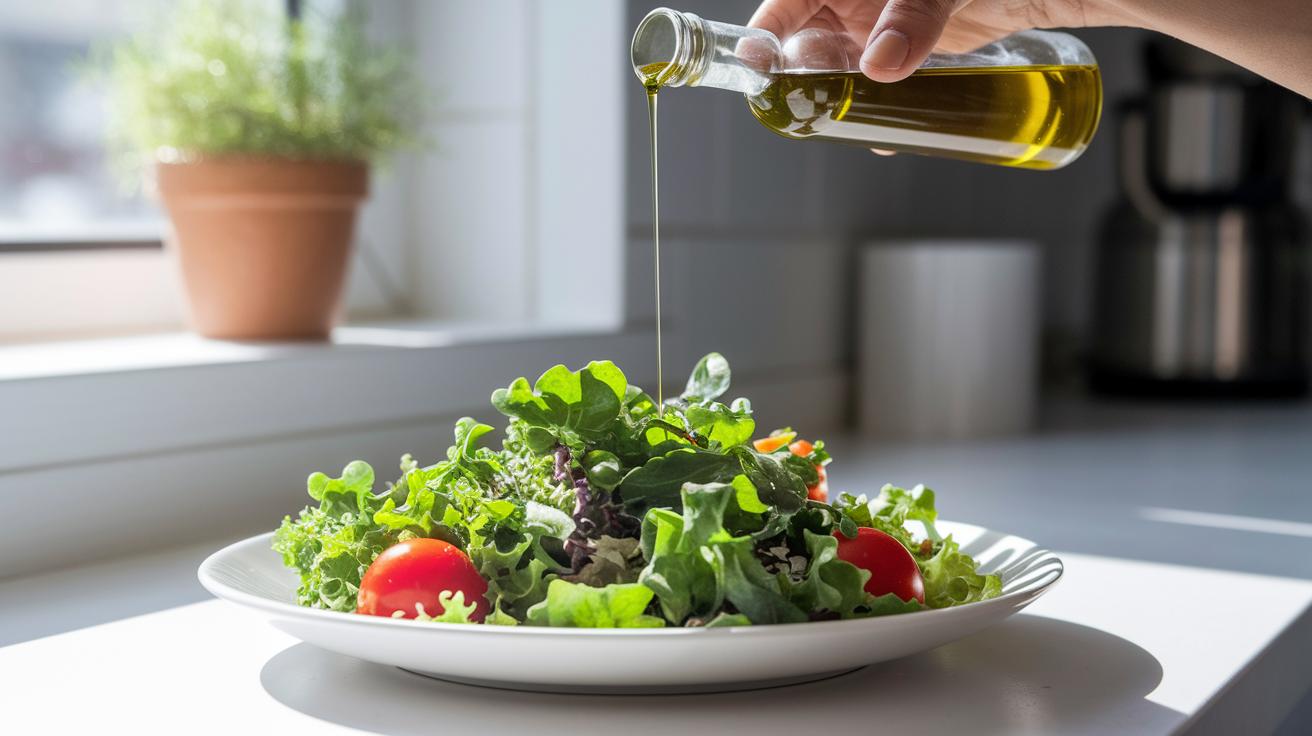
Monounsaturated fats are found in foods like olive oil and avocados. They not only add a rich, creamy taste but also help lower your bad cholesterol. Imagine adding a small drizzle of olive oil on your salad. It’s an easy change that makes your meal both tasty and good for your heart.
Polyunsaturated fats include omega-3 and omega-6 fatty acids. These fats are important for keeping your heart and brain healthy. You might mix in some chia seeds or enjoy a serving of salmon to get more of these fats. They help your cells work well and can lower inflammation too.
Saturated fats mainly come from foods such as butter and coconut oil. Eating too many saturated fats may raise your cholesterol. It’s a smart idea to keep them under 10% of your total calories. And while you’re at it, try to avoid trans fats because they work against your health.
Switching to more unsaturated fats instead of saturated ones is a small change that can really boost your overall well-being.
Healthy Fats in Foods: Top Sources and Nutritional Charts
Healthy fats make your meals tastier and give you a nutritional boost. Switching to whole foods like salmon, avocados, olive oil, almonds, and chia seeds is an easy way to add good oils into your diet. They not only taste great but also help keep your heart and brain in good shape. Next time you're cooking, try drizzling some olive oil over your steamed veggies or enjoy a small handful of almonds for a quick pick-me-up.
Check out the chart below for a handy guide on some great fat sources. It lists common fat types along with their main nutrient features, so you can easily choose foods that help keep your diet balanced.
| Food | Fat Type | Serving Size | Fat per Serving | Key Fatty Component |
|---|---|---|---|---|
| Salmon | PUFA (omega-3) | 3 oz | 10 g | 1,500 mg EPA/DHA |
| Avocado | MUFA | ½ fruit | 15 g | Predominantly oleic acid |
| Olive Oil | MUFA | 1 tbsp | 14 g | High oleic acid |
| Almonds | MUFA/PUFA | 1 oz | 14 g | Vitamin E + MUFA |
| Chia Seeds | PUFA (omega-3) | 1 tbsp | 9 g | Alpha-linolenic acid |
Every option here helps you get the right nutrients while keeping your meals both delicious and good for your overall health.
Healthy Fats Benefits: Heart, Brain, and Inflammation
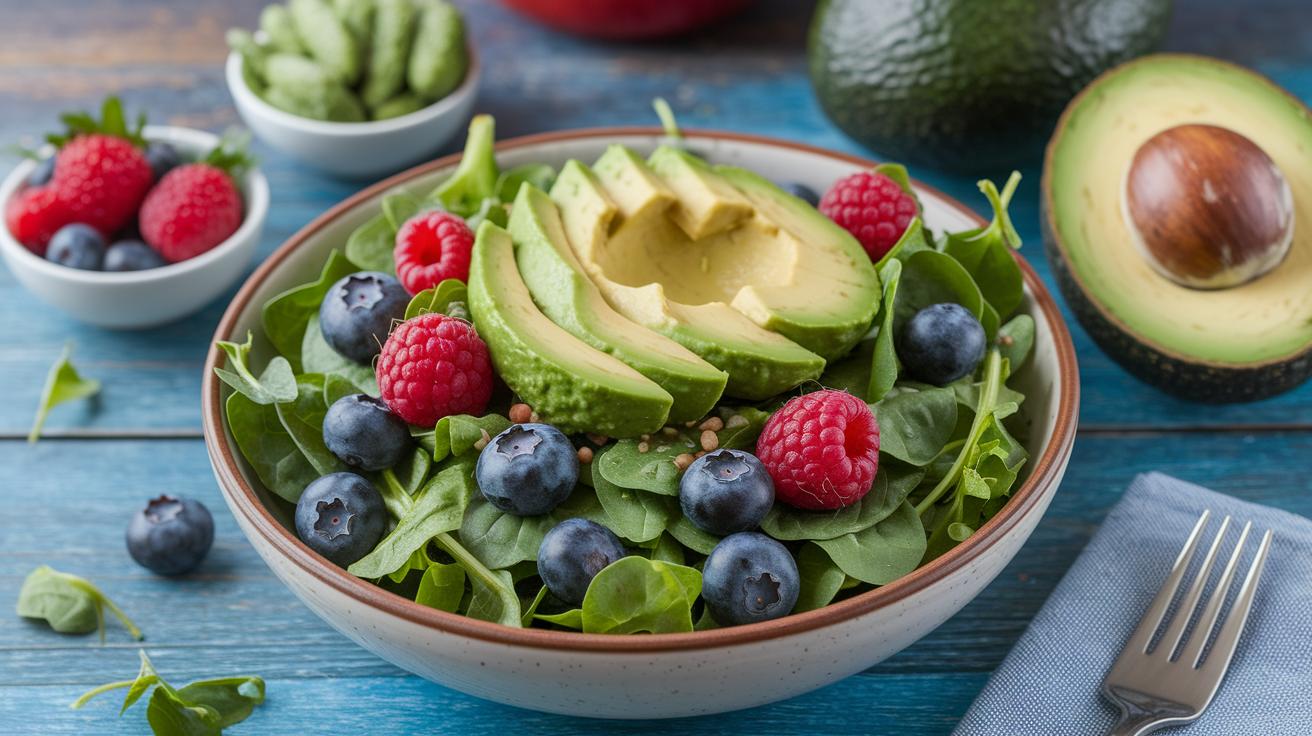
Healthy fats, from two main types called MUFAs and PUFAs, play a big role in keeping your heart, brain, and body strong. They help lower levels of the bad cholesterol and triglycerides in your blood, which can lower your risk of heart problems. Imagine the reassuring beat of your heart, supported by omega-3 fatty acids that help ease blood pressure and keep your heart rhythm steady. Even adding a little olive oil to your salad can make a noticeable difference over time.
These good fats also protect your nerve cells by keeping their outer coating, known as the myelin sheath, in top shape. This means you might find your memory sharper and your focus improved after a meal with a few avocado slices. It’s like a gentle boost to your brain that helps keep your thoughts clear.
They also work to ease inflammation. When your body feels stressed or gets a minor injury, these fats help lower substances like C-reactive protein that cause inflammation. As a result, you may notice that your energy stays steady throughout the day. Even small amounts of healthy fats can help your body absorb nutrients better, which is important for overall metabolism and energy.
In short, adding healthy fats to your daily diet is a heart-smart choice that fuels both your body and mind. Every bite helps reduce inflammation and brings you one step closer to a vibrant, energetic life.
Incorporating Healthy Fats into Meals: Practical Tips and Recipe Ideas
Try spicing up your meals by using new techniques with healthy fats. Instead of sticking to the usual advice, mix in seasonal produce and fun flavor pairings to make your dish both tasty and nutritious.
-
Sauté fresh vegetables with extra virgin olive oil, garlic, and your favorite herbs. Picture sizzling broccoli that glows with natural sweetness because of garlic-infused oil.
-
Add avocado slices, seasonal berries, and a splash of citrus to your green salad. Imagine biting into a crisp salad that bursts with the creaminess of avocado and the tang of sweet berries.
-
Enjoy a small handful of mixed nuts and seeds, lightly dusted with your chosen spice. Think of almonds, walnuts, and pumpkin seeds sprinkled with cinnamon for a crunchy, aromatic snack.
-
Stir a spoonful of chia or flaxseed into your smoothie or yogurt to boost your gut health. Try blending a berry smoothie with a bit of chia and a dash of fermented foods, so every sip gives you a little wellness boost.
-
Create your own vinaigrette by mixing olive oil, balsamic vinegar, mustard, and a bit of local honey. Imagine a dressing that ties your greens to roasted vegetables with a hint of sweet and tangy flavor.
-
Grill salmon with a drizzle of citrus-infused olive oil and serve it over lightly fermented greens. Picture tender, grilled salmon with a bright citrus kick paired with crisp, tangy greens for a balanced meal.
Dietary Guidelines for Healthy Fat Intake and Portion Control
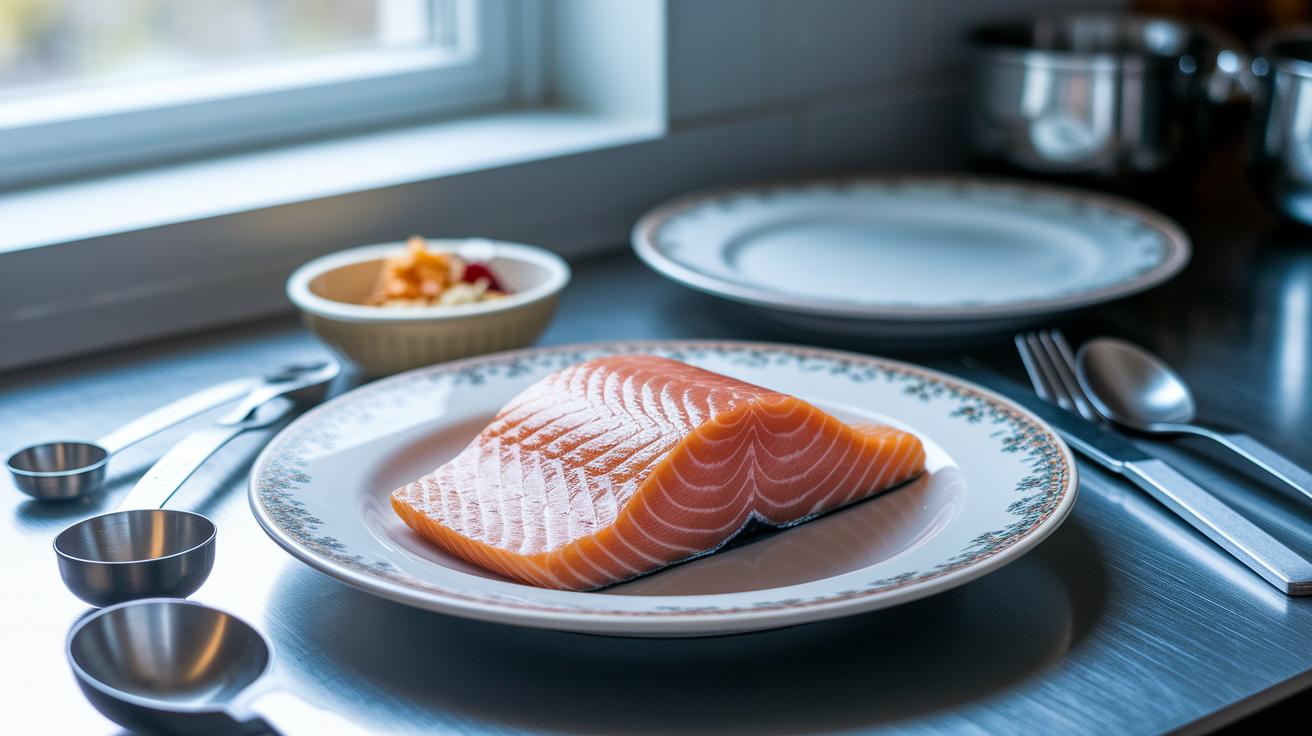
When planning your meals, keeping an eye on portion sizes can really help manage calories without sacrificing the benefits of good fats like unsaturated fats and omega-3s. Grab a kitchen scale or measuring spoons to be sure of your amounts. A tablespoon of oil, for example, gives a little burst of flavor without overpowering your dish.
Aim to include about 250 mg of omega-3 fats (EPA and DHA, which help your heart and brain work well) each day. Fatty fish such as salmon, tuna, or mackerel are excellent choices. Imagine a small piece of salmon, about the size of your palm (roughly 3 ounces), providing that right amount of these essential fats.
Here are a few practical ideas to help:
- Use 1 tablespoon of oil when cooking veggies.
- Measure out 1 ounce of nuts as a snack.
- Divide fats into small containers to keep portions in check.
- Enjoy a palm-sized, 3-ounce serving of fatty fish daily.
Did you know that a small serving of salmon can offer as much omega-3 as many supplements?
Final Words
In the action of boosting everyday well-being, we dove into the roles of healthy fats. We explored how quality oils help lower cholesterol and support both heart and brain health. The post outlined clear sources, portion tips, and practical swap ideas to brighten your meals. Each step is a simple, effective change you can make today. Enjoy the little shifts in your cooking and feel the benefits as you savor every bite. Here’s to a tastier, fitter lifestyle.
FAQ
What are the healthiest fats to eat?
The healthiest fats to eat include monounsaturated and polyunsaturated fats found in foods like avocado, olive oil, fatty fish, nuts, and seeds. They support heart health and help lower bad cholesterol.
Are eggs a fatty food?
Eggs are a moderate source of fat, with most of the fat in the yolk. They provide important nutrients and can fit into a healthy, balanced diet when eaten in moderation.
What benefits do healthy fats provide?
Healthy fats support heart and brain function, help lower bad cholesterol, reduce inflammation, and aid in the absorption of vitamins A, D, E, and K while providing lasting energy.
Which healthy fats support weight loss?
Healthy fats, such as those from olive oil and avocado, help you feel full longer, which can reduce overall calorie intake and support weight loss as part of a balanced diet.
How do healthy fats benefit women?
Healthy fats support women’s hormone balance, skin health, and heart function. They play a role in maintaining energy levels and overall wellness when included in everyday meals.
What are healthy fats for breakfast?
Healthy breakfast options include avocado on toast, eggs cooked in olive oil, or chia seed pudding. These choices provide steady energy and help keep you satisfied through the morning.
What are some examples of healthy fat food sources?
Examples include avocado, olive oil, almonds, salmon, chia seeds, walnuts, flaxseeds, pumpkin seeds, sardines, sunflower seeds, tuna, pecans, cashews, macadamia nuts, and hazelnuts. Each offers beneficial fatty acids, vitamins, and antioxidants.