Ever wonder if a quiet moment of stillness could really change your life? Right Mindfulness shows us how to be here and now, simply noticing the way our breath flows in and out. Have you ever taken a deep breath and felt a little bit more at peace? That tiny pause can clear away a jumble of thoughts and invite a sense of calm.
In our blog, we share how these small breaks in your day can ease stress and bring greater clarity to your mind. A mindful habit doesn't just help your thoughts settle, it opens the door to living a kinder, more balanced life.
right mindfulness sparks daily inner calm
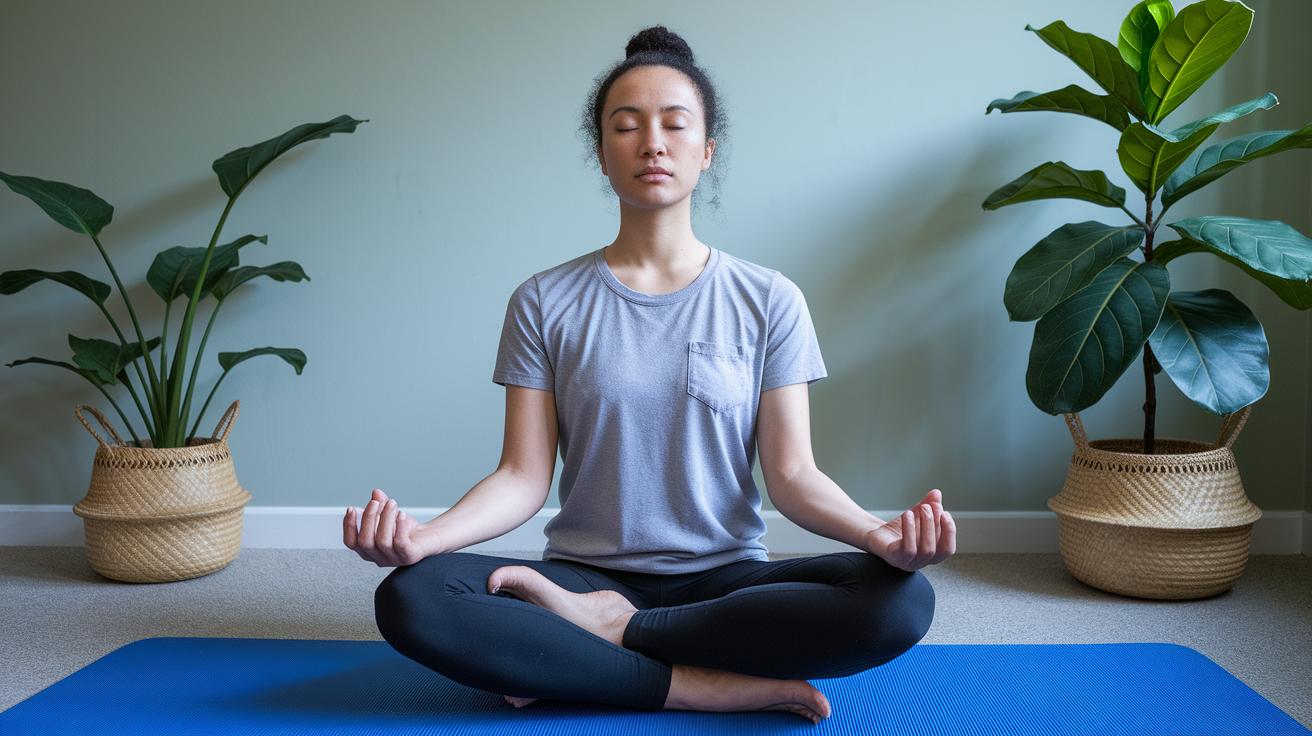
Right Mindfulness is one of the eight parts of the Noble Eightfold Path and is all about paying attention to the present moment. Whether you are meditating or just going about your day, it means staying focused on what is happening right now. Imagine simply noticing your breath, this simple act can turn a stressful moment into one of calm. By constantly tuning in to how you feel inside, you create a solid foundation for a clear mind and kind actions.
Keeping Right Mindfulness in play takes daily effort. It’s natural for our minds to wander sometimes, but with a bit of practice, we can always bring our focus back. When distractions arise, simply guide your attention back to the present. Mixing moments of formal meditation with everyday observation helps keep your thoughts steady and supports a balanced, ethical way of living.
Every day can feel calmer when you weave mindfulness into all your moments. Taking a brief pause to really feel your surroundings can turn any routine activity into little opportunities for clarity. Whether it’s a quick break at work or a peaceful moment in the evening, centering your attention boosts self-awareness and calms your emotions. In short, Right Mindfulness not only clears your mind but also opens the door to a life filled with peace, clarity, and genuine well-being.
Historical Roots of Right Mindfulness in Buddhist Tradition
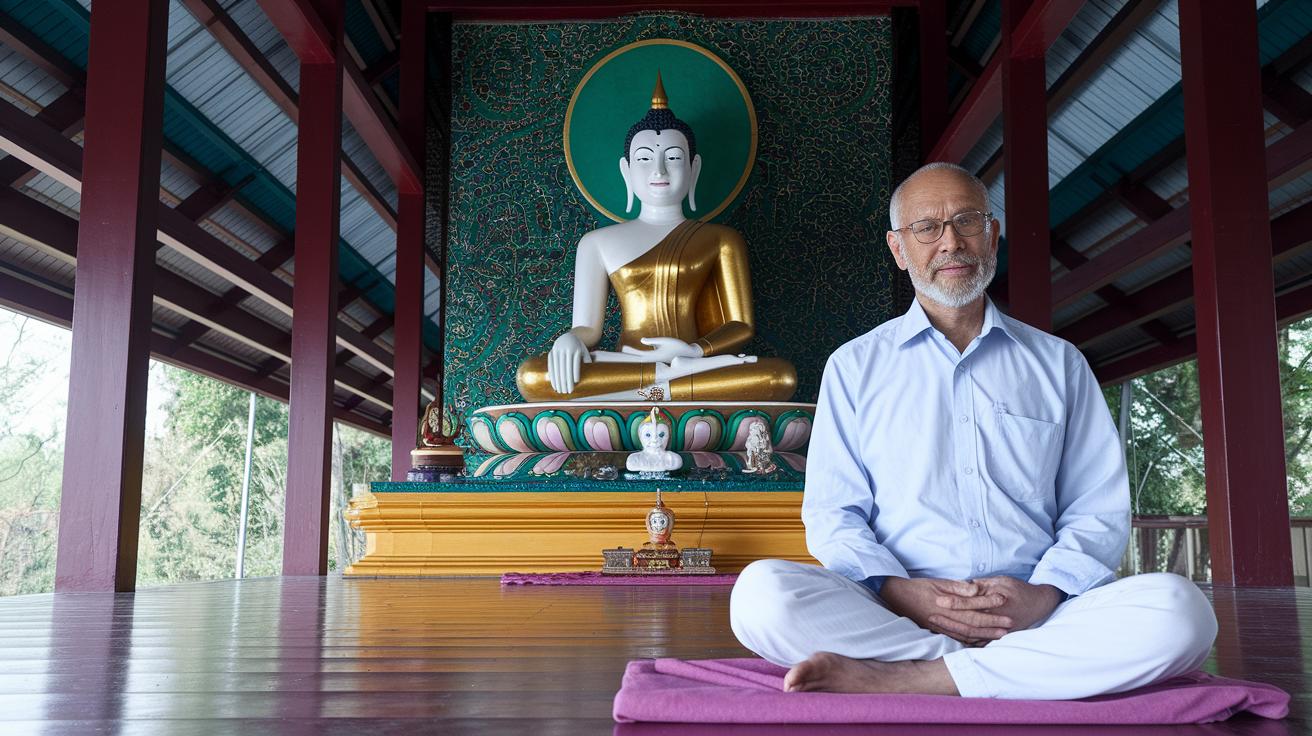
Professor David Dale Holmes helped bring old Buddhist practices into our modern lives. He spent many years sharing his knowledge from the University of Maryland’s Munich Campus between 1966 and 1992, then later taught at places like Chulalongkorn University and World Buddhist University in Bangkok.
Between 1986 and 1992, Holmes made a yearly trip from Munich to Kandy, Sri Lanka. He learned directly from respected Theravada teachers, experts who taught the art of mindful living. Imagine studying with someone who has spent a lifetime perfecting a simple yet powerful way to stay present. That’s what Holmes did.
He played an important role in taking traditional mindfulness ideas and making them work in today's world. Through his classes and a monthly newsletter called Theravada Teachings, he showed us how ancient methods can help us focus on the present moment. Even something as simple as mindful breathing was carefully developed by scholars long ago to sharpen mental clarity.
These roots remind us that the Noble Eightfold Path isn’t just an old idea, it’s a practical way to help balance our minds and live ethically every day.
Meditation Techniques for Cultivating Right Mindfulness
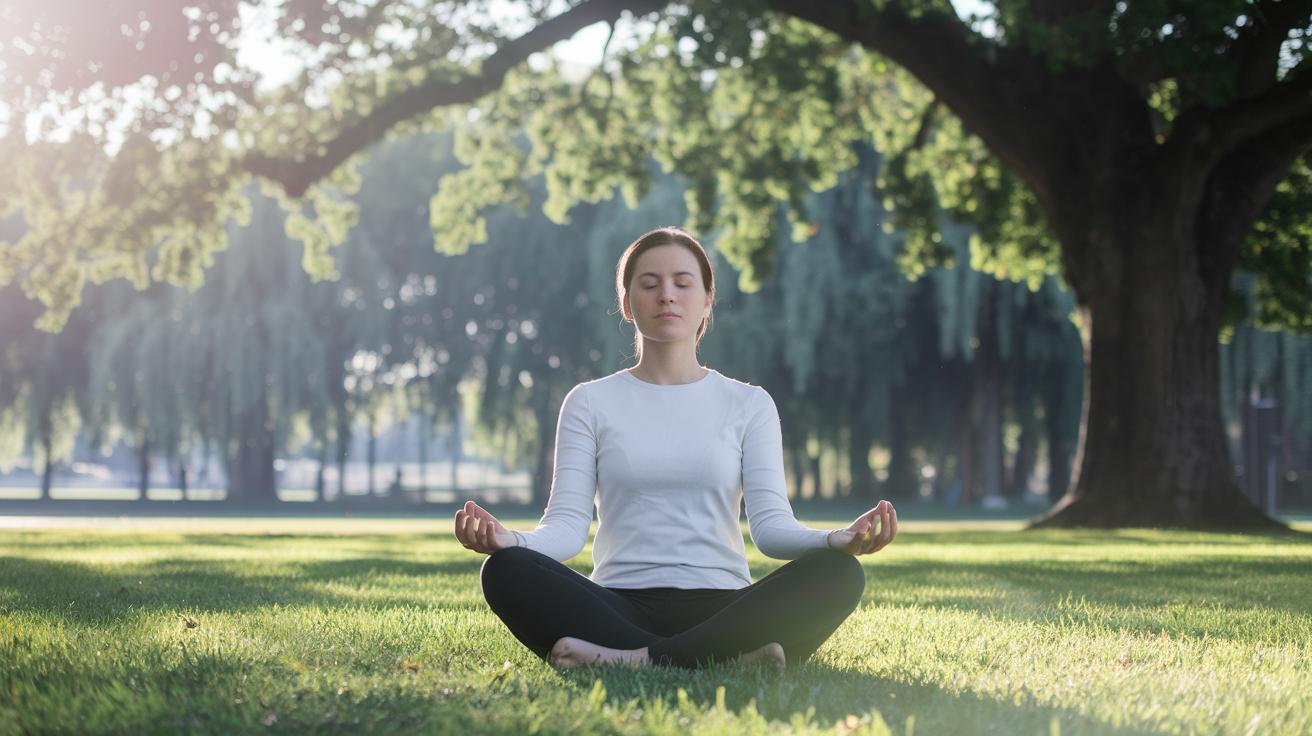
Begin by setting a clear goal to calm your mind and gently focus on the present moment. Notice how your breath, the feelings in your body, your thoughts, and your emotions serve as little anchors that keep you here now. Picture taking a deep breath where every exhale feels like a mini break from a busy day, helping you feel steady and clear.
- Breath-counting focus
- Body-scan awareness
- Noting thoughts without judgment
- Mindful walking practice
- Observing emotions as passing phenomena
Try breath-counting focus by slowly counting your inhales and exhales. It’s a simple exercise, similar to focused attention meditation (if you want to explore more, check this link: https://nobrainertrends.com?p=1192), that helps you build your concentration. Next, a body-scan practice allows you to feel every part of yourself from head to toe and notice where tension rises and fades away. Noting thoughts without judgment means you just watch your mind’s chatter without getting caught up in it. With mindful walking, every step celebrates the life and movement inside you, reminding you to stay curious about the now. And when you simply observe emotions as passing feelings, you see them come and go, much like clouds drifting across a clear sky.
Mixing these techniques into longer meditation sessions can deepen your inner clarity. You might start by focusing on your breath, then move into a full body-scan, and finally let your thoughts float by like leaves on a gentle stream. Doing this regularly can help you stay more attentive during everyday life and create a pool of calm that makes it easier to deal with distractions. Repeating these steps builds a steady, focused awareness that not only clears your mind but also supports your overall well-being.
Benefits of Practicing Right Mindfulness for Personal Growth and Well-Being

Mindfulness helps you stay in the moment and sharpens your focus. It makes you more aware of what’s happening right now and even short sessions can boost your attention while easing stress. For example, one study found that people who practiced mindfulness daily became 30% better at keeping calm when surprises popped up.
Research shows that meditation can also improve the parts of your brain involved in handling emotions. Scientists discovered that mindfulness builds stronger connections in areas that help you think clearly and balance your feelings. Imagine pausing in the middle of a busy day, noticing the soft buzz of life around you, and carrying that calm with you for hours. In some studies, after just eight weeks of practice, brain scans revealed more activity in the front of the brain that supports clear decision-making.
Recent studies even link mindfulness to better mental health by reducing anxiety levels. With the help of digital apps, tracking your progress is now easier than ever. For instance, one student using a mindfulness app saw improved emotional balance and sharper thinking over a semester. These findings are supported by research, showing that a daily mindfulness practice can really make a difference in your overall well-being.
Practical Steps to Apply Right Mindfulness in Daily Activities

Every day gives you little opportunities to check in with yourself. You don't have to set aside time just to sit and meditate; you can add mindfulness into the simple things you do. When you focus on everyday actions like eating or walking, you bring a calm awareness into your day. A quick reminder on your phone or a soft chime can guide you back when distractions creep in. This way, every moment helps build a steady habit of being present.
- Before you eat, take a mindful pause and enjoy every bite.
- While you walk, feel your feet touching the ground.
- Let a phone reminder or a soft bell cue you to take a deep, mindful breath.
- In conversations, really listen and notice the tiny changes in tone and feeling.
- Take short breaks, even just one or two minutes, to check in with your thoughts and feelings.
- Before starting a new task, spend a moment grounding yourself in the present.
By practicing these simple steps often, you'll find that staying focused becomes a natural part of your day. Over time, these small actions add up, helping you keep your focus and bring a sense of calm, even during busy times. Embracing mindfulness in everyday moments can lead to more balance and a happier way to live.
Tracking Progress and Overcoming Challenges in Right Mindfulness Practice

Regular self-check-ins can really help keep your mindfulness practice strong. Try keeping a journal where you note your daily observations, distractions, and how often you practice. For example, you might write, "Today, I noticed my mind drifting during my session, so I set a few short timers that helped me refocus." This simple routine helps you spot patterns over time and makes it easier to adjust your approach.
It’s normal to lose focus sometimes. When your mind wanders, try setting small reminders throughout the day to nudge you back to the present moment. Think of it like checking your compass while hiking, a brief pause can help realign your thoughts. Even jotting a quick note about a distraction can teach you something for next time.
Sometimes, joining a supportive group or participating in guided meditation can add valuable feedback when you feel out of sync. You might also change the length of your practice depending on your energy that day. By keeping track of these little details, your meditation practice becomes more effective, helping you build both emotional balance and steady mindfulness growth.
Final Words
In the action, right mindfulness shows how being present transforms everyday moments into opportunities for growth. The post explains its origins, meditation techniques, and practical steps to bring mindful awareness into daily activities. It also shares tips on tracking progress and handling common challenges. Small shifts in focus can boost mental clarity and calm. Embrace these simple changes and enjoy the positive impact on your overall well-being.
FAQ
What is the meaning of Right Mindfulness?
The meaning of Right Mindfulness is keeping your attention on the present moment. It is a part of the Noble Eightfold Path that helps build self-awareness and clarity through focused observation.
How does Right Mindfulness relate to Buddhist practice?
In Buddhism, Right Mindfulness is used to cultivate clear, honest awareness in daily life. It ties formal meditation with everyday actions to boost ethical living and mental balance.
What is an example of Right Mindfulness for a student?
A student might practice Right Mindfulness by focusing fully on class material. This means noticing thoughts without judgment and gently bringing attention back to the lesson when distractions arise.
How is mindfulness done right?
Doing mindfulness right includes paying attention to your breathing, body sensations, and thoughts. It means using simple techniques—like brief pauses during daily tasks—to stay grounded in the present.
What is the difference between Right Mindfulness and wrong mindfulness?
The difference is that Right Mindfulness involves deliberate, steady focus and self-awareness, while wrong mindfulness can lack consistency and drift away from observing the present moment.
What does Right concentration mean in Buddhism?
Right concentration in Buddhism means developing deep, focused meditation. It supports Right Mindfulness by building the mental discipline needed to keep attention on a single point without distraction.
How is Right Mindfulness shown through exercises or drawings?
Right Mindfulness is shown through practices like mindful breathing and body scans. Some illustrations capture this idea by drawing calm scenes where each detail symbolizes balanced and attentive thinking.
How does Right meditation incorporate mindfulness?
Right meditation combines focus on breathing with awareness of thoughts and sensations. This practice helps build a calm mind and reinforces mindful attention during meditation sessions.