Ever noticed how one mindful breath can change your entire day? Taking a moment to breathe helps you step back from chaos and find a little peace inside. It turns everyday moments into chances to feel calm. Imagine that gentle relief replacing stress, even on a hectic morning. This guide gives you simple ideas to ease tension and lift your mood. Try out easy mindful habits that clear your stress and help you feel calm all day long.
Mindful Matters: Radiating Calm and Clarity
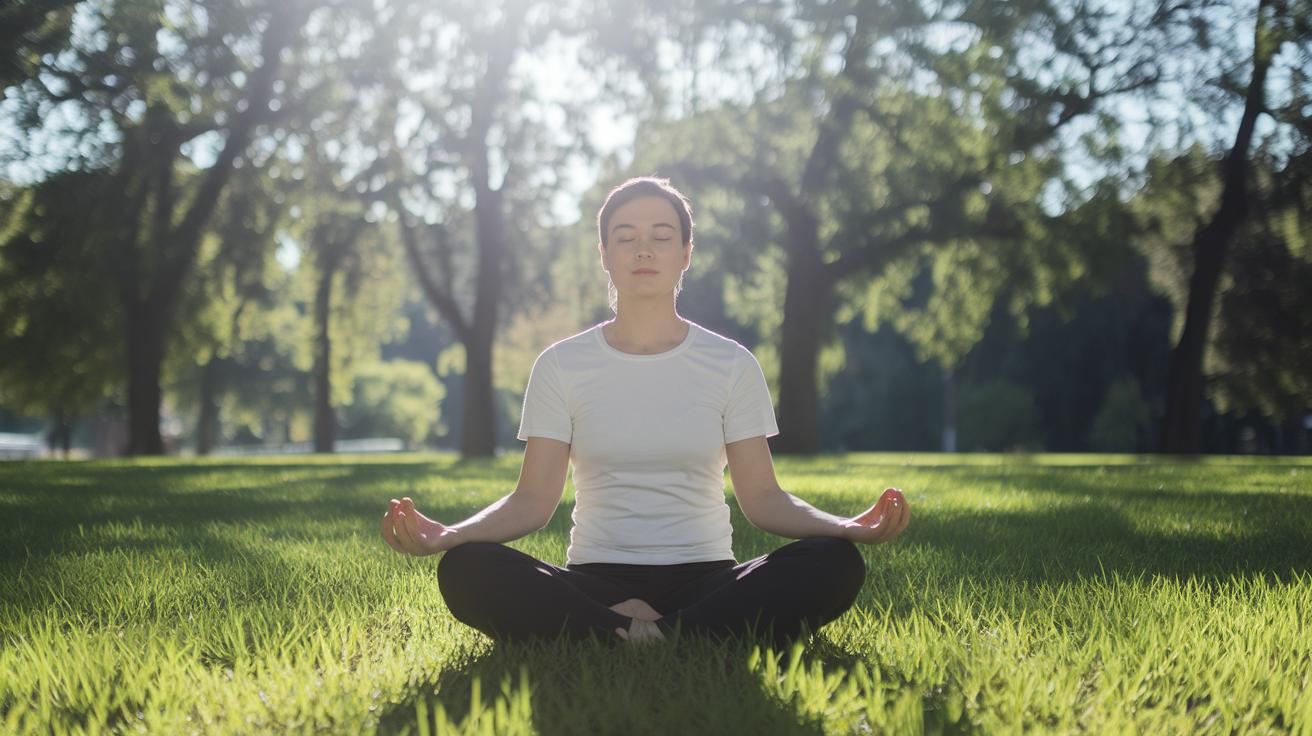
Mindfulness means being aware of what’s happening now without judging your thoughts. According to the Jon Kabat-Zinn mindfulness definition, it’s all about noticing the feelings inside you and the little things around you. Mindful matters take this idea further by weaving mindfulness into routines that soothe a racing heart, calm repetitive thoughts, and ease those moments when choices feel tough. Imagine pausing on a busy morning to simply watch the rhythm of your breath, letting calm slowly replace stress.
Living mindfully means staying present, open, and kind to yourself. Think of it as tuning in to your inner voice with gentle curiosity. When you relax and take a mindful breath, your brain gets a break from constant worry. Picture yourself sitting quietly in a sunny park, feeling a soft breeze that reminds you to slow down and notice each thought as it passes by. Even small moments like these can turn a regular day into a little retreat for your mind.
Using mindfulness in ways that focus on mental health can really boost how you feel day by day. Regular practice not only helps lower stress but also shows you new, healthy ways to handle life’s ups and downs. For more simple tips on cutting stress and adding a bit more positivity, check out How to improve mental health. With these easy strategies, everyday moments can become chances to shine with calm and clarity.
Mindful Matters Strategies for Daily Living

Mindful living gives you simple ways to find calm anytime you need it. Taking a few slow breaths in the morning can set a peaceful tone for your day. Try pausing for a minute, breathing deeply, and letting your thoughts quiet down. This small pause can help you feel balanced as you begin your daily tasks.
One way to add mindfulness to your routine is by keeping a gratitude journal. Every morning or night, write down a few things you’re thankful for. Maybe it’s the aroma of your coffee or a kind word from a friend. These little notes help ground you and remind you of the good moments in your day.
Another tip is mindful eating, really noticing each bite of your food. When you focus on the taste and texture, a regular meal turns into a calming ritual. It helps you connect with your body and appreciate every bite.
At Mindful Matters, sessions last 45 minutes, and you can often add extra time if needed. Your treatment plan is updated regularly to match your own life challenges and everyday habits. These personalized plans keep your routine feeling fresh and naturally blend with your morning routines, work tasks, and evening wind-downs.
- Breath Breaks
- Gratitude Journaling
- Mindful Eating
Each of these simple methods helps you feel calm and clear throughout your day.
Mindful Matters Guided Meditation Practices
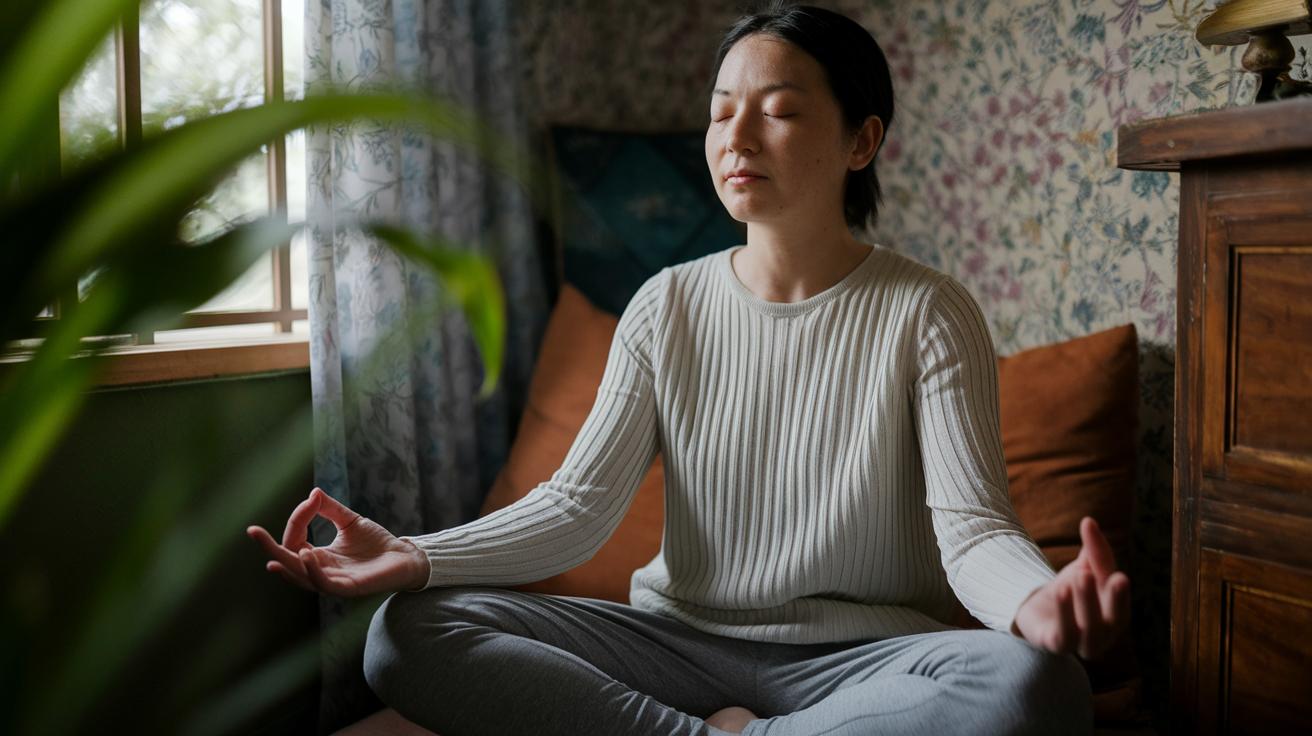
When you sit down for your meditation, start by doing a quick body scan to relax all your muscles. Begin at your toes and slowly work your way up, noticing any tight spots and inviting calm to settle in. Picture a warm, gentle light easing the stress from every part of your body. Imagine yourself as a soft flower unfolding in the morning sun.
Next, turn your attention to your breath. Listen to the rhythm of your inhales and exhales, like gentle waves on a quiet shore. Breathe deep and let your thoughts drift off, anchoring yourself in that steady flow of air. A simple tip: create a little safe space. Choose a quiet corner with soft light and minimal distractions to build your own meditation haven.
Then, try a loving-kindness meditation. Softly repeat phrases that spark warmth for yourself and others, such as, "May I be at peace, may I live with ease." Visualize these kind wishes spreading out like gentle ripples, touching everyone around you. Regular guided sessions, even if just once a week, can really help deepen your practice. Consistency is key, and these sessions, influenced by techniques from top medical centers, can make a noticeable difference.
Remember, carving out even a few minutes every week can nurture both your mind and body. Let each session guide you to uncover new layers of calm and clarity, one gentle step toward a healthier state of well-being.
Mindful Matters for Stress and Anxiety Relief
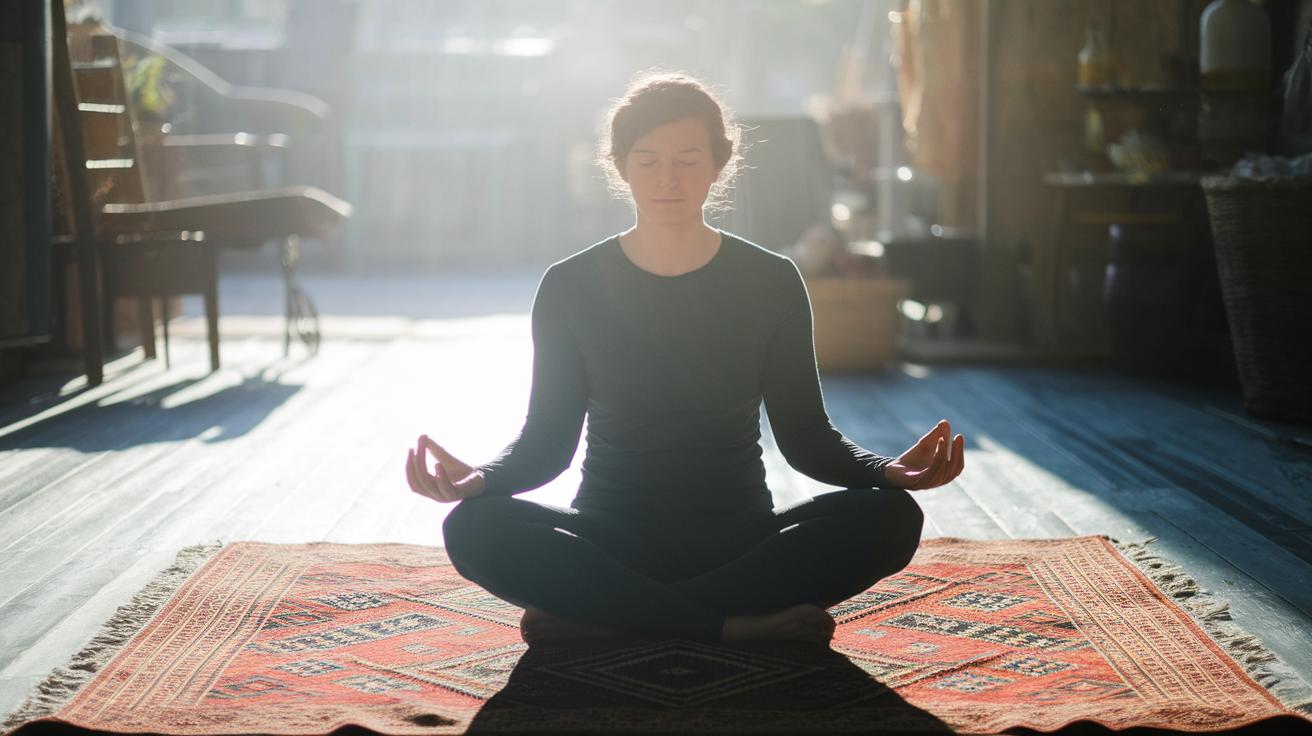
Mindful Matters makes therapy practical for easing anxiety, worry, and sadness. It uses simple ways to help calm busy thoughts and break the cycle of feeling stuck. One clear method is called 4-7-8 breathing. Simply breathe in for 4 seconds, hold for 7 seconds, and breathe out for 8 seconds. It’s like giving your mind a little reset that lowers stress and helps you feel calm.
Another helpful tip is progressive muscle relaxation. Start by tensing and then slowly releasing your muscles, moving from your feet all the way to your head. This easy exercise helps your body let go of built-up tension while you focus on the present moment. And sometimes, taking a mindful pause during your day can help you step back, look at your feelings, and accept them without judging yourself.
- 4-7-8 Breathing
- Progressive Muscle Relaxation
- Mindful Pauses
Using these simple mindfulness techniques not only lowers stress hormones but also gives you the power to face deep-seated anxiety. With practice, they work together to bring back a sense of calm and clear thinking, making everyday life a little healthier and more balanced.
Mindful Matters in Clinical Mental Health Applications
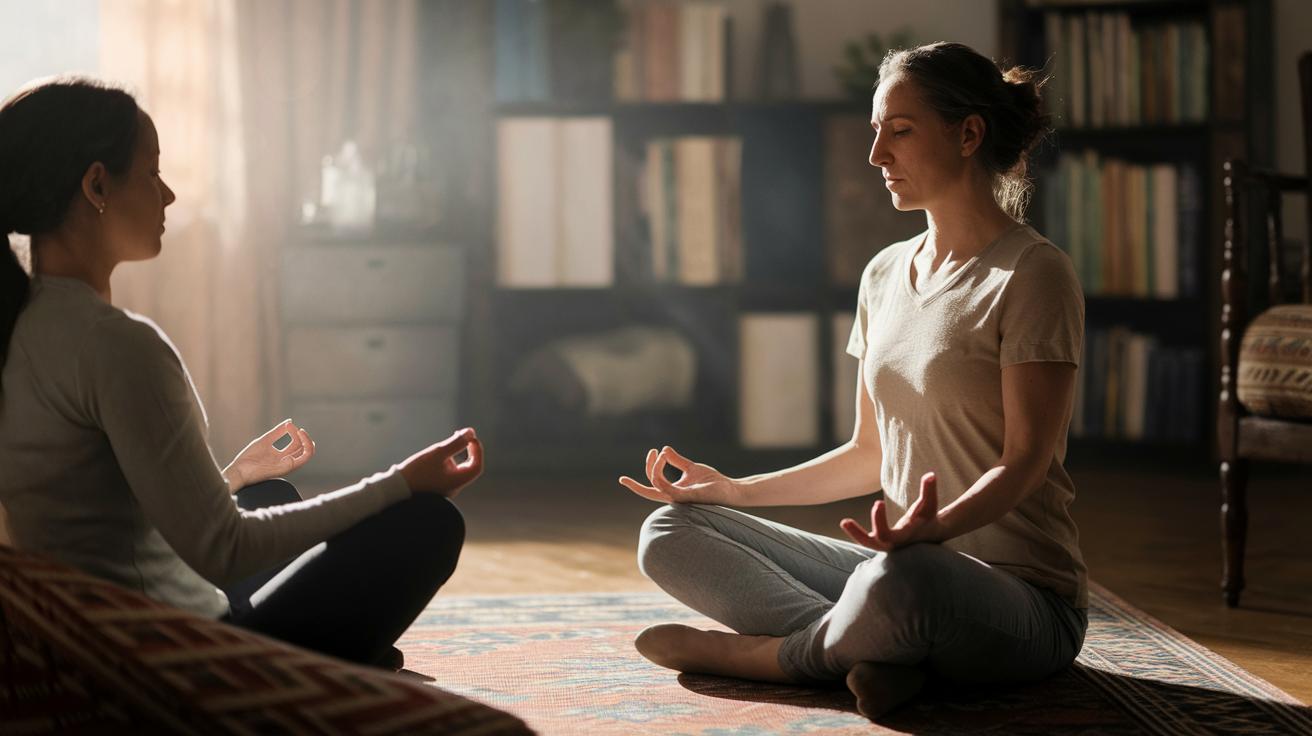
At Mindful Matters, we blend mindfulness with tried-and-true therapy methods. Our lead therapist holds an MSW from a respected university and has received hands-on training at a major medical center. This solid background helps us use proven mindfulness techniques to ease anxiety and lift depression.
In our practice, mindfulness meets everyday therapy. We use programs like MBSR (mindfulness-based stress reduction, a method that teaches you to gently focus on your breathing and the present moment) and MBCT (mindfulness-based cognitive therapy, which helps spot and change negative thought patterns) as part of our treatment plans. Imagine sitting in a session, slowly noticing how your breath rises and falls, like watching soft waves at the beach.
MBCT takes things further by helping you see and change harmful habits. Many people tell us that learning to pause and reflect makes them feel more in control.
We tailor these mindfulness techniques to each person. Your treatment plan is as unique as you are, and we adjust it as you progress. By using these mindful strategies, you can build strong skills to manage your emotions better.
In counseling, mindfulness acts as a bridge to better mental health. It helps shift you from a reactive state to a calm awareness, paving the way for steadier moods and lasting change.
Mindful Matters Techniques for Emotional Healing
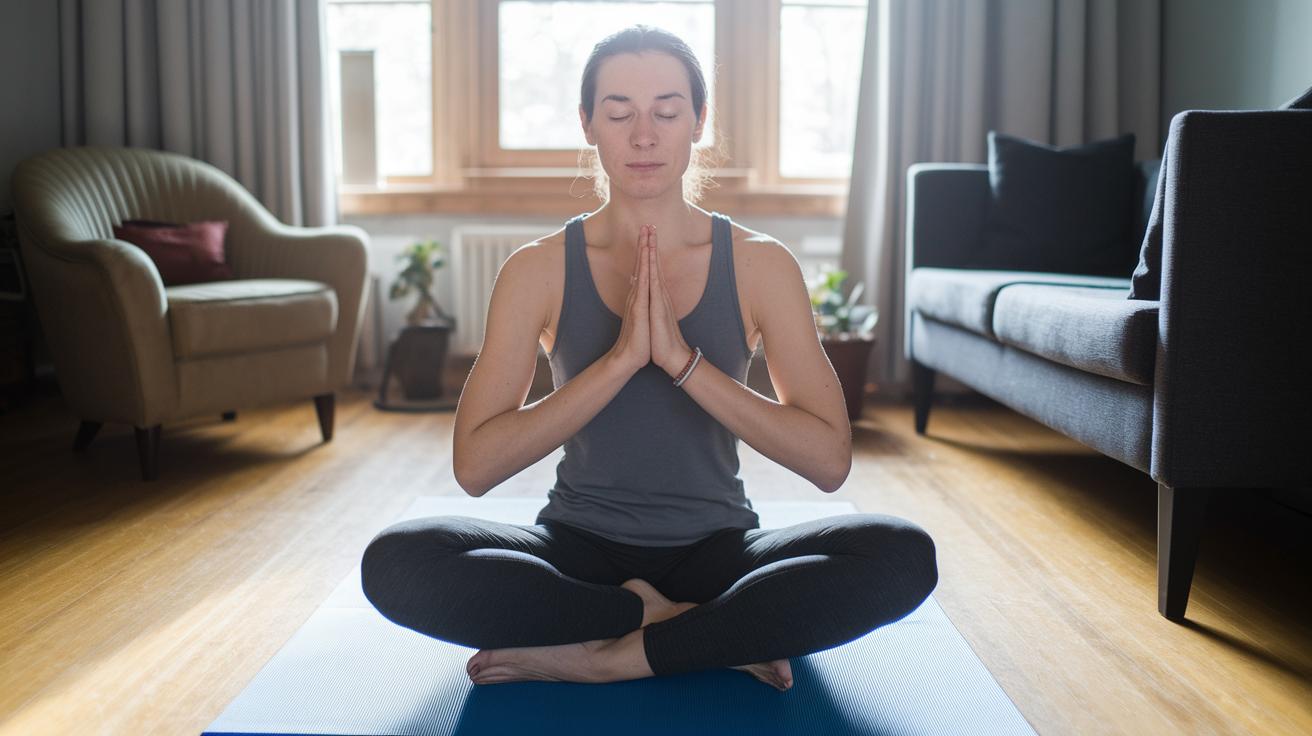
Take a moment to check in with yourself and really think about your feelings. Ask yourself simple questions like "When did my feelings teach me something useful?" Research tells us that this kind of self-talk can clear up your emotional view.
Try a body scan to see how your body and emotions work together. While you calmly notice any tight spots in your body, you might say, "This tightness reminds me of past challenges that helped me grow." It’s a neat way to see how what you feel in your body connects with your inner emotions.
Next, try an exercise where you gently welcome tough feelings. Picture a strong emotion as if it were a visitor for a short visit. For instance, say, "I welcome this anxious feeling, I notice its message, and then I let it move on." Studies show this simple approach can help you react less and be kinder to yourself.
Mindful Matters Community and Environment Support
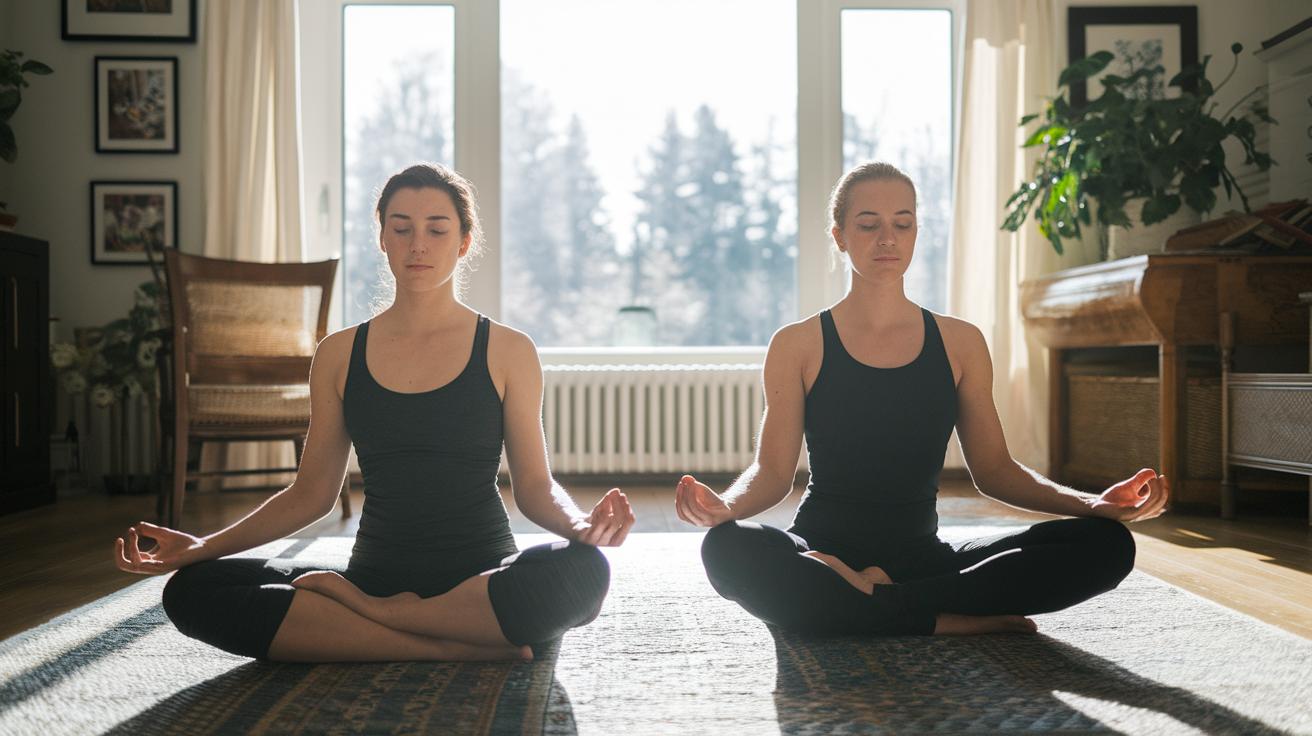
Imagine walking into a sunny, breezy space that feels like a home away from home. The room is filled with warm light, airy spaces, and gentle decor that encourages you to be in the moment. Group classes and easy-going mindfulness workshops make it feel like everyone's right there with you, sharing simple joys and quiet insights.
You’ll also find local meetups and in-person gatherings where you can chat and connect with others who love this mindful way of life. And if you can’t make it out, digital tools like fun apps and online chats keep you linked with the community. This mix of real-life meetups and friendly online spaces helps Mindful Matters build a community where mindfulness feels natural, accessible, and uplifting for everyone.
Mindful Matters Advanced Integration and Innovation
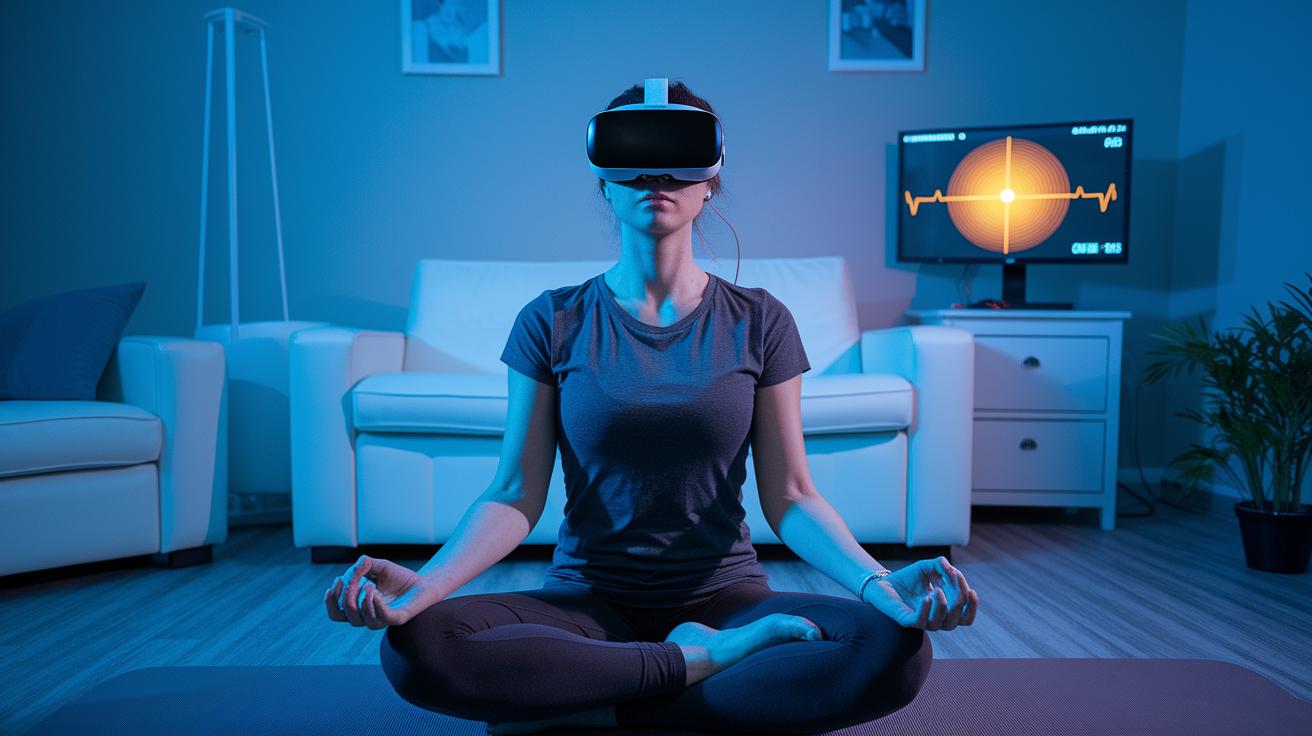
Step into a calm space where gentle mindfulness meets new, creative therapy techniques to help you find peace. At Mindful Matters, we mix simple, solution-focused methods with thoughtful practices that really listen to your needs. Techniques like biofeedback (which shows you how your body relaxes in real time) help you learn fresh ways to handle stress.
Our approach even includes VR mindfulness. Imagine meditating while exploring a quiet, virtual retreat, it’s like taking a mini-vacation for your mind. We blend classic mindfulness with creative therapy so you can discover inner strength in fun, engaging sessions.
And if insurance is a worry, don’t stress. With flexible, out-of-network options, you can choose a care path that fits you perfectly. Each session is a new chance to grow, deepen your awareness, and feel more capable in your daily life.
Final Words
In the action of mindful matters, we explored what it means to be truly aware. We covered simple strategies for daily calm, engaging guided meditations, techniques to ease stress, and even ways to build emotional strength.
Every tip, from a quick breathing break to mindful journaling, can offer lasting confidence in your health. Keep embracing these small practices with hope and energy, and enjoy the calm they bring to your everyday life.
FAQ
What does Mindful Matters Gulfport refer to?
The term Mindful Matters Gulfport refers to a look-up for mindfulness services in Gulfport. It suggests a local resource offering mindfulness techniques to help reduce anxiety and foster calm.
What is Mindful Matters LLC?
The term Mindful Matters LLC points to an organization dedicated to offering mindfulness-based care. It emphasizes practical strategies to ease anxiety and promote mental well-being.
What are the services provided by Mindful Matters Pittsburgh?
The term Mindful Matters Pittsburgh indicates a search for mindfulness services in Pittsburgh. It likely offers mindful practices and personalized techniques crafted to manage stress and calming racing thoughts.
How is mindful practice integrated with karate at Mindful Matters?
The phrase Mindful Matters karate hints at combining mindfulness with martial arts techniques. This blend can help sharpen focus, ease anxiety, and boost self-awareness during physical training.
Who is Nathan Jenkins of Mindful Matters?
The reference Nathan Jenkins mindful matters points to a professional likely affiliated with the organization, offering expertise in mindfulness approaches that support emotional balance and stress relief.
What does an ADHD assessment in St John’s involve?
The phrase ADHD assessment St John’s involves a thorough evaluation of attention patterns. It typically looks at focus and impulsivity while suggesting mindful techniques to support improved concentration.
What can reviews of Right Track Medical Group reveal?
Right Track Medical Group reviews reveal insights into patient experiences. They highlight how integrated health services, including mindfulness strategies, help ease stress and improve overall well-being.
What services are available from a Psychologist in St John’s?
The term Psychologist St John’s suggests professionals offering mental health care grounded in mindfulness. They provide evaluations and therapy designed to reduce anxiety, promote calm, and improve emotional regulation.