Have you ever noticed that one deep breath can make your day feel a little easier? Sometimes, anxiety makes even the smallest tasks feel overwhelming. In our busy lives, stress can sneak into our routines without us even knowing. But there’s hope. Simple habits like taking slow, mindful breaths, writing down what’s on your mind, or even enjoying a light stretch can help calm your thoughts and relax your body. Today, we'll explore some easy ways to ease stress, so you feel more in control and at peace.
Overview of stress reduction techniques for anxiety
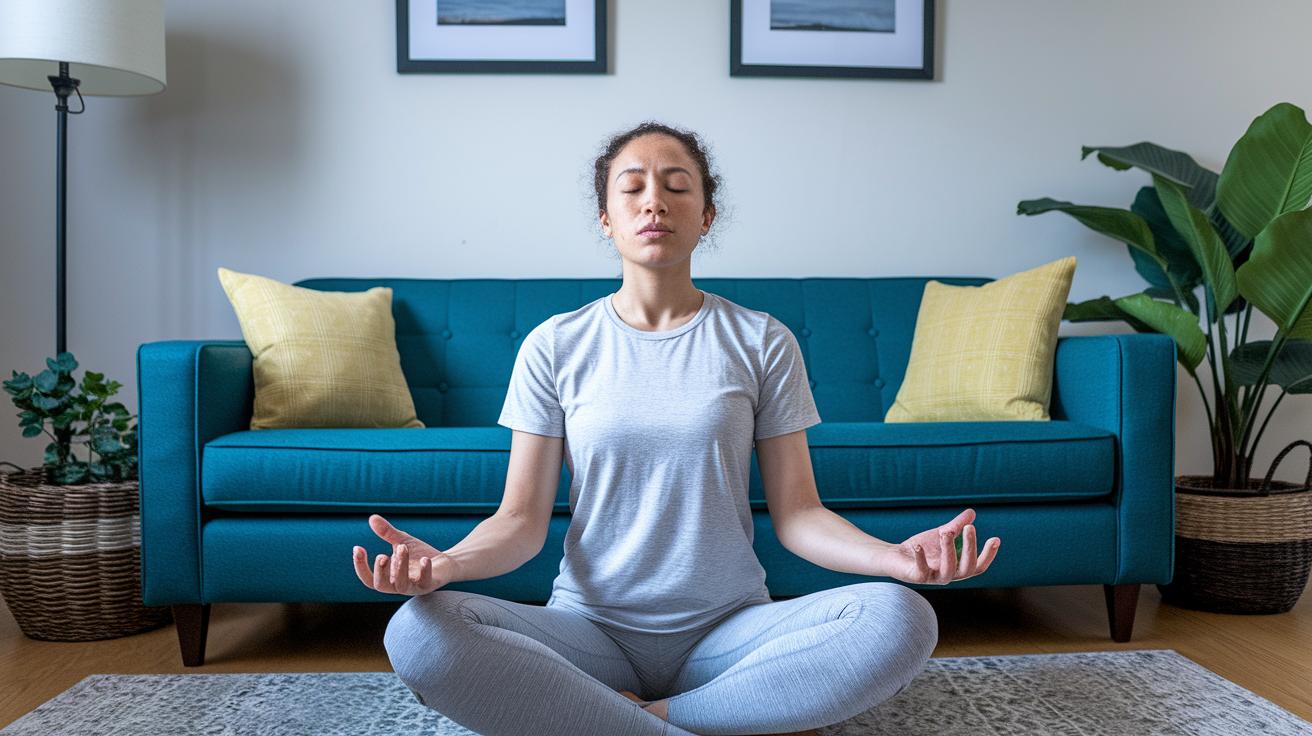
Handling stress begins when you spot what sets you off and try small changes to help. Keeping a journal, for example, can reveal patterns in your mood. You can then use simple ideas like the four As – avoid, alter, adapt, and accept – to decide if something really needs to change.
Even tiny shifts can make you feel a lot better. Studies show that doing some aerobic exercise twice a week helps lower stress, and having face-to-face chats with friends can boost those calming hormones in your body.
Here are some practical tips:
| Tip | Description |
|---|---|
| Breathing exercises | Slow, focused breathing that tells your body to relax. |
| Mindfulness practices | Paying attention to the present to ease away worry-filled thoughts. |
| Progressive muscle relaxation | Tense a group of muscles, then relax them to let go of tension. |
| Physical activity | Walking or cycling can release endorphins and serve as a healthy distraction. |
| Journaling | Writing about your day helps you spot triggers and notice progress. |
Using these strategies together lets you tackle stress from different angles. Mixing techniques that calm your mind with activities that soothe your body creates a strong plan to ease anxiety. Try different methods to see what fits best for you and enjoy feeling more balanced each day.
Deep breathing exercises for anxiety relief
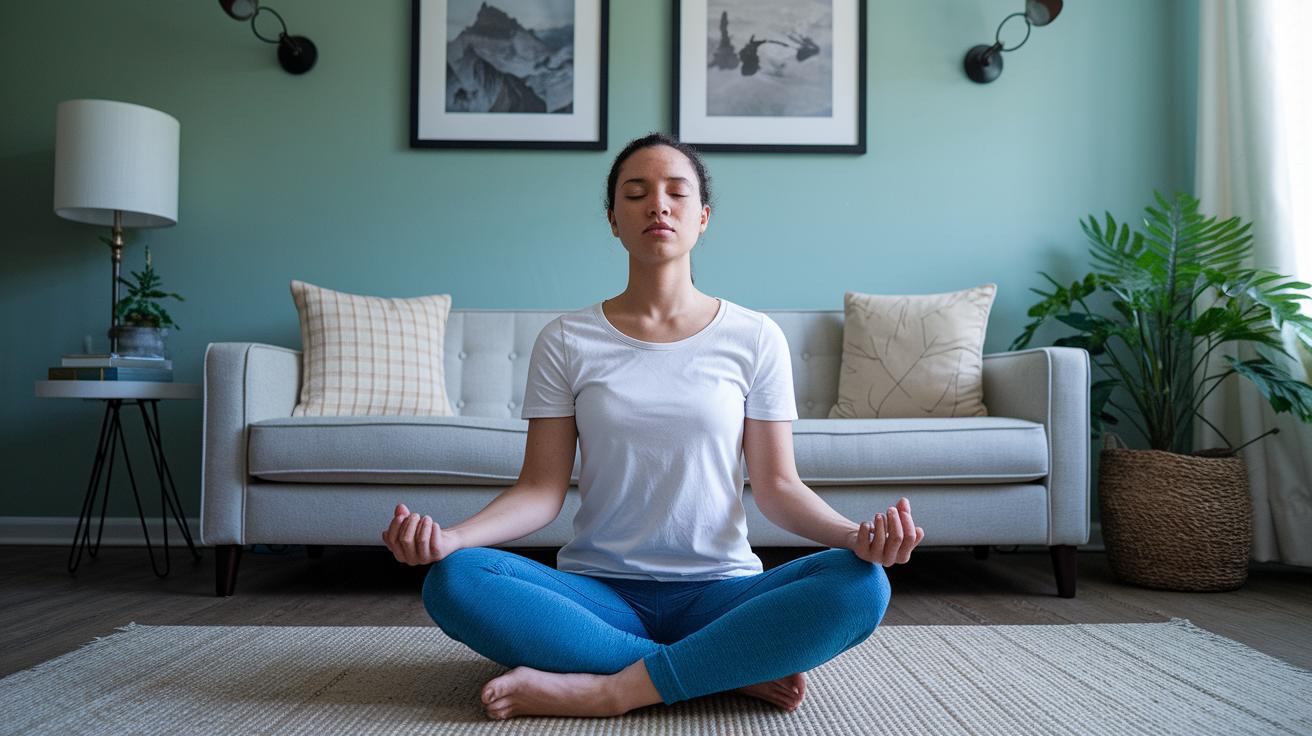
Taking a slow, deep breath can bring instant relief from anxiety by signaling your body to relax. When you focus on your breath, you lower your heart rate and ease muscle tension, making stressful moments a bit more manageable.
Diaphragmatic Breathing
Start by inhaling slowly for 4 counts, hold your breath for 2 counts, then exhale for 6 counts. This gentle pause helps calm your body's natural response to stress, offering a simple break during hectic times.
Box Breathing
Give this a try: breathe in for 4 counts, hold for 4 counts, exhale for 4 counts, and pause for another 4 counts. This smooth, even pattern steadies your mind and body, making overwhelming feelings easier to handle.
4-7-8 Technique
Here’s another method: breathe in for 4 counts, hold for 7 counts, and exhale slowly for 8 counts. This rhythmic approach helps balance your body’s stress signals and can ease anxiety quickly during tense moments.
When you weave these exercises into your everyday routine, you build a little resilience that helps you stay calm when challenges come your way.
Progressive muscle relaxation exercises for anxiety reduction
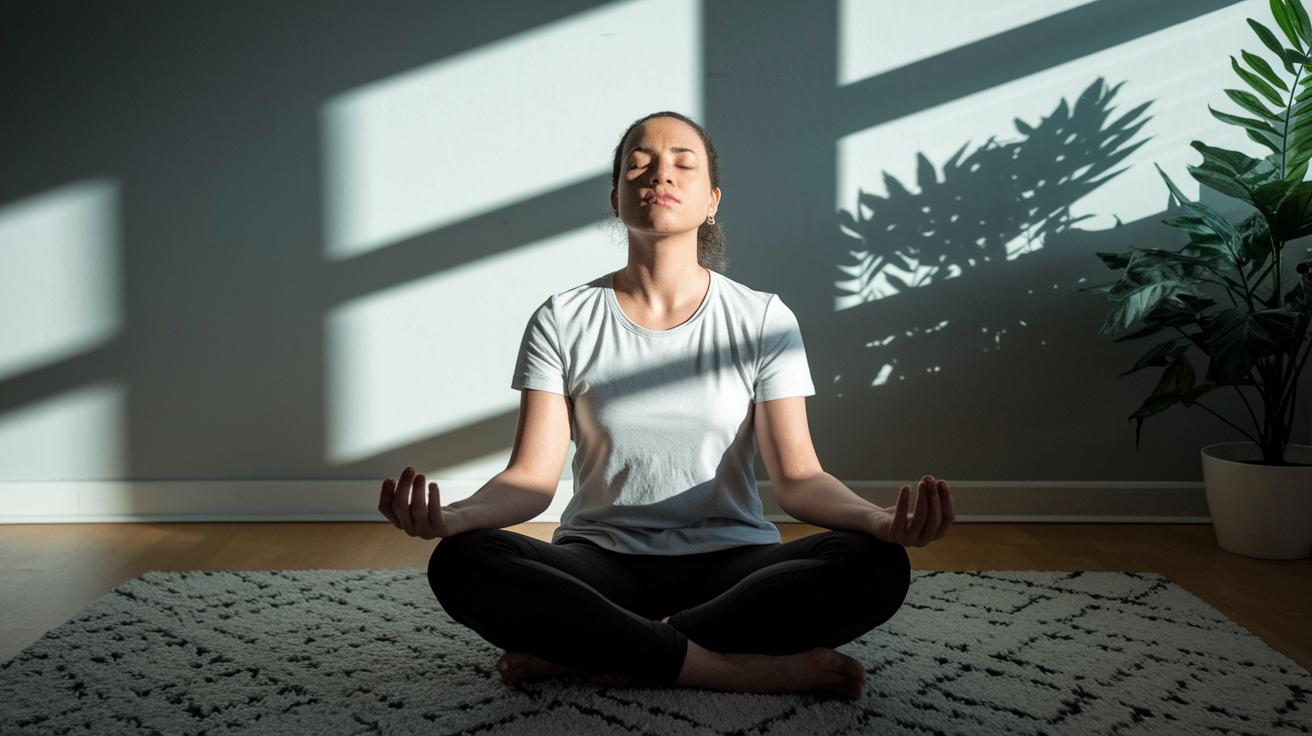
This technique helps you learn to tense and then relax your muscles one at a time. Start at your feet by squeezing your muscles tightly for 5 to 10 seconds. Then, slowly let go and notice how the tension fades. Work your way up through your legs, belly, arms, and face, paying close attention to each area. Imagine clenching your thighs really tight, then releasing, and feeling a gentle calm rising from your toes.
As you go through the exercise, you may notice your body easing into a state of calm. Tensing and then relaxing each muscle group can help reduce overall tightness and slow your breathing. When your heart rate drops, it shows that your body feels safe and relaxed. Even a brief session can make a big difference, reminding you that you have the power to control your stress.
Research tells us that practicing this method for about 10 to 20 minutes can really lower anxiety. With regular sessions, you'll see less muscle tension and a calmer heartbeat. This simple routine not only eases stress right away but also helps build long-term strength against anxiety.
Guided meditation and mindfulness practices for anxiety relief
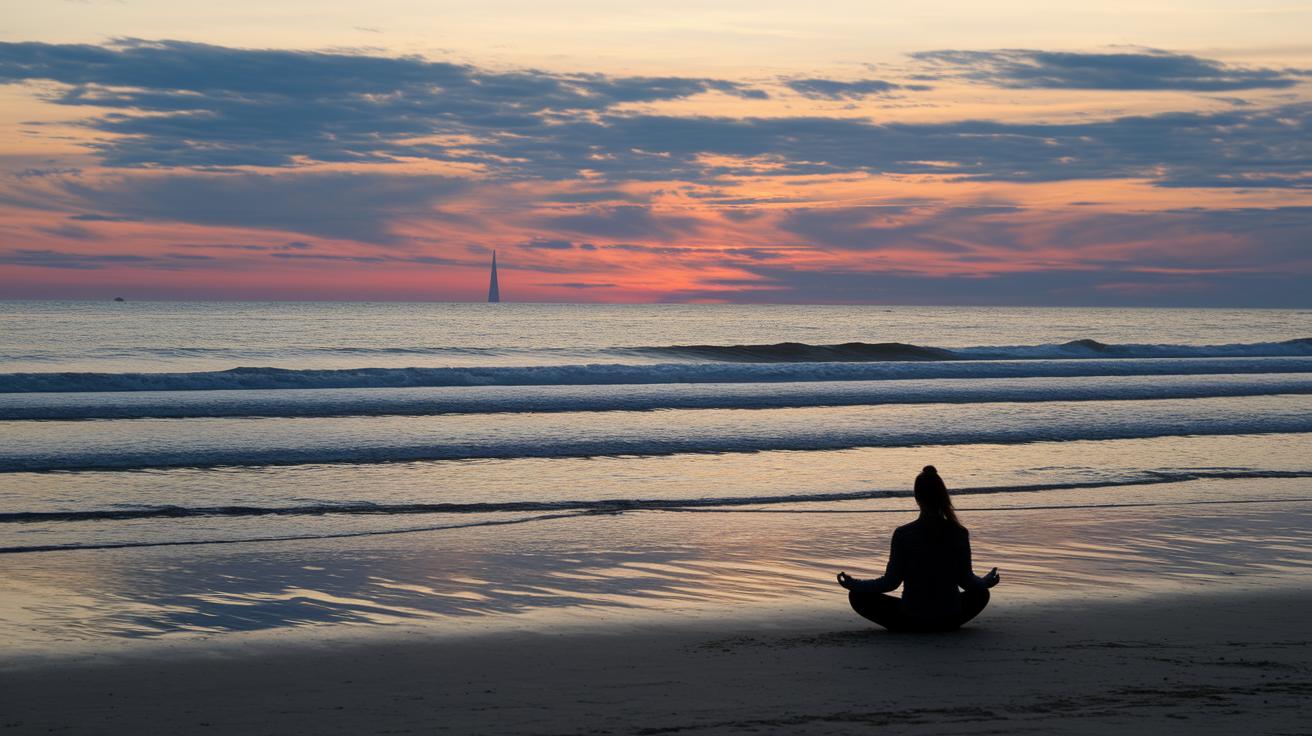
Guided meditation, like mindfulness-based cognitive therapy (MBCT), mixes simple meditation with easy mental tricks to break worry cycles. It helps shift your focus from rapid, racing thoughts to a much calmer mind. Think of it like giving your brain a gentle little reset, so anxiety can slowly melt away.
Try a guided imagery exercise next. Spend five to ten minutes in a quiet spot and picture your own peaceful haven. Imagine a quiet beach at sunset with soft waves gently kissing the shore. This kind of focused daydream can ease stress hormones (like cortisol, which is released when we’re stressed) and release anxious feelings. Just start with a short session and notice how the calm begins to build.
You might also enjoy nature-based mindfulness, sometimes known as forest bathing. This could mean spending just ten minutes outdoors or doing a simple body scan outside. Picture yourself taking a slow walk among trees, breathing in fresh air, and noticing every sound and scent. This sensory experience can help lower stress and reconnect you with inner balance.
When choosing audio guides, pick ones that talk in a friendly, clear tone while matching your natural pace. Try setting aside time two or three times a week for these sessions. A regular practice like this can make a big difference in how clear and calm your mind feels.
Physical activity and home-based stress reduction techniques for anxiety
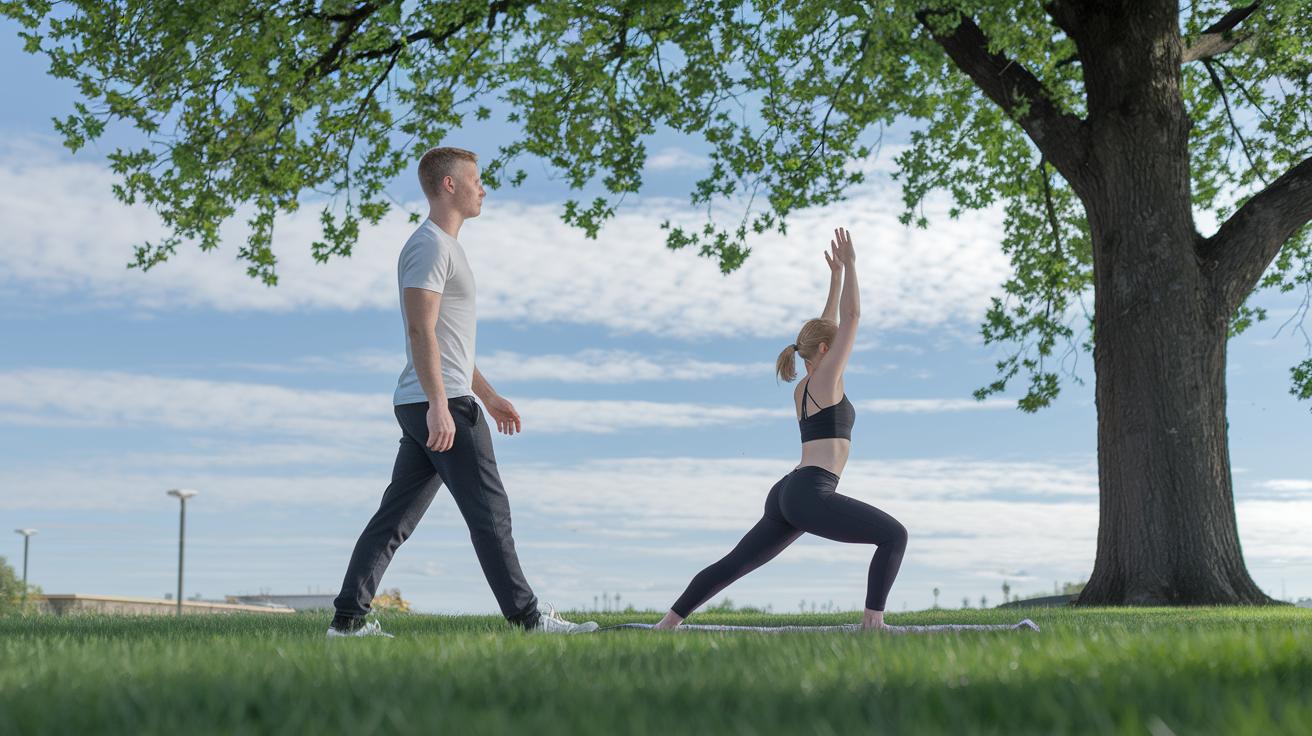
Aerobic activities like walking, running and cycling help your body feel better naturally. They release endorphins (natural chemicals that make you feel happy) which ease anxiety. Studies have shown that doing these exercises twice a week can lower stress by over 20 percent. They lift your mood and keep your body strong.
Yoga and tai chi offer a different kind of relief. Spending about 30 minutes on a yoga session can clear your mind with gentle stretches and deep breaths. Practicing tai chi or doing simple bodyweight exercises at home can help reduce stress without the need to visit a gym. Even a short, 10-minute walk in nature, often called forest bathing, can lower stress hormones and bring a sense of calm.
| Activity | Recommended Duration | Primary Benefit |
|---|---|---|
| Walking | 30 minutes | Boosts endorphins and eases stress |
| Yoga | 30 minutes | Improves flexibility and calms the mind |
| Cycling | 30 minutes | Enhances heart health and lifts mood |
| Tai Chi | 20 minutes | Promotes relaxation and awareness |
| Forest Bathing | 10 minutes | Lowers stress hormones and soothes the mind |
Mix these activities into your weekly routine. Being consistent with these practices can help build resilience and give you regular moments of calm in your everyday life.
Cognitive-behavioral and self-care routines for anxiety stress reduction
Sometimes our minds jump straight to the worst-case scenario. But with a little shift in how we think, we can find a more balanced way to see things. One way to do this is by asking yourself if those anxious thoughts are true. For example, when you feel like, "I can’t handle everything," try reminding yourself, "I’ve managed tough situations before and I can handle one thing at a time." A simple tool to help here is the four As: avoid, alter, adapt, and accept. They can guide you in figuring out which worries need a strong reply and which can be given a gentler look.
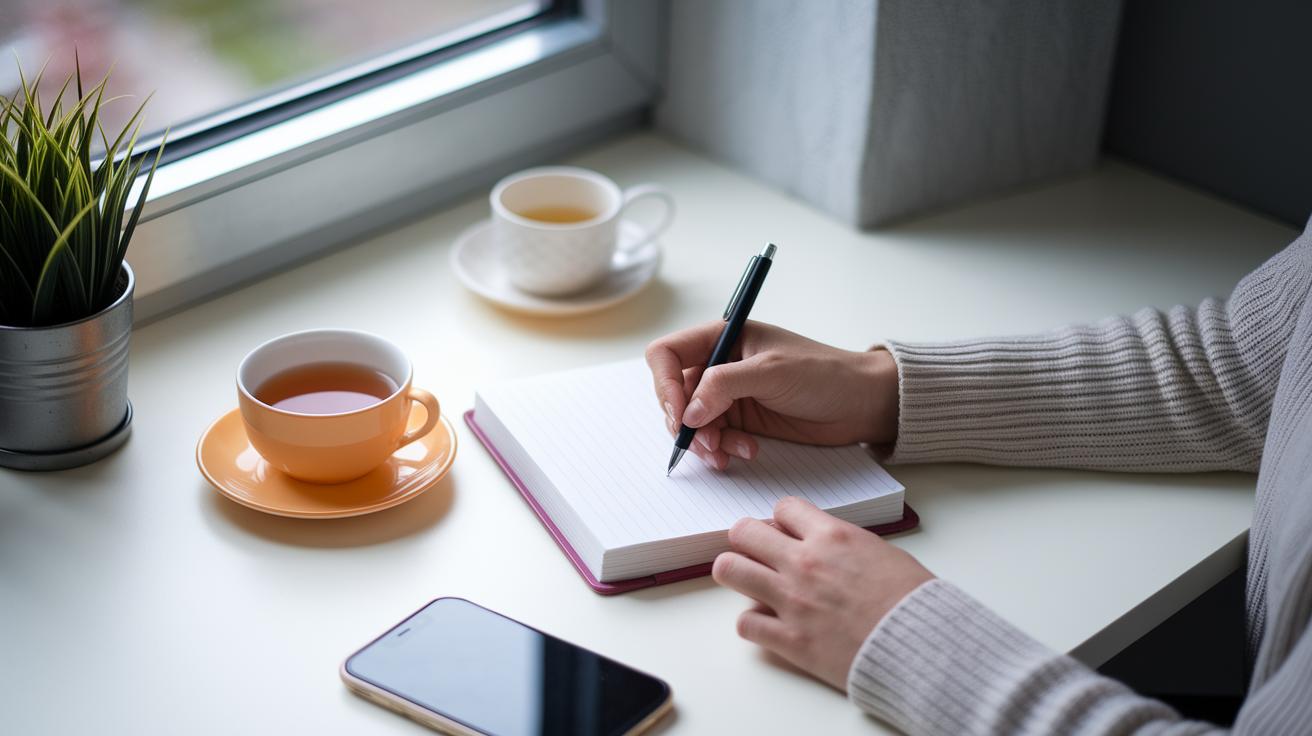
Another way to feel more in control is by using self-soothing habits. I like to think of it kind of like giving myself a mini check-in every day. When things get too heavy, jot down a quick note about what sparked your worry, maybe something like, "Today, my workload made me anxious." Also, small changes like having less caffeine or taking a short break to relax can really help keep your nerves steady.
Setting aside a bit of time each day for self-care can change the game when it comes to managing anxiety. Whether it’s writing in your journal, planning a meal, or just taking a moment to breathe and feel your body, these little habits go a long way. And hey, if the anxiety sticks around or feels too much to handle, it might be a good idea to chat with a professional who can give you a step-by-step plan. Asking for help when you need it is a strong move towards taking care of yourself.
Final Words
In the action, we explored ways to ease anxiety. We started with calming breathing drills and muscle relaxation to settle the body, then moved on to guided meditation practices that soothe the mind. We also touched on physical activities that boost mood and cognitive techniques to shift stressful thoughts. Mixing these tactics shows that a blend of approaches can work wonders. Stress reduction techniques for anxiety can really make life feel lighter. Keep trying out these tips and cherish every small step toward a calmer, healthier life.
FAQ
How can I relieve stress quickly at home?
When you need to relieve stress quickly, try at-home techniques like deep breathing, a short walk, or gentle stretching to ease tension and bring calm.
How can women relieve stress effectively?
When women seek stress relief, simple strategies like a warm bath, mindful breathing, and light exercise can reduce stress and promote a smoother emotional balance.
What are some effective ways to cope with stress?
When exploring ways to cope with stress, combining methods such as deep breathing, mindfulness, journaling, physical movement, and good sleep can lower stress levels.
What are quick relaxation techniques for anxiety?
When looking for quick relaxation techniques for anxiety, practices like deep breathing, progressive muscle relaxation, and guided imagery help calm the nervous system fast.
What is the 3-3-3 rule for anxiety?
When explaining the 3-3-3 rule for anxiety, it involves naming three things you see, three sounds you hear, and three actions you can take, which grounds your focus during anxious moments.
How can I manage anxiety in stressful situations?
When managing anxiety in stressful situations, techniques like breathing exercises, mindfulness, and brief physical movement work together to stabilize your responses.
How can I deal with stress and depression?
When facing both stress and depression, mixing physical activity, proper rest, social support, and, if needed, professional advice creates a balanced approach to emotional well-being.
How can I destress in just five minutes?
When you need to destress in five minutes, try rapid techniques like deep breathing, progressive muscle relaxation, or a quick mindfulness exercise to reduce tension and gain calm.