Ever wonder if paying closer attention to your thoughts might change how you feel? Tuning in to your inner voice is like a soft beat that divides your day into moments of clarity. It nudges you to notice little shifts in your mood or a stray memory that pops up.
Today, we'll chat about how simply noticing what goes on inside you can link your feelings to the world outside. This mindful habit gives you new insights and helps you grow from within, lighting up even the smallest moments.
Defining Consciousness Awareness: Core Concepts
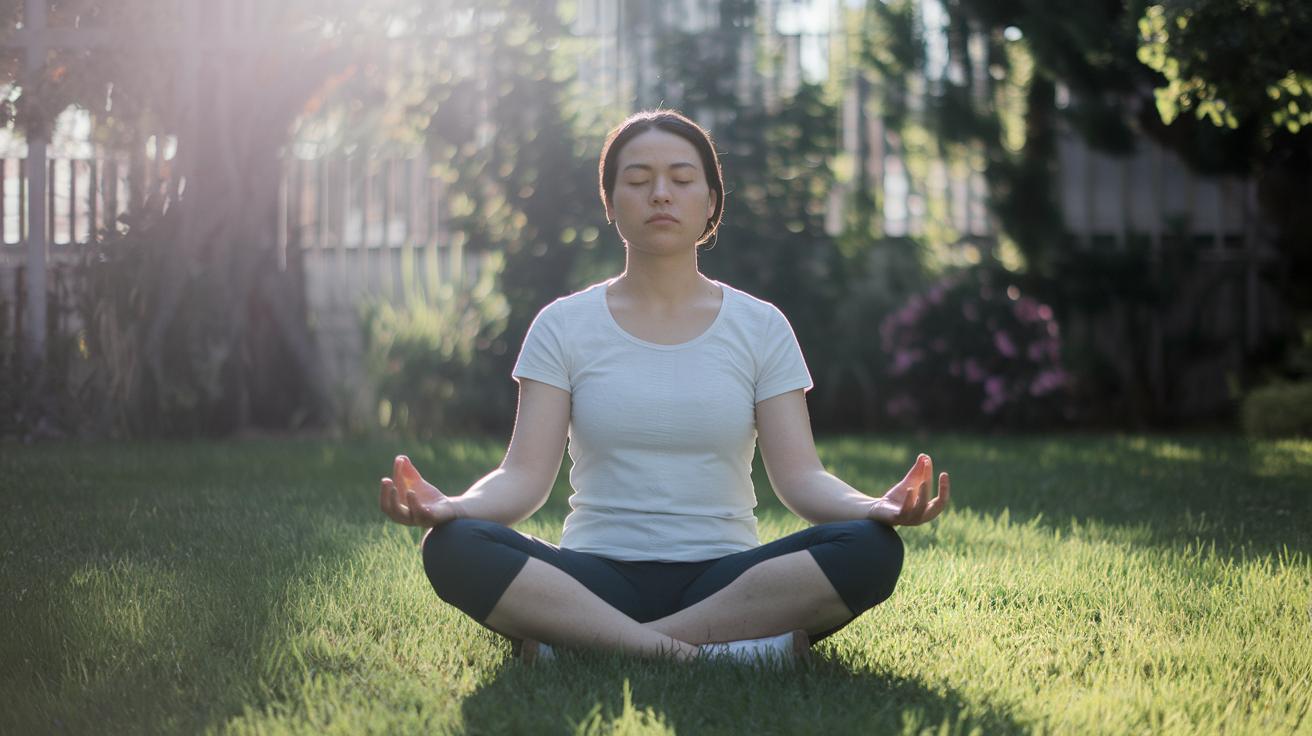
Consciousness awareness is the steady flow of what we feel, remember, and think. It's like a gentle hum of sensations and memories that helps you stay tuned in, even when you're sitting still. You know that feeling when you're quietly enjoying a moment and yet fully aware of everything happening around you? That's what it means to be consciously aware.
It’s about seeing the big picture of our experiences while also keeping track of our personal feelings. Self-awareness means understanding your emotions and thoughts, like taking a quiet moment to feel the warmth of the sun or the calm after a deep breath. This simple act of noticing helps you connect with the richness of life.
Understanding this idea is important because it shows how every tiny moment can shape how we live. When you see consciousness as a continuous experience, it connects our inner thoughts to the lively world around us. It reminds us that being aware isn’t just about thinking; it’s about truly feeling each moment as it unfolds.
consciousness awareness: Bright Insights & Inner Growth

When we talk about consciousness, we're diving into ideas about how our minds really work. Some folks believe that while your body can drive a car on autopilot, your conscious mind takes a moment to enjoy life's little details. It makes you wonder how being mindful, our inner thoughts, and our body's signals connect to create our unique experience, even when our mind feels at rest, there's always a quiet buzz of thoughts and reactions in the background.
Dualism
Dualism is the idea that our mind and body are like two different, but connected, parts. It says that our thoughts and feelings stem from a space that isn't physical, while our body goes about its daily work like clockwork. Think of it like two sides of a coin, both important but not the same. For example, when you're soaking up a bright, sunny day, your skin feels the warmth and your mind delights in the beauty of the moment.
Materialism
Materialism tells us that everything we feel comes from the natural workings of our brain. In this view, our feelings, memories, and thoughts are all sparked by electrical signals. Imagine your brain as a super busy computer where tiny signals join forces to create all your experiences. This approach helps us see how science ties together with the simple fact that our body’s signals make us feel alive.
Panpsychism
Panpsychism offers a bold twist by suggesting that even the smallest bits of matter might have a spark of awareness. This idea invites you to wonder if thoughts and feelings might not just be a human thing but could be a basic part of everything around us. It’s a fresh way to see the world, encouraging us to think about life, and our role in nature, in a brand new light.
| Theory | Key Concept | Main Proponent |
|---|---|---|
| Dualism | Mind and body are separate | René Descartes |
| Materialism | Our awareness comes from brain activity | Daniel Dennett |
| Panpsychism | Consciousness exists in all matter | Philip Goff |
Neuroscience Insights into Consciousness Awareness

When you look at your brain in action, you see busy patterns that bring our senses to life. For instance, parts like the prefrontal cortex (which helps you plan and decide) and the thalamus (which passes signals like a post office) work together to let you feel everything from warm sunlight to a friendly voice.
Scientists use tools like fMRI (a machine that shows blood flow in the brain) and EEG (which records your brain's electrical pulses) to capture these lively moments. It’s a bit like snapping a photo of a city at night, where each burst of light represents a part of your brain lighting up as it processes information.
When we mix these exciting scientific insights with our everyday experiences, we see that being aware is both measurable and deeply personal. Every thought and sensation you have is part of a beautiful dance that shows how your brain weaves together your feelings, thoughts, and sensory moments.
Philosophical and Spiritual Views on Consciousness Awareness
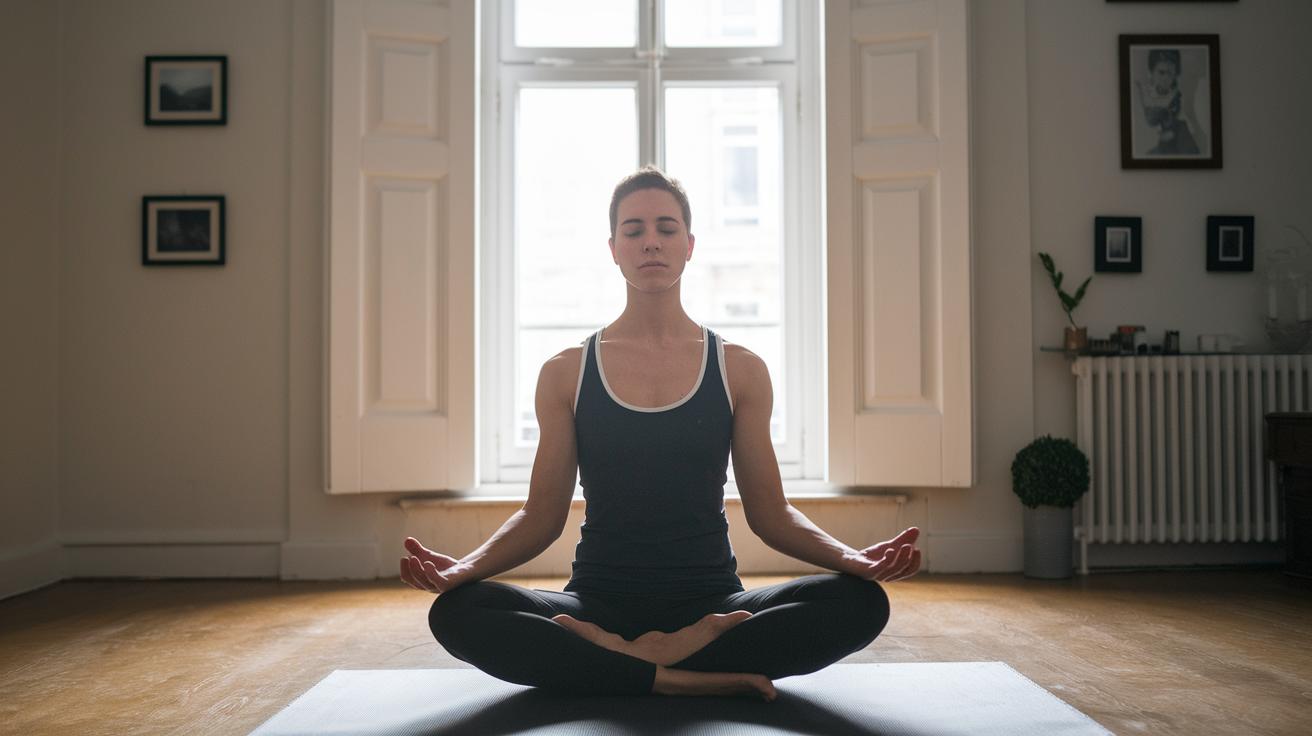
Deep thinkers over the ages have wondered what being truly aware really means. Ancient views often described self-awareness as a mirror that shows the truths of your inner soul, while today we see consciousness as a flowing mix of thoughts, emotions, and the world around us. Have you ever noticed how a quiet evening of reflection can stir up soft memories and gentle feelings? Each quiet moment helps you glimpse the link between your inner world and the world outside.
Spiritual traditions give us warm guidance to explore our innermost selves. Many cultures advise taking a journey inside, leading you to a calm, clear space. These time-tested practices invite you to look past everyday appearances and touch a deeper, common truth. As you start your inner journey, you begin to see life in layers that feel both familiar and new.
Everyday actions, like practicing mindful breathing, build a bridge between your personal awareness and a wider sense of connection. When you take slow, steady breaths, a simple pause turns into a powerful moment that fills you with quiet insight. This gentle breathing practice helps you savor each lively detail of the moment, like the cool rush of fresh air, and tunes you into the rhythm of both your heart and the world around you.
Practical Techniques for Inner Growth
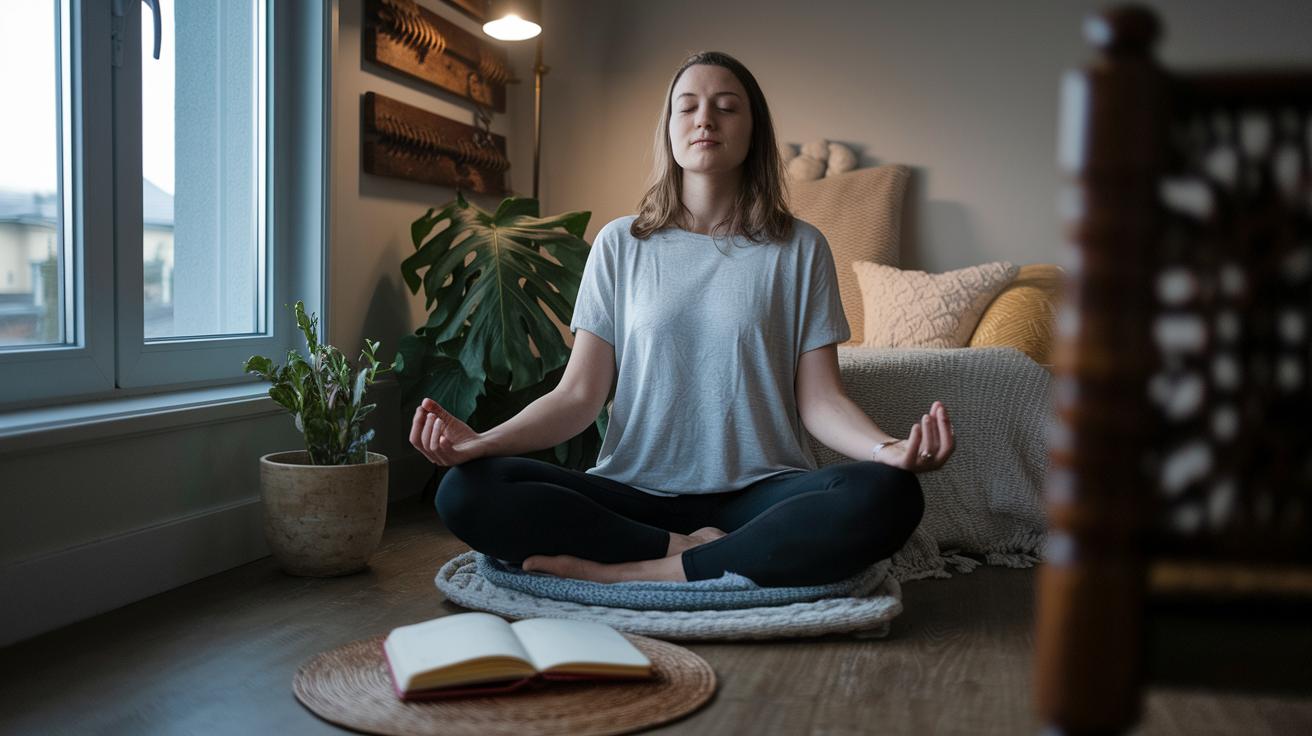
We've talked about getting clear in your mind before, and now it's time to put those ideas into practice. These tips can help you feel more grounded and right in the moment.
Mindfulness Meditation
Mindfulness meditation is all about sitting quietly and focusing on the present. Just find a peaceful spot, close your eyes, and pay attention to your slow, deep breaths. As you relax, notice how your body feels and let any thoughts float by without holding on to them. Imagine sitting there, feeling calm as you breathe, and even recalling stories like how Marie Curie once carried test tubes in her pockets without knowing the dangers, a reminder that sometimes our actions carry hidden lessons.
Daily Breathwork
Taking time each day for deep breathing can really help calm your body and mind. When you breathe slowly and intentionally, it's like giving your system a mini-break from stress. Picture it like pressing a reset button that lets you clear away tension and find a bit of peace. This practice gently pauses your busy thoughts, setting a calm tone for the rest of your day.
Journaling & Self-Assessment
Writing down your thoughts for a few minutes each day can show you little signs of growth over time. A simple journal lets you notice when you're feeling a bit more clear or relaxed. It’s like taking a snapshot of your inner world. Try setting aside a regular time for a quick three- to five-minute breathing session followed by jotting down any feelings or insights. Over time, these simple notes can help you see progress and adjust your practices as needed.
- Choose a calm time and quiet place
- Start with 3–5 minutes of focused breathing
- Keep a simple journal with your thoughts and feelings
- Check in on your progress once a month
- Change your routine based on what you learn
Enjoy this journey toward inner growth, and remember that each small step is a win in making life feel a little more serene and balanced.
Incorporating Deliberate Living to Deepen Consciousness Awareness

Deliberate living is all about adding small, mindful routines to your day. Instead of using the same old steps you have tried before, view each deep breath, moment of reflection, or journal entry as a handy tool. For example, you might say, "I stopped before a big meeting to take three calm breaths and suddenly felt more clear-headed."
Even large companies are embracing these ideas. More than 10,000 sessions with employees from top companies like FTSE and Fortune 500 businesses have added simple breathwork and reflection into daily routines. In one session, a quick mood check showed that stress levels dropped noticeably.
Try setting aside a few minutes each day just for yourself. Breathe deeply, write down a few thoughts, or simply enjoy a quiet moment. Keeping a small log or doing a simple check-in with yourself can help you see real changes. This mix of practices can boost both your personal growth and well-being at work.
Reflective Journaling & Self-Assessment

Take a quiet moment to ask yourself simple questions. What feelings came up during silence? How did a brief pause affect your mood? Write down these thoughts in a small journal. For example, you might note, "I took a pause before lunch and felt a gentle calm spread through me, reminding me that even short breaks count." Jot down clear markers like how long you felt calm or when you sensed a subtle emotion. These little notes help you notice changes and track your progress.
Set a daily goal to write something about your inner feelings. You could use a basic scale or jot down a brief note about shifts in energy or focus. For instance, you might write, "In a meeting today, I felt a slight lift in focus, and I’d rate it a 2 on my calmness scale." Combining these personal questions with simple, consistent journaling makes it easier to see small changes and appreciate every little win on your journey to well-being.
Final Words
In the action, we broke down core ideas, explored theories and neuroscience clues, and shared practical techniques like mindfulness meditation, daily breathwork, and journaling. We looked at what it means to live deliberately while reflecting on progress through simple self-assessment tips. This article kept a friendly vibe, blending research insights with everyday practices to boost your overall well-being and deepen your consciousness awareness. May each step you take bring more clarity and a renewed zest for a healthy, active life.
FAQ
Q: What is conscious awareness?
A: The term “conscious awareness” means being tuned in to your thoughts, feelings, and sensory experiences. It refers to staying attentive to your internal state as you navigate everyday moments.
Q: How does psychology view consciousness awareness?
A: The idea of conscious awareness in psychology means actively noticing your feelings, thoughts, and sensations. It involves observing your mental experiences in a clear and purposeful state.
Q: What are some examples of consciousness awareness?
A: Examples of conscious awareness include noticing your emotions during a quiet moment, recognizing your thoughts while you’re awake, and tuning into the details of your surroundings gradually throughout your day.
Q: What is the difference between consciousness and awareness in Buddhism?
A: Buddhism explains that consciousness is the ongoing flow of thoughts and perceptions, while awareness is the mindful focus on the present moment. Each serves a unique role in understanding inner experience.
Q: What are the 5 levels of awareness in consciousness?
A: The five levels describe a progression from basic sensory input and focused attention to emotional recognition, reflective thinking, and finally, meta-awareness that deepens your understanding of self.
Q: What does it mean to be aware of your consciousness?
A: Being aware of your consciousness means noticing how your thoughts and feelings interact. It encourages you to observe your internal experiences with a calm focus throughout daily life.
Q: Are consciousness and awareness the same, or are there differences?
A: Consciousness and awareness are closely linked but not identical. Consciousness refers to the continuous stream of mental activity, whereas awareness is the focused noticing of those thoughts and feelings.
Q: What is a synonym for conscious awareness?
A: A synonym for conscious awareness is mindfulness, which captures the practice of being present, observing your thoughts, and connecting with your surroundings in a clear state.
Q: Am I consciousness or awareness?
A: You embody both consciousness and awareness. Your consciousness is the ongoing mental activity, while your awareness is the act of noticing and engaging with that activity every day.