Have you ever wondered if organic food really stands apart from the rest? Organic food is grown using natural methods that work gently with nature. Farmers rotate crops, use compost to feed the soil, and rely on natural techniques to help plants grow strong.
These simple approaches mean the food we eat is not only clean but also kind to our planet. Picture biting into a crisp apple grown with care, knowing it supports a healthy earth. Let's take a closer look at how these caring methods make all the difference.
Organic Food Meaning: Pure & Simple Definition
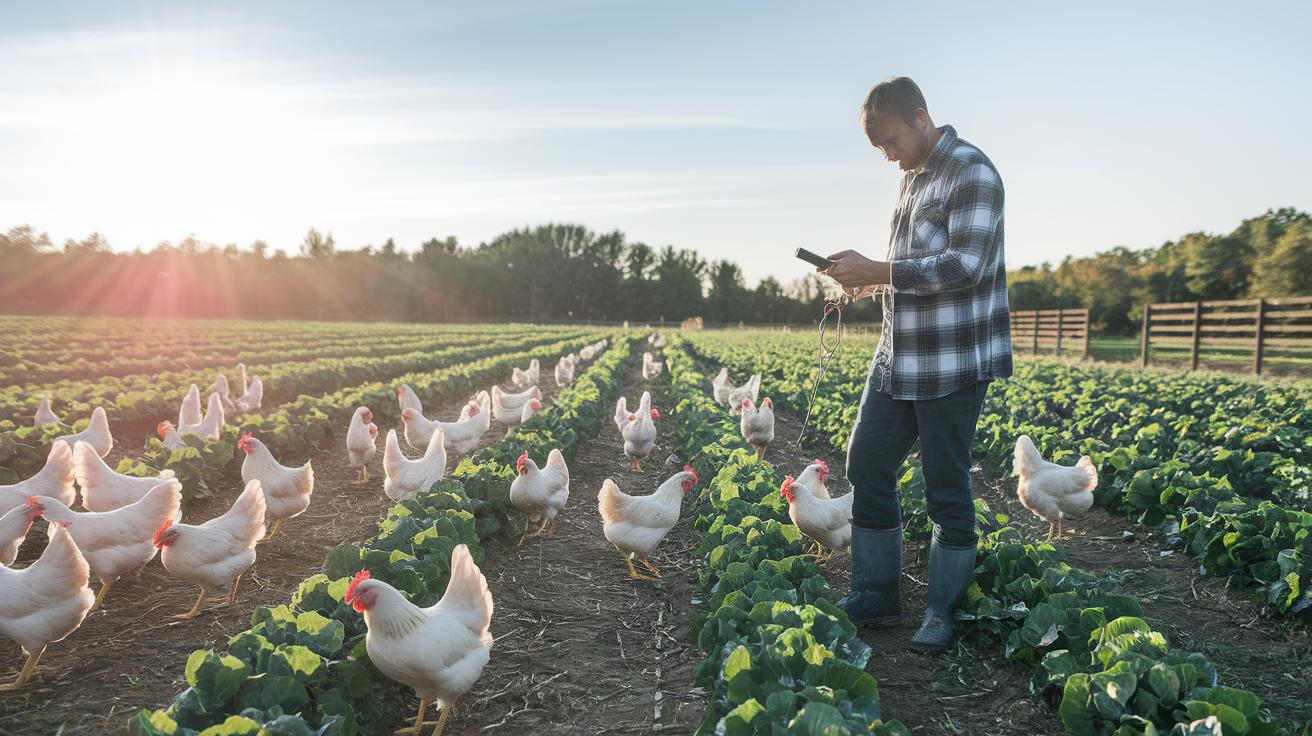
Organic food is simply food or drinks made by working hand in hand with nature. Farmers choose natural methods, using techniques like rotating different crops, adding green manure, and mixing in compost. Imagine a farmer who changes up what they plant each season so the soil gets all it needs without any harsh chemicals.
This way of farming celebrates a mix of plants and animals. It means growing a variety of crops and caring for animals in a way that lets them behave naturally. Picture chickens freely roaming in open, grassy fields, pecking happily at grains grown without artificial aids.
Choosing organic food is more than picking a label at the store, it’s about caring for our earth. When food is grown organically, the methods help protect our water, soil, and wild spaces. In many cases, these foods can even pack a bit more nutrition than those produced in conventional ways.
At its core, organic food is all about a simpler, cleaner approach to growing what we eat. It honors natural processes and supports the health of our planet.
Organic Farming and Production Methods
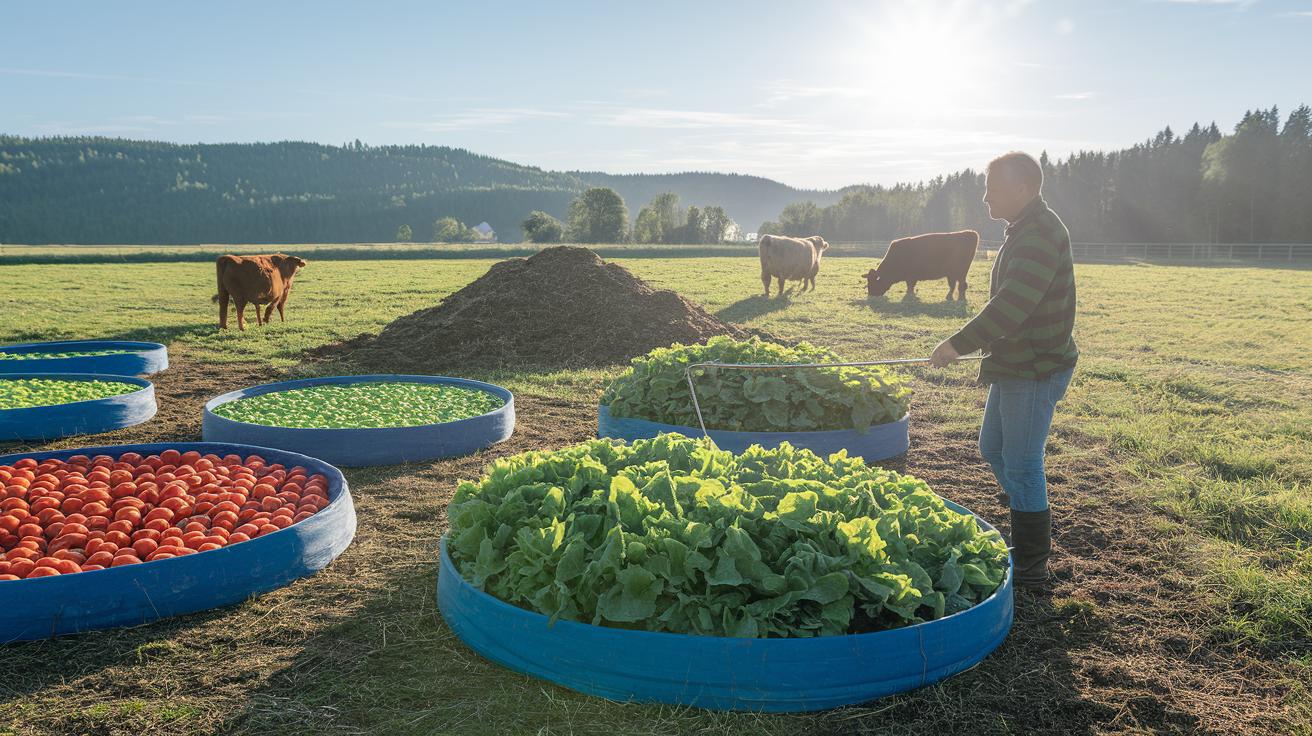
Organic farming uses simple, natural techniques to keep the soil rich and plants strong. Farmers switch up their crops – like planting tomatoes one season and beans the next – so the soil can soak up the goodness and get back its nutrients. They also use compost (rotting plant material that feeds the soil), green manure (plants that help the soil as they decompose), and natural ways to control pests using helpful insects.
Organic dairy and meat follow these kind approaches too. Animals eat feed grown without man-made hormones or antibiotics and get to roam in open fields. For example, pasture-raised cattle produce milk with up to 20% more omega-3 fatty acids. These healthy fats help our bodies, and it’s nice to know the animals are well cared for while their milk and meat pack extra nutrition.
Organic crops benefit from natural fertilizers instead of synthetic nitrogen, which is a chemical added in non-organic farming. Studies even show that organic produce often has about 30% lower nitrate levels than conventional crops. This natural boost keeps the soil happy and healthy season after season.
Farmers also invite helpful bugs into the mix to keep pests away, which cuts down on the need for harsh chemicals. A recent case study on a European farm showed that when they used natural pest control, they had up to 40% fewer pest problems than farms using synthetic products.
Organic Certification and Labeling Standards
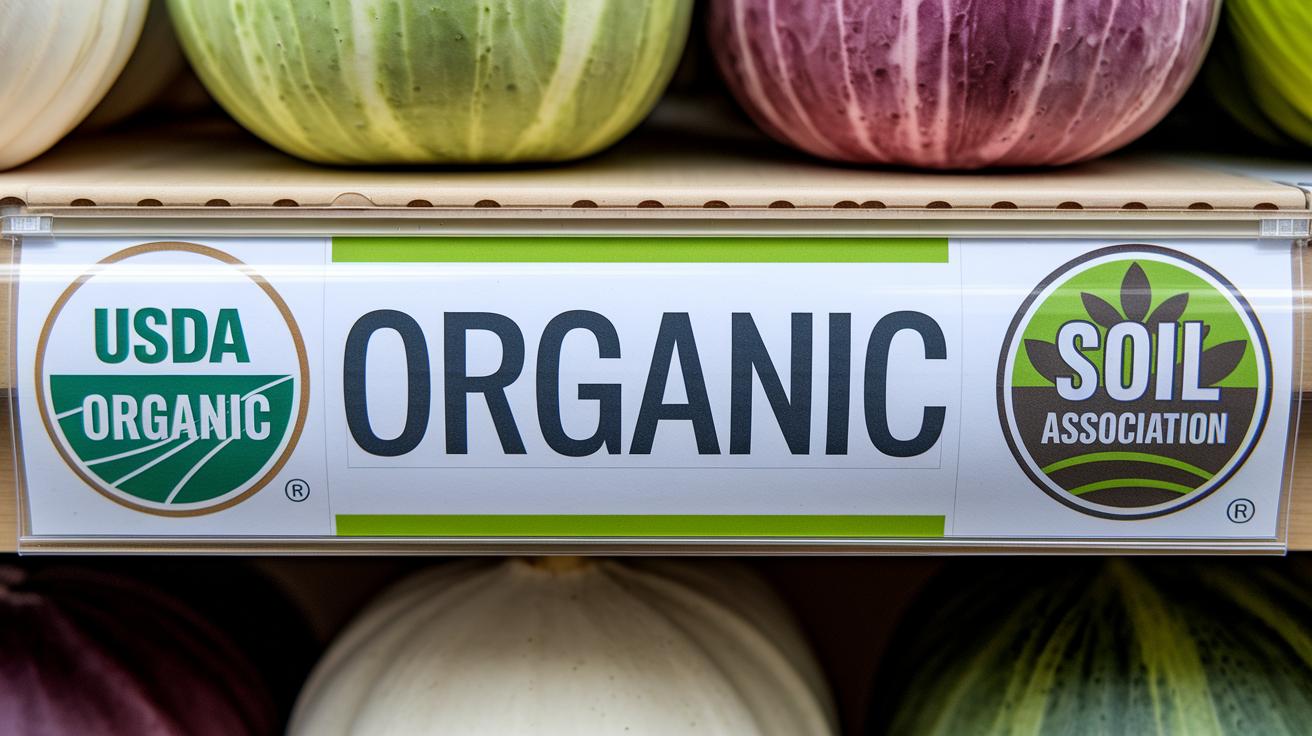
Organic certification shows that a food product has been carefully checked and follows strict rules set by trusted organizations. Under the USDA National Organic Program, farmers and producers use natural practices that respect the environment. Only after a detailed review by independent inspectors can a product earn the USDA Organic label. Have you ever thought that, before your food reaches the store, someone has made sure every step meets these organic standards?
In the US, this certification helps you trust that food grown without synthetic chemicals truly lives up to organic promises. When you see the organic label, you know the product has passed strong checks about how it’s grown and handled.
Over in the UK, the Soil Association does the same important work. Since the 1960s, this trusted organization has made sure that organic produce is grown naturally and processed with environmental care. These certifications give clear guidance to help you choose natural, chemical-free products.
- The USDA National Organic Program sets strict standards.
- Independent, third-party checks are needed for organic labeling.
- The Soil Association is a respected name in organic certification.
Nutritional and Environmental Benefits of Organic Food
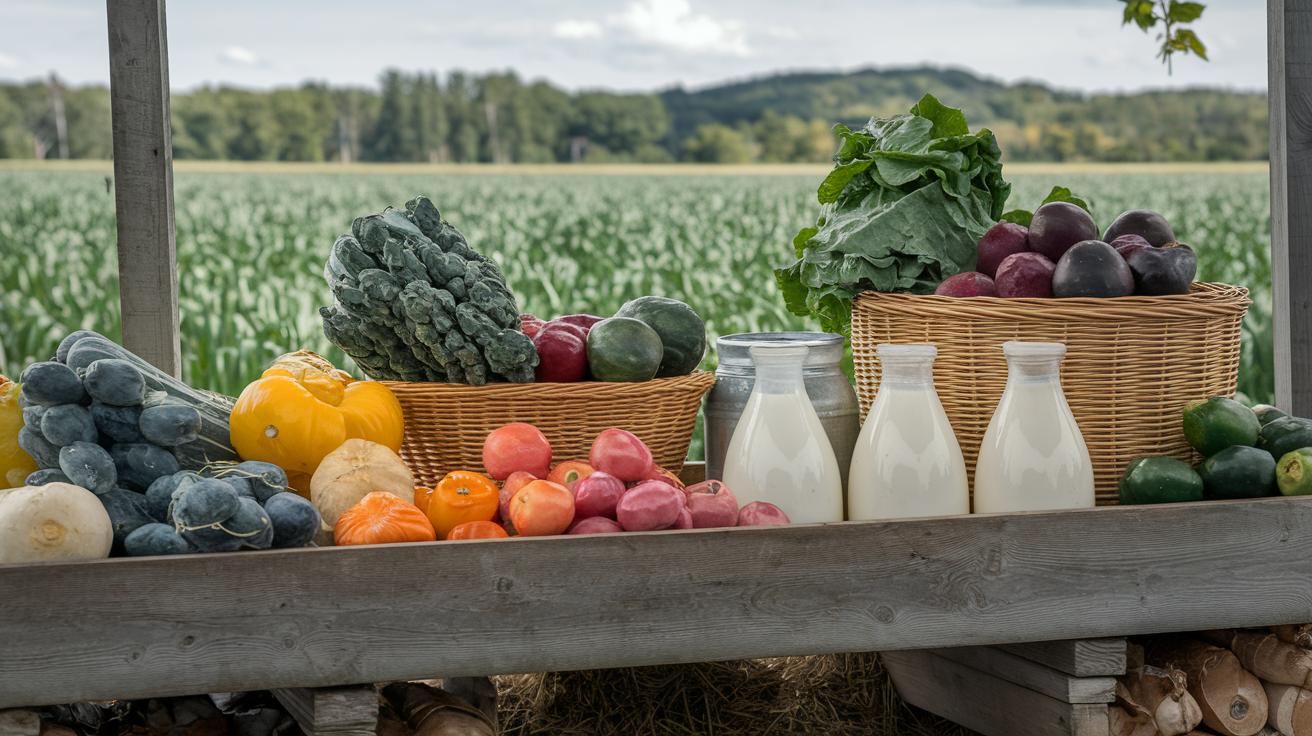
Organic crops pack a punch with more antioxidants, vitamin C, and key minerals like zinc and iron. For instance, a small handful of organic strawberries can have almost 15% more vitamin C compared to regular ones, making it an easy boost for your daily vitamin intake. Plus, organic produce often comes with about 30% fewer nitrates, so you're cutting back on extra chemicals in your diet.
Organic dairy and meat products shine too. They usually offer healthier fats, including higher omega-3 levels, along with more iron, vitamin E, and carotenoids (natural pigments found in fruits and vegetables that help support your body's health). It’s like choosing a meal that fills you up while also giving your body an extra dose of goodness.
Organic farming takes a friendly approach to nature. By avoiding synthetic chemicals, these methods help keep the soil healthy and rich, reducing chemical runoff and supporting a lively mix of plants and animals. Imagine a farm where natural compost and smart crop rotation keep the earth thriving, kind of like a garden that flourishes on its own.
- Extra antioxidants promote overall well-being.
- Fewer nitrates mean fewer unwanted chemicals in your diet.
- Better fat profiles in animal products improve nutritional value.
- Natural farming helps protect soil and boosts local biodiversity.
| Health Benefit | Environmental Impact |
|---|---|
| More vitamins and antioxidants | Healthier soil and less chemical runoff |
| Improved fatty acid profiles | Enhanced farm biodiversity |
Comparing Organic Food to Conventional Produce
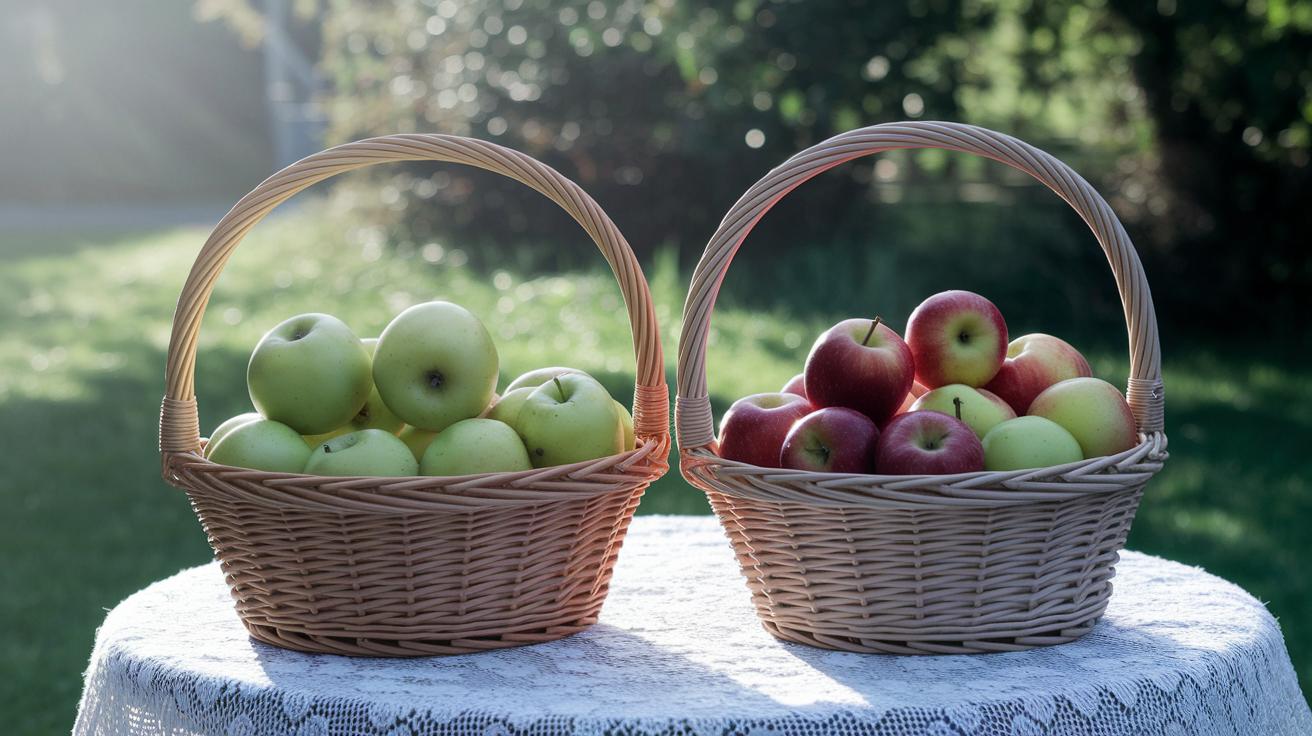
Organic food is grown without man-made pesticides or fertilizers. Imagine biting into a crisp, naturally grown apple and tasting the pure flavor of nature. In contrast, a conventional apple might have been treated with chemicals you’d rather not have on your skin.
Research shows that organic produce sometimes has more antioxidants, but overall, the nutrient differences are small. It's a bit like comparing two loaves of bread: one made from organic wheat and the other from regular wheat. Factors like the soil and weather can affect taste and nutrition more than just the growing method.
Organic items usually cost a bit more. That extra price covers careful work, extra inspections, and environmentally friendly practices. Picture choosing between two baskets of strawberries, the organic basket might be pricier because it’s handled with special care and strict standards.
Organic animal products also follow rules that help animals live better lives. They often get organic feed and more time outdoors, which can even make a difference in the quality of your milk, eggs, or meat.
- Organic: grown naturally without man-made chemicals
- Conventional: often uses synthetic pesticides and fertilizers for growth
- Organic animal products come with extra care for animal welfare
Common Misconceptions and Considerations in Organic Food
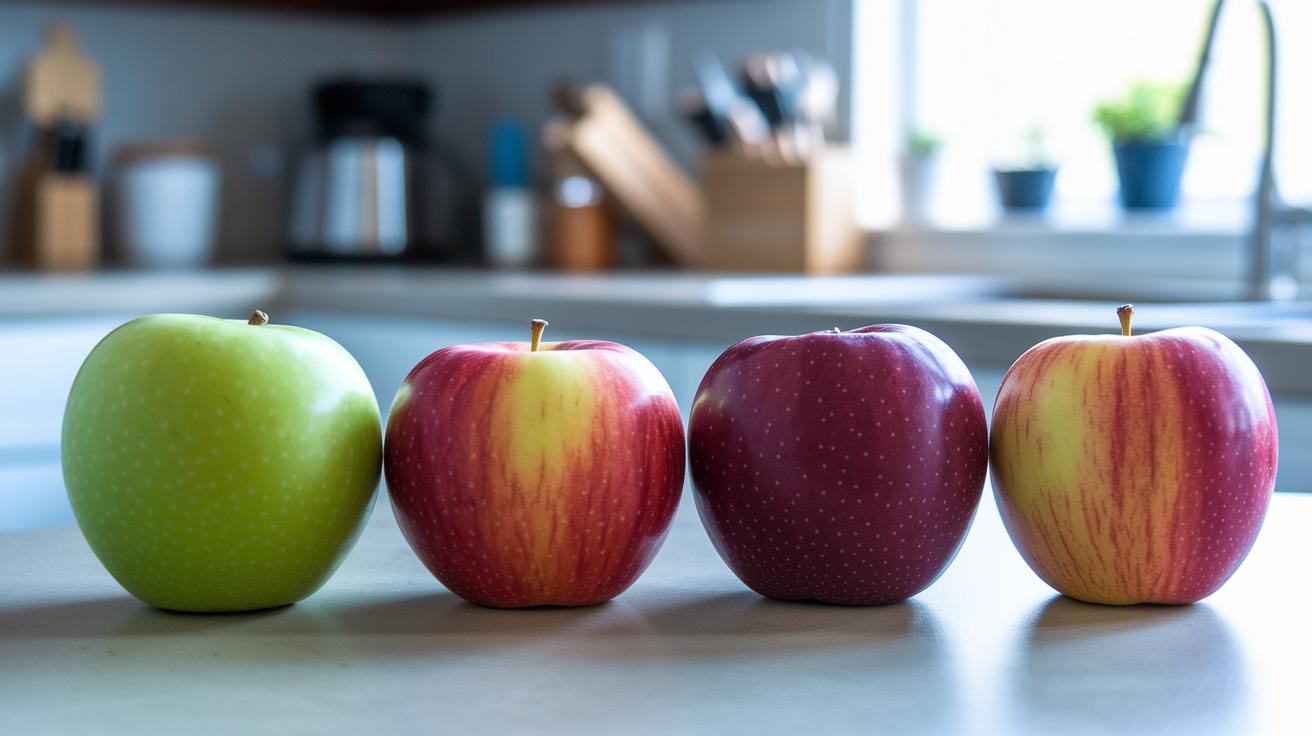
Even though organic apples are often seen as healthier, some studies show their nutrient gains over conventional ones are small, challenging common assumptions.
Some folks think that choosing organic automatically means you get a nutrient boost. But that isn’t always the case. Foods vary in vitamins and minerals based on the type and even the way they are grown. Organic farming uses natural ways to control pests, which means they rely on approved natural methods instead of synthetic chemicals. However, this doesn't mean there are no pesticides used at all.
Other people assume that every organic label means the same thing. The truth is, certification rules can change from one region to another. That means one organic product might not be exactly like another, even if they’re both called organic. For instance, you might expect an organic apple to pack extra goodness, but research shows the difference in nutrients compared to regular apples can be small.
Also, organic foods usually cost more. This extra price often covers the careful farming and certification work, not a guaranteed extra dose of nutrition.
- Not every organic food has extra nutrients.
- Organic does not mean there are zero pesticides.
- Certification rules and label meanings can differ from place to place.
Final Words
In the action, we explored organic food meaning from several angles. We broke down how organic farming works and how strict certification helps keep our food pure. The blog post touched on the nutritional and environmental upsides of choosing organic edibles. We also compared these foods with conventional options and cleared up common misunderstandings. This wrap-up gathers key insights to help you make choices that support both your health and the planet. Keep a smile on your face and stay curious about every little step towards better living.
FAQ
Q: What is the meaning of organic food, and how is it expressed in Urdu?
A: The meaning of organic food is food grown without synthetic chemicals like pesticides or fertilizers using eco-friendly practices. In Urdu, organic food is called “عضوی خوراک.”
Q: What are some examples of organic foods?
A: Examples of organic foods include fruits, vegetables, dairy, and meats produced without synthetic inputs. Apples, carrots, and organic milk are common items grown with eco-friendly methods.
Q: What benefits does consuming organic food offer?
A: The benefits of organic food include higher levels of antioxidants, vitamins, and minerals. Choosing organic can support healthier soils and lower exposure to synthetic chemicals for both you and nature.
Q: What are some potential disadvantages of organic food?
A: Organic food may cost more and sometimes isn’t as readily available. This price premium and limited supply can be a drawback for consumers watching their budget or seeking convenience.
Q: Are there any dangers associated with organic food?
A: When thinking about the dangers of organic food, remember that natural methods do not guarantee complete safety; organic produce may still develop natural toxins or carry bacterial risks if mishandled.
Q: What is the meaning of inorganic food?
A: The meaning of inorganic food refers to food produced with synthetic chemicals like pesticides and fertilizers. This method often uses conventional practices that focus less on environmental care.
Q: What is the difference between organic and natural food?
A: The difference is that organic products must follow strict, certified eco-friendly practices, while natural foods simply imply fewer additives and are not always subject to regulated standards.