Have you ever felt panic sneak up on you? Your heart races, and your thoughts spin so fast that calm feels impossible. In this post, I’m sharing two easy ways to help quiet that sudden storm of fear. First, try taking slow, deep breaths. Next, tune into what you see, hear, and feel around you. These small steps remind you that you can take control, even when things seem out of hand.
Instant Anxiety Attack Relief Strategies
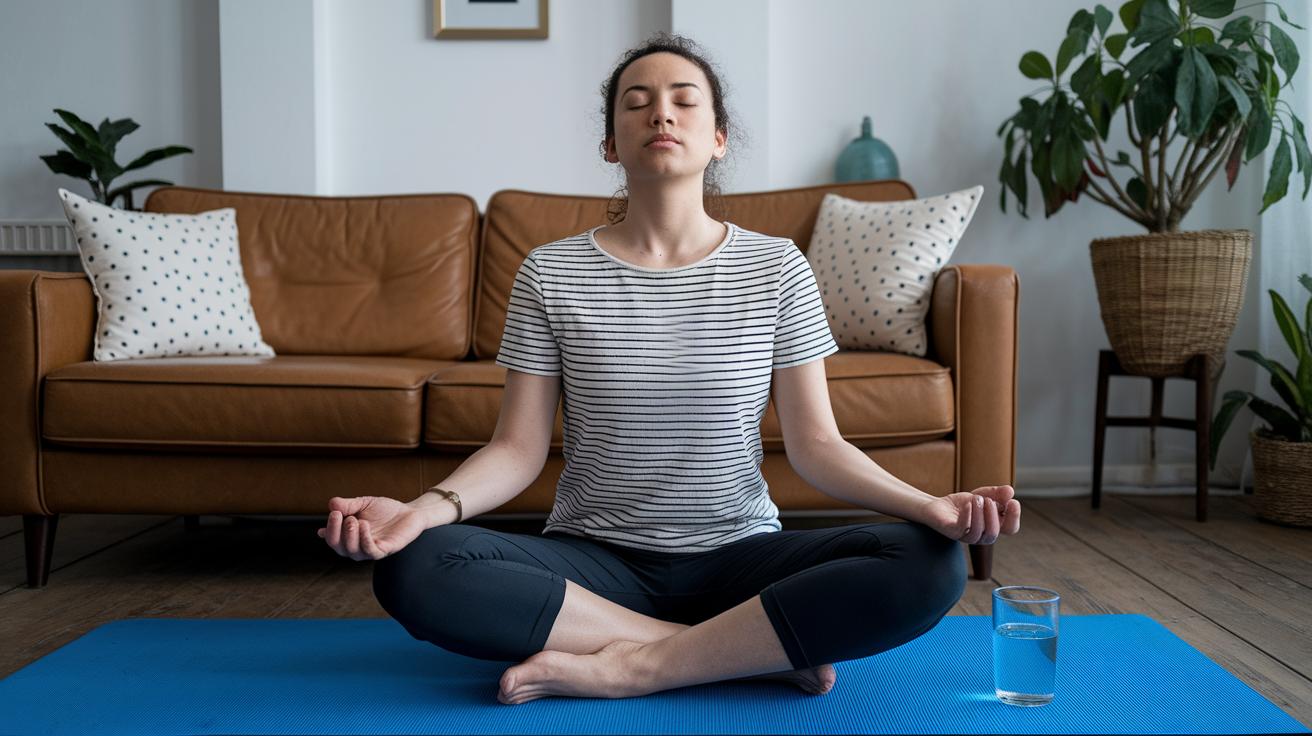
When panic hits, a quick fix can make all the difference. When your heart races and your muscles tighten, try these simple steps to realign your focus and ease your stress.
Quick stress relief works for both your body and your mind. It slows down rapid breathing and cools that heated feeling so you can feel steadier and more clear about what’s happening. This gentle nudge reminds you that you’re in control, even when things feel overwhelming.
- Deep breathing: Take slow, steady breaths to help calm your body.
- Grounding: Focus on the sounds, sights, and textures around you to stay present.
- Progressive muscle relaxation: Tighten a group of muscles, then let them go to break the tension.
- Cold water or ice cubes: Splash cold water or hold an ice cube to distract your senses.
- Sour candy or spicy foods: A strong taste can shift your attention from panic.
- Acupressure: Gently press on certain points to help ease anxious feelings.
Experts back these techniques, so you can confidently try them without medication. They offer a natural way to calm your body during even the most stressful moments, helping you take back control quickly.
Recognizing Anxiety Attacks for Targeted Relief
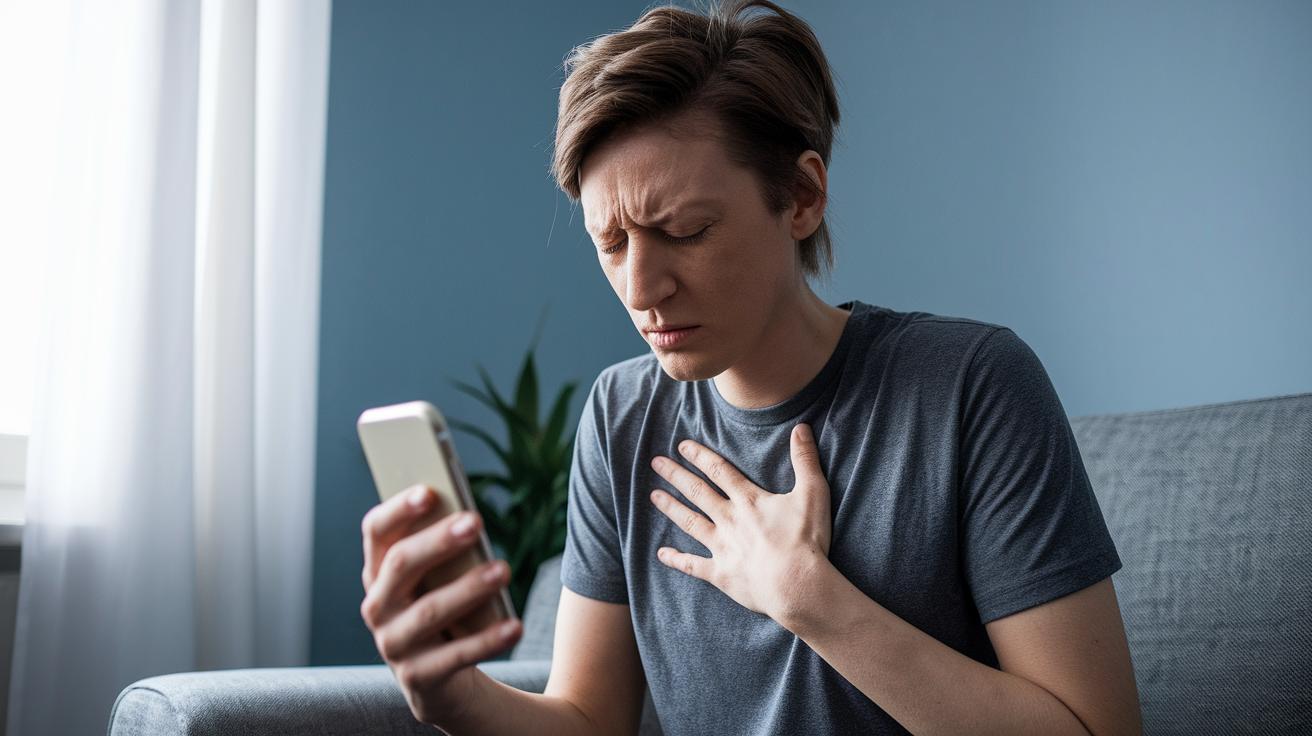
A panic attack can hit you all of a sudden. It brings a flood of fear along with clear physical signs like a racing heart, sweating, trembling, trouble catching your breath, and a feeling of being disconnected. These signs tell you that your body is reacting strongly, even when there isn’t a real danger.
Along with these body signals, you might also feel overwhelmed by worry or fear that you're about to lose control. Your thoughts can race quickly, and it might feel like a heavy cloud of uncertainty is closing in. This mix of feelings can make it even tougher to calm down.
Triggers for panic attacks can be different from one person to another. Sometimes, stress or a tough situation can set one off, while other times the cause isn’t clear at all. Figuring out your own triggers can help you tell a panic attack apart from other issues. With that knowledge, you can use simple, quick strategies to ease the symptoms and feel more in control.
Breathing Practice Methods for Anxiety Attack Relief
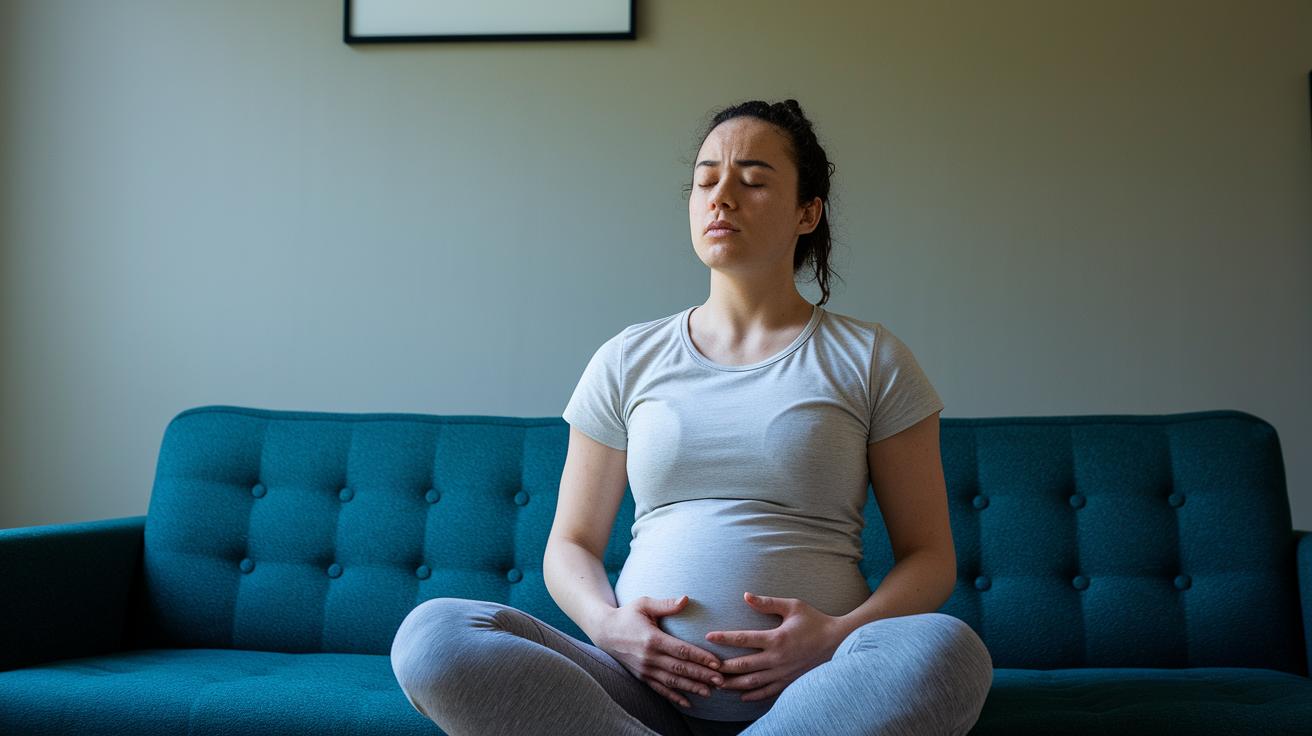
When anxiety hits, slow down your breathing to help calm your body. Taking deep, steady breaths tells your body that everything is okay, which can ease a fast heart rate and tight muscles. It also helps your body get more oxygen so you feel more in control during a stressful moment.
Try diaphragmatic breathing, where you breathe in deeply through your nose and let your belly rise like a balloon. You might also enjoy box breathing, where you breathe in, hold, breathe out, and hold again in equal counts. Or give the 4-7-8 technique a try: breathe in for four counts, hold for seven, and breathe out slowly for eight counts. Closing your eyes can help you focus on your breath and block out distractions. These simple steps come highly recommended for easing anxiety quickly and naturally.
Grounding Techniques Guide for Anxiety Attack Relief
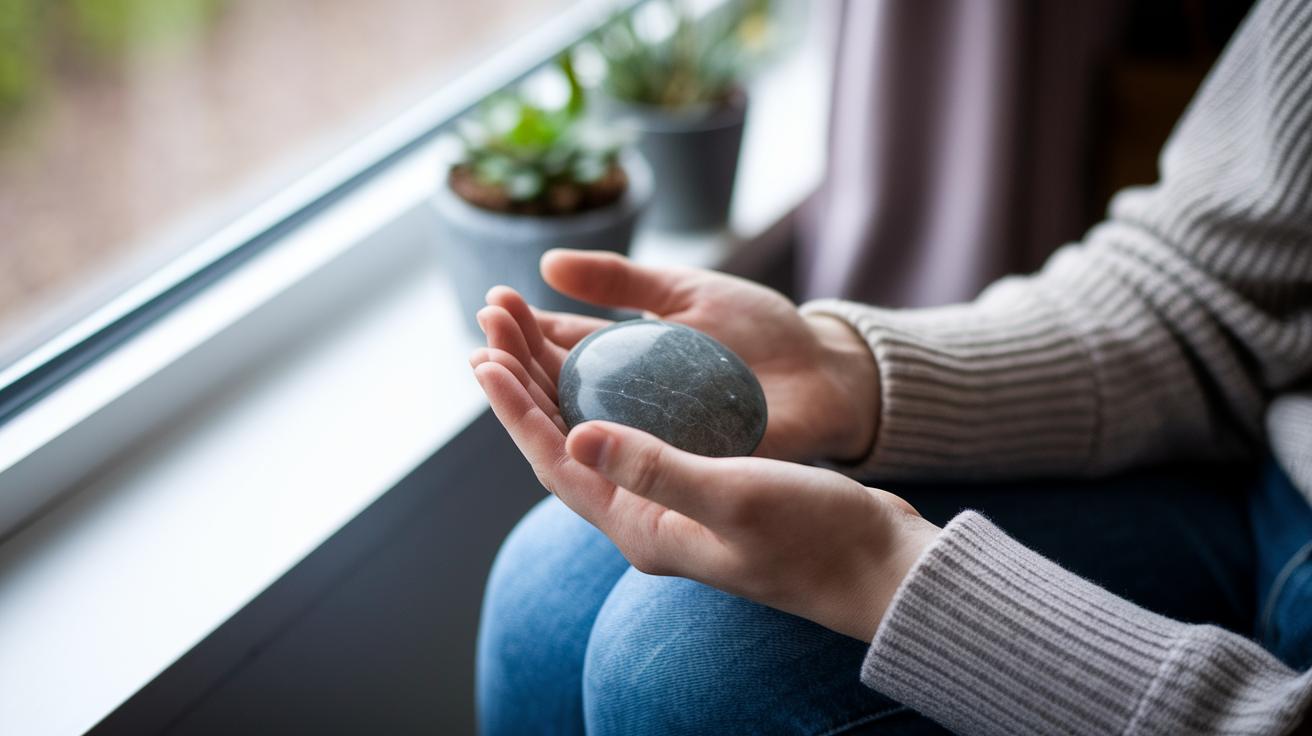
When panic hits, grounding techniques help you stay in the present. Research from the University of New Hampshire shows that paying attention to your senses can break the cycle of racing thoughts. It works by shifting your focus from overwhelming feelings to everyday details around you. Think about the 5-4-3-2-1 exercise, which uses your five senses, sight, sound, touch, smell, and taste, to reconnect you with your body and the world.
For even better results, try holding onto an object or quietly repeating a phrase you like. A smooth stone or a small trinket can be a steady anchor when stress builds up. And by softly saying a short mantra, you can calm your mind and feel more grounded in the moment.
Natural Calming Remedies and Soothing Home Treatments for Anxiety Attack Relief
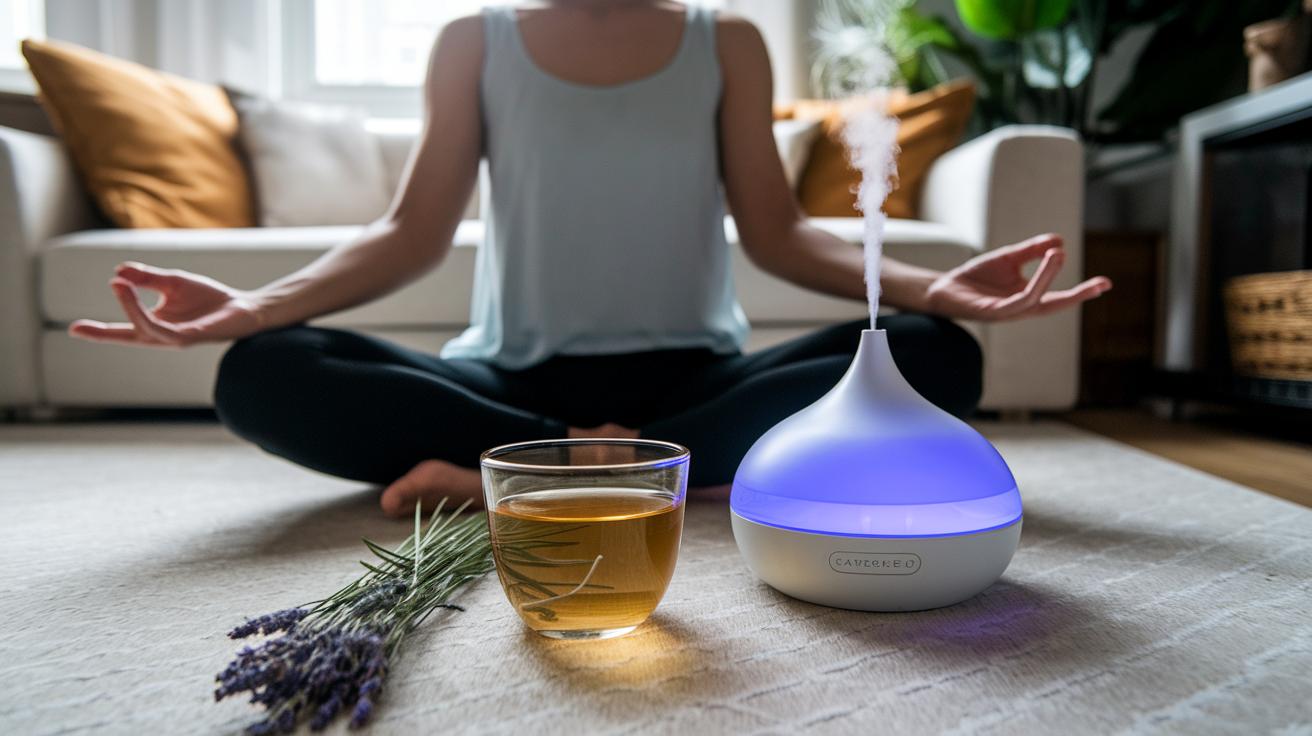
When anxiety hits, there are things you can do at home to help soothe your mind and relax your body. These simple tips use familiar natural ingredients to help bring on calm when you need it most. Imagine taking a few minutes for yourself with a warm cup of herbal tea or a fresh scent from essential oils.
| Remedy | Form | Action | How to Use |
|---|---|---|---|
| Lavender Essential Oil | Essential Oil | Helps lower stress and brings relaxation | Mix a few drops with a carrier oil or add to a diffuser |
| Chamomile Tea | Herbal Tea | Calms anxiety and eases tension | Brew a cup and enjoy it slowly |
| Guided Imagery | Mental Exercise | Gives your mind a break by imagining peaceful scenes | Picture a place that makes you happy for a few minutes |
| Balanced Snack | Food | Helps keep your blood sugar steady and nerves happy | Have a small serving of fruit or nuts |
| Magnesium Supplements | Supplement | Supports relaxed muscles and nerve function | Follow the directions on the package |
These natural choices come from both old wisdom and modern ideas. They offer safe, simple ways to ease anxiety. Pairing these remedies with deep breathing exercises or grounding techniques can help you feel steadier during tough moments. Give them a try and see if they bring you a little peace.
Lifestyle Changes to Maintain Anxiety Attack Relief

Regular movement is a great way to keep you feeling calm over time. Simple activities like a quick walk or light yoga can lower your anxiety and may even reduce the chance of another panic attack. When you get your body moving, it helps to release built-up tension and balance your mood throughout the day. Next time you have a break, try a brisk 10-minute walk and notice how it clears your mind and makes you feel more relaxed.
Good sleep is key to managing anxiety too. Aim for seven to nine hours of sleep each night to help keep your emotions steady and let your mind unwind from daily stress. Creating a calming bedtime routine, like dimming the lights, reading a book, or listening to soft music, prepares your body for a deep, refreshing sleep. One handy tip: turn off screens about 30 minutes before bed to help you drift off more easily.
Eating a balanced diet can also boost your body’s resilience to anxiety, especially when paired with professional guidance. Focus on nutrient-rich foods and try to cut back on added sugars, too much caffeine, and alcohol to help set a calm baseline for your body. This healthy eating, combined with regular movement and good sleep, builds a strong foundation for overall well-being. Plus, therapies like cognitive-behavioral therapy (a way to change unhelpful thinking patterns) can provide useful strategies to manage anxious thoughts. Chatting with a mental health professional can tailor these ideas to your needs, making sure your lifestyle changes work right for you.
Professional Support and Emergency Coping for Anxiety Attack Relief
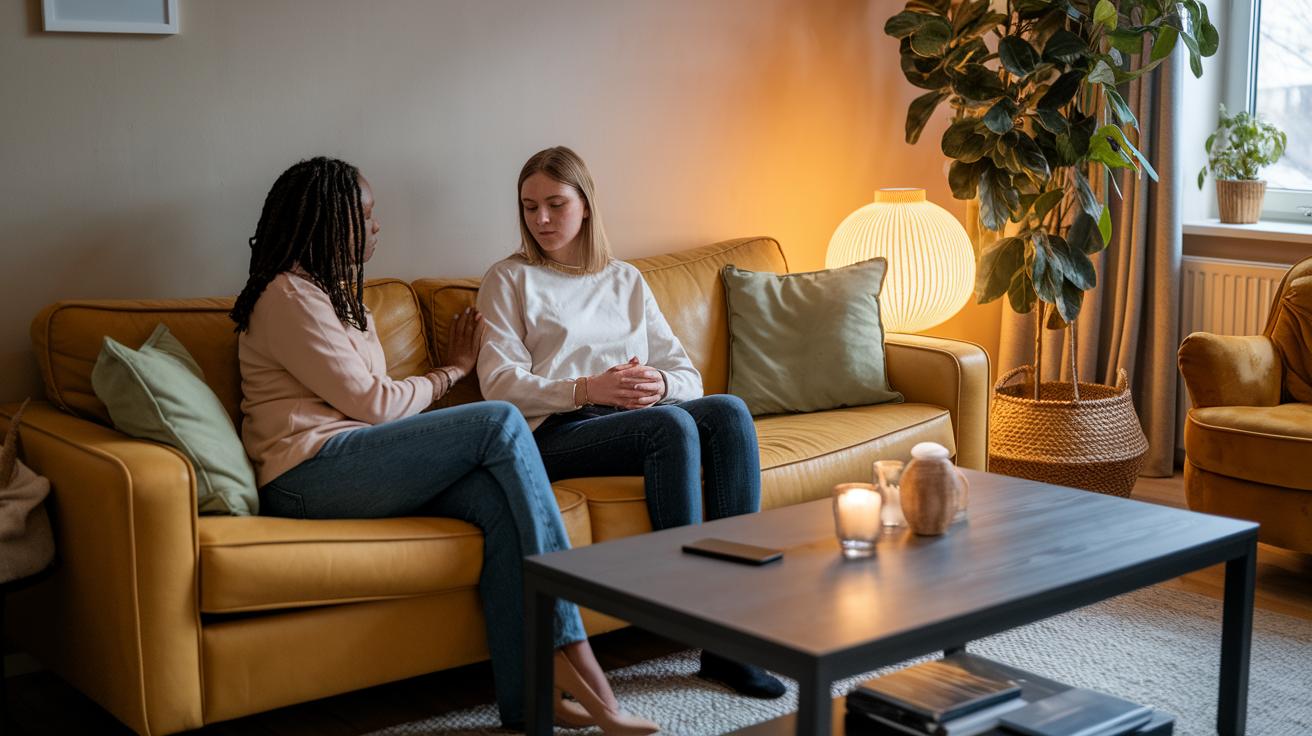
Cognitive behavioral therapy is a friendly kind of talk therapy that helps you shift negative thoughts that can spark panic. In therapy sessions, you learn simple ways to look at your worries differently and handle stress with more ease. Sometimes, a doctor might also recommend quick-relief medications like alprazolam, but these should always be used carefully because they can be habit-forming.
Reaching out to a trusted friend, family member, or health professional during a panic attack can ease that heavy feeling of isolation. Just hearing a calm voice can be a reassuring reminder that you’re not facing this alone. And if things feel too overwhelming, crisis-line services are there to offer immediate support when you need a comforting, quick chat.
If panic attacks start happening a lot, get really intense, or interrupt your everyday life, it may be time to get professional help. When an attack lingers beyond a few minutes or shows no sign of fading, talking with an expert can ensure you get the care you need to manage your mental health safely.
Final Words
In the action, quick relief strategies can turn overwhelming moments into manageable ones. We reviewed key techniques like breathing exercises, grounding practices, and natural calming remedies. Small lifestyle adjustments and timely professional support build a strong foundation for better living and fitness.
These methods, supported by trusted research, offer practical anxiety attack relief you can use when it matters most. Stay positive, keep experimenting, and let every small win light your way to a calmer day.
FAQ
What is the difference between a panic attack and an anxiety attack?
The panic attack vs anxiety attack question explains that panic attacks are sudden bursts of intense fear with strong physical reactions, while anxiety attacks build more gradually with prolonged worry and stress.
How can I calm an anxiety attack quickly, even at night?
The calm anxiety at night question means using deep breathing, grounding, and sensory techniques to slow your heart rate and center your thoughts, helping you regain control during stressful moments.
How do I cure panic attacks fast or stop them forever, including waves of panic attacks?
The cure panic attacks fast question suggests that while no remedy stops attacks permanently, using rapid calming exercises and regular practice of these techniques can lessen the intensity and frequency of episodes.
What are common anxiety attack symptoms?
The anxiety attack symptoms question highlights signs like rapid heartbeat, sweating, trembling, shortness of breath, and a feeling of overwhelming fear, all of which signal that your body is under high stress.
What is the 3-3-3 rule for panic attacks?
The 3-3-3 rule for panic attacks refers to finding 3 visible objects, 3 audible sounds, and moving 3 parts of your body, a simple method to shift focus and reduce panic.
How can I help someone experiencing an anxiety attack?
The help during an anxiety attack question involves guiding someone to slow their breath, offering calm reassurance, and encouraging grounding techniques to help them feel safe and regain balance.