Have you ever felt like you're just drifting through your day? Most of us end up on autopilot, not noticing the little moments of joy around us.
Mindfulness invites you to slow down and really look at the world you live in. Think about taking a deep breath and pausing for a minute. That simple act can bring calm and even a smile.
In this post, we explore how adding mindful moments can change your daily routine into a source of real, lasting happiness.
Core Principles of the Mindful Practice
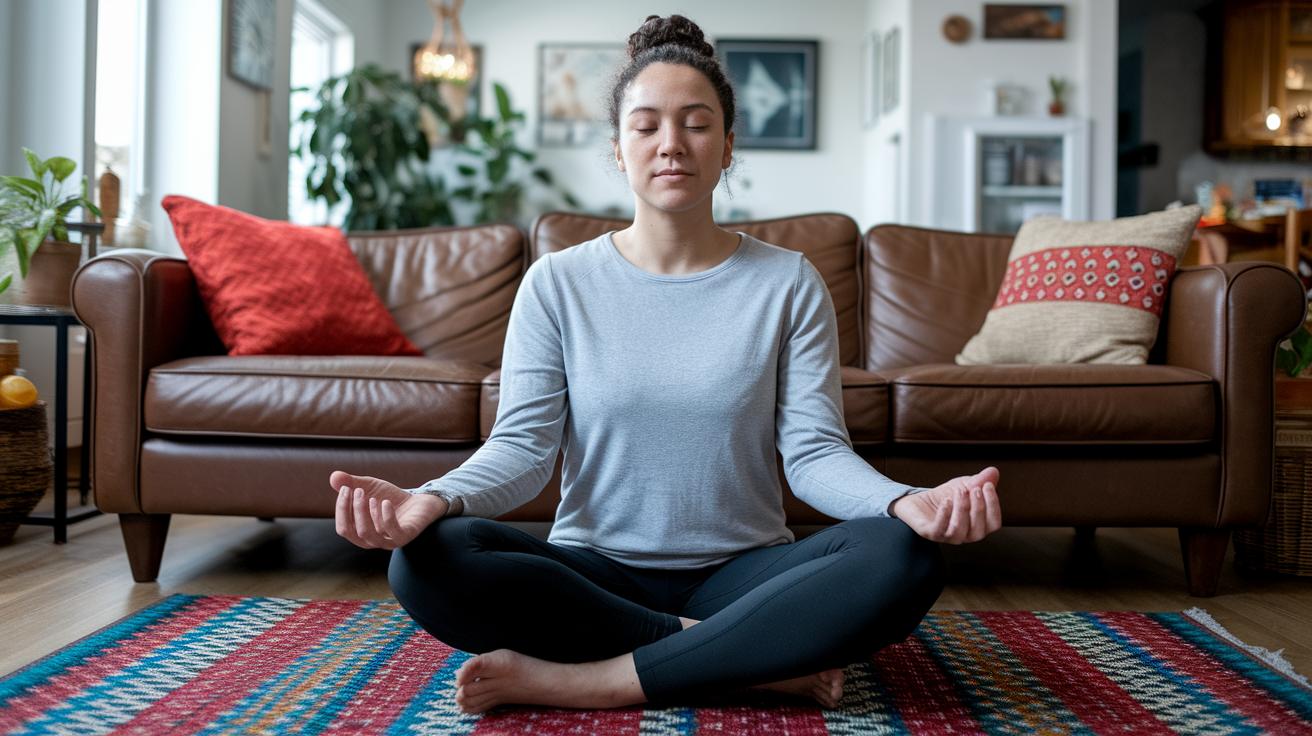
Mindfulness means paying attention to the now without judging what you experience. It helps you notice what's happening right this moment. Did you know most of our actions happen on autopilot? When we're not fully present, we miss out on life's rich moments.
Mindful practice shows us how to break free from autopilot. There are two ways to do this. One way is formal practice, like spending 10 minutes on a guided body scan while lying down or sitting comfortably. In that session, simply notice the sensations in your body and the flow of your thoughts without harsh judgment. The other way is informal, where you bring mindfulness into daily activities. For example, try pausing for a moment before a meal and take 8–10 deep belly breaths. Let each breath pull you gently into the present.
A quick 2-minute video explains the differences between formal and informal practices, making mindfulness easy for everyone to understand. There is also a guide called the "21 Mindfulness Exercises" that shows how these practices can lower your stress, help you manage emotions better, and sharpen your focus. Embracing both methods can shift you away from automatic living and invite a more attentive, joyful daily experience.
When you add mindfulness into your routine, even ordinary moments turn into chances for calm reflection. Each deliberate pause lets in awareness, eases tension, and nurtures a genuine sense of inner peace. In truth, creating space for mindful moments makes life feel a little bit more joyful every day.
Breath Focus Sessions in Mindful Practice
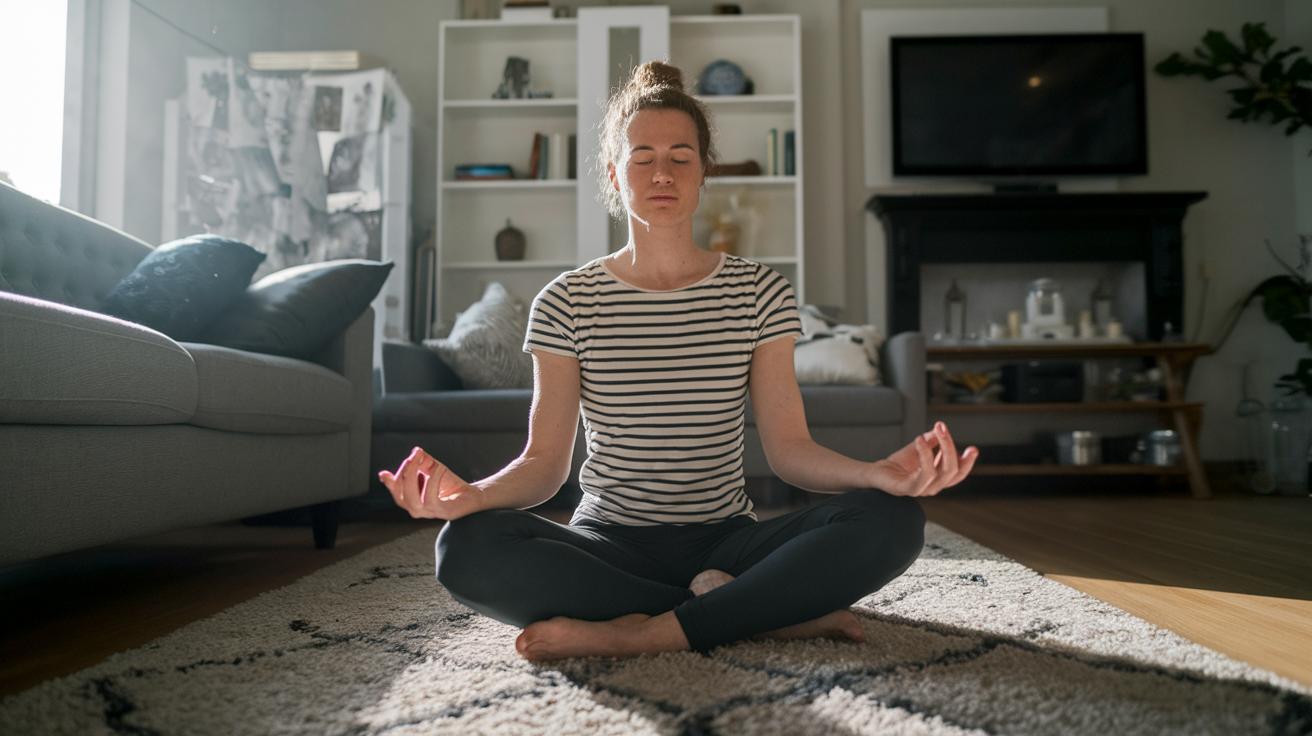
Try a quick moment of calm with the 3-Minute Breathing Space. First, take a pause and notice what you feel. For example, you might think, "My shoulders feel tight today, like I’m carrying a heavy load." Then, gently focus on your breathing. Breathe in and out slowly, letting each breath be your safe space and help calm your mind. Next, let that calm spread through your whole body, imagining it softening every part of you.
Before a meal, take 8 to 10 deep belly breaths. This simple habit can take you from a rushed state to one of presence and ease. It works even when you need a quick break between a busy office day and a quiet moment in your car. These portable breathing exercises can bring fast relief anytime, whether you're at home, in traffic, or at work. Even if you’re just enjoying a cup of coffee, each soothing breath invites a little daily joy.
Guided Awareness Exercises for the Mindful Practice

Let's start with the Raisin Exercise. Pick up a raisin and take a few moments to really notice its color, texture, and taste. Look at it as if you're seeing it for the first time. Imagine exploring a tiny world in this little treat, feeling its bumps and savoring its tang.
Next, try the Five Senses Exercise. Sit down comfortably and take a moment to notice five bright things you can see, five different sounds you hear, and a few distinct smells around you. This simple practice helps open your senses with everyday details.
Now, try the Observer Meditation. Sit with your eyes closed and watch your thoughts as they appear. Let them come and go naturally without labeling or judging them. This easy step builds a calm mind and a kind attitude toward yourself.
Then, follow the 3-Step Mindfulness Exercise. First, find a quiet spot and spend 5 minutes examining a leaf, observing its details. Next, take 4 minutes to enjoy your food by really tasting each bite and noticing its textures and flavors. Finally, use 15 minutes to sit and watch your thoughts gently flow by.
Also, include mindful listening into your routine. Give full attention to the sounds around you and let them fill your quiet moments. This step-by-step approach is a simple guide for beginners to steady their focus and nurture a deep, inner awareness.
Integrating Mindful Movement Rituals

Add a touch of awareness to your day by turning simple movements into mindful moments. When you do yoga, try easy shoulder rolls, check your posture, and move along with your breath. You might even whisper to yourself, "I roll my shoulders slowly, inviting calm into my body." This little habit makes your stretches feel like a quiet, thoughtful break.
Take a mindful walk, too. Notice each step and pay attention to how your feet feel when they touch the ground. Imagine thinking, "Each step connects me to the earth," as you move. It’s a gentle way to feel grounded and connected with yourself.
When you work out, whether you’re biking, swimming, or trying something else, set a simple goal before you start. Feel your muscles working, enjoy the cool breeze on your skin, and tune in to your body’s natural rhythm. You might say, "I am in tune with every push and pull of my body." These small actions blend everyday movement with mindfulness, helping your mind and body work together.
Nonjudgmental Observation in the Mindful Practice
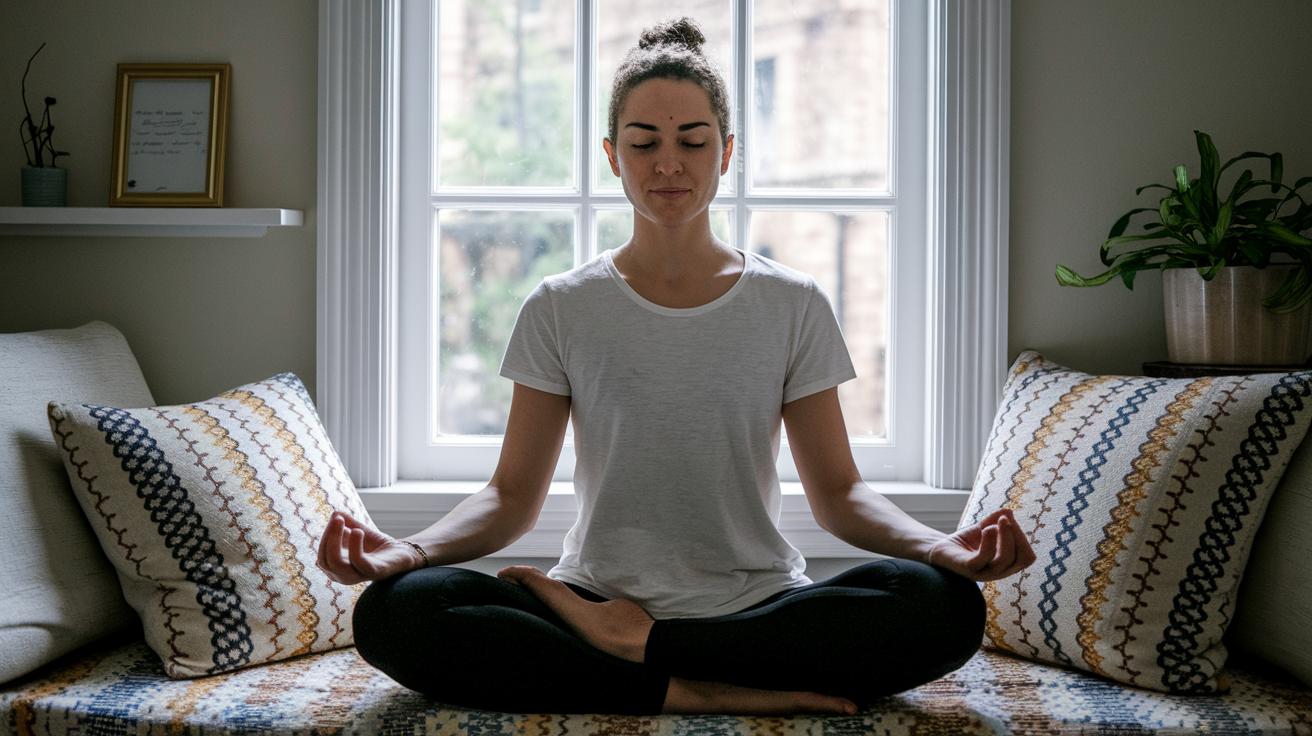
Have you ever tried simply watching your thoughts and feelings the way they are? DBT, a gentle therapy method, helps you do just that. It teaches you two kinds of skills. One set helps you notice every thought and emotion exactly as it comes. The other set shows you how to watch these feelings with care. This way, you tap into what many call your wise mind, a place where clear thinking meets gentle acceptance.
When strong feelings like anger, sadness, or worry come up, pause for a moment. Notice how each part of your body feels. For example, if irritation starts to build, take a breath and say to yourself, "I notice this feeling, and it is okay." This small step helps you slow down, giving you a chance to stay calm instead of reacting quickly. Feeling physical signs like a tight chest or tense muscles is normal and can help you understand your emotions better. By letting each thought pass by naturally, you give yourself a chance to feel balanced and at peace. Try practicing this kind of nonjudgmental watching every day, it could be your little moment of calm.
Evidence-Based Benefits of the Mindful Practice
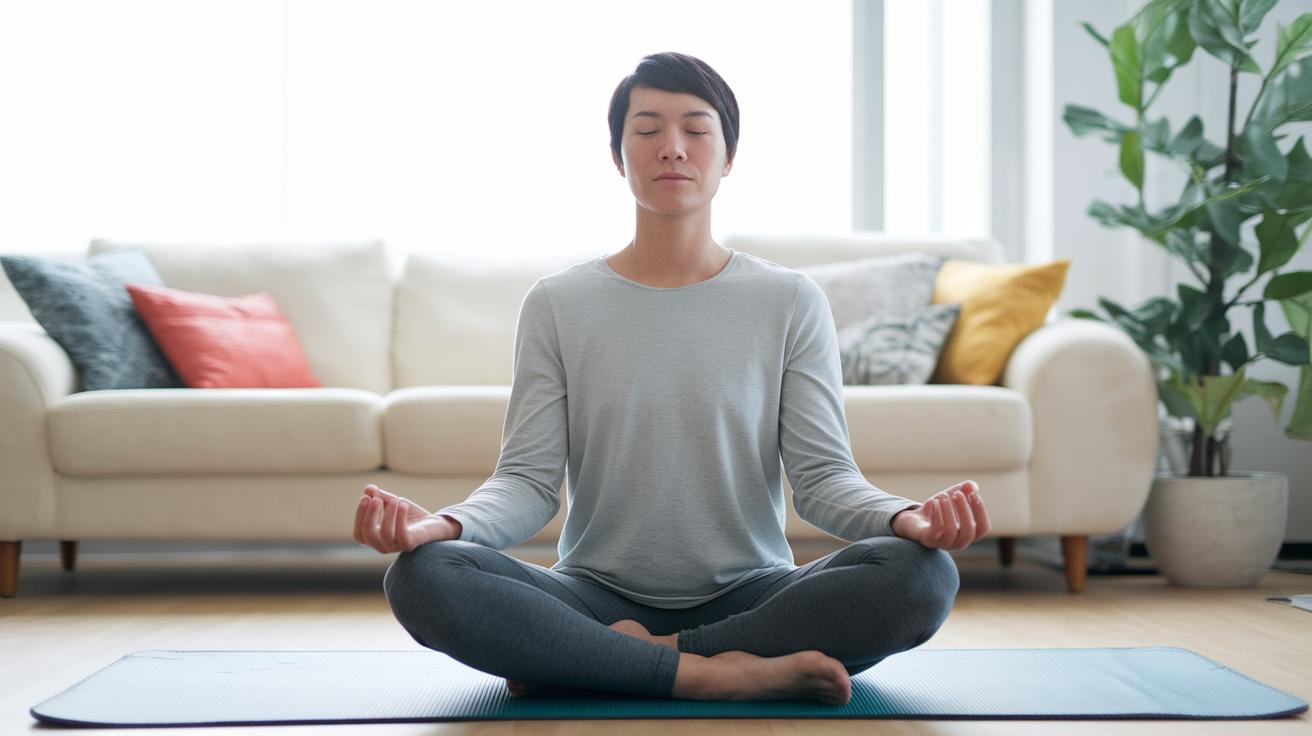
Research shows that practicing mindfulness can really help your well-being. Studies have found that joining group sessions for mindfulness works just as well as talk therapy for easing social anxiety. Over the years, researchers have seen that regular mindfulness lowers the chance of feeling depressed again and helps you control your emotions better. One study even found that these exercises can help your brain take a pause from its usual automatic reactions, letting you enjoy a more balanced outlook.
Mindfulness also works wonders for reducing stress and clearing your mind. People who set aside time for meditation often say they feel calmer and worry less during the day. Whether it’s a short guided body scan or simply pausing to take eight deep belly breaths before a meal, these small moments can build a peaceful, refreshing mental space.
You might also explore helpful tools like the Positive Psychology Toolkit, which offers more than 500 science-based exercises to boost long-term well-being. By fitting mindful moments into your daily routine, you can slowly shift toward greater emotional balance, lower anxiety, and a gentle, lasting joy that brightens each day.
Building a Daily Mindful Practice Routine
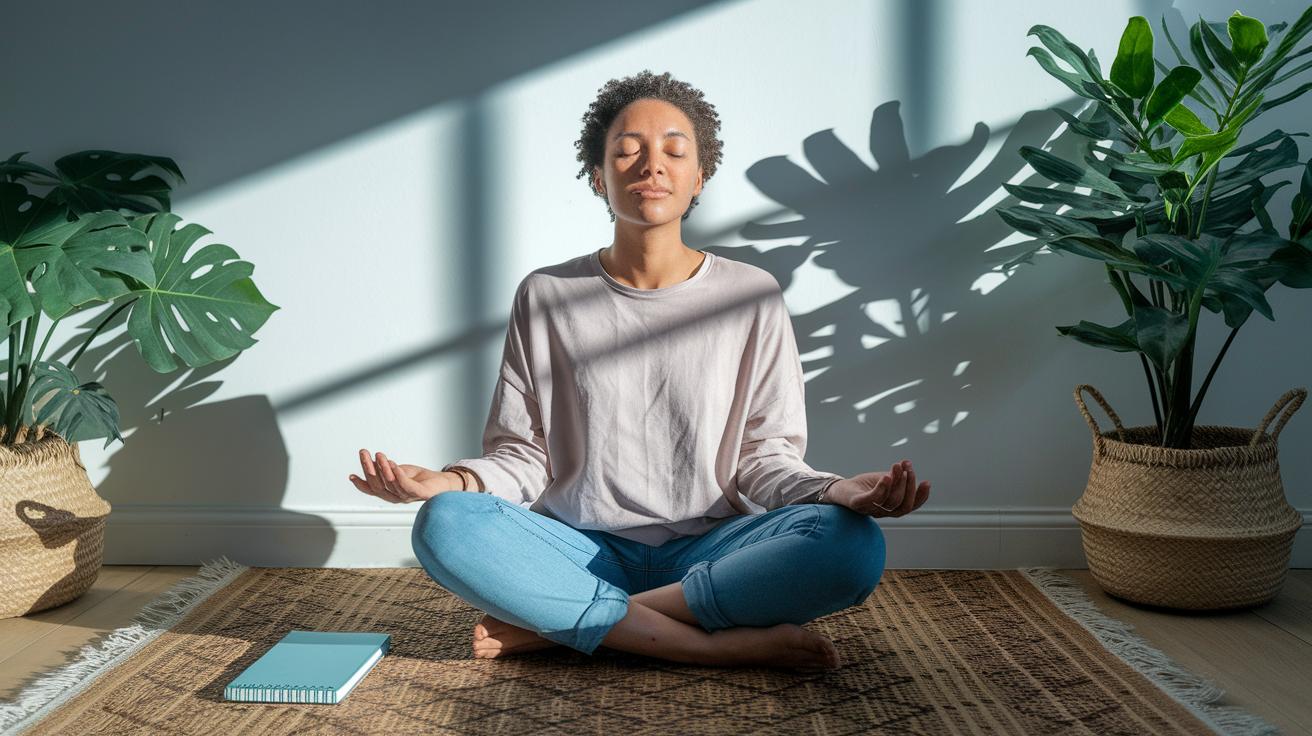
Begin your morning by setting a simple goal before you check your phone or email. For example, as soon as you wake up, tell yourself, "Today, I choose calm and focus." This little ritual gives you a burst of purpose right away.
Then, try taking a mindful break at midday with a quick 3-Minute Breathing Space. Spend three minutes noticing how you feel and taking slow, deep breaths to let calm fill your body. You might think, "These three minutes help me reconnect with myself." It's a fast reset in the middle of a busy day.
Later in the day, try a gentle evening body scan by lying down in a quiet spot. Take a few minutes to feel each part of your body and notice any sensations without judging them. Picture yourself whispering, "I appreciate each muscle and this moment of stillness," as you unwind.
You can combine these practices by writing down your thoughts every couple of weeks, each month, and every six months. Note the small changes from your quick breathing sessions, guided exercises, and movement rituals. Over time, these little steps add up to a steady, peaceful routine that helps you stay calm and focused.
Recommended Resources for the Mindful Practice
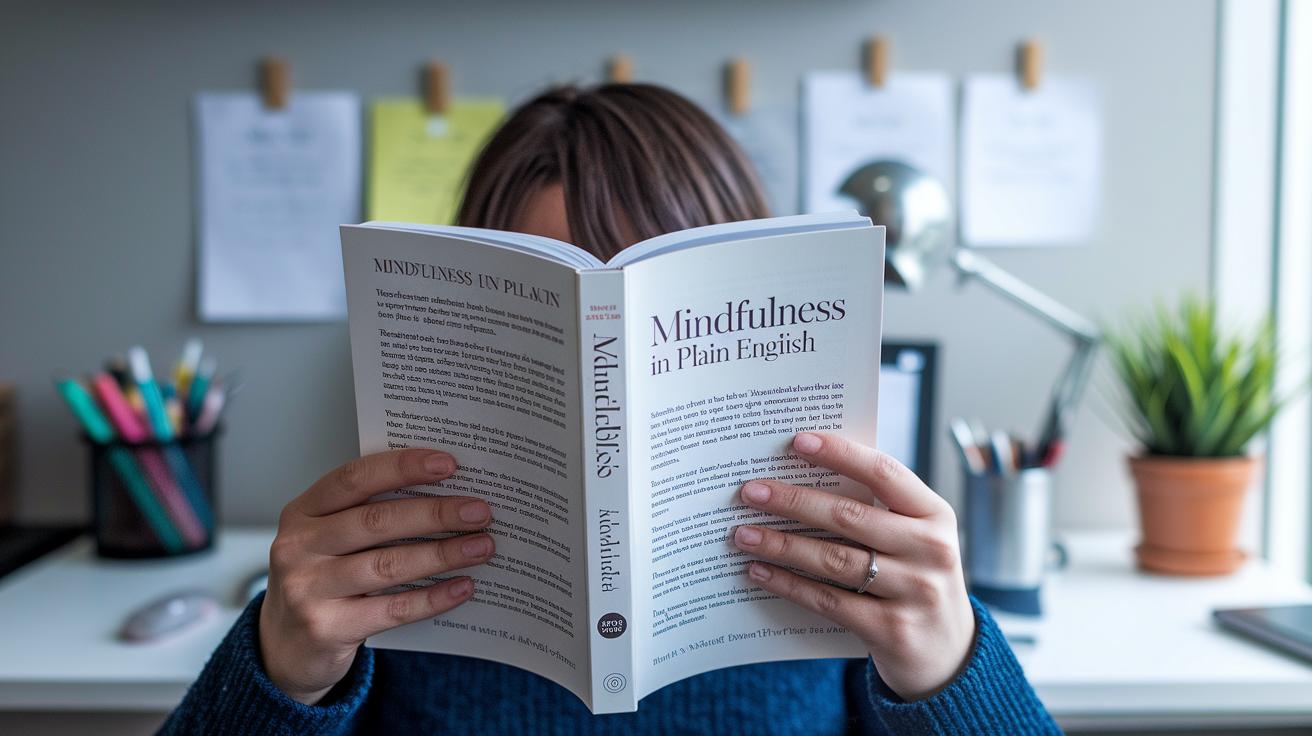
Dive into these handpicked resources that can really help deepen your mindful practice. One book I often recommend is "Mindfulness in Plain English." It explains the key ideas in a clear way and helps you build a solid foundation for being aware in your daily life.
If digital tools are more your speed, try out some friendly apps. There are ones that offer 10-minute guided body scan sessions to help you relax and reconnect with your body. And if you're in a hurry, check out the quick 2-minute videos that show the difference between formal and informal practices. They work like on-the-go meditative scripts, perfect for a digital detox any time you need a reset.
You can also enjoy guided imagery sessions that take you on a soothing journey with calming pictures in your mind, paired with audio scripts for deep relaxation. Plus, you might find inspiration in well-curated online articles that break down practical techniques in easy-to-follow ways.
For even more ideas, consider reading "Mindful Thinking" at https://nobrainertrends.com?p=1067. It’s a great way to add extra mindful strategies to your routine.
- Book: "Mindfulness in Plain English"
- App: 10-minute guided body scan sessions
- App: 2-minute practice videos
- Audio scripts and online articles for deep relaxation
Final Words
In the action, this article explored core mindful practice insights, from gentle breath focus techniques to guided awareness exercises. We broke down practical steps for incorporating mindful movement rituals and nonjudgmental observation into daily routines. You learned how even brief mindful practices can reset emotional states and ease stress, backed by sound evidence and simple, everyday strategies. Each tip is a reminder that genuine change comes with consistent, small steps. Embrace the mindful practice as a natural way to nurture both body and mind, and keep moving toward a brighter, healthier outlook.