Have you ever stopped to think about whether choosing organic food can really boost your health? A lot of people are making the switch to organic so they can steer clear of extra chemicals in their meals.
Organic foods pack more natural nutrients that your body easily uses, helping you feel more energized every day. In this post, we'll chat about how eating organic not only helps your well-being but also supports a cleaner, healthier planet.
So, have you ever felt curious about switching to nature's best for a little extra health boost?
Organic Food’s Impact on Health, Safety, and Sustainability
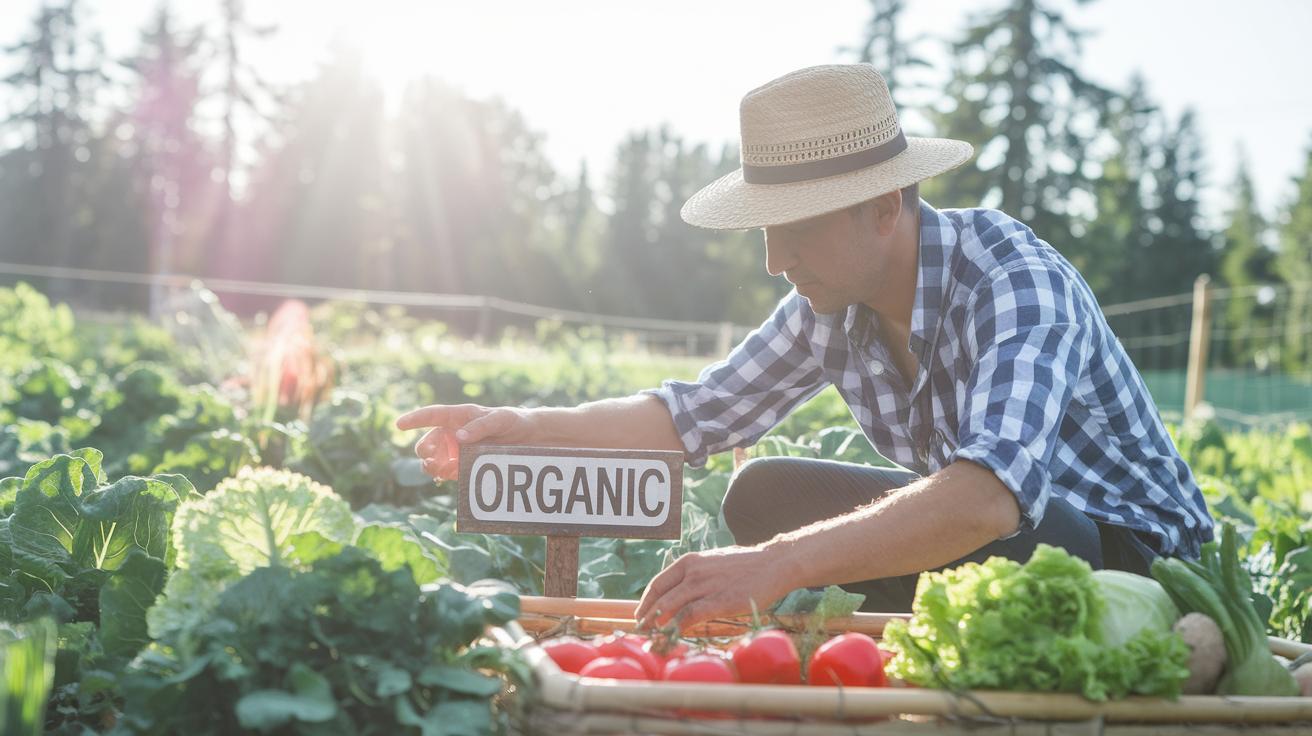
Organic food can help boost your health and cut down on harmful chemicals while being gentle to the planet. It uses natural methods and avoids man-made pesticides and fertilizers, making it a safer choice for your body and the earth.
When you choose organic food, you reduce the amount of chemicals you take in. Studies have found that people who eat organic have lower levels of pesticide by-products, meaning fewer toxic substances in their bodies. Imagine switching from chemically treated produce to fruits and vegetables grown naturally. It not only feels refreshing but also supports your inner well-being.
Organic farming helps the environment, too. These farms use around 45% less energy than regular ones, which helps lower greenhouse gas emissions. Natural practices like composting, using manure, and rotating crops keep the soil healthy and reduce extra chemicals in our water. Together, these methods protect local ecosystems and support a cleaner, healthier world.
Nutritional Advantages of Organic Produce vs. Conventional
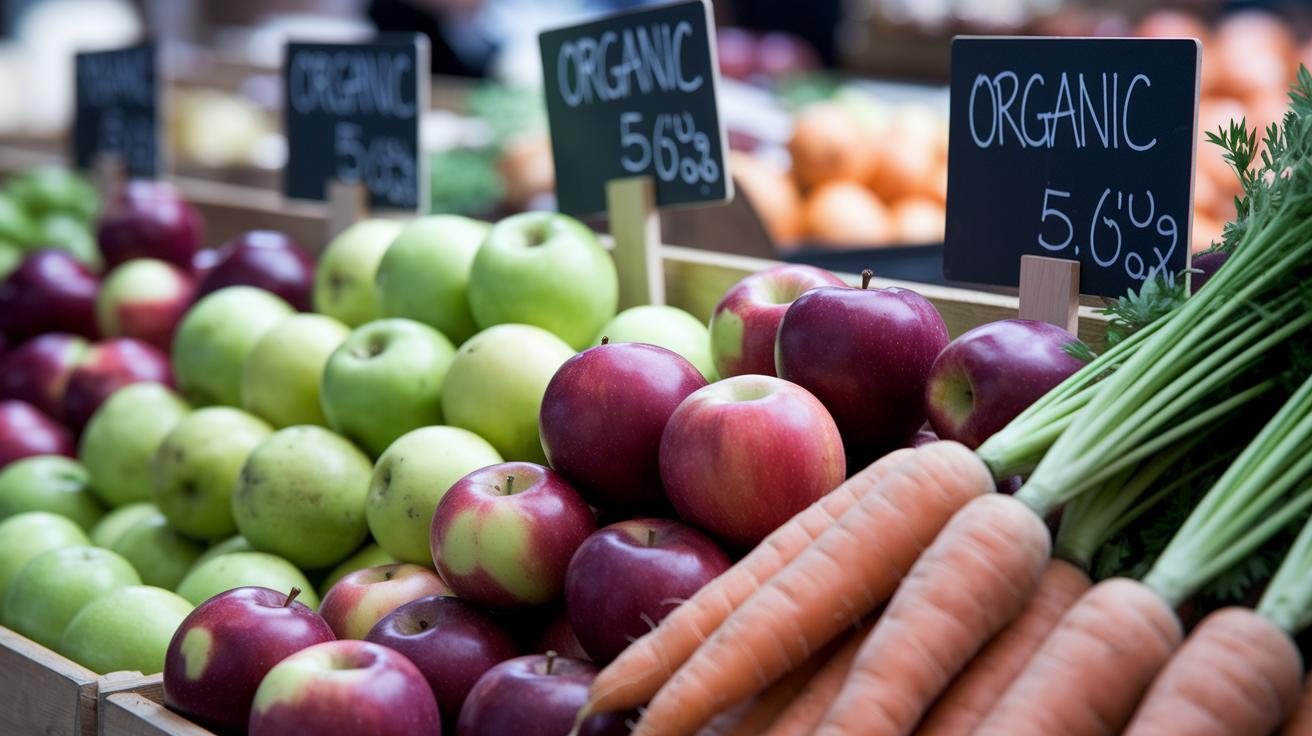
Eating foods rich in nutrients is a simple way to boost your daily health. Organic fruits and vegetables usually pack more vitamins and minerals than those grown using conventional methods. They can give your body that extra push it needs to function well and stay energetic.
| Nutrient | Conventional Level | Organic Level | % Difference |
|---|---|---|---|
| Antioxidants | 100 units | 130 units | +30% |
| Vitamin C | 50 mg | 65 mg | +30% |
| Iron | 10 mg | 13 mg | +30% |
| Magnesium | 40 mg | 52 mg | +30% |
| Phosphorus | 80 mg | 104 mg | +30% |
| Heavy Metals | 5 units | 3 units | -40% |
The extra nutrition in organic produce helps support a strong immune system and keeps the body in balance. More antioxidants can protect your cells and help lower inflammation, which means you might feel better day to day. Key minerals like iron and magnesium work together to keep your energy steady and your body running smoothly. When you choose organic, you’re not only enjoying tastier food, but you are also giving your body a natural boost to defend itself and work efficiently.
Organic Eating for Lower Chemical Exposure and Smoother Digestion

Have you ever noticed how your body feels when you switch to organic foods? Research shows that eating organic can help lower the amount of pesticide traces in your system, making things feel a bit lighter overall. Foods grown without synthetic chemicals mean you take in far fewer unwanted substances.
When you choose organic, you're also reducing the intake of extra additives and preservatives that can pile on over time. This cleaner approach helps your body manage its natural detox process better. Many people with sensitive systems even say they experience smoother digestion and better nutrient absorption. It feels like giving your body a gentle, everyday boost.
Environmental Sustainability and Farming Practices Behind Organic Food

Organic farming uses less energy and takes care of the soil in a way that works with local traditions and nature. It helps reduce carbon emissions and cuts down on harmful chemicals. Local farms have shown that these practices can truly boost ecosystem health.
Energy Efficiency and Carbon Reduction
Many organic farms spend 45% less energy. This means fewer greenhouse gases and cleaner air for everyone. One small farm noticed that after switching to energy-saving methods, their carbon output dropped noticeably.
Soil Health and Biodiversity
By steering clear of synthetic chemicals and using natural compost and manure, organic practices make the soil richer and support a vibrant mix of plants and tiny life forms. A nearby farm using crop rotation found better soil nutrients and healthier plant growth.
Natural Pest and Fertility Management
Instead of harsh chemicals, organic farmers rely on crop rotation and natural pest controls. These ideas help keep the soil fertile and the crops thriving naturally. One grower mixed in biological pest controls with organic compost and ended up with a field free from chemical traces.
Organic practices really make a difference by reducing energy use, boosting soil health, and keeping harmful runoff to a minimum. Local studies show that these methods lead to cleaner air and water while building stronger, more natural ecosystems that benefit both the environment and nearby communities.
Balancing Cost and Value When Choosing Organic Food

Organic items often cost more than regular ones, but that extra expense can pay off over time in better health. When you choose high-residue fruits and veggies like apples, tomatoes, and leafy greens, you're packing in more nutrition without overspending. Shopping at farmers markets gives you fresh, seasonal options and sometimes lower prices thanks to local competition. It's all about budgeting smartly by focusing on the foods that offer the most nourishment and value.
Beyond just the price tag, going organic brings extra perks for you and your family. Foods grown naturally and with ethical farming methods usually taste better and give you peace of mind. Plus, supporting these practices means you help create a cleaner food supply. Shopping local also builds community bonds and encourages sustainable farming practices. In the end, you get safe, nutritious food while helping your local economy thrive.
Actionable Strategies for Incorporating Organic Food into Daily Meals
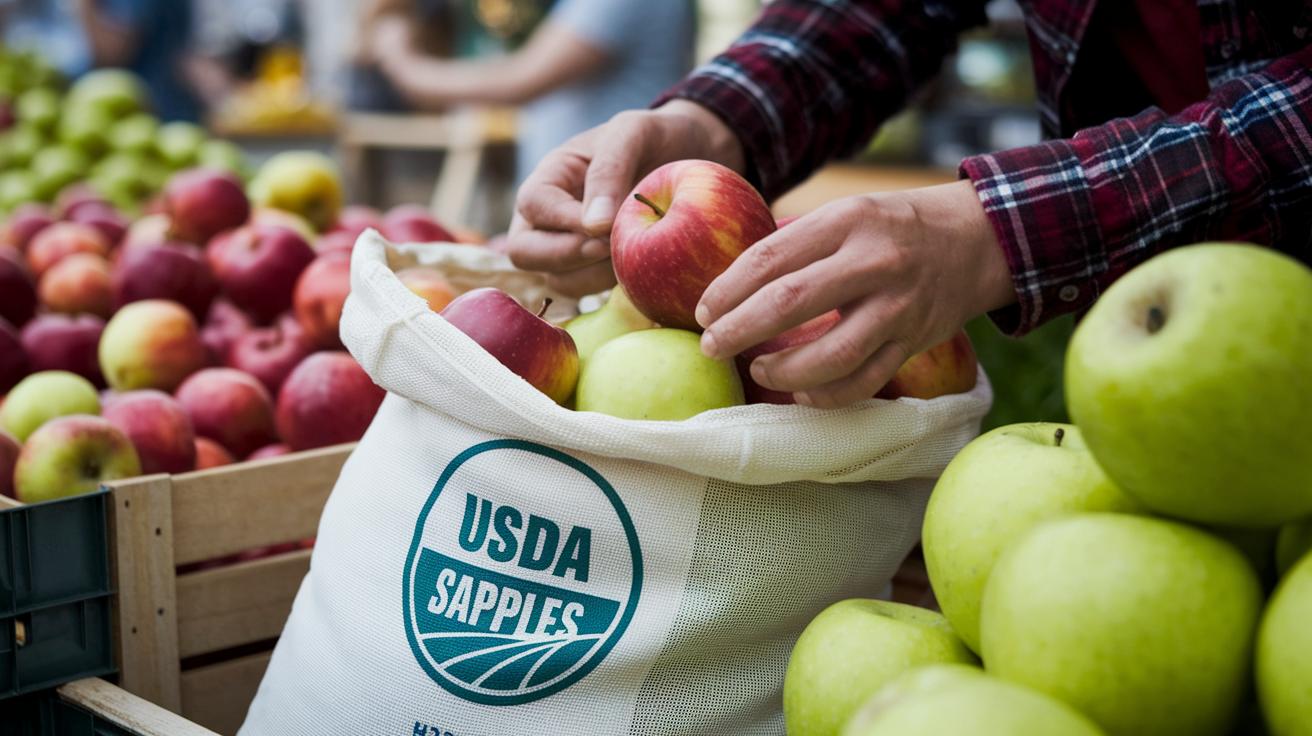
Switching to organic foods can brighten your eating habits and support a healthier digestive system, especially if you've got a sensitive tummy. These small changes not only boost your well-being but also help the planet.
Start by reading the food labels to spot the USDA organic seal. Focus on buying organic versions of the “dirty dozen,” which are foods known to have more pesticide residues. Next, plan your meals based on seasonal organic produce. Check out your local farmers market or join a community-supported agriculture (CSA) program to get fresh picks. And if you're testing how your body reacts, try alternating between organic and conventional items.
Adding new foods slowly can help you understand what works best for you without breaking the bank. Little by little, you can enjoy natural options like crisp apples, juicy tomatoes, and fresh leafy greens. When you take a careful look at labels, you’re sure that what you buy really is organic and free of synthetic additives. This steady, thoughtful approach builds your confidence in making choices that support long-term health and a cleaner, earth-friendly lifestyle.
Final Words
In the action of exploring organic food, we uncovered its impact on health, safety, and sustainability while comparing nutrient benefits with conventional options. We learned how lower chemical exposure can boost body wellness and how eco-friendly practices support our planet. Practical steps were shared to integrate organic meals while balancing cost and nutritional gains. Embracing the benefits of organic food can lead to improved overall well-being and a brighter, healthier future. Keep choosing natural options to feel better day by day.
FAQ
What are 10 benefits of organic food?
The benefits of organic food include fewer synthetic chemicals, improved nutrient profiles, and support for eco-friendly practices. Organic options help cut chemical exposure while promoting better health and environmental safety.
What are the dangers or disadvantages of organic food?
The dangers of organic food mainly relate to its higher cost and sometimes limited availability. While some drawbacks exist, the cleaner ingredients and reduced chemical residues often outweigh these challenges.
What are the benefits of organic food for the environment?
The benefits of organic food for the environment lie in reduced chemical use, lower energy consumption, and cleaner water and soil. This approach helps protect ecosystems by supporting sustainable farming practices.
What are the health benefits of organic food?
The health benefits of organic food start with reducing chemical residues in the body and extend to a richer nutrient intake and easier digestion. These factors contribute to better overall health and a cleaner diet.
Is it actually worth it to buy and eat organic food?
The worth of buying organic food is seen in its ability to lower toxin levels, boost nutrient absorption, and support cleaner digestion. Although it costs more, the improved health outcomes often make it a smart choice.