Have you ever wondered if the food you eat might be the secret to a happy tummy? Good-for-your-gut foods do more than just fill you up; they give a boost to the helpful bacteria in your stomach.
In this post, we chat about simple choices like low-fat kefir, spicy kimchi, and fresh leafy greens , foods that can help make digestion smoother and support overall well-being.
Imagine enjoying a meal and feeling the gentle lift of good health. Adding these tasty foods to your meals might just kick-start a wellness journey that starts from within.
Essential Gut Foods and Their Benefits
When you choose foods that help your tummy, you give your body a boost. It’s not just about stopping the bad stuff; it's about adding good, nourishing foods that work with your gentle digestive system. Think of them as little helpers that keep your gut smiling by feeding the good bacteria and easing digestion.
Here are some foods you might want to try:
- Low-fat kefir
- Sauerkraut (you know, that tangy, fermented cabbage)
- Kimchi (spicy fermented veggies that pack a punch)
- Miso paste
- Garlic
- Onions
- Leafy greens like spinach and kale
- Legumes such as lentils and chickpeas
- Berries, including blueberries and raspberries
- Whole grains like oats and barley
- Enzyme-rich fruits like pineapple and papaya
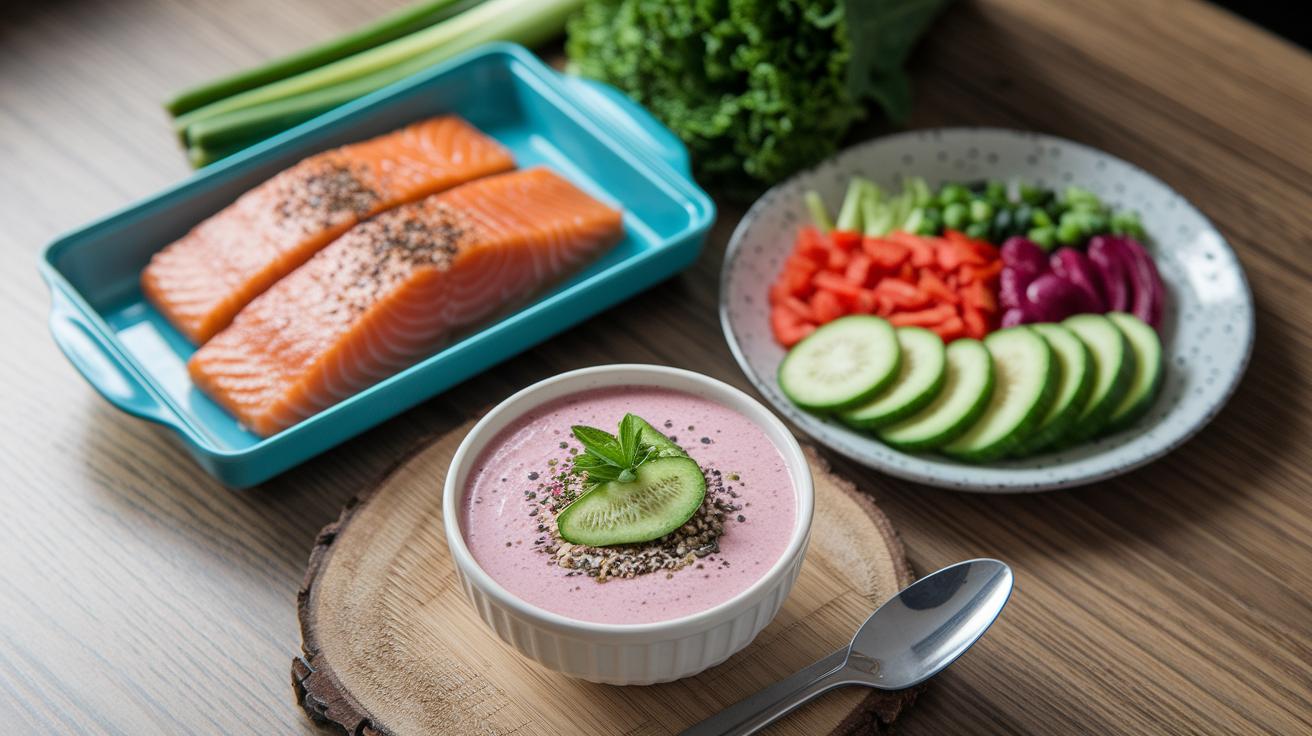
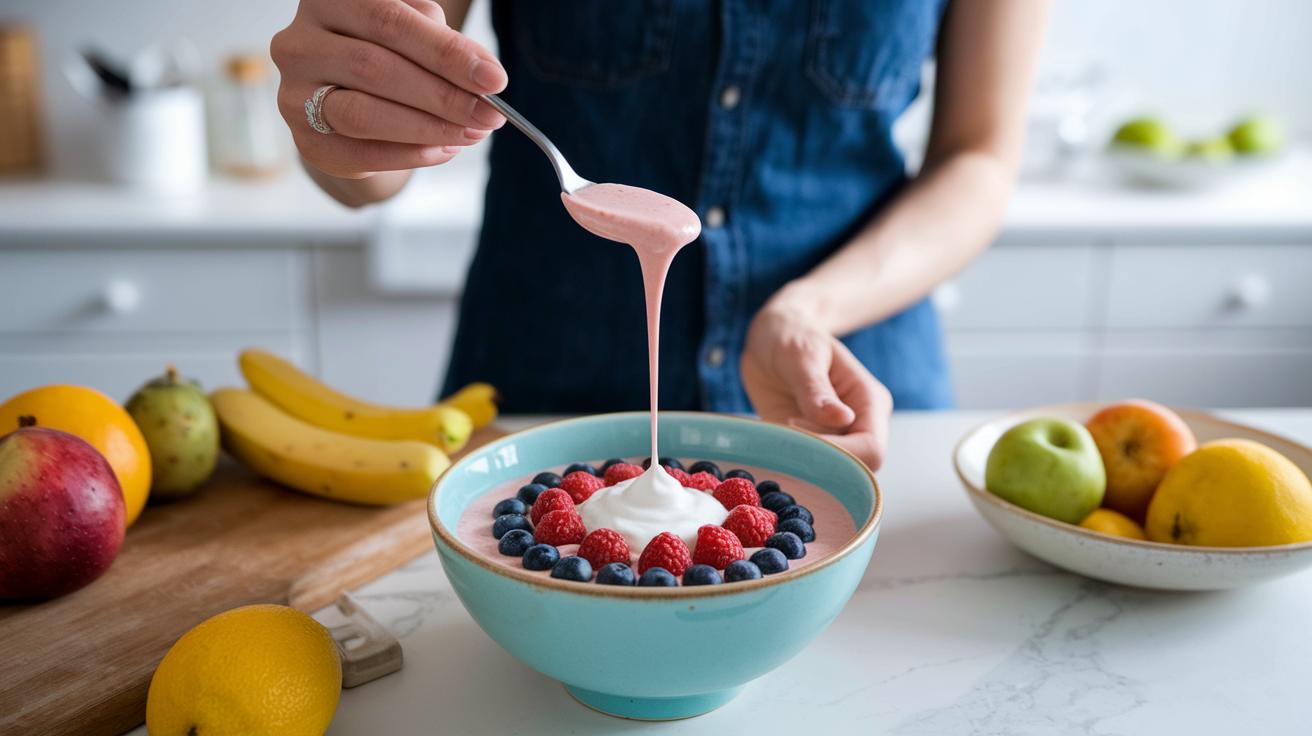
There are tasty ways to add these foods into your meals. Imagine a dish like Miso Salmon, where you mix 1 cup (100 g) of brown basmati rice with a dollop of miso paste. Or try a Kefir Smoothie Bowl with 1 cup of low-fat blueberry kefir, you get a burst of tangy, probiotic goodness! Even something simple like Pea Pasta Sauce, which uses 3 cloves of garlic, can give you a little digestive kick.
Each food has its own role. Probiotic items help build up the good bacteria in your gut. Fermented options like sauerkraut and kimchi work to create a balanced community of microbes. And fiber-rich produce, like the leafy greens and legumes, help move food along smoothly.
When you swap out a few items here and there, you set the stage for a happier gut and a healthier you. Enjoy the journey to a vibrant, balanced life, one meal at a time.
Gut Food Science: How Healthy Gut Foods Work
Inside your gut lives a world of tiny helpers that turn your food into fuel. These little organisms break down what you eat so that vitamins and minerals can do their job. When they work in harmony, your digestion runs smoothly and your body gets all the good stuff.
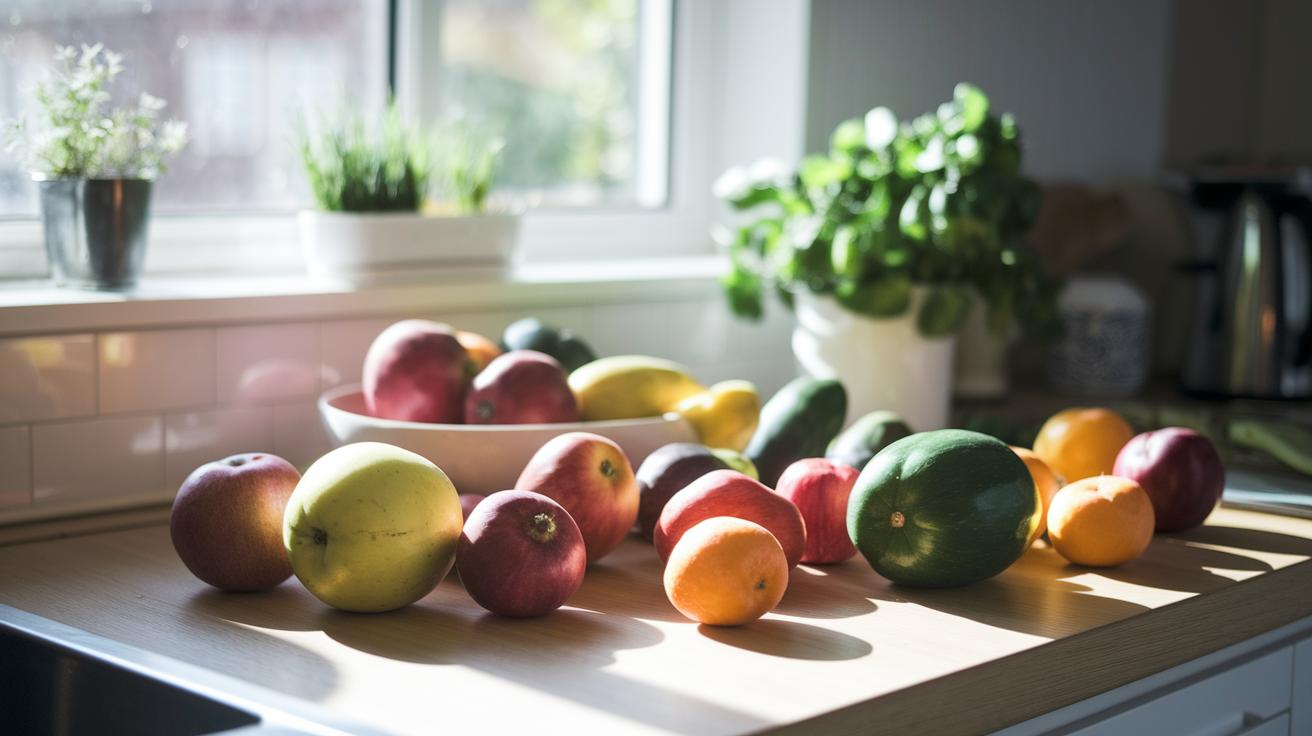
Foods like fresh fruits and vegetables, garlic, onions, and probiotic treats team up to keep your gut happy. Natural enzymes in some foods help break down proteins and fats, so your body grabs nutrients quickly. And eating items with live cultures, like those found in guides about fermented foods, boosts the variety of these helpful microbes. A gastroenterologist from UW Medicine even says that loading up on these nourishing foods is just as important as avoiding things that upset your tummy. This blend of fiber, prebiotics, probiotics, and enzymes builds a solid gut-friendly diet that helps with nutrient uptake and smooth digestion.
Every smart choice you make, whether it's adding miso paste, leafy greens, or a touch of garlic, turns science into simple steps that feed your gut and support everyday digestion.
Essential Gut Foods and Prebiotic Benefits
Prebiotics in foods like garlic, onions, and asparagus are a form of plant fiber your body doesn’t break down. Instead, the good bacteria in your gut work on them, creating short-chain fatty acids that help keep your gut lining healthy and aid digestion. One simple idea is to add a little raw garlic to your salad dressing. Mix one small clove of raw garlic with olive oil, lemon juice, and a pinch of salt for a zesty, gut-friendly boost.
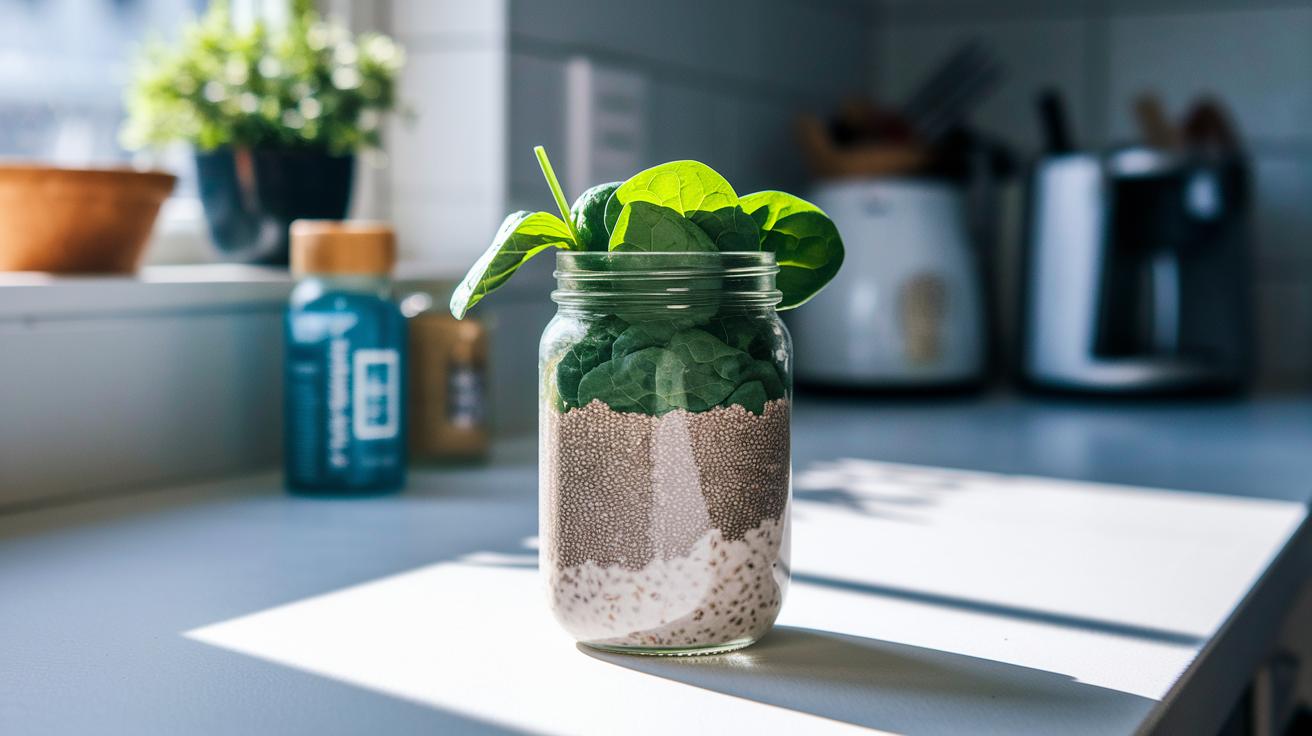
Fiber-rich foods such as oats, chia seeds, and leafy greens help slow digestion and keep things regular. These ingredients can be blended into an easy, high-fiber mix. For instance, try preparing overnight oats by layering rolled oats, water or milk, chia seeds, and fresh spinach in a jar the night before. In the morning, you’ll have a tasty fiber boost that supports the good microbes in your gut.
Fermented Meal Planning for Gut Foods
Eating fermented foods every day helps your tummy work naturally by keeping your good bacteria happy. You can set up a simple plan that tells you how much to eat and when to enjoy these foods. Imagine waking up at 7:00 AM with a cool cup of kefir to kick-start your digestion.
- Breakfast (around 7:00 AM): Start your day with a kefir smoothie bowl. Use about 1 cup of low-fat kefir mixed with your favorite fresh fruits to give you a tasty, nutrient-filled boost.
- Lunch (around 12:30 PM): Have a bowl of miso soup served with brown basmati rice. This meal not only warms you up but also adds live cultures to help your belly feel balanced.
- Dinner (around 6:30 PM): Enjoy miso salmon for dinner. Brush the salmon with a glaze of miso paste and serve it alongside steamed vegetables for a flavorful, balanced meal.
- Snacks: Between meals, try a ½ cup of kimchi or sauerkraut for an extra hit of good probiotics.
To make planning easier, update your shopping list every week with your favorite fermented items. You might even try batch-making homemade kimchi or a miso dressing on the weekend. Keep these in containers that are safe for fermentation, so you can stick to a meal plan that is both balanced and easy to follow.
Practical Tips for Adding Gut Foods to Daily Meals
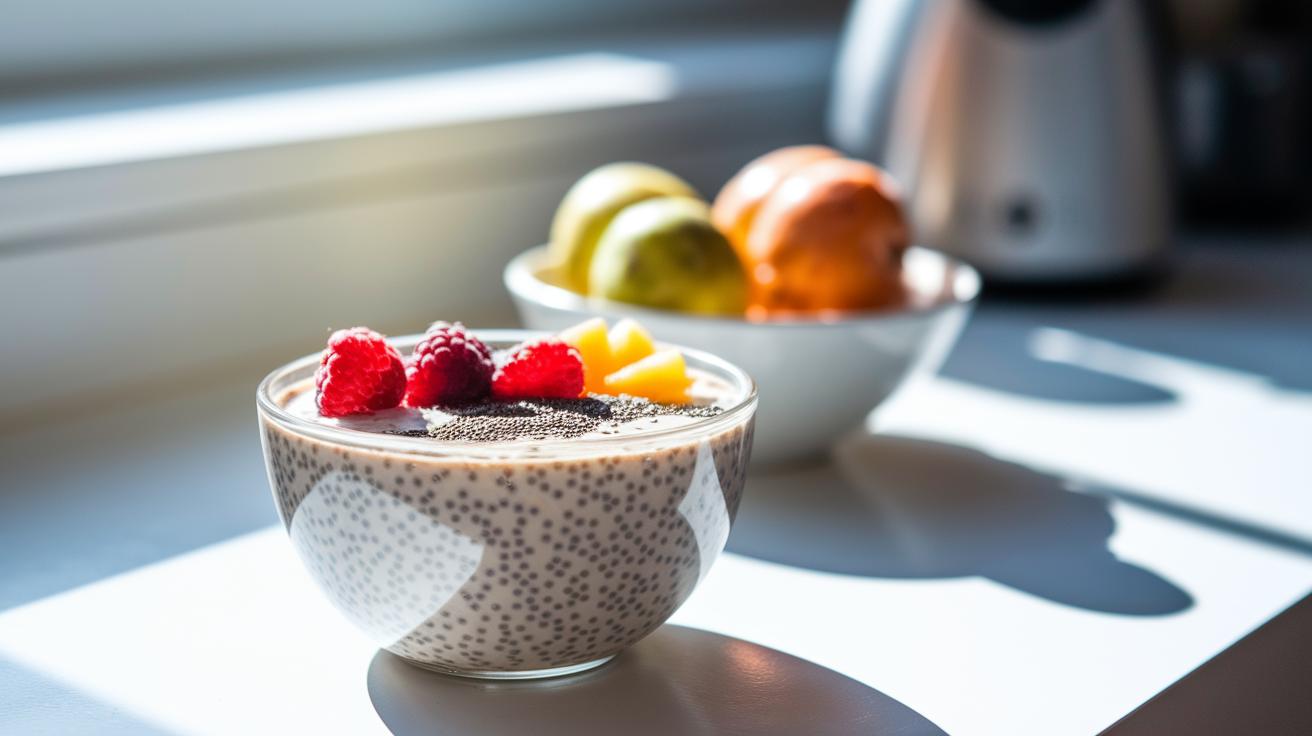
Try swapping your regular yogurt for a dairy-free probiotic option that’s gentle on your stomach. A dollop of miso paste in your salad dressing not only brightens up the flavor but also packs in live cultures for extra gut support.
You can boost your meals even more by adding freshly cut garlic and onions into your soups, salads, or stir-fries. And have you thought about prepping overnight oats with chia seeds? It makes a filling breakfast that works well with your body’s natural rhythm.
When the day winds down, take a moment to enjoy a warm cup of ginger or herbal digestive tea. It’s a great way to soothe your belly after a long day.
Keep your pantry filled with gut-friendly basics for those moments when you need a quick, nourishing boost. A few small jars of fermented condiments, like miso or pickled veggies, can turn a simple dish into a real digestive delight. Also, stocking up on high-fiber flours and enzyme-rich fruits means you’ll have quick additions for snacks or meals when time is short.
With these neat staples in your kitchen, you can easily create meals that support a happy, balanced digestive system every day.
Final Words
In the action, healthy gut foods show how easy changes can support digestion and overall well-being. The post highlighted a mix of fermented options like kefir, miso, and kimchi, along with fiber-rich choices such as leafy greens and oats. It touched on how prebiotics from garlic and onions nourish beneficial bacteria. Each tip brings us one step closer to simpler, more mindful eating. Enjoy small tweaks in your daily meals and feel the real boost that a balanced diet can offer. Here's to a more vibrant and healthier you!
FAQ
What are healthy gut supplements?
Healthy gut supplements support beneficial bacteria by providing probiotics, prebiotics, and fiber. They help balance the digestive system and make nutrient absorption more efficient.
What are the worst foods for gut health and which ones should be avoided?
The worst foods for gut health include highly processed items, sugary snacks, and deep-fried options. These foods can upset the balance of gut bacteria and disturb digestion.
How can I improve gut health naturally?
Improving gut health naturally means eating fiber-rich fruits, vegetables, and fermented foods. This approach nourishes beneficial bacteria and helps reduce digestive discomfort.
What are the top 10 foods for gut health?
The top 10 foods for gut health include kefir, sauerkraut, kimchi, miso paste, garlic, onions, leafy greens, legumes, berries, and whole grains. Each offers nutrients to boost digestion and microbial balance.
What should I drink after a meal to help digestion?
Drinking water or herbal teas, such as ginger tea, aids digestion after a meal. These drinks help soothe the stomach and support the breakdown of your food.
How can I keep my stomach healthy and clean?
Keeping your stomach healthy involves eating a balanced diet rich in fiber and probiotics, staying hydrated, and avoiding overly processed or unhealthy foods that can disrupt gut balance.
What are the best foods for gut health and weight loss?
The best foods for both gut health and weight loss are nutrient-dense, low-calorie options like leafy greens, legumes, whole grains, and berries. These foods promote efficient digestion and a healthy metabolism.
Which food is best for gut health?
No single food is the best, but a mix of fermented items, high-fiber whole foods, garlic, onions, and leafy greens works together to foster a balanced and robust gut environment.
What are the super six foods for gut health?
The super six for gut health include kefir, sauerkraut, kimchi, miso paste, garlic, and leafy greens. These foods deliver key benefits like probiotics, fiber, and enzymes for excellent digestion.
What heals the gut the fastest?
Healing the gut quickly involves a clean diet packed with probiotics, prebiotics, and fiber. This balanced nutrition minimizes irritation and rebuilds healthy bacterial colonies.
What is a 7 day gut reset?
A 7-day gut reset is a short-term plan focusing on clean, gut-friendly foods while cutting out processed items. It aims to soothe inflammation and help restore beneficial gut bacteria.