Ever feel like anxiety is like an uninvited guest that just won't go away? Sometimes, stress stops you in your tracks, but calm might be closer than you think.
Imagine taking a few deep breaths and doing a gentle stretch. These simple actions are like mixing ingredients for your favorite meal, they help create a sense of peace.
In this post, we'll chat about easy, everyday tips and share advice from experts to help you build a calmer routine. Stick around and discover both natural ways and simple, science-backed methods to find quick relief and steady calm in your day.
Comprehensive Anxiety Remedies: Natural and Clinical Approaches
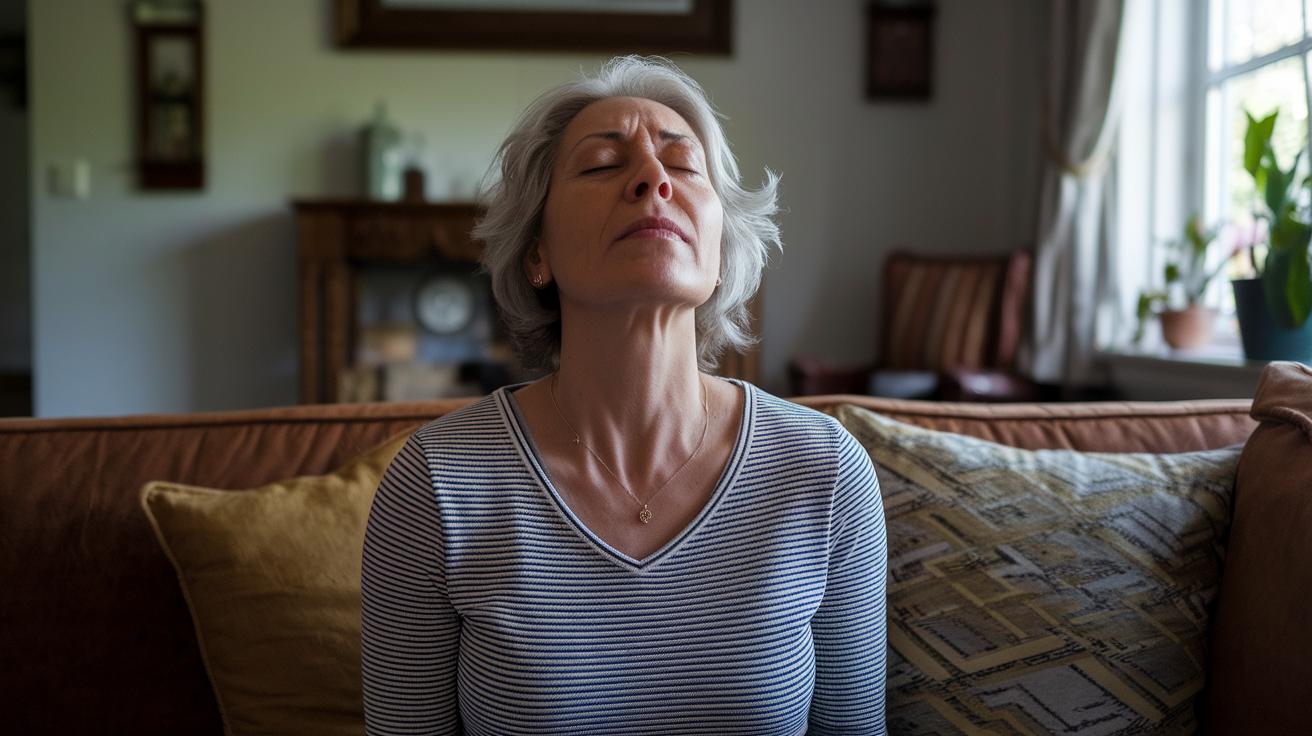
Finding calm can be a friendly mix of self-care at home and expert advice from healthcare professionals. You can try simple techniques like slow, deep breaths and gentle movement while keeping in touch with a professional when things feel too heavy. It’s a bit like adding ingredients to your daily routine: a little self-help mixed with expert tips can build a lasting sense of calm.
A review from September 2024 highlighted ten remedy groups that tackle anxiety from different angles. For example, changing what you eat by adding stress-busting and nutrient-rich foods can give your mood a boost. Even light activities, like a brisk walk or a few gentle yoga stretches, help your body produce natural feel-good chemicals. Mindfulness tips like meditation or a calming body scan can clear your mind and sharpen your focus. Natural herbs and supplements, think omega-3 (helpful fats), magnesium (a key mineral), and vitamin D3 (good for bone health), can also add to your sense of calm. Some people even find that essential oils, aromatherapy, weighted blankets, or fidget toys soothe their body. Deep breathing resets your nervous system, journaling helps clear mental clutter, and talking with a therapist gives you steady support. Just imagine taking a quiet moment for some deep breaths, watching your stress slowly melt away.
Blending these different methods can give you stronger relief by working on anxiety in several ways. Using everyday steps, like a few dietary tweaks or mindful breathing, along with professional help, builds a more complete plan for feeling well. It’s like having a toolbox where every tool plays its part. This mix lays the groundwork for more ideas to help you design your own routine for daily calm.
Nutritional and Supplement Anxiety Remedies
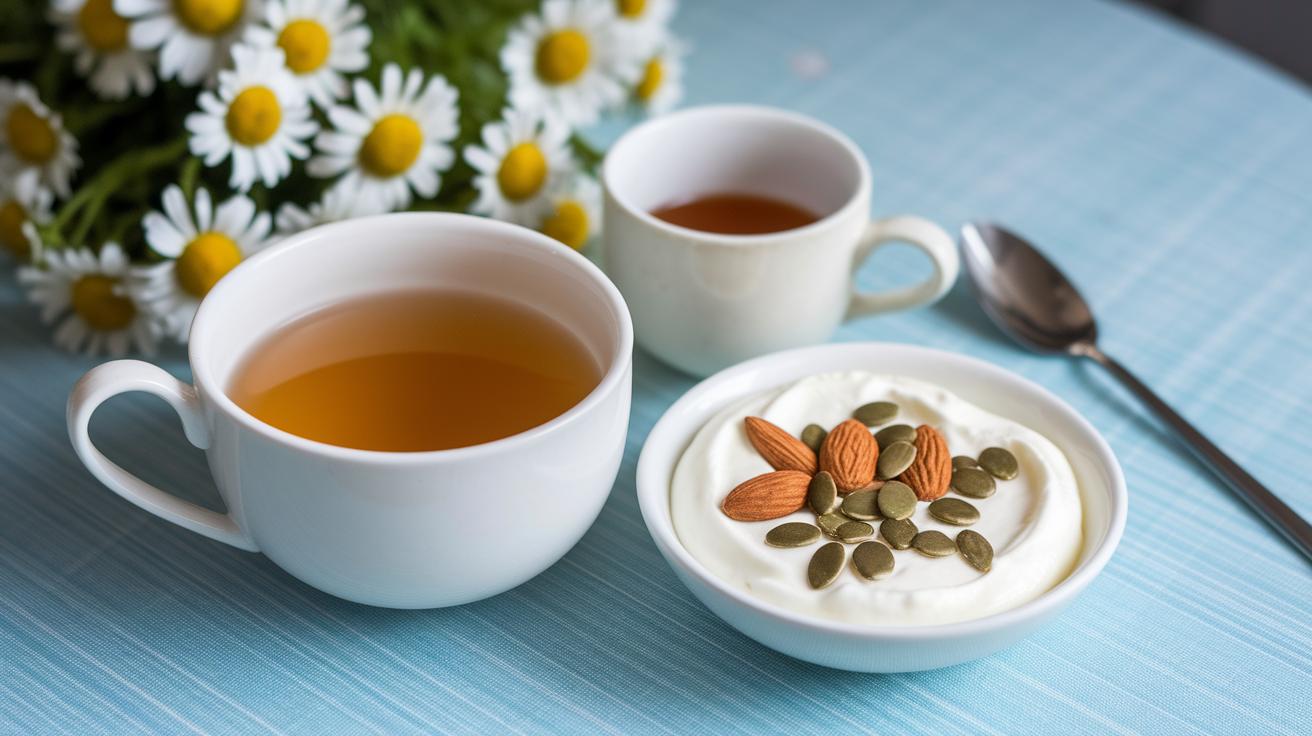
Eating well can really help lower your stress levels. Adding fish rich in omega-3s, like salmon, mackerel, or sardines, can boost your mood and support your brain. Try adding a small serving of one of these fish to your dinner a couple of times each week. A bit of dark chocolate can also help lighten your mood because it eases stress. Snacking on foods full of magnesium, like almonds or pumpkin seeds, gives your body the minerals it needs to relax. You might also switch things up with a serving of yogurt, which offers probiotics, a simple way to keep your gut balanced and improve how you feel overall. And a warm cup of chamomile tea can give you a natural moment of calm whenever you need it.
Supplements can work nicely with a healthy diet to relieve anxiety, too. Omega-3 supplements, usually in a capsule, help make up for days when fish isn’t an option, often with about 1,000 mg per day. If your meals aren’t giving you enough magnesium, a gentle magnesium citrate supplement might be useful. Probiotic supplements support a healthy digestive system, which ties into mood balance, and many people find taking one daily, either in capsule or powder form, very helpful. If you’re not getting much sun, vitamin D3 could be a good choice with a usual range of 600 to 800 IU per day. Always check with your healthcare provider before starting any new supplement to be sure it’s right for you.
Herbal and Botanical Anxiety Remedies
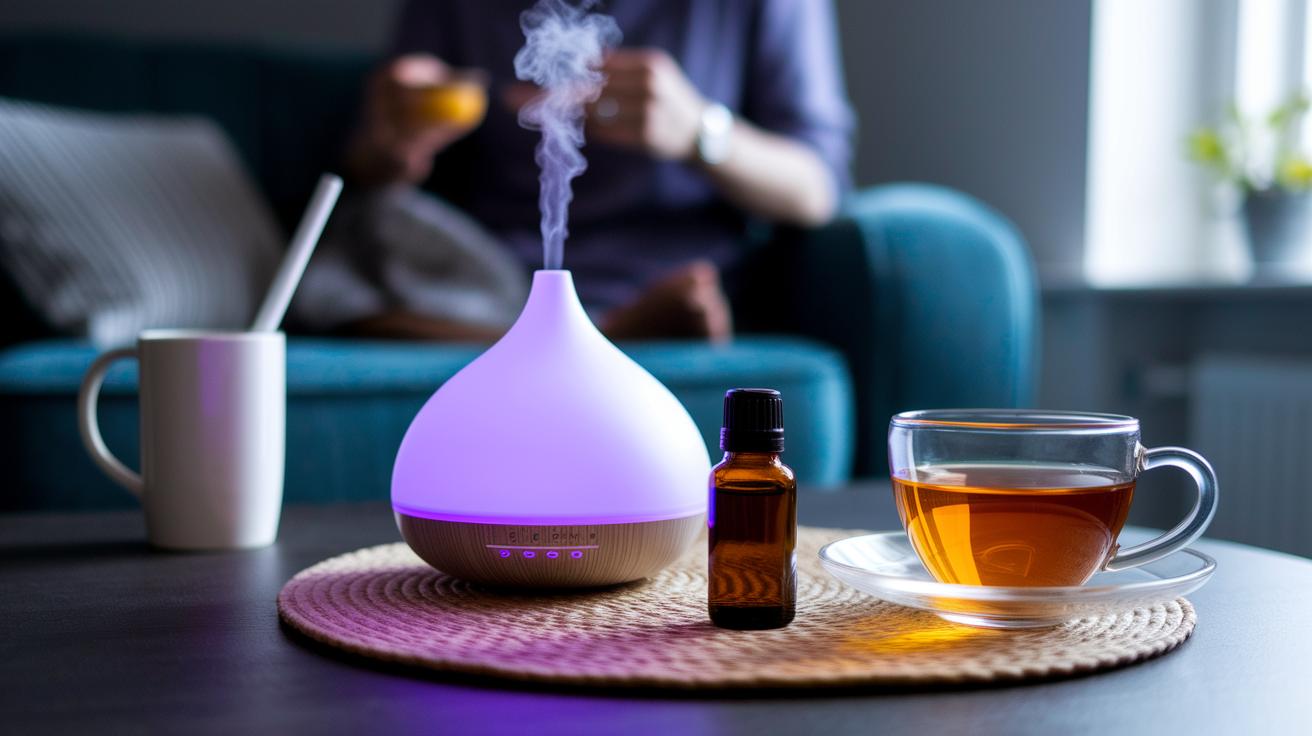
Botanical remedies can gently help ease anxiety and bring a sense of calm. Many people enjoy using herbal extracts and essential oils because they feel soothing, but it is important to use them safely. These plant-based helpers can add a pleasant touch to your daily routine, yet you should always choose products from trusted sources and start with small amounts to check for any sensitivity.
When you use essential oils, they can offer a refreshing burst of calm. However, keep in mind that they might interact with any medications you are taking. Here are some popular botanicals and how they help ease anxiety:
- Citrus aurantium: Its bright, citrus smell can help soothe worry.
- Jasmine: This oil is known for boosting mood and reducing tension.
- Damask rose: Its gentle floral aroma invites a sense of relaxation.
- Lemon: This essential oil gives an uplifting, zesty scent that can lower stress.
- Lavender: Loved for its soft, calming vibe, perfect for helping you unwind.
- Chamomile: Often enjoyed as a tea, it brings a mild and soothing effect.
- Bergamot: Its fresh scent can help create a relaxed state of mind.
When choosing these remedies, look for products that clearly show the dosage and quality from reputable vendors. Many people like to use these oils in diffusers or mix them with carrier oils for a massage, while enjoying a calming cup of herbal tea is a great way to relax at home. Sticking with standardized products also makes it easier to know how much to use, and speaking with your health professional is a smart move to avoid any herb and drug mix-ups. With quality sources, you can feel confident about adding these natural aids to your routine for a calmer mind and body.
Mind-Body Anxiety Remedies
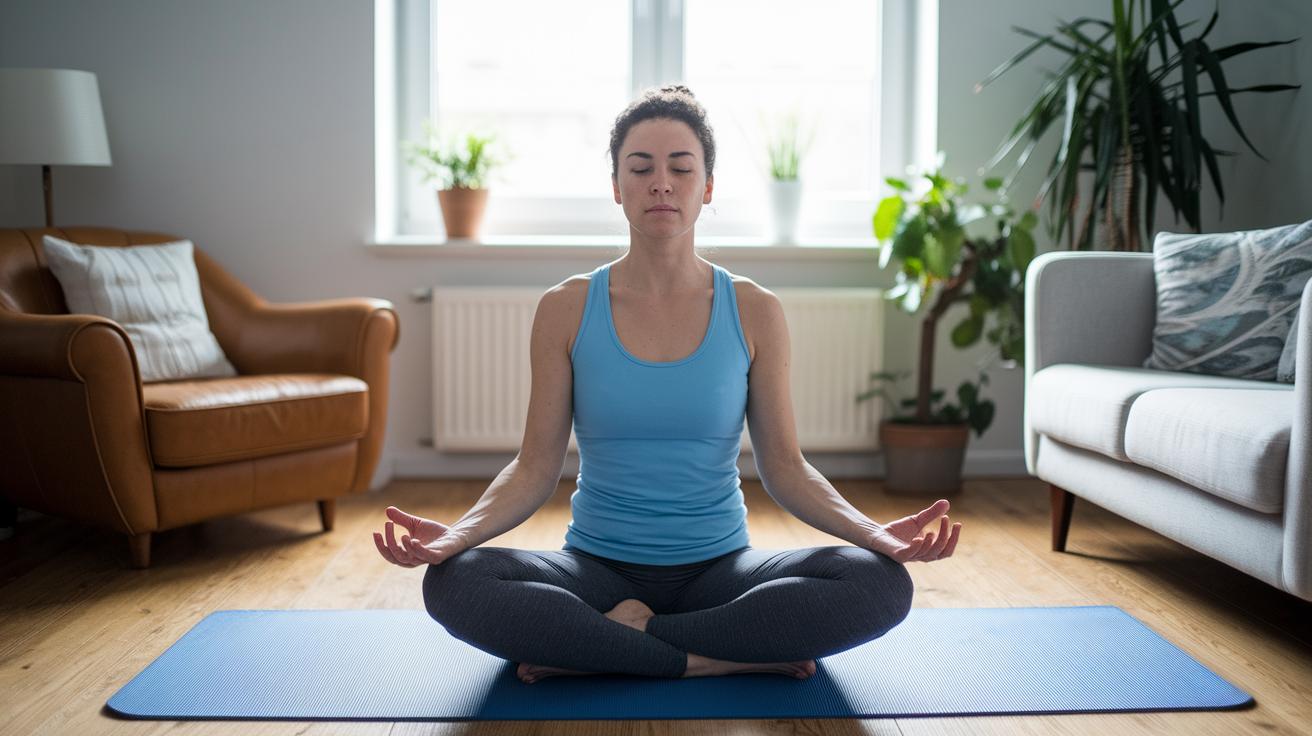
Every day, try spending a few minutes to focus on deep breathing. One simple way is the 4-7-8 method: breathe in for 4 seconds, hold for 7 seconds, then slowly breathe out for 8 seconds. You can also try diaphragmatic breathing, where you let your belly rise as you take a deep breath so you use more of your lung space. And then there’s box breathing, inhale, hold, exhale, and pause for the same amount of time each step. Set aside about 5 to 10 minutes daily for one of these practices. Picture yourself sitting quietly, each gentle breath taking away a bit of your tension until you feel calm.
Mindfulness and meditative techniques are another great way to ease anxiety. Whether you try guided or silent meditation, these practices help your mind stay in the here and now, cutting through daily stress. A mindful walk, paying attention to each step and the sounds you hear, lets you enjoy the moment. You could even do a quick body scan, noticing how each part of your body feels and releasing any tightness. Just a minute of mindful breathing during your day can make a big difference and help you feel more centered.
Structured programs like mindfulness-based stress reduction or mindfulness-based cognitive therapy have been shown to lower anxiety, similar to how medicines work. Research backs up these methods by showing reduced stress levels with regular practice. These programs give you easy-to-follow steps so you can build mindfulness into your life in a lasting way.
Physical Activity Anxiety Remedies

Low-intensity exercises, like yoga or a brisk walk, help your body release natural chemicals that lift your mood. Even on days when you don't feel like a heavy workout, a quick walk or some gentle stretches can brighten your day and ease your anxiety. Regular sessions of these activities keep your feel-good chemicals steady and help you manage everyday stress. For example, you might try a 15-minute morning yoga routine or a brisk walk after dinner. Both ideas work well to naturally lower tension and boost your overall mood.
Spending time outdoors and moving mindfully adds extra goodness to your routine. When you're outside, the fresh air can clear your mind and connect you with nature, which feels really grounding. And when you take a slow, purposeful walk or try a tai chi session, you focus on each step and reduce physical tension. Imagine the cool air on your face and the calming rhythm of your steps. This mindful movement can help balance your emotions and give you a sense of calm throughout your day.
Quick Relief Anxiety Remedies
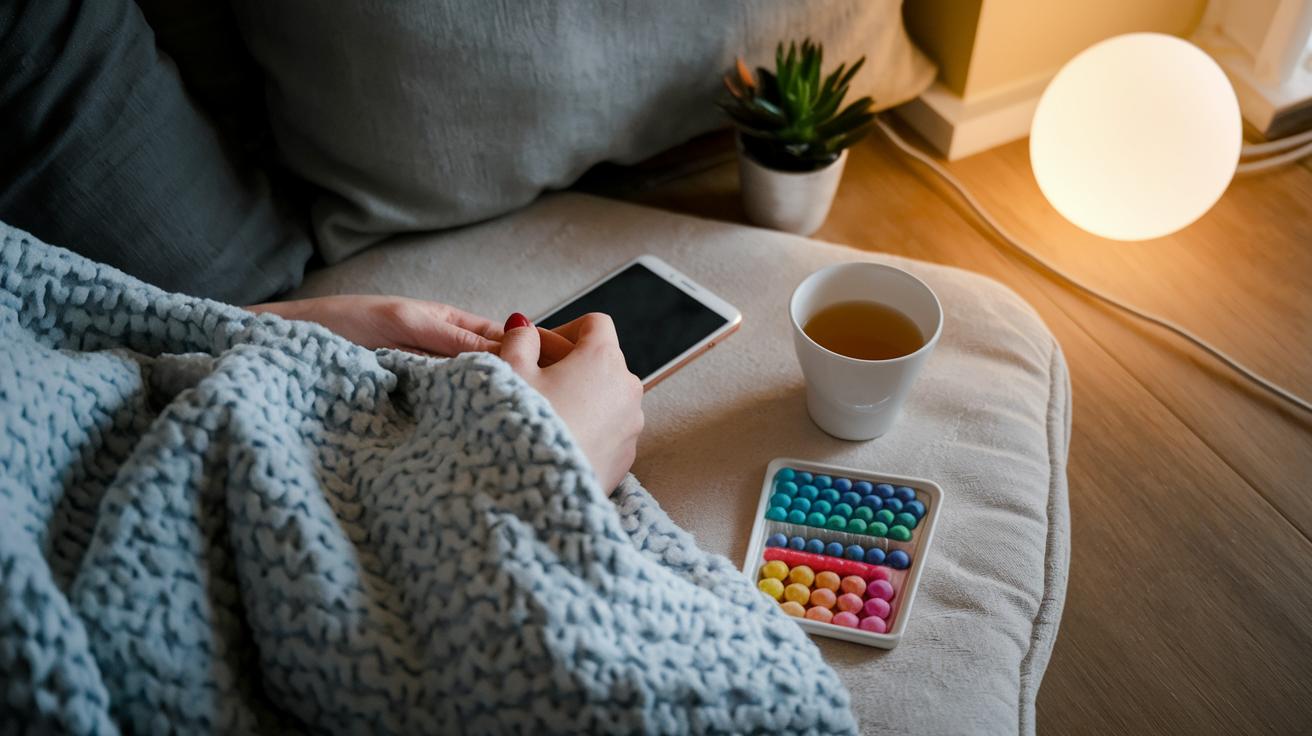
Ever get hit with sudden stress? Try these simple, fast techniques to ease your anxiety. They’re easy to do and can help soothe your mind quickly. Remember to always listen to your body and switch things up if something doesn’t feel right.
Here are a few natural ideas to calm your nerves:
- Grounding exercise: Look around and name objects you see or touch. It helps bring you back to the now.
- Weighted blanket: Its snug, gentle pressure wraps you in a cozy hug.
- Fidget toy: Holding something small can distract your fingers and ease your mind.
- Calming music: Soft, gentle tunes can lower your stress.
- Herbal tea: A warm cup of chamomile, valerian root, or lemon balm tea can comfort you.
- Slow, deep breaths: Taking time for measured, deep breaths helps release tension.
Mixing these quick fixes can heighten their calming effects. For example, when you sense anxiety building, try naming what’s around you, then wrap up in your weighted blanket, hold your fidget toy, and take slow breaths while some soft music plays. Sip a cup of herbal tea to complete this soothing routine. Experiment to see which combination feels best for you during those anxious moments. These simple tips can help you manage stress and find little pockets of peace throughout your day.
Professional and Clinical Anxiety Remedies
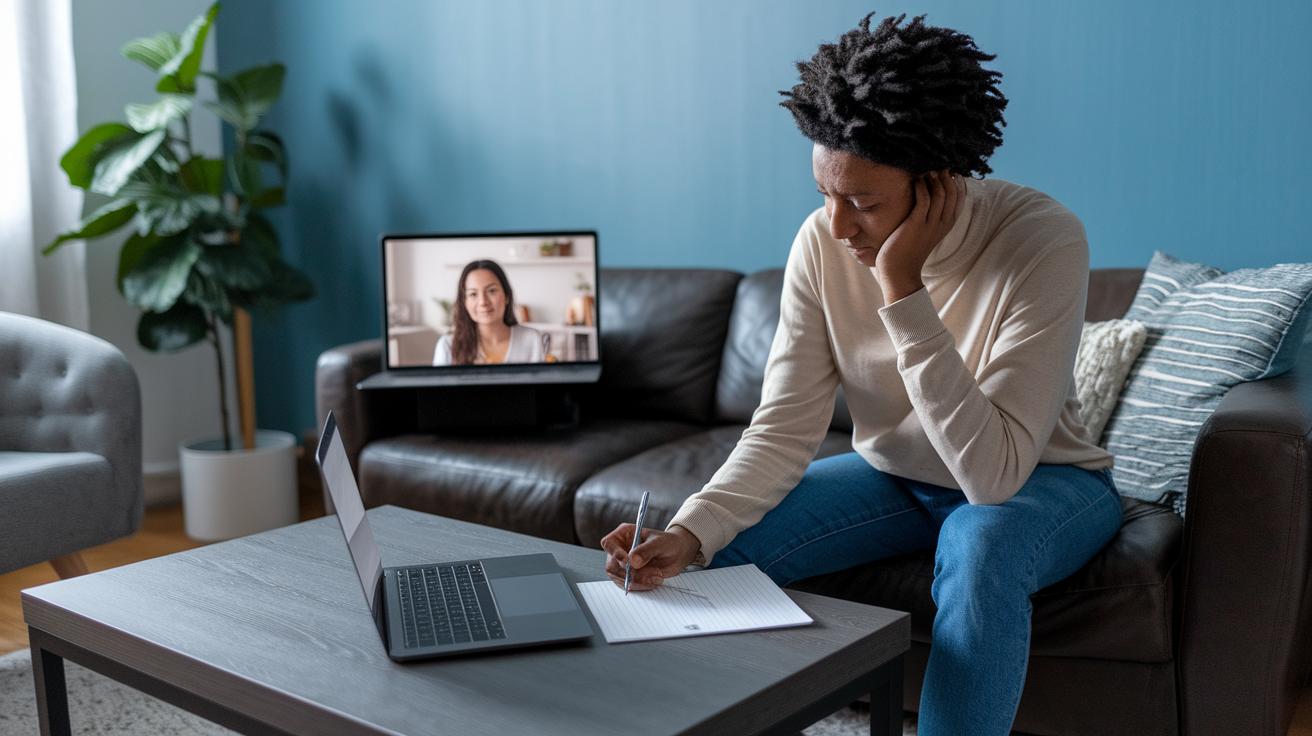
Many professionals turn to cognitive behavioral therapy (CBT) as a key way to handle anxiety. In CBT, you learn to spot and change thought patterns that trigger your anxious feelings. Studies show that when you challenge negative beliefs and use practical coping methods, your overall stress can drop. People often share that CBT not only gives quick relief but also helps them deal with everyday stress over time. Plus, doing homework and practicing new skills makes you feel like you're really making progress toward lasting calm.
Group support and teletherapy add extra help to these treatments. Joining group sessions can feel like being wrapped in a supportive community, where you see that others experience similar feelings. And if meeting face-to-face isn’t possible, teletherapy over the phone or video can be a real lifesaver. Some folks try creative or mindfulness sessions too, mixing them with CBT to find a routine that fits their lifestyle. These extra paths work well with one-on-one sessions, giving you options that suit your needs.
Sometimes, though, you might feel that what you've been doing isn’t enough to keep daily life running smoothly. If self-help tips or even individual sessions aren’t cutting it, it could be time to explore a more structured treatment plan. Health professionals can help design a care plan that might include checking your medications, more CBT routines, or other therapies that work well together. And having a community network to lean on can offer ongoing tips and encouragement while you work toward keeping anxiety at bay.
Final Words
In the action, we explored a wide range of anxiety remedies, blending natural paths with clinical insights. We looked at self-help methods like mindful breathing, balanced meals, herbal teas, and active movement. We even touched on quick fixes and professional support that can sweeten everyday practices. These anxiety remedies offer simple yet effective ways to feel calmer and boost overall well-being. Every small step builds on the next. Keep trying new techniques and enjoy the positive changes that arise every day.