Have you ever noticed how some people stay calm when everything around them feels hectic? Meditation and mindfulness are simple ways to clear your mind and enjoy the little moments. Picture taking a few deep breaths as a tiny break that lights up your day. In this chat, I'll share some easy practices that can turn a quick pause into a moment of peace. These tips are for anyone who wants to add a bit of calm to their daily routine and truly live in the now. Let’s see how focusing on those small moments can really boost how you feel.
Meditation and Mindfulness Techniques for Peaceful Living
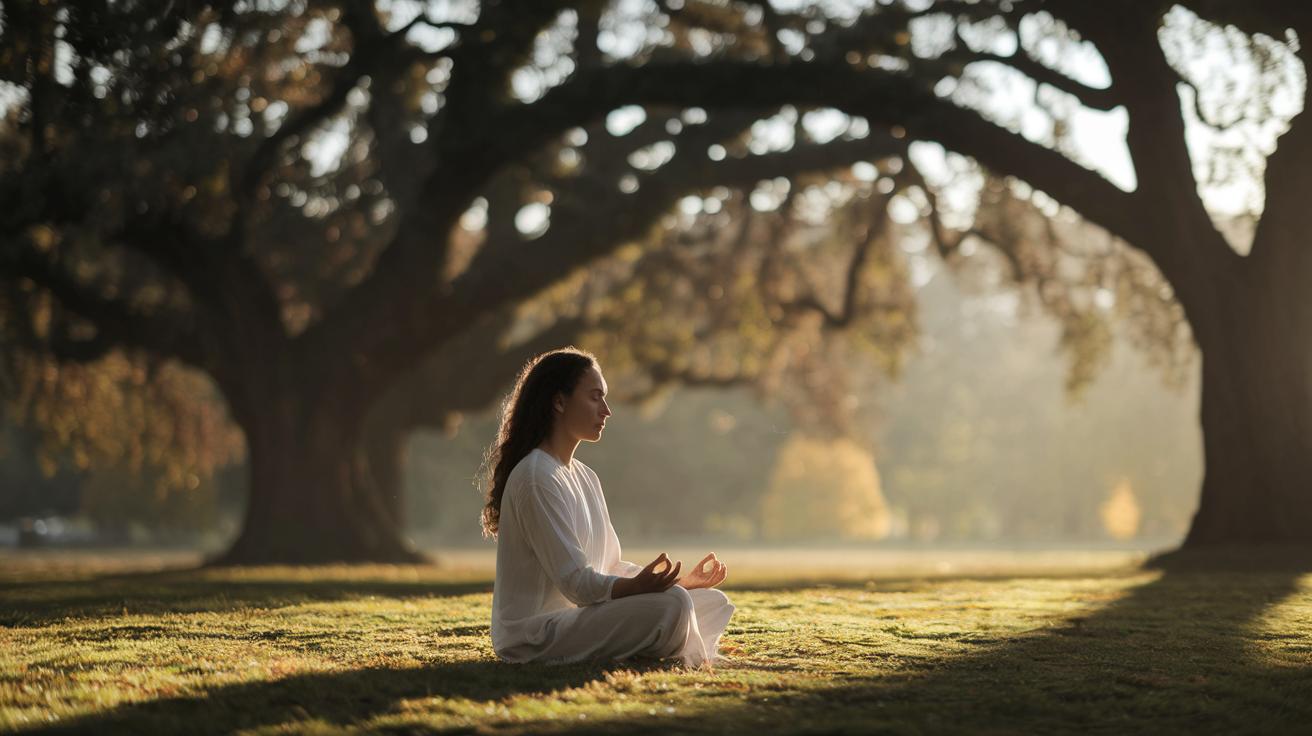
Mindfulness is simply being in the moment. It means you take notice of what’s happening right now, whether you're sipping your morning coffee or feeling the pavement under your shoes. Sometimes, you might pick up on small details, like the soft scent of a flower as you pass by, that you’d usually miss.
If you're just starting out, try keeping your sessions short. Begin with 5 to 10 minutes and, over time, work up to 45 or 60 minutes. Think of it like learning to play an instrument: a little practice each day can build into something really special without feeling too hard to manage.
Science tells us that being mindful can lower stress, balance your emotions, help you sleep better, and even aid in making clearer decisions. Just giving yourself a few moments to pause and refocus can make a big difference in how you feel.
Here are some simple techniques you might try:
- Mindful breathing
- Body scan meditation
- Walking meditation
- Mindful eating
- Progressive muscle relaxation
- Guided imagery
- Loving-kindness meditation
- The 5-4-3-2-1 sensory count
- 3-minute breathing space
- Simple visualization
Adding these ideas to your day can feel as natural as sprinkling a little salt on your food. Maybe start with a quiet walk or enjoy a mindful moment during a meal. Over time, these practices can weave into your daily life, helping you feel more balanced and at peace.
Fundamentals of Mindful Awareness in Meditation
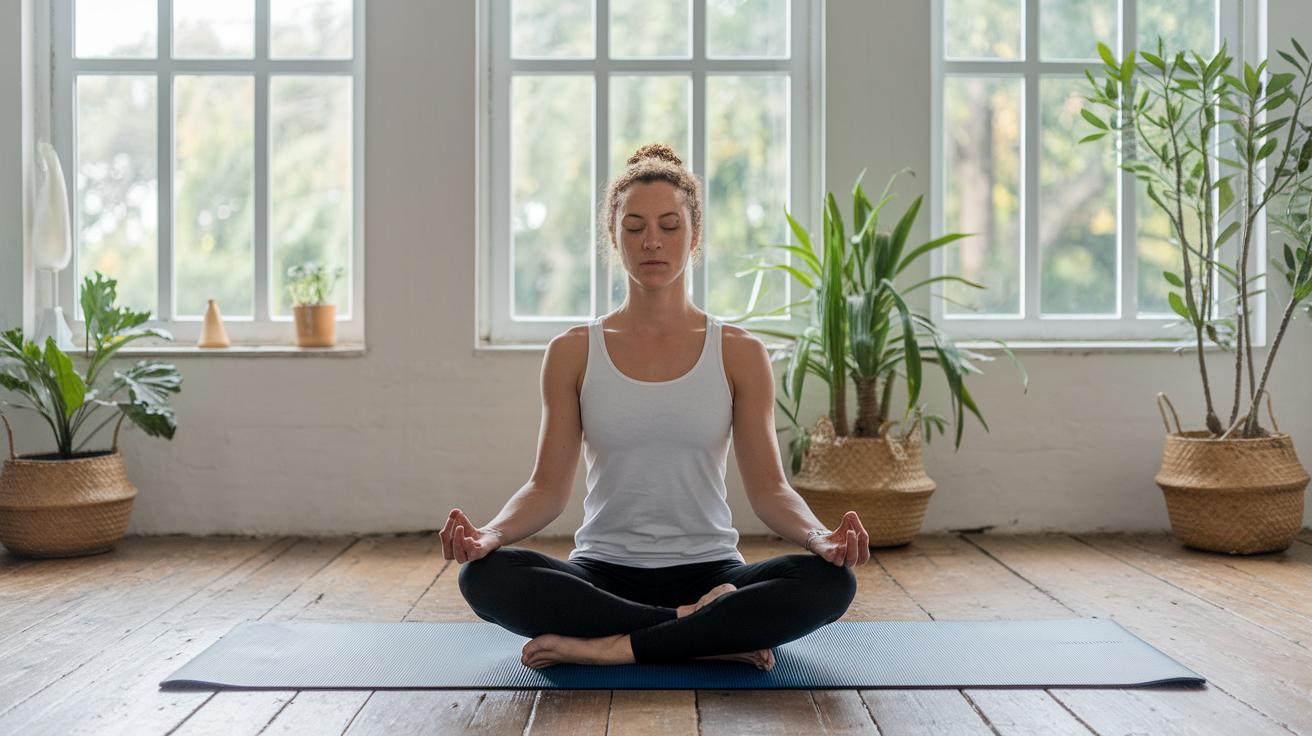
Mindful awareness means noticing your thoughts, feelings, and body signals without judging them. It trains your mind to settle down and be alert. Simple practices, like slow breathing, refresh both your body and your mind. Imagine it as a gentle tune-up you give yourself whenever you pause and check in.
Start by choosing a steady chair, cushion, or bench where you can sit with ease. Wear comfy clothes and set a timer if you like. This way, nothing distracts you while you focus on the here and now.
Sit with your back straight and your hands relaxed. A clear posture can help keep your mind calm and your breath steady.
Diaphragmatic Breathing
Breathe in slowly through your nose for four counts, hold for two counts, and then breathe out gently for six counts. As you do this, feel your stomach rise during the inhale and fall during the exhale. This method relaxes your body and soothes your busy thoughts. Next time you feel stressed, try this deep breathing exercise and notice how your tension fades away.
Box Breathing
Breathe in for four counts, hold for four counts, exhale for four counts, and pause again for four counts. This pattern sets up a balanced rhythm that sharpens your focus and eases stress. Picture each count as a building block that steadies your mind, one calm block at a time.
Basic Techniques for New Practitioners
Start with short sessions. Try meditating for 5 to 10 minutes twice a day, and add another 5 minutes each week until you reach about 30 to 45 minutes. If you want more details on this gradual buildup, check out the Meditation and Mindfulness Techniques for Peaceful Living section.
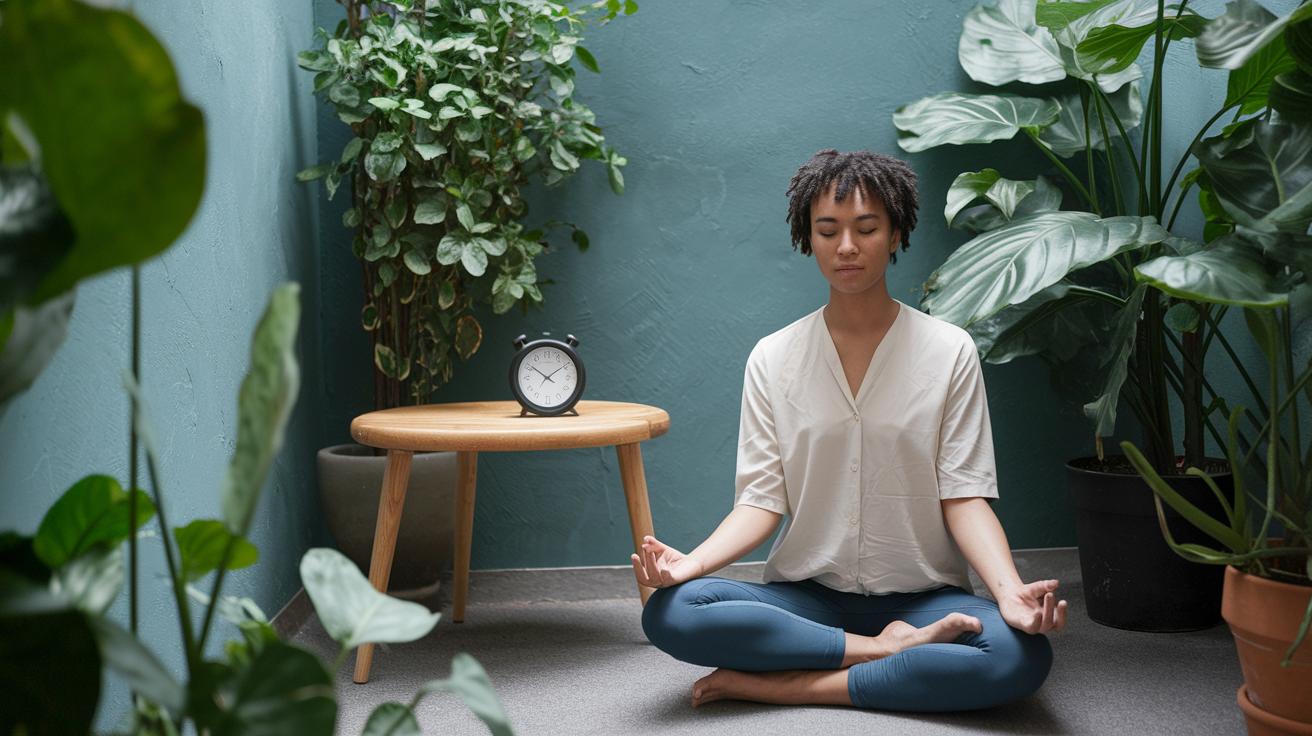
Pick a quiet spot where you feel at ease. It might be a cozy corner indoors or a peaceful place outside. A calm setting helps you focus better. Imagine sitting in a room where all you hear is the soft tick of a timer. For more on how this calm routine works, see the Fundamentals of Mindful Awareness in Meditation section.
Sit comfortably with your back straight and your hands resting lightly in your lap. You can choose a chair, a cushion, or a bench, whatever feels best for you. A steady posture helps you keep your breathing smooth and supports your overall relaxation. Check the earlier sections for extra tips on posture.
Keep your practice steady by setting a clear intention and using a timer to log your sessions. This kind of routine, with its gentle reminders and regular practice, really builds a good habit. You'll find more insights in the previous parts of the article.
Guided Relaxation Sessions and Resources
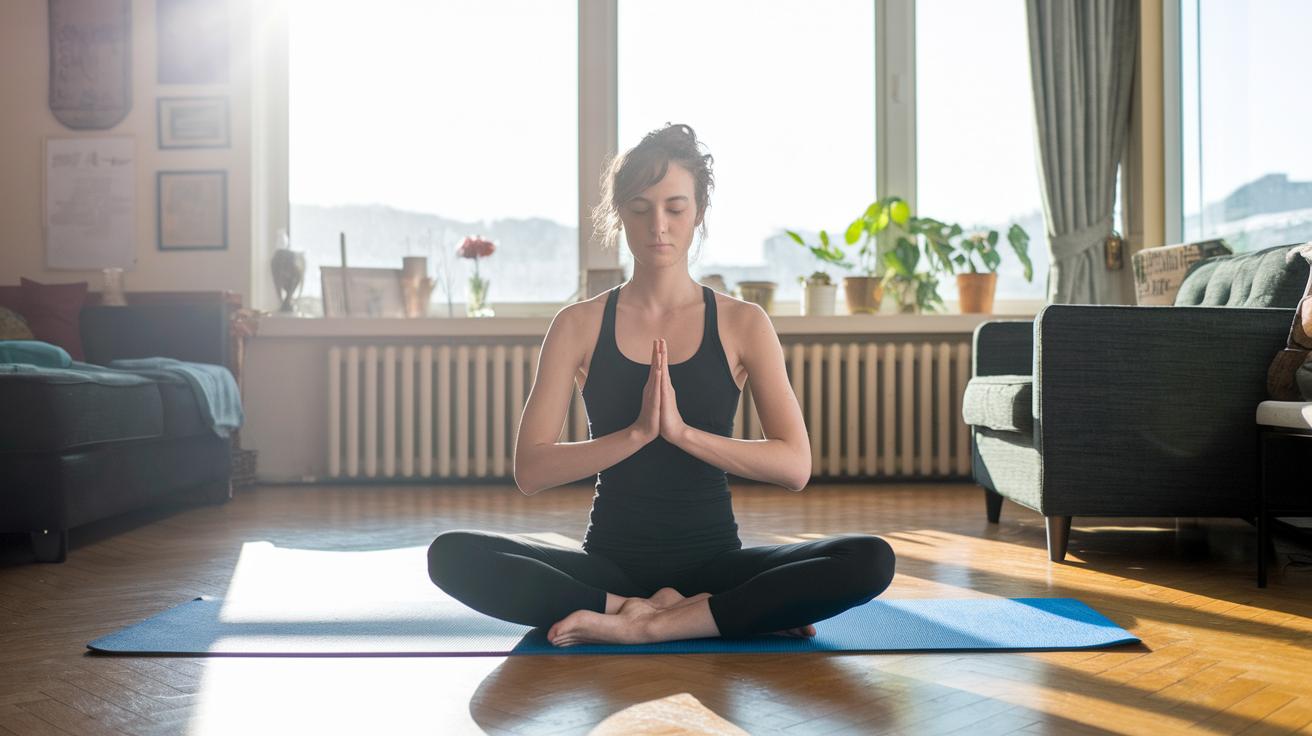
Many digital platforms today let you dive into meditation sessions even on the busiest days. For instance, you can listen to a 12-minute podcast that helps clear your mind and bring a wave of calm right when you need it. These tools mix soothing sounds with gentle prompts and clear instructions, so you can relax and lift your mood at home or while you're out and about.
If you enjoy learning at your own pace, self-paced courses and expert-led workshops are great options. They work with your unique schedule, letting you explore guided relaxation techniques gradually while building your confidence.
There are also helpful resources like toolkits and affirmation cards to give you extra support. Some kits, like the Positive Psychology Toolkit, include over 500 science-based exercises, questionnaires, and worksheets to boost your mental fitness. These encouraging sets are a friendly reminder to keep your mindfulness practice active throughout your day.
Mindful Movement and Integrative Approaches
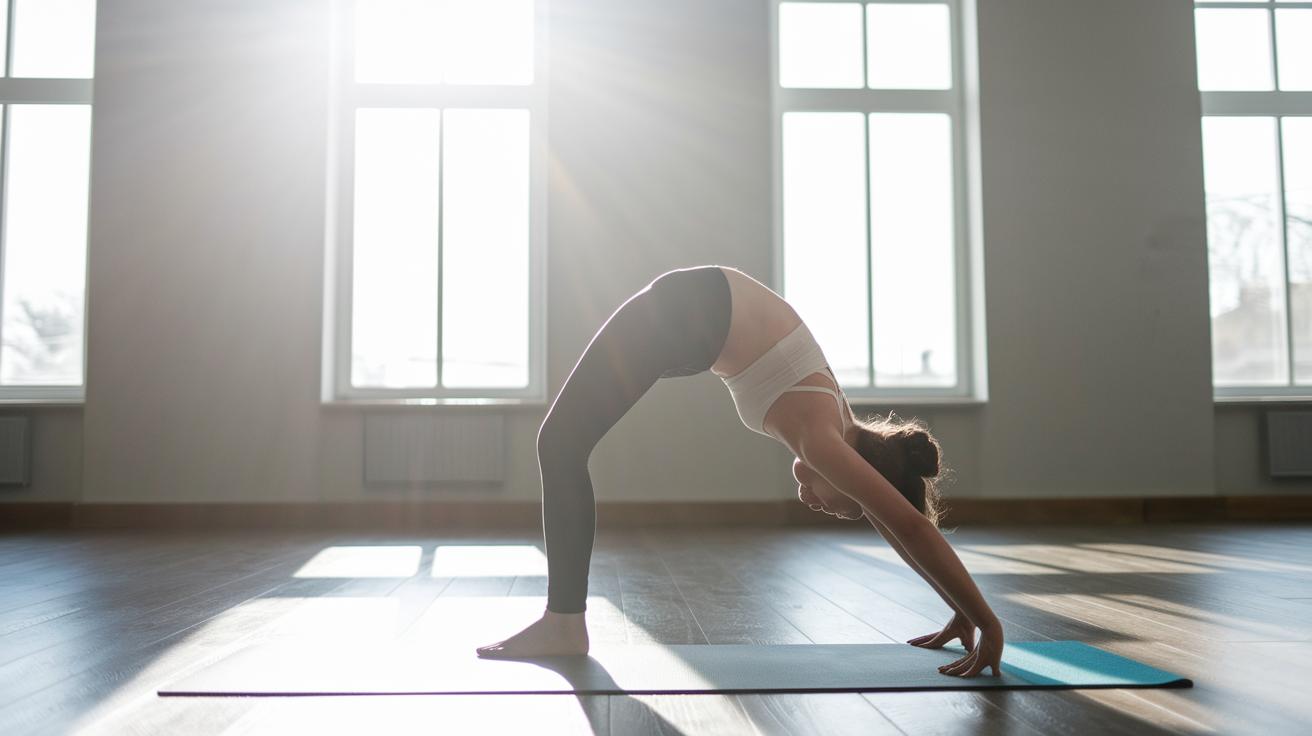
Mixing movement with mindfulness is a simple way to join gentle stretching with deep, calming breaths. When you try activities like yoga and Tai Chi, you not only improve your flexibility but also invite a refreshing calm into your day.
Yoga for Mindful Movement
Start with simple moves like the mountain pose to help you feel grounded. Then, slowly transition into a forward fold, letting your breath guide each step. Breathe in deeply as you stand tall and let your breath flow out when you lean forward. Keep your back straight and your shoulders easy. This routine wakes up your muscles and eases your feelings. Imagine every deep breath filling you with energy and every gentle exhale letting go of stress, bringing you balance and peace.
Tai Chi for Present-Moment Focus
Begin with a straightforward five-move flow: gently shift your weight from one foot to the other, take a slow side step, and add a mild twist of your torso. Let each move last a few seconds so you can feel each transition. This careful motion turns into a moving meditation that slowly eases stress while boosting your balance and focus. Picture every step as a little pause that clears your mind and eases tension.
Adding these exercises into your daily routine can feel really rewarding. Whether you spend a few minutes in the morning with a yoga session or unwind in the evening with a short Tai Chi routine, making mindful movement part of your day helps create a natural rhythm. This rhythm supports emotional balance and leaves you with a lasting sense of calm.
Advanced Strategies for Emotional Regulation and Resilience
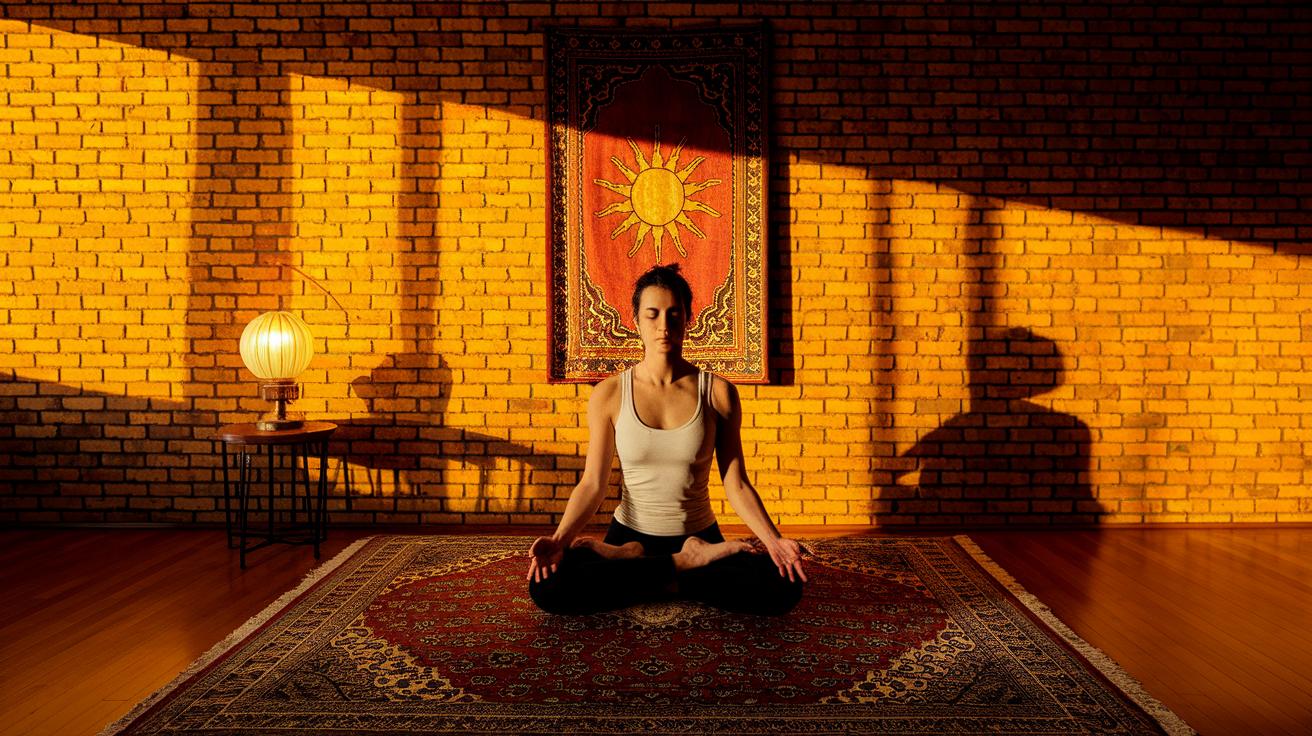
DBT teaches simple mindfulness steps that help our head and heart work together. This approach blends clear thinking with calm feelings, making it easier to choose thoughtful actions instead of reacting quickly to stress. Imagine tuning a radio to catch each sound perfectly without any noisy static.
Working with others can make these practices even better. In a 2007 study by Fleming and Kocovski, groups using mindfulness techniques experienced less social anxiety, much like traditional therapy does. Sharing these exercises with friends or peers creates a caring space that supports emotional ease.
Other research backs up the benefits of mindfulness too. A small 2014 study with 11 people found that regular mindful practice led to fewer signs of depression. This shows that even a few mindful moments each day can boost your mood and help balance your emotions.
Try this simple exercise: sit quietly for a few minutes and let your thoughts pass by without judging them. Notice how this brief pause can act like a reset for your mind and bring a little calm to your day.
Final Words
in the action, we explored hands-on ways to bring everyday calm into our routines. The post walked through quick meditation and mindfulness techniques that bolster both mental clarity and physical stillness. We looked at starting sessions with guided practices and gentle movement to boost energy and mood.
Simple steps like mindful breathing and body scans remind us that care for oneself comes in small, meaningful actions. Enjoy putting these tips into practice and feel the positive shift in your overall well-being.
FAQ
What do mindfulness exercises PDFs offer?
The mindfulness exercises PDFs provide clear, step-by-step guidance for quick practices, including brief exercises such as a 2-minute mindful breathing routine to help ease stress and center your thoughts.
What is the difference between mindfulness and meditation?
Mindfulness means being fully present during daily activities, while meditation is a more structured, seated practice that focuses on calming the mind, both supporting mental clarity and balance.
How does practicing mindfulness help with anxiety?
Practicing mindfulness for anxiety involves gently focusing on your breath and noticing thoughts without judgment, which calms your mind and helps reduce anxious feelings throughout the day.
What does mindfulness meditation for beginners involve?
Mindfulness meditation for beginners typically starts with short sessions of focused breathing and guided exercises that encourage you to be present, making it easier to build a regular, calming practice.
How can adults benefit from mindfulness exercises?
Mindfulness exercises for adults include tools like guided body scans and gentle movement practices, which help reduce stress, improve concentration, and support a balanced emotional state during busy days.
How do you practice mindfulness in daily life?
Practicing mindfulness in daily life means fully engaging in everyday activities like eating, walking, or simply breathing, by keeping your attention on the present moment and accepting your thoughts without judgment.
What are the 5 basics of mindfulness practice?
The 5 basics of mindfulness practice are paying attention to your thoughts and feelings, remaining present, accepting each moment, returning gently to your focus when distracted, and letting go of judgment.
What are common mindfulness meditation techniques?
Common mindfulness meditation techniques include mindful breathing, body scan, walking meditation, and guided imagery, each designed to help you focus on the present moment and soothe your mind.
What are the 5 R’s of meditation?
The 5 R’s of meditation serve as a simple guide: recognize when your mind wanders, allow distractions to pass, gently refocus your attention, and resume your practice to maintain presence during sessions.
What are the 3 C’s of mindfulness?
The 3 C’s of mindfulness include concentration, which helps keep your focus; compassion, encouraging a kind attitude toward yourself; and curiosity, promoting an open exploration of your experiences.
What are the 7 principles of mindfulness?
The 7 principles of mindfulness focus on being patient, nonjudgmental, accepting each moment, staying curious, keeping an open mind, trusting your feelings, and maintaining a beginner’s attitude during your practice.