Ever feel like anxiety is taking control of your day? Cognitive Behavioral Therapy might be just what you need. It helps turn those overwhelming, negative thoughts into small, manageable steps that ease your mind. Studies even show that after just a few sessions, you could notice a real sense of relief. In our chat, you'll see how tweaking your thought patterns can bring fast, lasting comfort without the need for medication. Give these simple techniques a try to quiet your mind and build up a steadier, calmer self.
How Cognitive Behavioral Therapy Treats Anxiety Disorders

CBT, or Cognitive Behavioral Therapy, helps you manage anxiety by showing you how to spot and change negative thoughts. It teaches you to interrupt those worry cycles and to back off from avoiding your challenges, all without medication. For instance, when you're feeling stressed and a negative thought takes over, you might remind yourself, "I can handle this," which can really ease the tension.
Research over many years shows that CBT works. In fact, studies point out that some people see improvements in as little as eight sessions. That gives you a great sense of trust and safety in using CBT to face anxiety.
The therapy is short-term and focused on the present, giving you clear, everyday skills to reduce anxiety. In a typical program, you'll practice simple techniques that you can use on your own, outside of sessions. By learning to catch anxious thoughts and swap them for more balanced ideas, you'll start to feel better quickly and build strategies that help in the long run.
Core CBT Techniques for Anxiety Disorder Management

CBT is built on structured activities that help you change anxious thoughts into actions you can manage. When you practice these steps regularly, you start feeling more confident in transforming worry into calm. It is like building a toolbox that supports you between therapy sessions.
- Cognitive restructuring helps you turn automatic negative thoughts into balanced and helpful ideas.
- Psychoeducation on anxiety symptoms explains what anxiety does to your body and mind so you can tackle it better.
- Pattern tracking of thoughts and behaviors lets you notice triggers that spark your anxiety.
- Thought stopping uses a quick phrase or mental picture to pause a spiraling anxious thought.
- Challenging negative beliefs by checking evidence encourages you to question whether distressing thoughts are really true.
- Gradual exposure to feared situations slowly introduces you to things that typically make you anxious, helping you build confidence.
- Problem solving to assess behavioral outcomes guides you in spotting and changing habits that worsen your anxiety.
- Behavioral activation helps you find fun activities that lift your mood when you are feeling low.
- Relaxation training, like deep breathing or muscle relaxation, eases physical tension and calms your mind.
- Journaling with thought records allows you to write down your feelings and triggers, so you can see progress over time.
Practicing these techniques every day, along with guidance from a caring therapist, creates a strong base to manage anxiety. Regular use of simple exercises at home, like self-help worksheets, builds a lasting change. With steady practice, you become more resilient and ready to handle challenges with ease.
Structure of CBT Sessions for Anxiety Disorders

In a typical CBT program for anxiety, you work with your therapist over 8 to 12 weekly sessions that last about 50 to 60 minutes each. During these meetings, you set goals and learn practical skills to help manage anxiety. Think of it as having a clear, step-by-step guide that helps you change your habits and ease your worries.
| Session Number | Duration | Focus |
|---|---|---|
| Session 1 | 50–60 minutes | Clinical history, goal setting, confidentiality, and an intro to CBT |
| Sessions 2–4 | 50–60 minutes | Learning skills like keeping thought records and building exposure steps |
| Sessions 5–8 | 50–60 minutes | Practicing these skills, solving problems, and planning to avoid setbacks |
| Booster Sessions | 50–60 minutes | Follow-up sessions at 1, 3, and 6 months to keep up your progress |
| Telehealth Alternatives | 50–60 minutes | Online sessions that use the same strategies as in-person meetings |
Between sessions, you might be asked to complete worksheets or keep a thought record, a simple way to track your progress and help your therapist see what’s working best for you. This homework reinforces the skills you learn during your sessions and gives you a chance to try out new ways to handle anxiety in everyday life.
Digital and Self-Help Tools in CBT for Anxiety Disorders
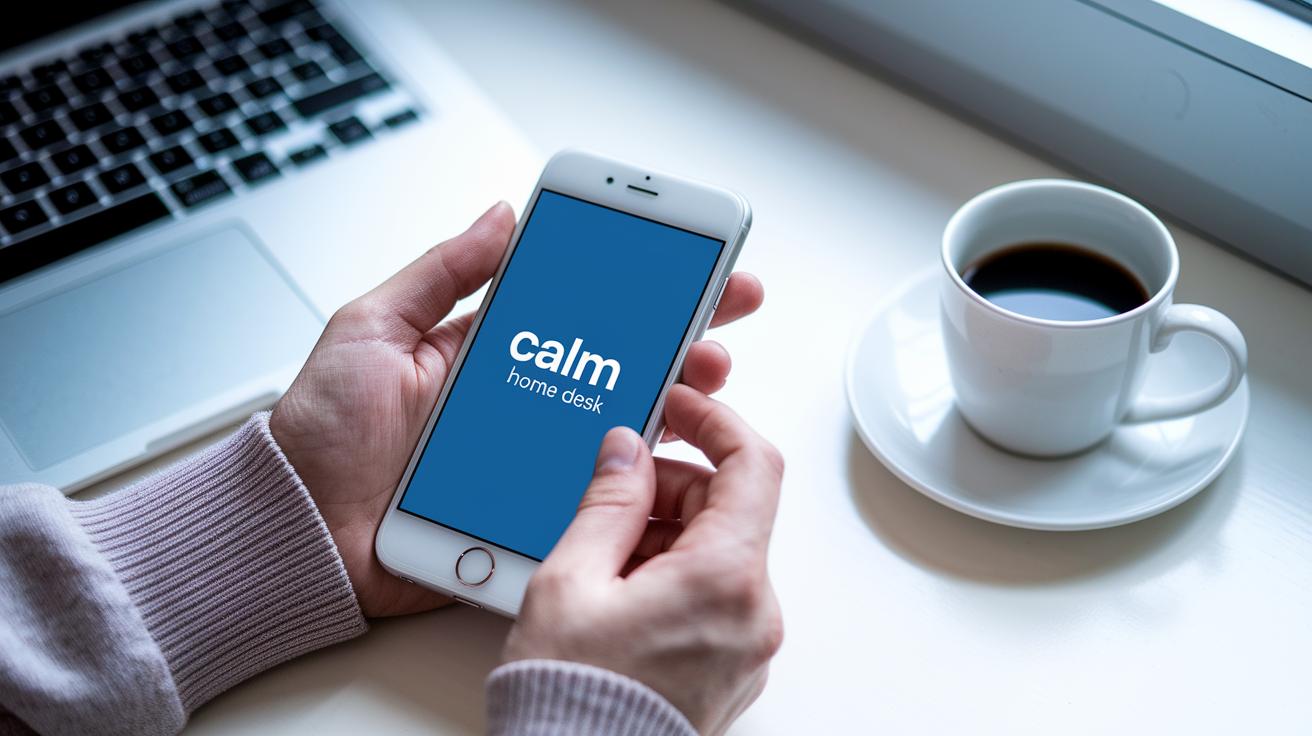
Digital mental health tools are growing all the time. More and more people are trying out online resources that help ease worry, track anxiety, and offer tips for calming nervous feelings. It’s really simple now to get support when you need it, thanks to mobile technology.
Many digital CBT tools approved by the FDA now help with issues like general anxiety and trouble sleeping. Apps like Sanvello, Happify, and Wysa offer easy exercises, thought records, and ways to keep an eye on anxious thoughts. Telehealth services have added similar tools, with features like forms to check symptoms and live video chats with professionals. These services often come with digital tests that help track your anxiety with real-time feedback.
Using self-guided digital tools with CBT can really boost what you learn during therapy. With regular use of apps and online worksheets, you can see how well you’re doing and tweak your plans if needed. This steady, hands-on support makes it easier to handle anxiety day by day.
Evidence and Outcomes of CBT in Anxiety Disorder Treatment

Research tells us that about 60 to 80% of people feel noticeably less anxious once they start CBT. Many even keep making progress at check-ups after 6 and 12 months. This shows that CBT really works to help you manage anxiety and take back control of everyday challenges.
Studies also show that CBT can work as well as or even better than some antidepressant drugs for things like generalized anxiety, panic disorders, and social anxiety. Even digital CBT, where you connect online, has been found to be just as effective as traditional face-to-face therapy. When you take part in guided exercises and learn useful techniques, you might notice a big change. It’s a steady way to turn worry into real progress, making CBT a strong choice for lasting relief without relying on medication all the time.
Many therapists also use tools to track how well you’re doing. For example, they might use the GAD-7, the Beck Anxiety Inventory, or the SUDS (that's the Subjective Units of Distress Scale). These simple checklists help show improvements in your daily life and reassure that the techniques are really working for you.
Adapting CBT for Specific Anxiety Disorders
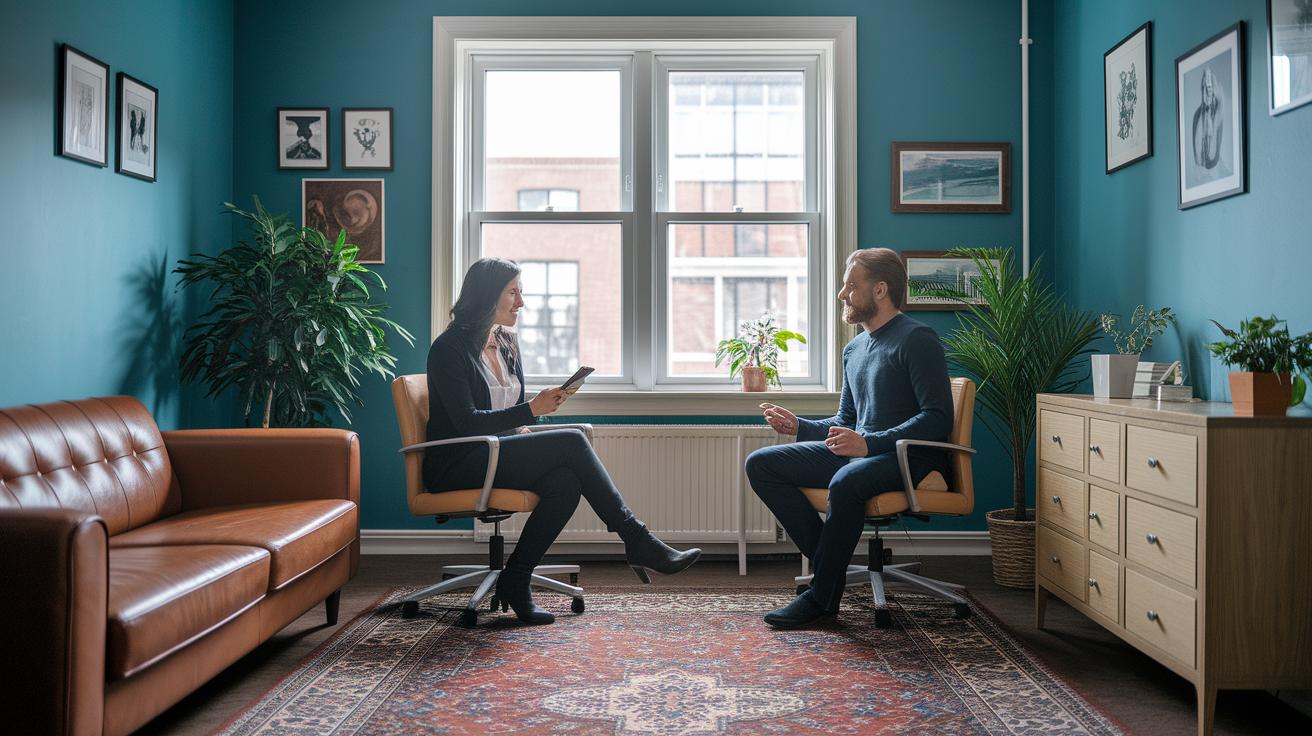
When it comes to specific fears like being scared of dogs or spiders, Exposure Therapy offers a gentle, step-by-step way to face these fears. Over 9 to 12 weekly sessions lasting about an hour or two each, you slowly meet what scares you in a safe setting. For instance, if a dog makes you nervous, you might start by looking at pictures and then move on to meeting a calm, friendly pup in person.
For those dealing with obsessive thoughts and the urge to act on them, Exposure and Response Prevention (ERP) is a trusted method. In these sessions, you work on facing upsetting thoughts without giving in to the compulsions that follow. The idea here is to break the cycle and help you feel more in control over time.
If social situations make you anxious, CBT often uses role-play exercises and group activities to build up your confidence. These sessions work like a practice run for real life, letting you try out conversation skills in a relaxed environment. It’s a bit like rehearsing for a play, where you learn to enjoy being around people without the fear of judgment.
When you worry a lot throughout the day, worry scheduling might be a helpful tool. With this technique, you set aside a specific time to think about your worries instead of letting them take over your day. This way, you gain a sense of relief and a better handle on your thoughts. Often, this strategy comes with extra tips to also ease feelings of depression.
For those who struggle with both anxiety and depression, a combined approach using CBT can be very effective. By integrating techniques like worry scheduling and simple daily activities that boost mood, you learn to manage negative thoughts and lift your spirits at the same time. This balanced method encourages a steadier, healthier routine for your overall well-being.
Finding and Engaging with a CBT Therapist for Anxiety Disorders

Start by looking for therapists who have the right certifications from well-known organizations. When a therapist has earned these credentials, it shows they follow strict guidelines to help manage anxiety using methods like cognitive behavioral therapy (a way to change unhelpful thoughts to improve your feelings). This can help you feel more sure they know what they’re doing.
Next, check out trusted directories and ask for recommendations from people you trust, like your insurance company or doctor. Local listings and insurance networks often include therapists who use proven, structured methods. You can also try online platforms that offer one-on-one or group sessions. These options help make therapy more available, fitting into your busy schedule. Look for reviews and ratings to find someone who is both caring and effective. And don’t hesitate to ask friends, family, or your primary care doctor for advice.
In your first session, you’ll likely share your personal history, set clear treatment goals, and agree on how you’ll work together. This meeting is a great time to see if you feel comfortable and to learn how your progress will be tracked and tailored to meet your needs.
Final Words
In the action, this post broke down how CBT shifts harmful thoughts and behaviors to ease anxiety. It highlighted core techniques, session structures, and digital tools that make managing anxiety feel more attainable.
The blog explained how practical, research-backed steps can make a difference. With cognitive behavioral therapy anxiety disorder as a focus, it’s clear that simple strategies can support better balance and wellness. Keep these tips in mind, and feel confident that small, steady steps can lead to noticeable improvements in well-being.
FAQ
Frequently Asked Questions
Where can I access a CBT for anxiety PDF?
A CBT for anxiety PDF serves as a handy guide that outlines key therapy principles, offers worksheets, and provides examples of techniques to manage anxiety effectively.
What are common CBT techniques for anxiety?
Cognitive behavioral therapy techniques include identifying negative thoughts, practicing relaxation methods, and using gradual exposure to anxiety triggers to help reduce worry and change behavior.
How does a Cognitive Behavioral Therapy PDF benefit users?
A Cognitive Behavioral Therapy PDF acts as a practical resource that clearly explains therapy methods and offers self-help exercises, making it easier to understand and apply anxiety management strategies.
What are some CBT examples for anxiety management?
Cognitive behavioral therapy examples include thought tracking, challenging negative beliefs, and exposure exercises, each of which helps break the cycle of anxiety and build more positive mental habits.
How do cognitive behavioral treatments address anxiety and stress-related disorders?
Cognitive behavioral treatments adjust negative thought patterns by teaching new, healthier strategies. This approach reduces symptoms of anxiety and stress-related disorders while improving daily function.
How do CBT worksheets assist in managing anxiety?
CBT worksheets offer structured exercises to track thoughts, challenge worries, and practice relaxation techniques. They turn therapy into a practical, interactive process that supports anxiety management.
How does CBT help with anxiety and depression?
CBT for anxiety and depression works by targeting and changing negative thought patterns, helping individuals build practical skills that reduce symptoms and encourage positive, healthier behavior.
What do scholarly articles reveal about CBT for anxiety?
Scholarly articles on CBT for anxiety reveal that structured therapy methods significantly reduce symptoms, with research consistently supporting its effectiveness across various anxiety and stress-related disorders.
Can cognitive behavioral therapy help anxiety?
Cognitive behavioral therapy helps anxiety by teaching you how to identify and change unhelpful thought patterns, replacing them with strategies that ease worry and improve emotional control over time.
How long does it take for CBT to work for anxiety?
Cognitive behavioral therapy usually shows noticeable improvements in anxiety symptoms within about eight sessions, though individual progress can vary according to personal commitment and specific needs.
What is a common CBT technique for anxiety disorders?
A common CBT technique is cognitive restructuring, which involves recognizing negative, automatic thoughts and gradually replacing them with more balanced viewpoints that reduce anxiety.
How can you explain CBT to clients?
Explaining CBT to clients involves describing it as a practical approach focused on teaching skills to change negative thoughts and behaviors, making it easier to manage and reduce anxiety symptoms.