Have you noticed that when things get stressful, your body sometimes sends a message? Muscle tightness, mood swings, and changes in sleep or appetite can be gentle hints that stress is building up.
When you pay attention to these signs, you can take simple steps to care for yourself. Even the smallest signal can give you the power to feel more in control no matter what challenges come your way.
Stress Symptoms Explained: Understanding Indicators
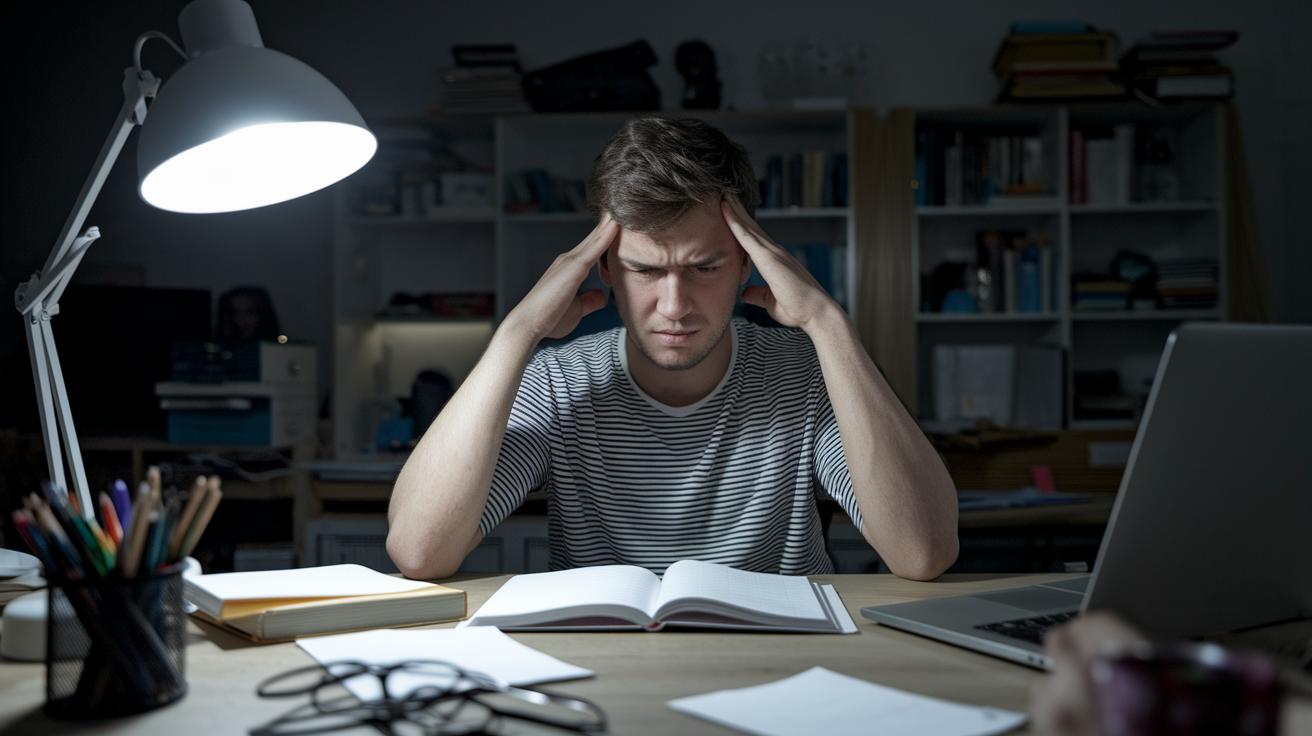
When life's challenges come up, your body gets ready by turning on its fight-or-flight mode. It does this by releasing hormones like adrenaline and cortisol (these hormones help you react quickly), so you feel that sudden burst of energy, kind of like when an unexpected moment at work pumps you up before you even realize what’s happening.
Stress can feel either motivating or overwhelming. Eustress, the positive stress, can spark that excitement you feel before a big presentation, giving you the boost to do your best. On the flip side, distress can leave you feeling tired and weighed down after hard times, such as work pressure, job loss, money worries, or caring for someone who is ill. Ever notice how a quick surge of energy before a game feels much different from that heavy exhaustion after a long day? That contrast shows the two faces of stress.
In this article, we’ll explore three main types of stress signs: physical, emotional or mental, and behavioral. For example, muscle tightness, headaches, or an upset stomach are physical signs. Mood swings and trouble focusing are clues from your emotions or mind. And changes in how you eat, sleep, or interact with others are behavioral hints. We’ll dive into each one with clear, everyday language to help you spot these signs and take better care of yourself.
Physical Stress Symptoms: Recognizing Bodily Signs
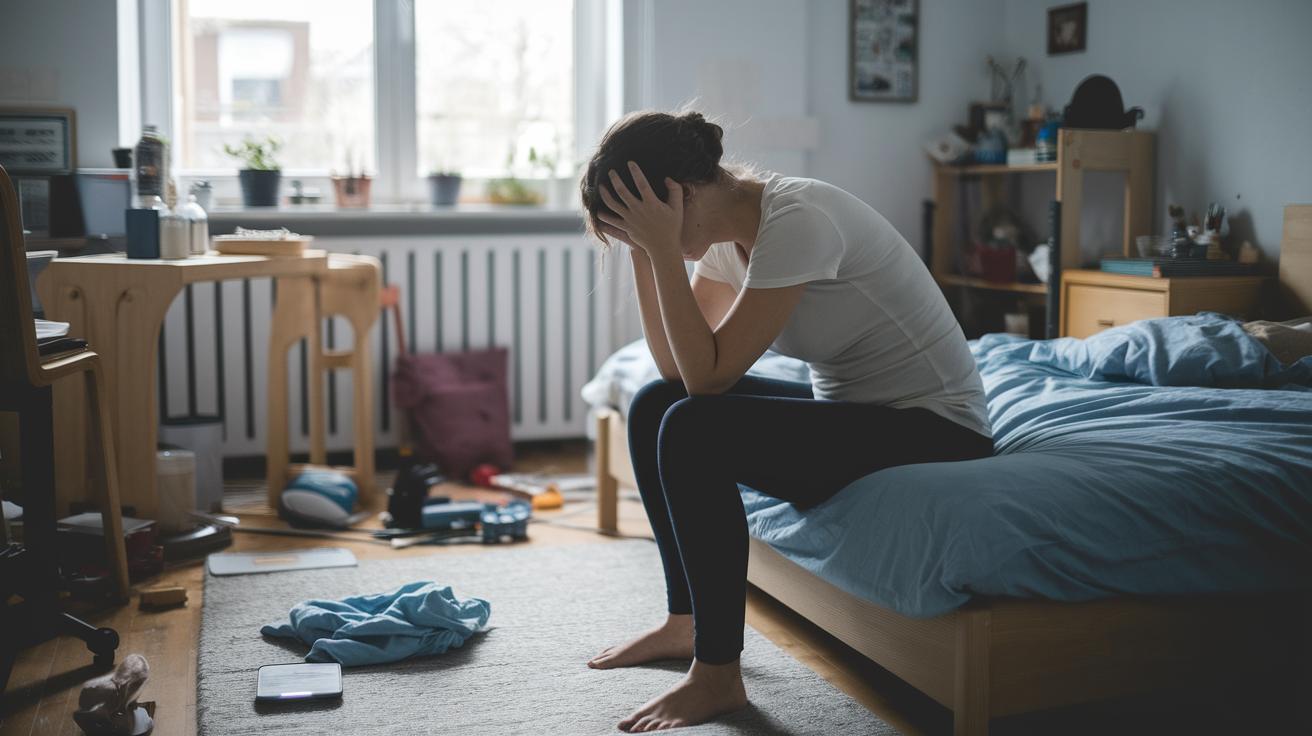
When stress builds up, your body gives you a nudge that something isn’t right. You might feel worn out or notice little changes that signal too much tension. Spotting these hints early can help you take steps to relax and find your balance again.
- More hair falling out when your hair is in its resting phase
- Belly pain, heartburn, nausea, diarrhea, or even constipation
- Sore, tight muscles in your neck, back, and shoulders
- Dry mouth that sometimes makes swallowing tough
- Lasting pain in your jaw, ears, or head
- Occasional lightheadedness or dizzy spells
- A tight chest that just doesn’t feel comfortable
- A fast-beating heart paired with deep exhaustion
These signals occur because your body remains on high alert for too long. When stress sticks around, it keeps your fight-or-flight response switched on, leading to changes that can wear you down over time. By noticing and addressing these signs, you’re taking the first step toward building up your strength and finding a bit of peaceful relief.
Emotional and Cognitive Stress Symptoms
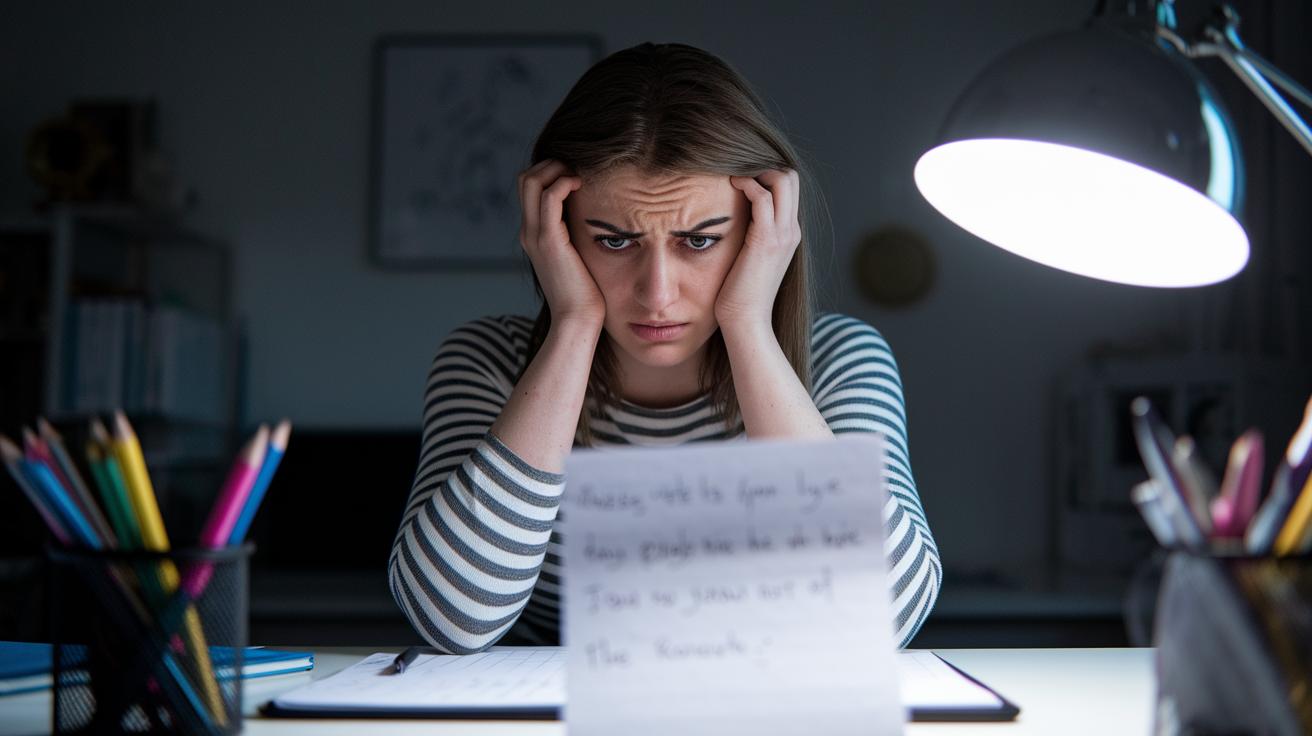
Stress can hit your emotions hard and make your mood shift quickly. You might feel grumpy or unexpectedly down for no clear reason. Sometimes even a small request from someone close can feel too much. Notice when you're feeling extra low or easily annoyed.
Stress can also fog up your mind. It might leave you struggling to remember things or focus on even simple tasks. Imagine sitting down to read a note and suddenly the words just slip away. It's like walking through a thick mist that blurs your thoughts.
Often, how you feel and think mix together. When emotional tiredness makes your mind fuzzy, everyday tasks can seem more difficult. Paying attention to these signs can help you notice stress before it starts to overwhelm you.
Acute vs. Chronic Stress Symptoms: Immediate and Long-Term Reactions
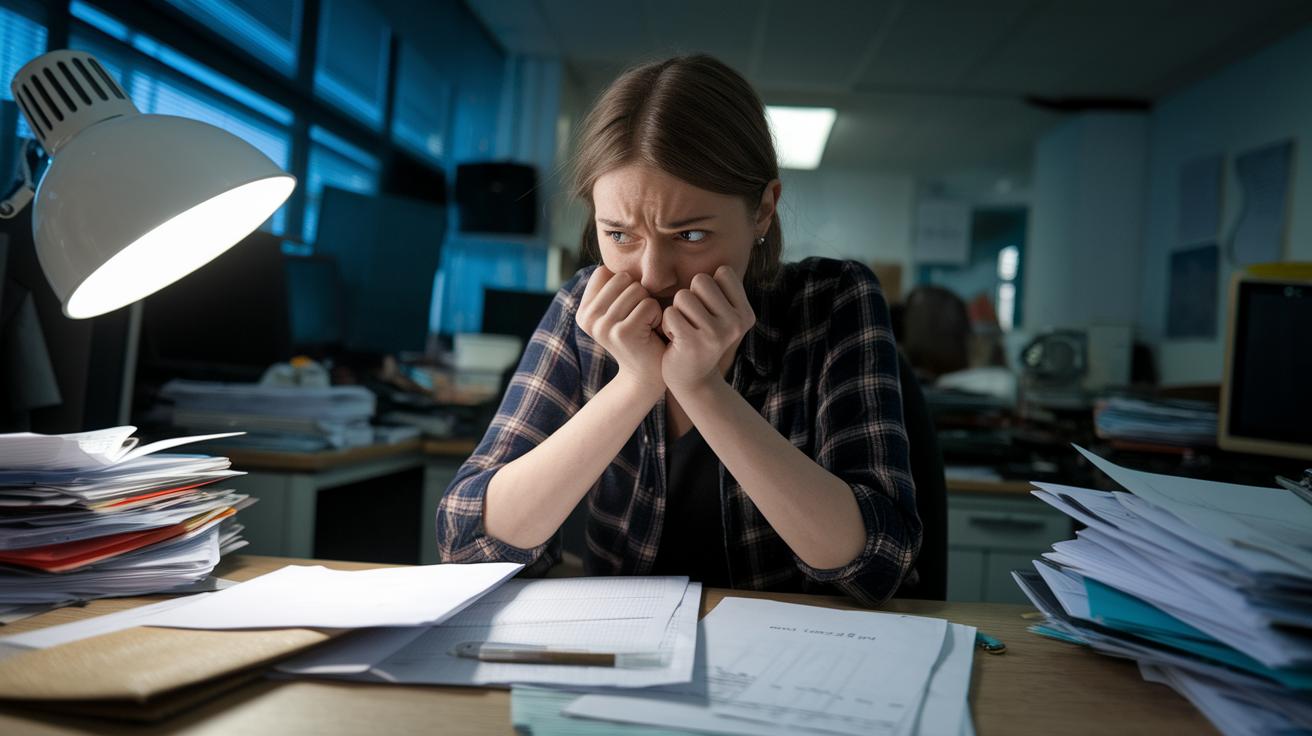
When you face a sudden challenge, your body jumps into action right away. It releases a burst of adrenaline that makes your heart beat faster and sharpens your focus. You might feel a quick surge of energy or a flash of anxiety, like when you narrowly miss an accident. Once the situation passes, these feelings usually fade and your body settles back to normal.
Chronic stress builds up over time. Instead of a quick burst, your body releases cortisol steadily. This continuous flow can raise your blood pressure, keep your muscles tense for long periods, and even upset your digestion. Imagine always carrying a heavy weight that stops you from ever fully relaxing. Over time, this constant stress can lead to more serious issues for your body and mind.
| Type | Onset | Duration | Key Hormonal Response |
|---|---|---|---|
| Acute Stress | Seconds to minutes | Up to hours | Adrenaline surge |
| Chronic Stress | Weeks to years | Persistent | Elevated cortisol |
Behavioral Stress Symptoms: Noticeable Changes in Actions
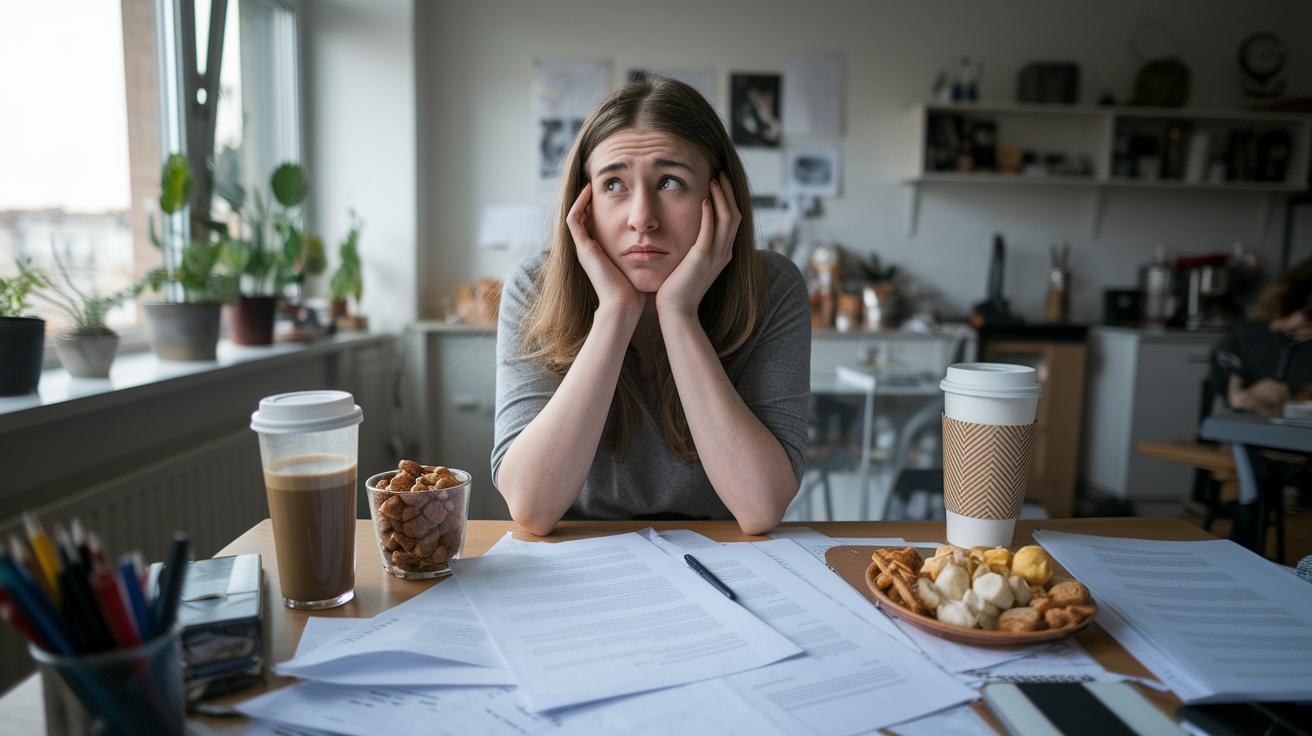
Stress can really change your everyday routine. One day you might find yourself eating a lot more, and on another day, you barely feel hungry at all. Sometimes, you reach for a snack just out of habit instead of real hunger. This is often your body’s way of handling too much tension.
You may even notice that little things, like taking time to care for yourself, start slipping away. It could be that you miss meals because your mind is busy with worries, or you find it hard to resist extra caffeine or sugary treats when you need a quick boost.
Sleep might also get disrupted. You could be tossing and turning at night, or even sleeping too much on the weekends. Either way, these changes can leave you feeling tired the next day. And when you start pulling back from friends or sticking to unhealthy routines, it’s a clear signal that stress is affecting your whole lifestyle.
Taking note of these changes is a good first step in understanding how stress impacts your body and daily habits.
stress symptoms: Feel Empowered, Stay Resilient
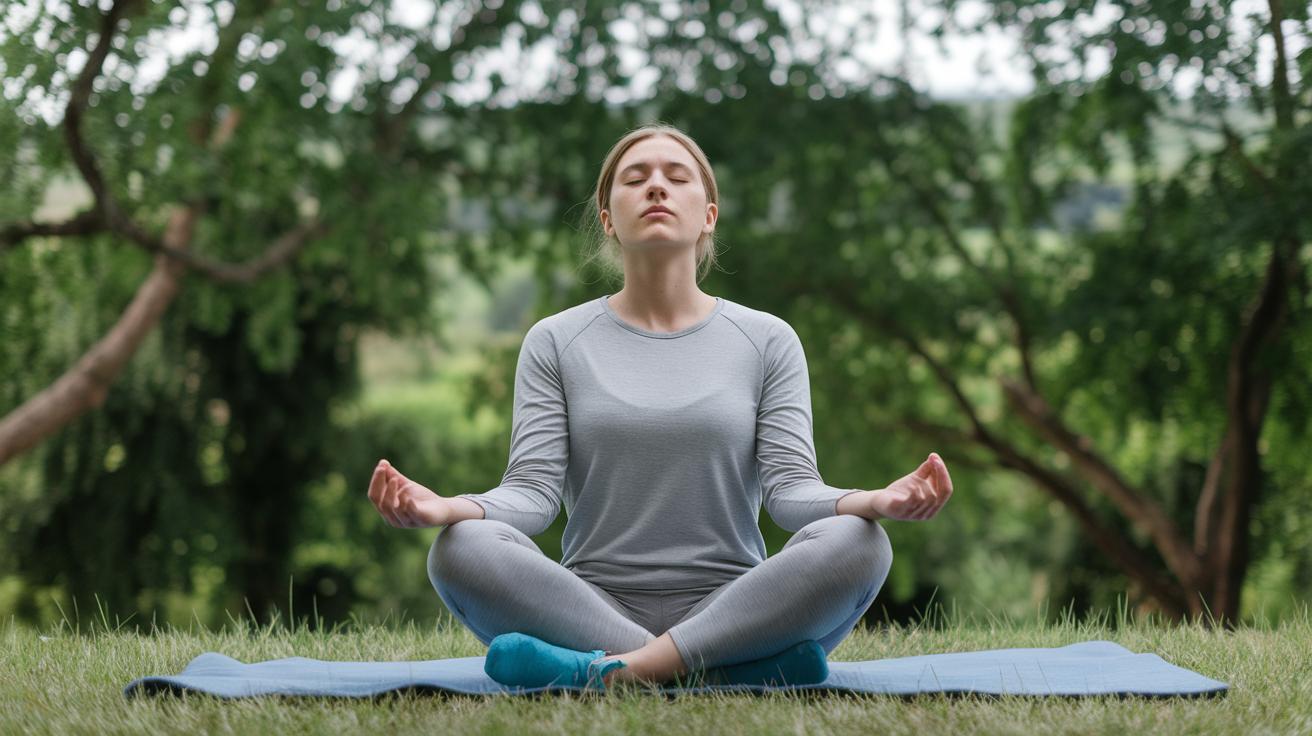
Keeping track of your stress signals and tweaking your daily habits can really help you stay balanced. When you feel tired all the time or notice changes in your appetite, you'll know it's time to adjust before stress takes over. By checking in with both your body and emotions, you become more in tune with what your mind and body need. Regular self-checks let you spot early warnings and take steps to feel better.
Lifestyle Practices for Symptom Management
Eating well, drinking plenty of water, and doing regular exercise like walking, running, or swimming help ease stress. Try simple mindfulness activities like deep breathing or meditating to calm your thoughts. Spending a few quiet minutes each day enjoying nature, reading a book, or doing something creative can make you feel more grounded. And don’t forget, leaning on friends or loved ones for support always lifts your spirits. These small changes work together to bring back balance and strengthen your resilience.
Digital Tools and Professional Support
Using a symptom tracker app can make a big difference. Apps like the one at https://medsfax.com?p=895 help you jot down both physical and emotional changes every day so you can see patterns as they develop. With regular updates, you can even set reminders for when you might need a little extra care. And if these signs stick around or get worse, it might be time to chat with a healthcare professional. Keeping track not only helps manage stress but also gives you a sense of control, guiding you gently toward feeling empowered and well.
Final Words
In the action, our article broke down indicators of stress into clear sections. We covered bodily signs, emotional hints, and changes in behavior. We also compared quick reactions and longer-lasting tension while providing simple tips for staying aware. Each part aimed to help you identify what your body might be telling you. Take these insights as a nudge to practice small self-care steps and gentle exercise for better living and fitness. Remember, simple steps can make a big difference in how you handle stress symptoms.
FAQ
What are the physical symptoms of stress, including chronic signs and signs leaving the body?
The physical symptoms of stress can include headaches, muscle tension, stomach issues, fatigue, and chest tightness. Prolonged stress may also show as a rapid heartbeat and persistent aches.
What are the common stress symptoms in women and signs of anxiety too?
The symptoms of stress in women often present as headaches, sleep changes, digestive problems, and mood swings. Anxiety can also add feelings of nervousness and restlessness to these signs.
What stress symptoms do men experience?
The stress symptoms in men may include irritability, difficulty sleeping, high blood pressure, and muscle tension. They might also display altered behaviors like social withdrawal or impatience.
What are the emotional symptoms of stress?
The emotional symptoms of stress include feelings of overwhelm, irritability, mood shifts, and anxiety. These signs can also lead to difficulty concentrating and a general sense of mental fatigue.
What causes stress?
The causes of stress range from work pressure and financial strains to personal conflicts or unexpected life changes. These triggers stimulate the body’s stress response and affect one’s overall well-being.
Can stress make you sick?
The idea that stress can make you sick holds true. Prolonged stress weakens the immune system, making the body more prone to illnesses and various health issues over time.
What are five warning signs of stress?
Five warning signs of stress include headaches, muscle tension, irritability, sleep difficulties, and digestive issues. These signals suggest the body is working hard to manage stress.
How do you control stress?
The way to control stress often involves engaging in regular exercise, practicing deep breathing, eating a balanced diet, and seeking support from friends or a health professional. Taking time for self-care is crucial.
How much stress is too much?
The level of stress that becomes too much varies by person but generally includes continuous physical symptoms, persistent anxiety, chronic sleep problems, and reduced daily functioning. Listening to your body helps identify when stress is overwhelming.