Have you ever thought that taking a deep breath might help your heart work a little easier? Every breath you take does more than just give you oxygen; it might also be a secret way to support a healthier heart. When you focus on mindful breathing, you help your body settle into a gentle rhythm and support a smoother flow of blood. This simple habit can ease the strain on your heart, especially during stressful times. Today, we'll chat about how regular, mindful breathing not only calms your mind but also gives your heart a steady boost in overall well-being.
Cardiovascular Health Gains from Mindful Breathing
Mindful breathing is closely linked to how a healthy heart works. Every day, you take roughly 20,000 breaths. Each gentle breath brings oxygen into your body and lets out carbon dioxide. Your nose, mouth, lungs, diaphragm, and other muscles all work together to help your blood flow smoothly. This means your heart doesn’t have to work as hard.
Controlled breathing can also connect with parts of your brain that help manage your heart rate. Give it a try during a busy day, and you might find that focusing on your breath makes stress a little easier to handle. If you’re curious about more ways to reduce stress with simple practices, you can check out these stress management tips: stress management tips.
- Better heart resilience, so your heart handles stress more easily.
- A lower resting heart rate that eases the pressure on your heart.
- Reduced blood pressure that helps your blood move more calmly.
- Improved blood vessel function for smoother blood flow.
- Overall stress relief that supports a balanced, strong heart.
Each of these benefits comes from taking deep, mindful breaths. When you practice these techniques regularly, you help your heart and breathing find a natural rhythm together. This not only boosts oxygen flow but also keeps your heart rate steady. In short, simply paying attention to your breath is a powerful, natural way to support your heart and overall well-being.
Mechanisms of Mindful Breathing on Heart Function
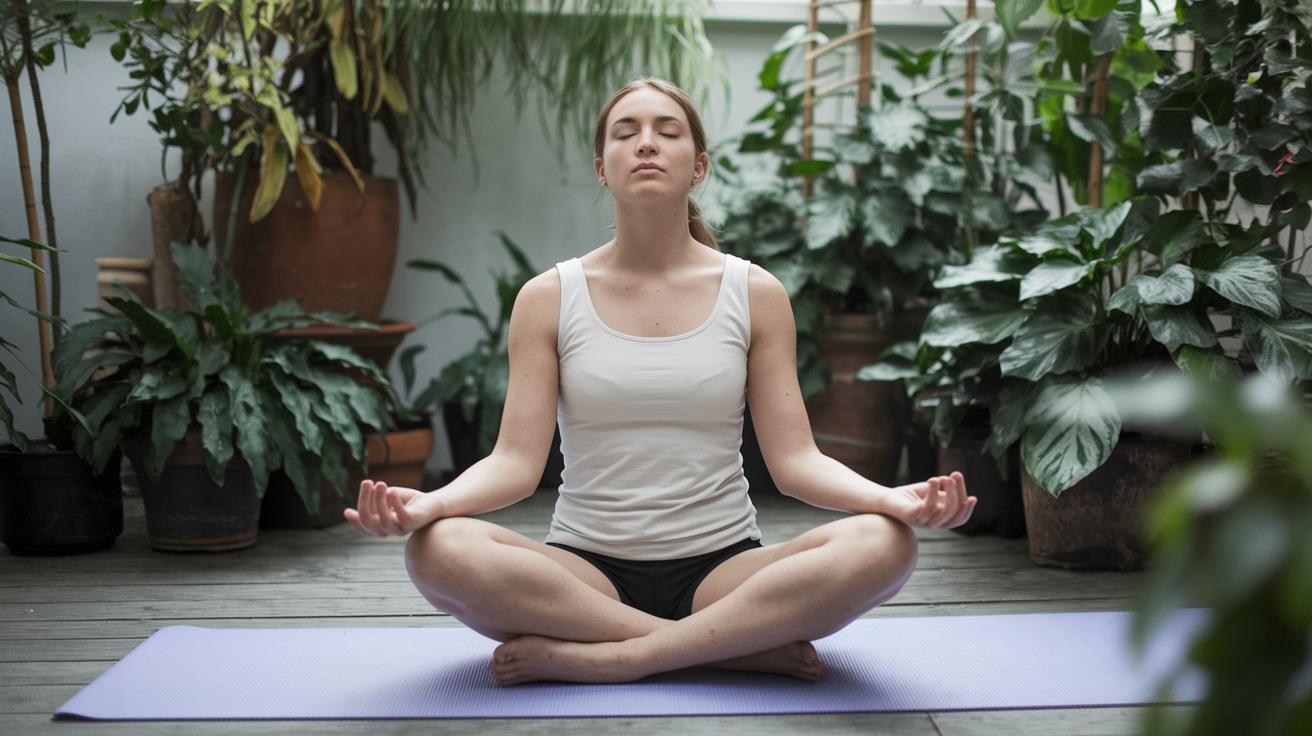
Heart rate variability, or HRV, shows the small gaps between your heartbeats. It tells you how well your heart deals with stress. When your HRV is higher, it means your heart can change its pace quickly to meet your body’s needs. Simple breathing exercises can boost HRV, helping your heart react calmly when stress shows up and keeping your overall heart health in check.
Try the 4-7-8 method: breathe in slowly for 4 counts, hold that breath for 7 counts, and then let it out for 8 counts. This helps calm your body's stress system, making it easier for your heart to keep a steady beat.
Next, try diaphragmatic breathing. This means breathing deeply from your belly instead of just your chest. By doing so, you're taking in more oxygen and giving your chest room to breathe easier, which supports a smooth, regular heartbeat.
Then there’s paced, or box breathing. With this method, you breathe in, hold, breathe out, and then pause again, and all for the same amount of time. This steady timing helps keep your pulse stable and your breathing even.
Finally, give pursed-lip breathing a go. For this method, you exhale slowly through slightly closed lips. This longer breath-out phase not only helps get rid of extra carbon dioxide but also eases the work your heart has to do.
These simple techniques are backed by science. They show that mindful breathing can improve the way oxygen moves through our bodies and keep our heart calm and steady. Have you ever tried one of these methods and felt the difference?
Step-by-Step Mindful Breathing Techniques for Cardiovascular Wellness
Before you begin, keep in mind that these exercises are meant to help steady your heartbeat and boost your oxygen flow. You can try one method or switch between them to see what feels best.
4-7-8 Breathing
Sit in a comfortable position. Breathe in slowly through your nose for 4 seconds, hold that breath for 7 seconds, and then breathe out steadily through your mouth for 8 seconds. Repeat this cycle 4 times and aim for 3 to 5 sessions each week. It might surprise you that this simple way of breathing can help ease tension by slowing down your breath.
Diaphragmatic Breathing
Place one hand on your chest and the other on your belly. Take a deep, slow breath in through your nose so your belly expands, then let the air leave completely through your mouth. Do this for several minutes and notice how your belly rises and falls, it really brings a sense of calm.
Box (Paced) Breathing
Imagine drawing a box with your breath. Breathe in for 4 seconds, hold for 4 seconds, breathe out for 4 seconds, and then hold again for 4 seconds. Complete 4 rounds of this pattern to help keep your heart rate steady. Picture each side of the box guiding your breathing in a gentle, rhythmic way.
Pursed-Lip Breathing
Inhale gently through your nose for about 4 seconds. Then, exhale slowly through slightly pursed lips for 6 to 8 seconds. This controlled exhale helps your body release carbon dioxide and supports smoother blood flow. Think of it like softly blowing out a candle.
Each technique offers its own gentle rhythm for supporting your heart and easing stress. While 4-7-8 breathing calms anxiety, diaphragmatic breathing increases oxygen, box breathing balances your pulse, and pursed-lip breathing helps reduce heart strain. Try the one that feels right or rotate through them for a refreshing, mindful breath practice.
Evidence-Based Benefits of Regular Mindful Breathing on Cardiac Health
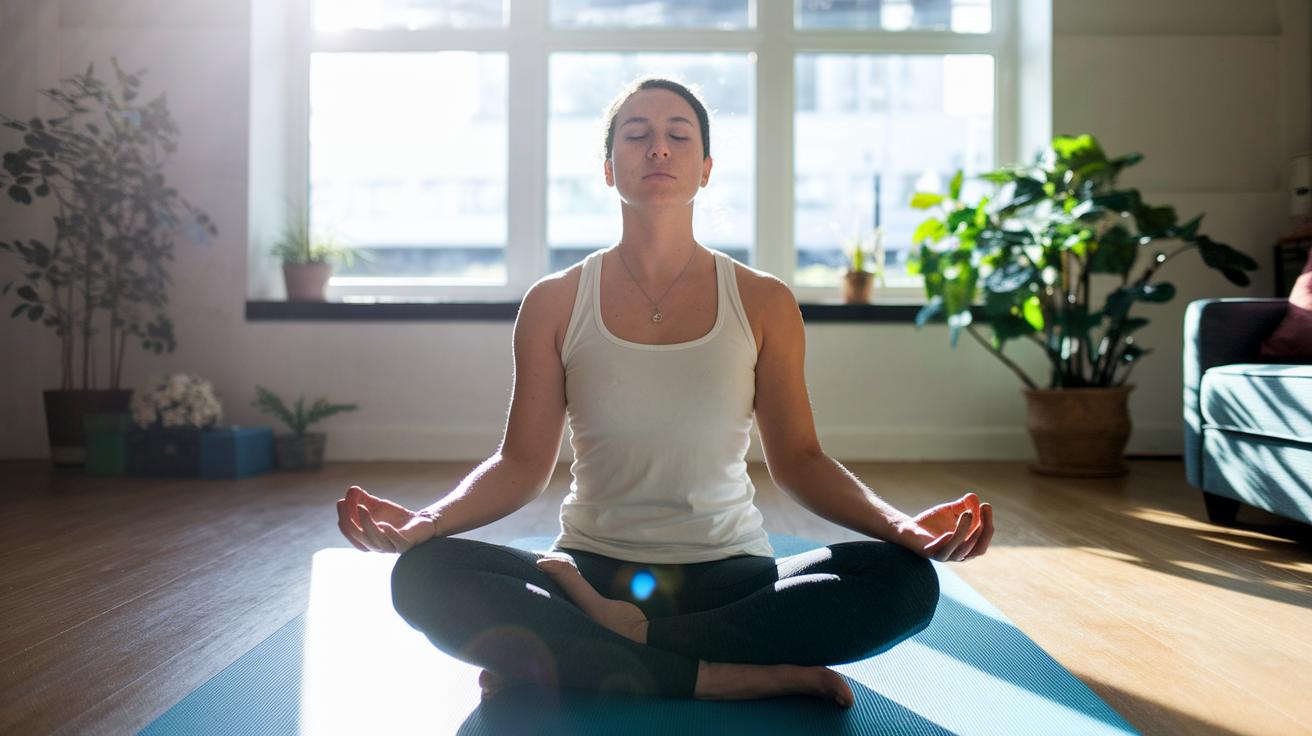
Recent studies show that regular mindful breathing can do wonders for your heart. When folks practice these simple breathing exercises three times a week for eight weeks, they often see their resting heart rate drop by 5 to 10 percent, and their systolic blood pressure falls by 4 to 7 mmHg. These changes suggest that controlled breathing can help the heart work better and might lower the risk of high blood pressure.
| Outcome | Measure | Study Duration |
|---|---|---|
| Resting Heart Rate Reduction | 5–10 percent | 8 weeks |
| Systolic BP Decrease | 4–7 mmHg | 8 weeks |
If you have heart issues, it's a good idea to talk with your doctor before starting any new breathing routine. This way, you can be sure that the exercises fit your needs and help keep your heart safe and strong.
Incorporating Mindful Breathing into Daily Cardiac Wellness Routines
Taking a moment to breathe mindfully is easier than you might think. Just five minutes in the morning can clear your head and set a calm tone for the day. Even a short pause after lunch or a few quiet minutes before bed can help balance your heart rate and ease stress.
Imagine pairing these breath breaks with a little movement like gentle yoga or tai chi. It’s like giving your heart a soft, reassuring nudge toward better health.
- Set a reminder on your phone so you don't forget to take your breath breaks.
- Add deep breathing exercises during your warm-up before exercising.
- Try out a guided breathing app that walks you through each step.
- Sneak in a few mindful breaths during your work break if things get hectic.
- Mix in a bit of stretching with your breathing to relax your body even more.
- Keep track of your sessions in a journal to see how your heart improves over time.
By making these mindful breaths a daily habit, you'll help keep your breathing steady and your heart rhythm balanced. Over time, these short, calming moments can protect your blood vessels and bring a gentle, steady rhythm to your overall well-being.
Final Words
In the action, mindful breathing supports heart strength by improving oxygen flow and reducing stress. The article broke down how controlled breathing can lower blood pressure, stabilize pulse, and boost overall cardiac health.
We hope these insights help reinforce how mindful breathing benefits for cardiovascular health. Try adding simple breathing exercises to your daily routine and feel the positive changes. Keep breathing with intention and enjoy the calming effects on your heart.
FAQ
Frequently Asked Questions
Q: What is a breathing exercise for heart blockage?
A: The breathing exercise for heart blockage emphasizes controlled, mindful breathing to promote better blood flow and oxygen delivery, which may support heart health. Always consult a doctor for personalized advice.
Q: What are the 18 benefits of deep breathing?
A: The 18 benefits of deep breathing include reducing stress, improving oxygen flow, stabilizing heart rhythm, and enhancing overall cardiovascular well-being, helping you feel calmer and more energized.
Q: Is deep breathing good for heart failure?
A: The deep breathing good for heart failure question highlights that mindful breathing may ease heart workload and improve oxygenation. However, always seek professional advice when dealing with heart failure conditions.
Q: How can a breathing exercise help during a heart attack?
A: The breathing exercise for a heart attack focuses on calming the body and supporting circulation. It is not a replacement for emergency care but can be part of stress-reduction strategies under professional guidance.
Q: How do breathing exercises lower heart rate and blood pressure?
A: The breathing exercises to lower heart rate and blood pressure suggest that controlled, slow breaths help relax blood vessels, regulate heart rhythm, and reduce stress, contributing to better cardiovascular stability over time.
Q: Do deep breathing cures everything?
A: The claim that deep breathing cures everything is an overstatement. Deep breathing supports stress reduction and heart health but should be part of a balanced wellness routine rather than a standalone cure.
Q: Can breathing exercises strengthen the heart?
A: The breathing exercises to strengthen the heart indicate that mindful breathing practices optimize oxygen flow and reduce tension, which may help improve heart function and efficiency when practiced consistently.
Q: How does guided meditation benefit heart health?
A: The guided meditation for heart health mixes structured breathing and visualization techniques to calm the mind, reduce stress, and support steady heart rhythms, thereby aiding overall cardiovascular function.
Q: Is breathwork beneficial for cardiovascular health?
A: The question on breathwork’s cardiovascular benefits shows that controlled breathing exercises improve oxygen circulation and heart rate variability while reducing stress—key factors in maintaining a healthy heart.
Q: Why do Navy SEALs use box breathing?
A: The reason Navy SEALs use box breathing is that its equal phases of inhaling, holding, exhaling, and holding help regulate the breath, sharpen focus, and stabilize heart rate under high-pressure conditions.
Q: What are the benefits of mindfulness breathing?
A: The benefits of mindfulness breathing include improved stress management, enhanced oxygen delivery, and more stable heart rhythms, all contributing to better overall heart function and well-being.
Q: Can deep breathing clear arteries?
A: The idea that deep breathing can clear arteries is misleading. While deep breathing improves blood flow and reduces stress, it should not replace medical treatments for arterial blockages, so consult your doctor.