Have you ever noticed that quick, shallow breaths can make test stress feel even heavier? When exams come around, many students feel a tight chest and a fast heartbeat. Taking slow, deep breaths can ease that tension and clear your mind.
Imagine each calm breath acting like a little reset button. This guide shares simple steps to help calm your nerves before and during tests. Just breathe in slowly, feel your chest fill with air, and then breathe out gently. It may just give you the focus you need when it matters most.
Step-by-Step Mindful Breathing to Ease Exam Stress
When exam stress hits, you might find yourself taking quick, shallow breaths that only add to your worry. Try this friendly five-step guide to help calm your nerves, whether you’re gearing up for a test or already in the middle of one.
- Find a cozy seat. Sit with your back straight and let your shoulders relax. Close your eyes for a moment and feel the gentle stretch as your lungs fill with air.
- Breathe in slowly through your nose for a count of three. Then, pause by holding your breath lightly for one count before exhaling through your mouth for four counts. For example, you might think, “Breathe in: 1-2-3; hold; then breathe out: 1-2-3-4.”
- If that rhythm feels a bit tough, try another approach: inhale gently for two seconds, take a brief pause, and slowly exhale. This different pace can help you focus and encourages deep belly breathing.
- Repeat the breathing pattern for about one to two minutes. Notice how your body starts to feel lighter and your mind becomes clearer.
- When you finish, take a quiet moment to check in with yourself. If you sense that your tension is easing and your focus is sharpening, you’re experiencing the good effects of mindful breathing.
Make this practice a regular part of your study routine. It’s a simple way to manage exam stress and keep your mind calm when you need it most.
How Mindful Breathing Calms Exam-Related Stress
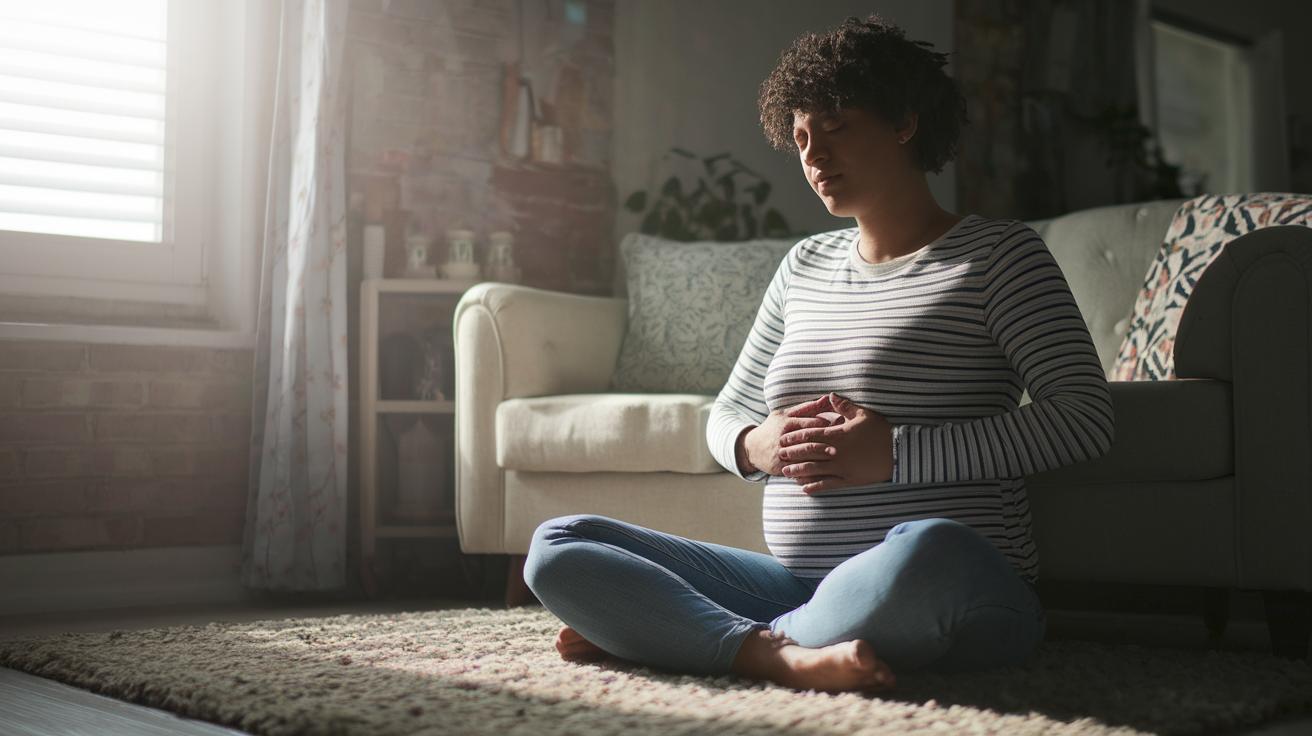
When exams make you feel anxious, you might notice your breath turning shallow and fast. This type of chest breathing can make your heart beat quicker and add to your tension. Try switching to deep belly breathing (breathe deeply into your stomach instead of your chest) to help your body relax naturally.
Picture this: you take a slow, deliberate breath, letting your belly expand like a balloon, and then exhale slowly. This method wakes up your vagus nerve, a special nerve that helps control your heart rate, and helps lower stress hormones such as cortisol.
Even one minute of focused breathing can really help. Did you know that just one minute of deep breathing can ease tension and clear your mind? When you take slow, steady breaths, you ease the physical impact of anxiety and push away that mental fog that often makes concentrating on exams hard. This calm not only relaxes your mind but also steadies your mood, making it easier to think clearly and face challenges.
Integrating Mindful Breathing into Your Exam Preparation Routine
Start your study time with a quick two- or three-minute mindful breathing break to help clear your mind. When you settle into your study spot, take a moment to relax and breathe slowly, noticing your belly gently rise and fall. Try saying to yourself, "Breathe in, feel the calm; breathe out, let go of tension," as you ease into your routine.
Begin your study session with this brief pause to center your thoughts. Then, when you're done, spend a few minutes letting your body unwind and reset. This small break can help slow your heart rate and ease stress while you study.
Have you noticed how a few deep breaths can make your mind feel clearer? Feel free to experiment with the length of your breaks until you find a pace that helps you stay focused, engaged, and calm during your study time.
Advanced Breath Patterns for Test Day Confidence
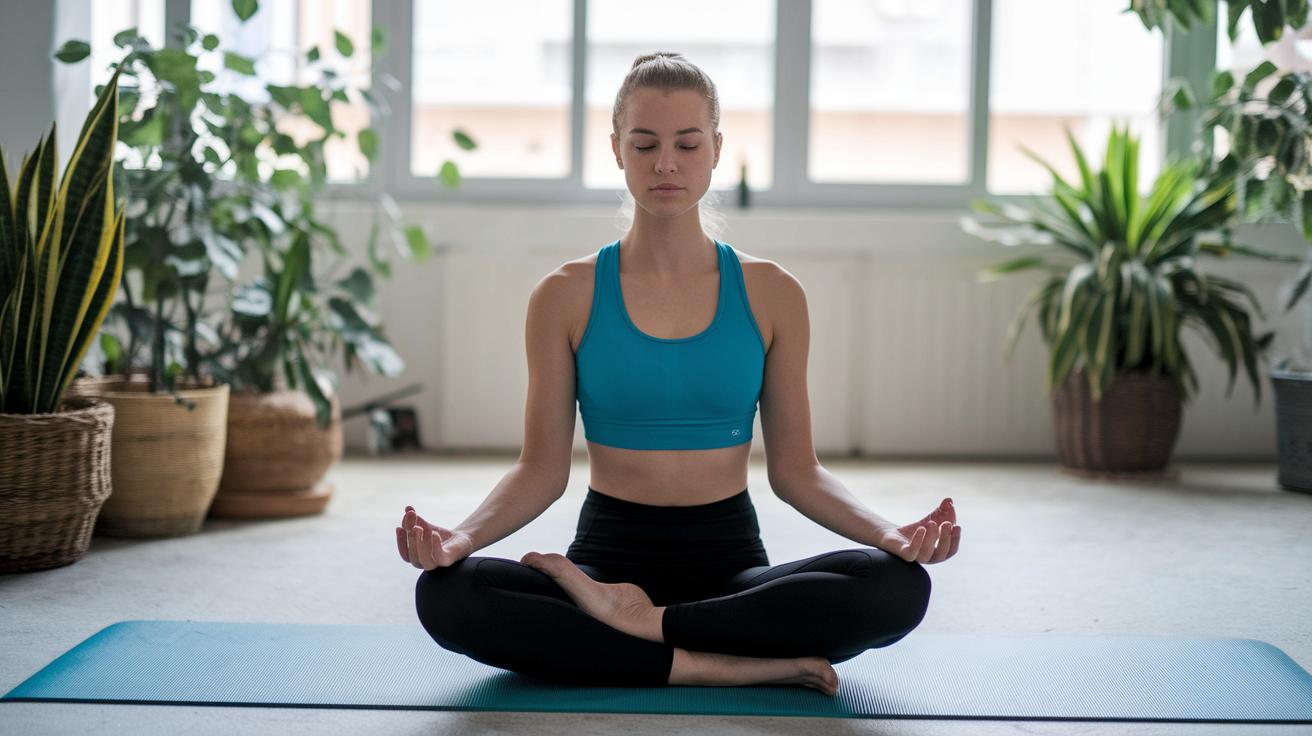
When test day pressure starts mounting, a few simple breathing techniques can help you stay calm and focused. It's like taking a little break to gather your thoughts. Trying out different patterns lets you find what best suits how you're feeling during a big exam.
| Technique | Inhale | Hold | Exhale | Duration |
|---|---|---|---|---|
| Box Breathing | 4 seconds | 4 seconds (includes a brief pause after exhaling) | 4 seconds | Repeat for 60 seconds |
| 3-1-4 Breathing | 3 counts | 1 count | 4 counts | Repeat for 60 seconds |
| Alternate Nostril | 4 seconds (inhale deeply through the left nostril) | N/A | 4 seconds (exhale through the right nostril) | Repeat for 1 minute |
Maybe try one of these methods during a practice test. For example, imagine using box breathing and feeling each balanced breath bring you a sense of calm. This simple practice can lessen stress and help you shut out distractions. Adjust the technique to match your exam schedule and enjoy the steady, soothing effect each breath brings to your test day confidence.
Deepening Practice with Mindful Emotional Attunement
When you breathe slowly, try saying kind words with each breath. For each inhale, think, "I am calm." And for each exhale, quietly say, "I let go of doubt." This simple pairing helps your body relax and eases worried feelings.
Imagine your breath as a soft wave rising and falling. Let this warm, soothing rhythm melt away stress, especially when you feel exam pressure. Even a few quiet minutes each evening can help you feel peaceful and more aware of your feelings.
Paying attention to these affirmations and your emotions with every breath can make stress seem smaller and give you a deeper sense of calm as you face challenges.
Complementary Practices to Support Mindful Breathing
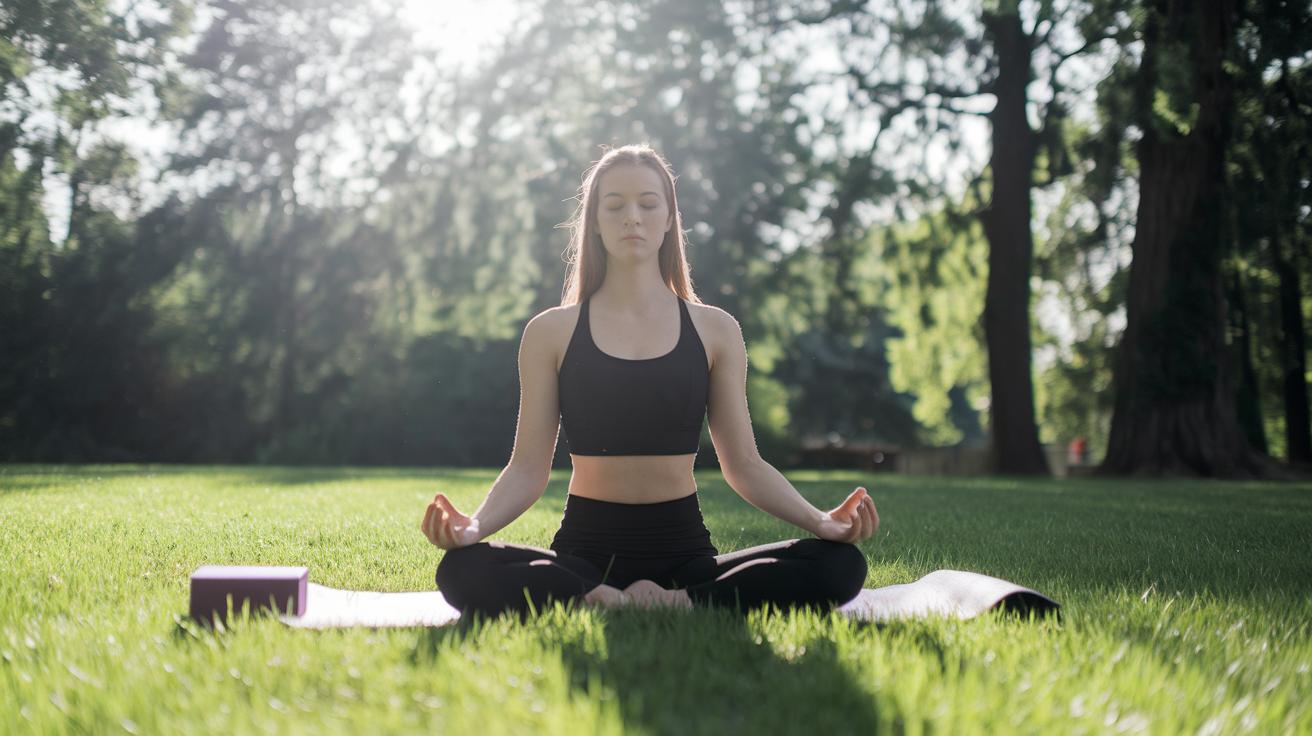
When you mix slow, gentle movement with mindful breathing, it can help ease tight muscles and bring a sense of calm to your day. Ever try taking just a few minutes during your study break to stretch a little? Stand up, roll your shoulders slowly, and let your arms swing loosely while you let go of built-up tension.
Another great idea is to give beginner yoga a go. Imagine joining a casual "Yoga on the Grass" session, where simple poses like seated twists or a soft forward bend ease any stiffness. These gentle moves warm up your muscles so that when you shift to focused breathing, your body and mind work well together.
If you're more at ease being seated, why not try chair yoga? This option works well in tight spaces and lets you mix movement with breathing effortlessly. It’s a neat way to get both your body and mind relaxed and recharged for whatever comes next.
- Try light stretching before your breathing exercise.
- Use beginner yoga moves to lower muscle tension.
- Consider chair yoga if you need a simple seated alternative.
Tracking Progress and Knowing When to Seek Additional Support
Try keeping a simple daily log of your breathing exercises. Write down the date, how long you practiced, and rate your stress on a scale from 1 to 10. This simple record helps you spot patterns over time as you practice deep breathing.
If anxiety still feels overwhelming even after your breathing sessions, it might be time to ask for extra support. Sometimes, if those pre-test nerves linger or even worsen, talking to a campus counselor or a friend who understands exam stress can really help.
By tracking your stress each day, you'll see when your breathing work is enough and when you might need a little more advice. Let your log serve as a friendly reminder that your wellbeing matters. Each small note brings you closer to managing exam stress more effectively.
Remember to log your progress daily.
Final Words
In the action, we covered simple steps to reduce exam stress using easy breathing methods. We detailed basic techniques to change rapid, shallow breath into a calm, steady flow that clears your mind. Short sessions of mindful breathing for exam stress paired with gentle movement can help you feel relaxed and ready. Recording your progress makes it easy to see small wins along the way. Keep practicing these tips and watch how a steady breath can bring more peace to your study routine and exam day.