Ever wondered if a few quiet moments might brighten your day? In our busy world, guided mindfulness meditation gives you a small break that feels almost magical. Picture yourself nestled in a comfy spot, breathing slowly and letting your worries drift away. Some studies even suggest that doing this regularly can help ease stress and sharpen your focus. It shows us that a simple, calming pause can turn everyday challenges into moments of inner peace and clarity.
Guided Mindfulness Meditation: Cultivate Inner Calm
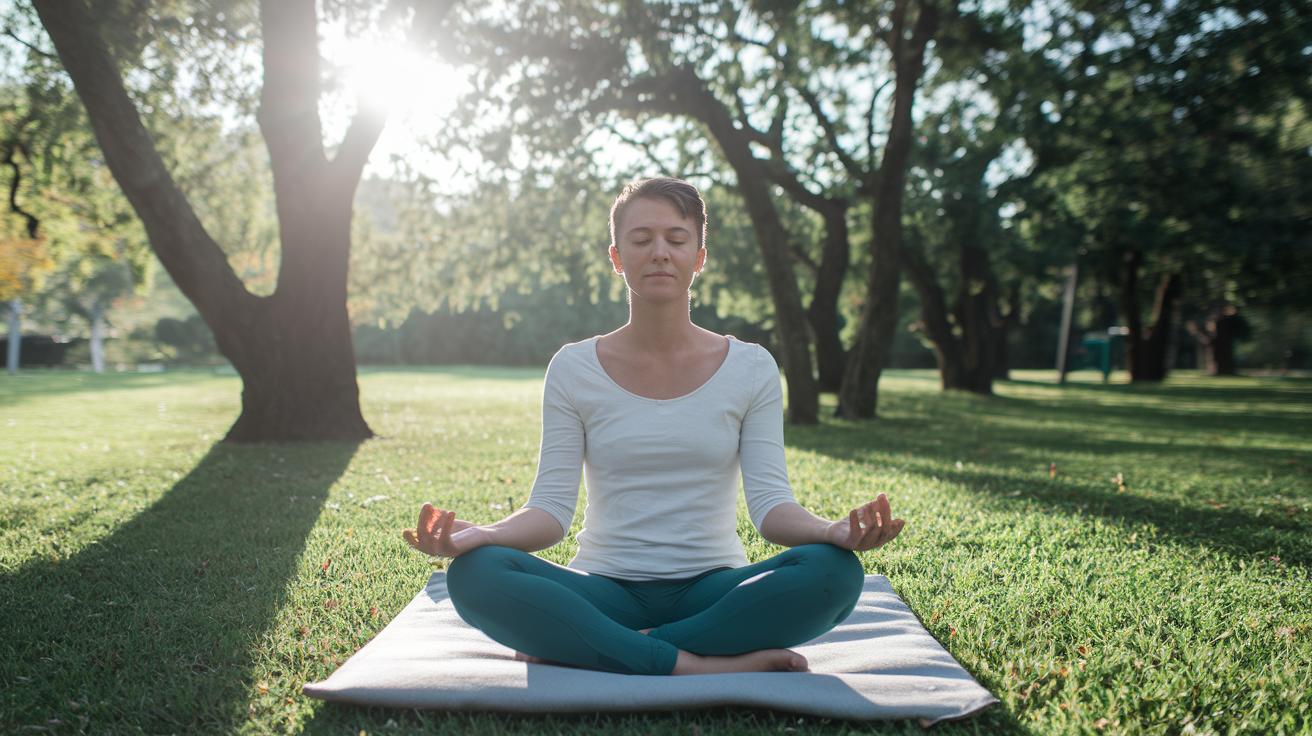
Start by finding a quiet spot where you feel comfortable and at ease. Sit or lie down with your back straight. This simple posture helps guide your attention and gently pulls you into the present moment.
Begin with a gentle body check. Slowly focus on your feet and work your way up through your legs, your torso, and finally your arms. Notice any feelings, maybe a relaxed glow or a hint of tension, without trying to change them. This step roots you firmly in the here and now.
Next, turn your attention to your breathing. Let your natural rhythm take over, with each easy inhale and soft exhale. This mindful focus on breathing anchors you in the moment. And if your thoughts wander, just bring them back to your breath without any worries.
To finish, take a moment to sit quietly with a feeling of gratitude for the calm that has set in. Notice how each breath has brought clarity and ease. By following these steps, you turn your session into a warm, reliable moment of self-care that lightens stress and nurtures balance.
Benefits of Guided Mindfulness Meditation
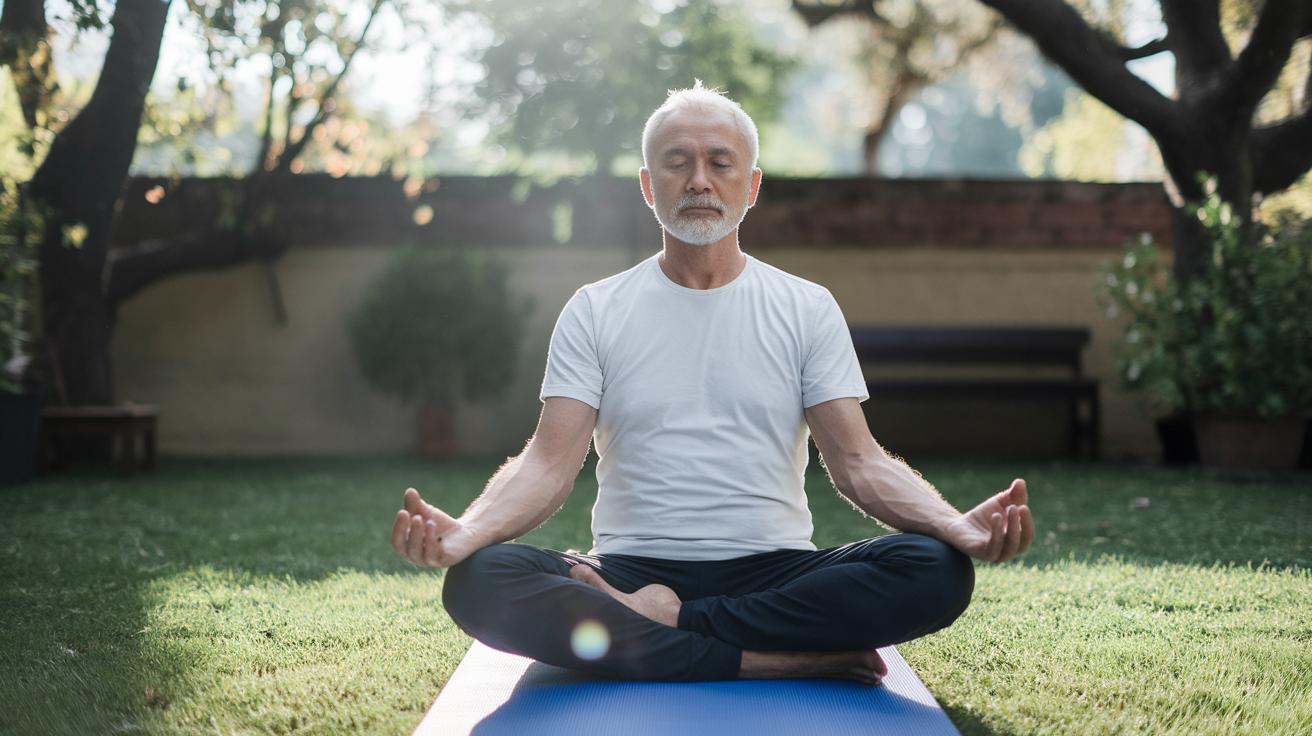
Guided mindfulness meditation is a simple way to ease stress and balance your emotions. Research shows that even an eight-week course can help reduce anxiety, making life feel a little lighter. Older adults, for example, often find that spending a few quiet minutes meditating before sleep can really help calm their minds.
Many teenagers and people facing depression notice improved emotional control after starting regular sessions. It feels like taking a gentle pause in your busy day and letting go of what weighs you down. Have you ever felt how a short moment of calm can brighten your day?
This practice also helps boost your focus, which makes it easier to handle everyday challenges. Some studies even suggest that guided mindfulness can help with sleep disorders by making the transition to sleep smoother. All in all, guided mindfulness meditation is a practical tool that supports everyday mental well-being.
Guided Mindfulness Meditation Techniques: Body-Scan, Breath, Compassion
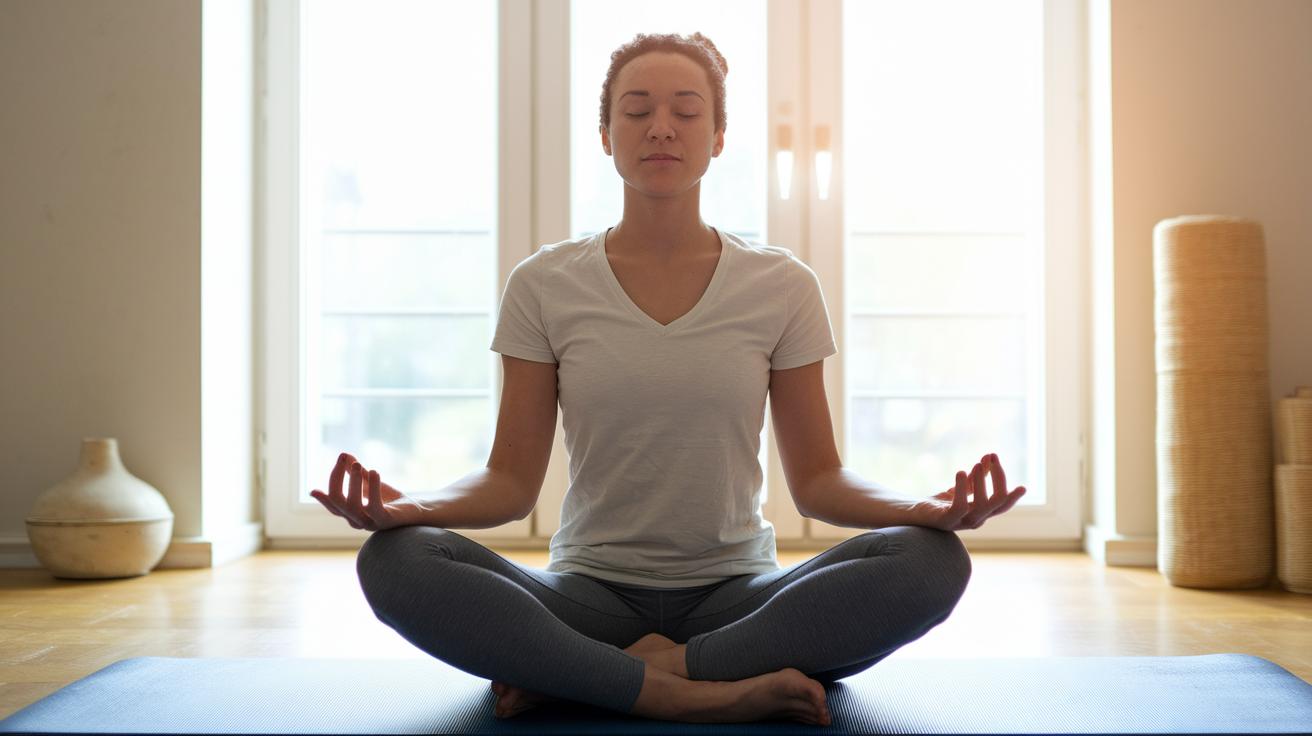
Start with a body scan by tuning into every word your body speaks. Begin at your feet, slowly working your way upward, noticing feelings like warmth or tension without weighing them as good or bad. You might say, "I feel a gentle ease here," to guide your attention.
Next, ease into mindful breathing. Get comfortable and let your natural breath guide you into the present moment. Use a simple phrase like "Every breath brings calm" to help keep your mind focused on the now without going over every detail you felt earlier.
Finally, invite a moment of self-kindness. Gently say, "I deserve care," and give yourself a three-second pause after each affirmation. This pause lets you really feel the warmth of your own compassion, nicely rounding out your body scan and breathing practice.
Guided Mindfulness Meditation: Step-by-Step Practice

-
Pick a Quiet Place
Find a spot where you feel safe and at ease, like a comfy corner in your room where soft silence lets your thoughts settle. Imagine the gentle calm wrapping around you as you unwind. -
Get Comfortable
Sit or lie down in a way that keeps your back relaxed but straight. Think of it like resting on a soft cushion that supports your natural, soothing breath. -
Do a Body Scan
Start at your toes and slowly work your way up. Notice small sensations, maybe a cozy warmth or a light pressure. It’s like taking a slow, gentle tour of your body without any rush. -
Focus on Your Breath
Let your breathing flow naturally. Feel each inhale and exhale, as if listening to a peaceful melody. Picture the cool air coming in and the warm air softly leaving. -
Use Kind Self-Talk
Quietly repeat phrases that bring comfort, like "I welcome calm" or simply "peace." Give yourself a pause of three seconds after each word to feel the tranquility settle in your heart. -
Come Back Gently
When you're ready, slowly bring your focus back to the room, carrying that calm energy with you. Enjoy the lingering peace as you continue your day.
Guided Mindfulness Meditation Variations for Sleep, Anxiety, and Focus

Easeful Sleep Visualization gently guides you into a restful sleep. Picture a quiet lake softly shimmering under a moonlit sky. You might even say, "I see a soft, glowing light leading me to rest," as you slowly let go of the day's tension and drift toward sleep.
Anxiety Relief Contemplation uses kind, soothing words to ease your worries. Imagine a gentle voice saying, "Let go of your worries," as you feel stress begin to melt away. This gentle reminder helps train your mind to release tightness and relax into calm.
Focused Emotional Balance invites you to notice simple, steady feelings within you. Just focus on your steady breath or the soft flow of energy through your body. A simple cue like, "Feel each breath as a steady, calming beat" can help you find clarity and balance even on a hectic day.
Sessions come in lots of different formats. Whether you choose a quick 12-minute podcast or a deeper 20- to 25-minute audio or video session, there's an option to fit your mood and needs. Just pick the one that feels right and let the practice carry you to a quieter, centered space.
Guided Mindfulness Meditation Formats and Duration Options
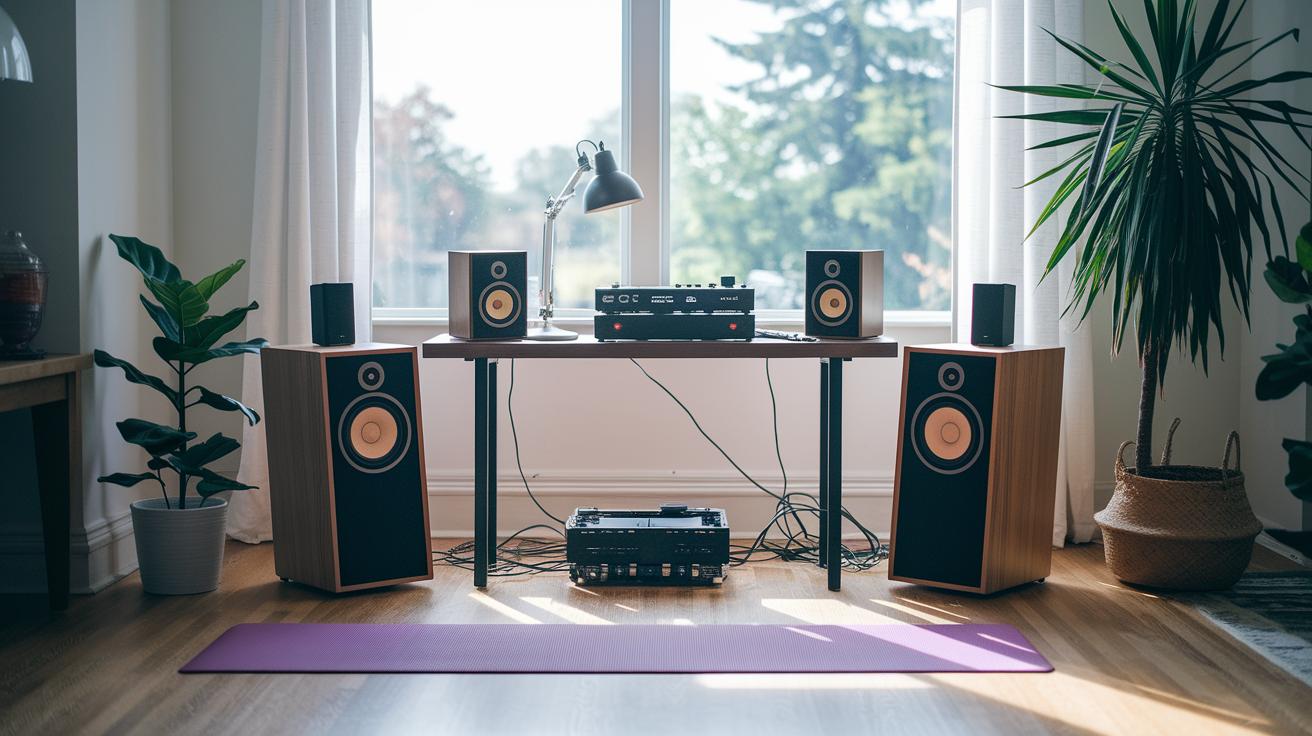
When you start your guided mindfulness meditation, picking the right style to match your day really helps. For instance, you might enjoy a quick 12-minute audio session that fits perfectly into your busy schedule. Alternatively, a video that runs for 15 to 25 minutes can offer clear visual cues to enhance your practice. And if you like to set your own pace, a written guide lets you follow along whenever you feel like it. Plus, some meditation apps bring in sessions from 5 to 20 minutes along with handy ways to track how you're doing.
Each format gives you a chance to weave mindfulness into your day in a way that feels natural. Maybe the simplicity of an audio session is your thing, or perhaps a video makes you feel more connected. Why not try them out and see which one brings a little more calm and balance to your everyday routine?
| Format | Duration | Best For |
|---|---|---|
| Audio | 12–15 min | On-the-go practice |
| Video | 15–25 min | Visual guidance |
| Text | Flexible | Self-paced reading |
| App | 5–20 min | Progress tracking |
Guided Mindfulness Meditation Tips for Beginners and Beyond
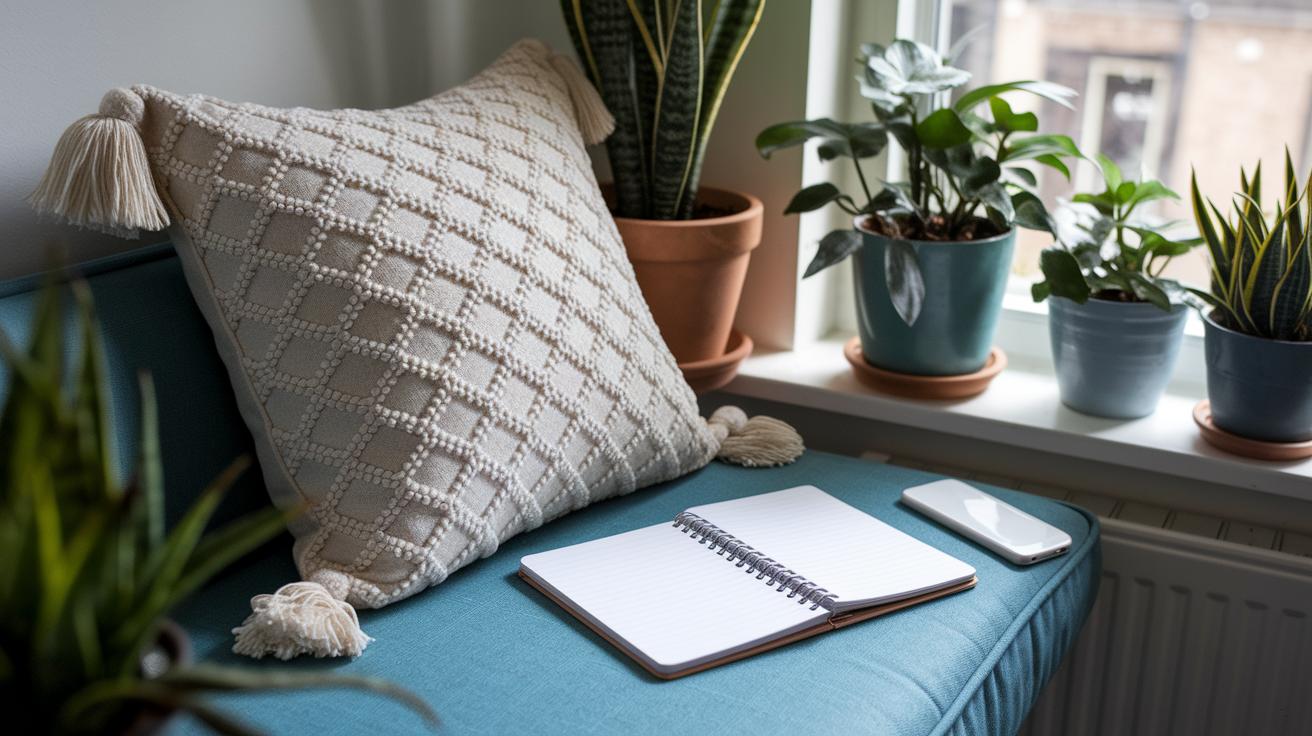
Start with just five minutes each day. This brief time helps your mind get used to the rhythm of meditation without feeling too much at once. As you feel more at ease, slowly extend your practice to about 15 to 20 minutes. It's like starting with a tiny window of calm and then gradually letting in more light to your day.
Find a regular time and a quiet spot where you feel safe and undisturbed. It might be a small, cozy corner at home or a room where you can simply focus on your breathing and notice your body’s sensations. And if you have access to free PDFs or tool packs, try using them. They offer straightforward guides that can gently lead you along your meditation journey.
For beginners, simple cues, kind of like those you see on video calls, can be a big help. These gentle prompts keep you in the moment and make it easier to follow along step by step.
- Keep a meditation log to note your thoughts
- Record which practices make you feel centered
- Celebrate small wins, like a few peaceful moments
Writing down your experiences lets you see your progress over time and inspires you to keep nurturing that calm, steady presence.
Final Words
In the action, we explored a guided mindfulness meditation session with clear steps, techniques, and varied formats to suit different needs. This post covered body-scans, mindful breathing, and self-compassion cues, and shared benefits like stress relief and improved sleep. We also touched on practical tips for beginners and those seeking deeper focus.
Keep this resource handy as you try guided mindfulness meditation, and let each session bring more calm and balance to your day.
FAQ
What is a guided mindfulness meditation script?
The guided mindfulness meditation script explains each step, covering posture, breathing, and relaxation cues to help you focus on the present and experience calm clarity.
Where can I find free guided mindfulness meditations?
The search for free guided mindfulness meditations leads to online resources like YouTube, apps, and websites offering downloadable audio sessions that help you relax and refocus.
How does guided mindfulness meditation support beginners and those dealing with anxiety?
The guided mindfulness meditation helps beginners with clear, simple instructions and calm cues. It offers prompts to ease anxiety by directing your focus to slow, mindful breathing and gentle awareness.
What are some options for a 10-minute mindful meditation or guided session on YouTube?
The 10-minute mindful meditation and YouTube guided sessions provide short, accessible formats using visual and audio guidance, making them great for quick relaxation breaks during your day.
What is the 5-4-3-2-1 mindfulness meditation?
The 5-4-3-2-1 mindfulness meditation guides you to notice five things you see, four you can feel, three you hear, two you smell, and one you taste, which helps ground your awareness in the present.
Can mindfulness meditation be guided?
The notion of guided mindfulness meditation holds true; guided sessions use step-by-step instructions to help you maintain focus on your breath and present sensations throughout your practice.
Is guided meditation the same as mindfulness meditation?
The idea that guided meditation equals mindfulness meditation involves a subtle difference. Guided meditation offers external prompts to focus your attention, while mindfulness meditation relies on self-directed focus on the present.
Are there guided mindfulness meditations available for kids?
The guided mindfulness meditations for kids use simple cues and friendly language to encourage calm breathing and self-awareness, making the practice accessible and engaging for younger audiences.