Ever wondered if quick bursts of exercise could change your workout? HIIT (high-intensity interval training, which means short bursts of very active movement mixed with recovery time) is turning fitness upside down. It combines energetic short moves with smart rest breaks that even beginners can easily try. Recent reports show that these lively moves are giving workouts a fresh boost. New gadgets, virtual challenges, and blended workout styles are making exercise routines more fun and effective for everyone.
Emerging HIIT Workout Trends for 2025

Imagine a workout that amps up your energy and really makes your heart feel alive. A report from ACSM in October 2024 puts HIIT at the top of fitness trends. Experts from all around say that high-intensity interval training is a real game changer for workouts today. HIIT means doing short, full-effort bursts, ranging from just 5 seconds up to 8 minutes, followed by breaks that change in length. It's a fast and effective way to exercise.
The CDC even calls HIIT vigorous exercise, suggesting 75 minutes each week to keep your heart healthy. And here’s the good news: new HIIT formats now include easier versions for beginners. They tweak the work and rest times so more of us can join in, all while providing great cardio and strength benefits.
There are some cool new twists in HIIT:
| New HIIT Trends |
|---|
| Micro-interval protocols: super short bursts of effort |
| Hybrid strength-interval workouts: mixing lifting with HIIT moves |
| Wearable tech guidance: using gadgets to find your pace |
| Adaptive recovery: breaks based on your heart rate |
| Virtual group challenges: sharing the fun with others online |
Keeping up with these trends is key if you're serious about your fitness. Mixing in these new elements can inject fresh energy into your routine and keep things exciting. When you combine quick bursts of effort with tech help and community challenges, your workouts remain fun and push you to keep improving.
Innovative Exercise Modalities Elevating HIIT Workouts

Mixing up your HIIT routine with new exercises adds a dose of fun and challenge. Trying different styles keeps your body guessing while building strength, speed, and endurance. Trainers now blend various HIIT techniques to create sessions that are effective and engaging for everyone, whether you’re just starting or already advanced. Adjusting work-to-rest ratios and adding creative moves can ease strain and keep your routine feeling fresh.
Tabata-Style Protocols
The Tabata method involves eight rounds of 20-second bursts followed by 10 seconds of rest. Today, trainers often make small tweaks to this structure to fit busy schedules. Even adding a bit more rest can be a great option for those easing into high-intensity exercise.
EMOM and AMRAP Sessions
EMOM (Every Minute on the Minute) and AMRAP (As Many Rounds As Possible) bring a fun, time-based twist to your workouts. With EMOM, you try to finish your set of moves within a minute, while AMRAP motivates you to complete as many rounds as possible. Both styles help you learn your pace and can be easily adjusted for any fitness level.
Plyometric and Resistance Circuit Integration
Mixing in plyometric moves like jumps, slams, and dumbbell drills builds power and takes you beyond everyday cardio. Using resistance bands or dumbbells (see hiit dumbbell workouts) boosts muscle strength and endurance in a lively way. Combining these techniques keeps your body improving and helps prevent workout plateaus.
Digital Platforms and Video Session HIIT Workouts: Bold, Energetic Moves

Online HIIT workouts are changing the way we exercise. More and more people are joining lively sessions on mobile apps and social media, and the energy is contagious. Imagine logging into a live workout where the trainer’s excitement lights up your screen, it feels like you’re right there in the room with them. A trainer might say, "Join a session that makes you feel like you're right there, sweat and all," adding a personal touch to a high-energy session.
Interactive features like built-in timers, progress tracking, and challenges are at the core of this new trend. Many top apps now show your heart rate in real time, letting you know when to push a bit harder or take it easy for a moment. Plus, you can cheer on friends and other users, which turns a solo workout into a fun, shared experience.
At-home training programs have never been easier to access. Whether you're new to fitness or a seasoned athlete looking to refine your routine, these digital sessions are designed to fit into your lifestyle. The flexibility to work out anytime and anywhere helps keep you motivated, letting you tailor your exercise to match your schedule and current energy level.
Modern HIIT Workout Designs Versus Traditional Approaches

Traditional HIIT workouts usually involve hard, steady bursts on a treadmill or bike. You push really hard for a set time and then take a planned break. Newer workouts, though, mix things up by adding strength moves with interval cardio. This means you might switch between weight exercises and quick sprints in one session, giving you both muscle work and bursts of energy. These modern routines let you adjust the work-to-rest times based on your fitness level and goals. For beginners, settings are gentler, while more advanced workouts ask for full effort.
| Workout Style | Work : Rest Ratio | Key Benefit | Ideal User |
|---|---|---|---|
| Sprint Intervals | 30 s : 30 s | Quick calorie burn | Intermediate |
| Strength-HIIT Hybrid | 40 s : 20 s | Boosts muscles and cardio | Advanced |
| Tabata | 20 s : 10 s | Saves time | All Levels |
| AMRAP | Variable | Builds endurance | Advanced |
When picking a workout style, think about what you want to achieve and where you are in your fitness journey. If you want to burn calories fast without putting too much strain on your muscles, sprint intervals might be just right for you. If you like the idea of a mix between strength training and cardio, try a strength-HIIT hybrid. Many beginners enjoy the steady pace of Tabata to build their endurance, whereas advanced athletes often choose AMRAP to really test their limits with varying intensities. Each option has its own benefits, so choosing the one that fits your goals can help keep your workouts lively and boost your overall performance.
Optimizing HIIT for Fat Loss and Performance Gains

HIIT works by boosting the amount of oxygen your body uses even after your workout ends. This process, known as EPOC (excess post-exercise oxygen consumption), means you'll keep burning calories for a while. When your metabolism stays active like this, you're churning out extra calories all day, which over time can help lower your body fat more quickly than a steady, less intense workout.
To get the best results from your HIIT routine, try a few simple tweaks. Shorten your active bursts to 30 or 60 seconds so you can mix moments of hard work with time to catch your breath. Keeping an eye on your heart rate helps ensure you're in the right zone to burn fat and care for your heart. You might also add a bit of resistance, like a light weight or a bodyweight exercise, to build some muscle as you push hard. And remember, giving yourself about 48 hours between sessions lets your muscles rest and keeps you safe from injury. It also helps to plan your meals around your workouts with a protein-rich snack or good-for-you carbs before and after you train to boost energy and recovery.
Rest is just as important as the bursts of energy. Taking time to let your heart and muscles recover helps avoid strain and overuse. This mix of focused workouts and proper downtime keeps your routine effective, setting you up for steady fat loss and better overall performance.
Recovery and Mobility Trends in HIIT Regimens
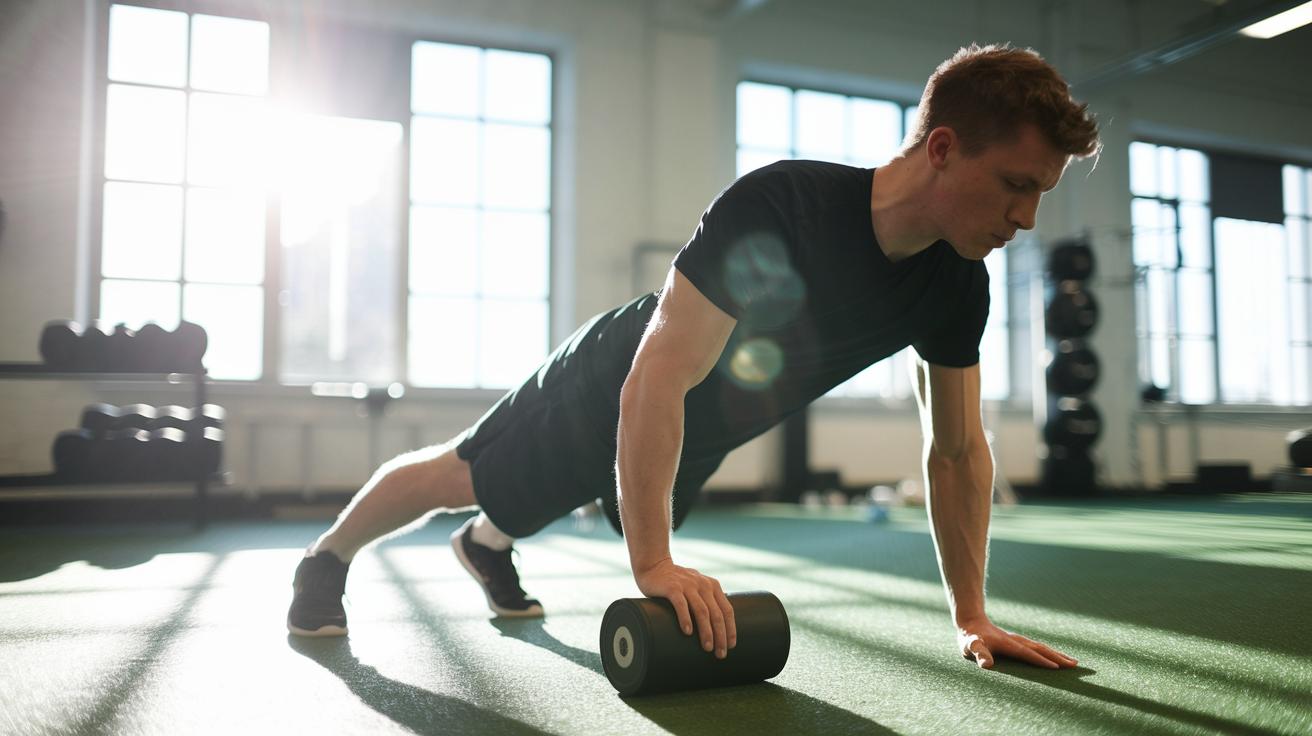
Taking time to recover is an important part of any HIIT workout. Intense sessions can leave your muscles and nerves feeling really tired. Giving your body a proper break not only helps you feel better but also makes you stronger for your next burst of effort. For example, you can try foam rolling or a cool contrast water therapy to loosen up tense muscles.
Lately, many people have been talking about smart ways to recover. You might add simple movements like leg swings or hip openers after a hard workout to keep your joints moving well. And sometimes, doing light exercises like slow rowing or gentle cycling during your session can help blood flow and cut down on soreness. These tips help your body stay flexible and ready for more high-energy work.
Adding these recovery practices into your week is a smart idea to avoid injuries. Setting aside days for rest and using these moves often helps repair muscles and improves the way you move, making your HIIT routine both safe and effective.
Final Words
In the action, the post covered many aspects of HIIT. It explored lively workout techniques like micro-interval bursts, hybrid strength mixes, and tech-fueled training, while comparing modern HIIT styles to classic sprint sessions. The tips on fat loss, performance gains, and thoughtful recovery practices add real value. Staying in tune with current hiit workout trends brings fresh energy to your routine and helps keep motivation high. Reading through these insights offers practical strategies for a healthier, happier everyday life.
FAQ
What are current HIIT workout trends 2021?
The current HIIT trends 2021 emphasize scalable workouts and tech-driven session tracking, making routines adaptable for various fitness levels.
What are some disadvantages of HIIT training?
The disadvantages of HIIT training include a higher risk for overexertion and muscle fatigue, so proper recovery days are important to reduce injury risks.
Is there a HIIT workout plan PDF available?
A HIIT workout plan PDF provides clear guidance, structured intervals, and detailed routines, making it easy to follow sessions at home or in the gym.
What are the benefits of high-intensity interval training?
The benefits of high-intensity interval training include a boost in metabolism, improved heart health, and a higher calorie burn during and after exercise.
What are some examples of high-intensity exercises?
High-intensity exercise examples feature burpees, circuit training, aerobics routines, and the Tabata protocol, each offering short bursts of vigorous effort.
How is HIIT suited for beginners?
HIIT for beginners involves modified work-to-rest ratios that ease physical demands, allowing newcomers to build strength safely over time.
How does high-intensity training benefit bodybuilding?
High-intensity training for bodybuilding combines strength work with interval bursts, improving muscle tone while offering cardiovascular benefits.
What defines a true HIIT workout?
A true HIIT workout is defined by repeated, short bursts of maximum effort separated by brief recovery periods to spike energy use and fat burn.
What is considered the newest exercise craze?
The newest exercise craze spotlights digital and hybrid HIIT formats, pairing traditional intervals with modern technology and virtual coaching.
What is the 30 20 10 rule for HIIT?
The 30 20 10 rule for HIIT breaks the session into three phases with moderate, high, and all-out efforts, each designed to maximize calorie burn effectively.
Is HIIT still popular?
HIIT remains popular because it delivers quick, effective results and adapts well to both in-person classes and digital platforms for varied fitness routines.
What might the next absurd fitness trend be?
The next absurd fitness trend could include unusual hybrid formats that mix strength moves with digital challenges, keeping workouts fresh and engaging.