Ever have one of those days when you feel completely swamped? Try taking a few slow, deep breaths to clear your mind and bring back your focus.
Imagine sitting at your desk, pausing for a moment, and feeling a cool burst of air wash away your stress while recharging your energy. It might seem small, but this little break can really boost how calm and alert you feel.
In this post, we'll chat about how these simple breathing exercises work and how they can truly change your daily routine for the better.
Daytime Mindful Breathing Exercises for Instant Stress Relief and Energy Boost
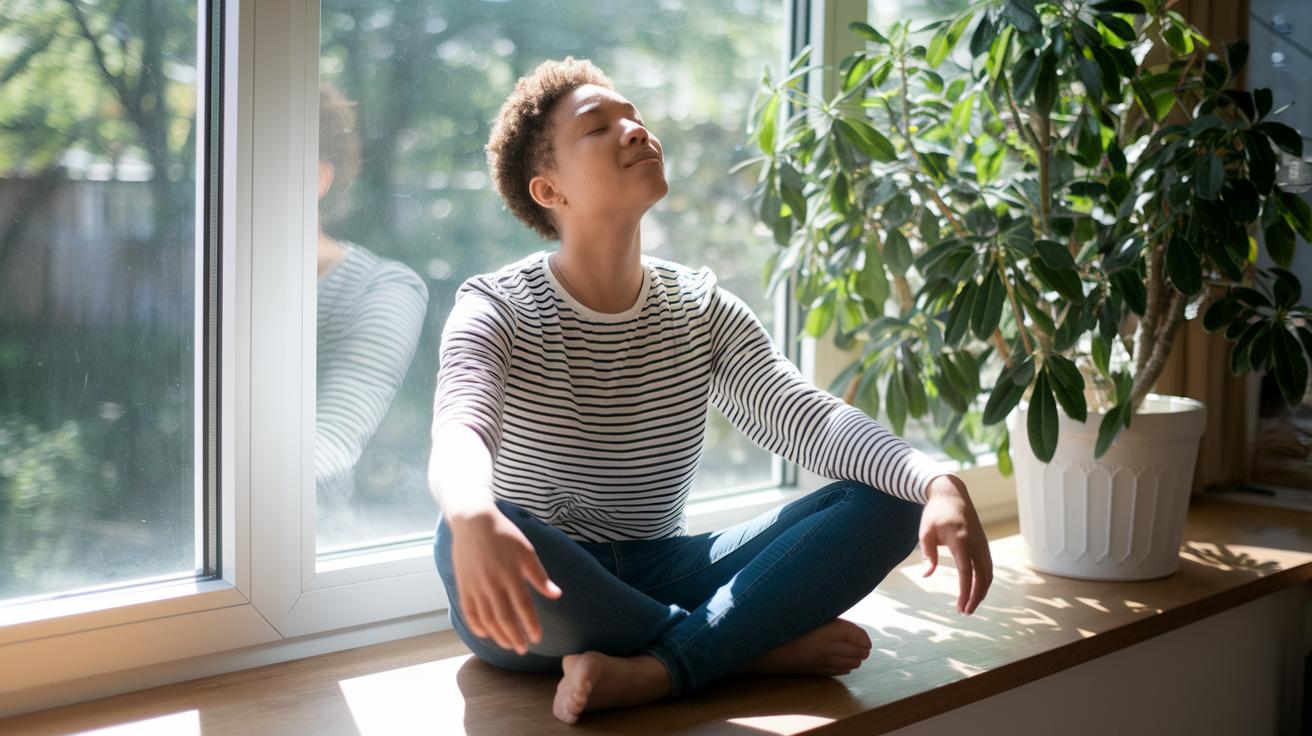
Mindful breathing is a super simple way to give yourself a little reset. It means just noticing how you breathe in and out naturally, without trying to change it. In just a few minutes, you might feel your worries slip away and your energy pick up, kind of like enjoying a cool breeze on a warm day.
Try this 6-minute mid-day breathing exercise to feel both calm and alert:
- Pick a comfy spot at your desk or next to a window. Imagine sitting by a sunny window, soaking in the warmth as you breathe.
- Close your eyes gently and tune in to your breath. Notice how the air feels cool as it fills your nostrils.
- Breathe in slowly for a count of two, then breathe out completely. Funny how a simple two-second count can reset your focus, right?
- Let your breathing flow at a relaxed pace. Picture a soft ripple across a pond to help guide each breath.
- Keep at it for six minutes, concentrating on each inhale and exhale.
Once you're done, you'll likely feel a bit more relaxed and aware. Practicing this regularly can help clear your mind, ease tension, and boost your energy throughout the day. Give it a try, you might be surprised at how much a few minutes of mindful breathing can help.
Core Steps of a Mid-Day Conscious Respiration Training Routine
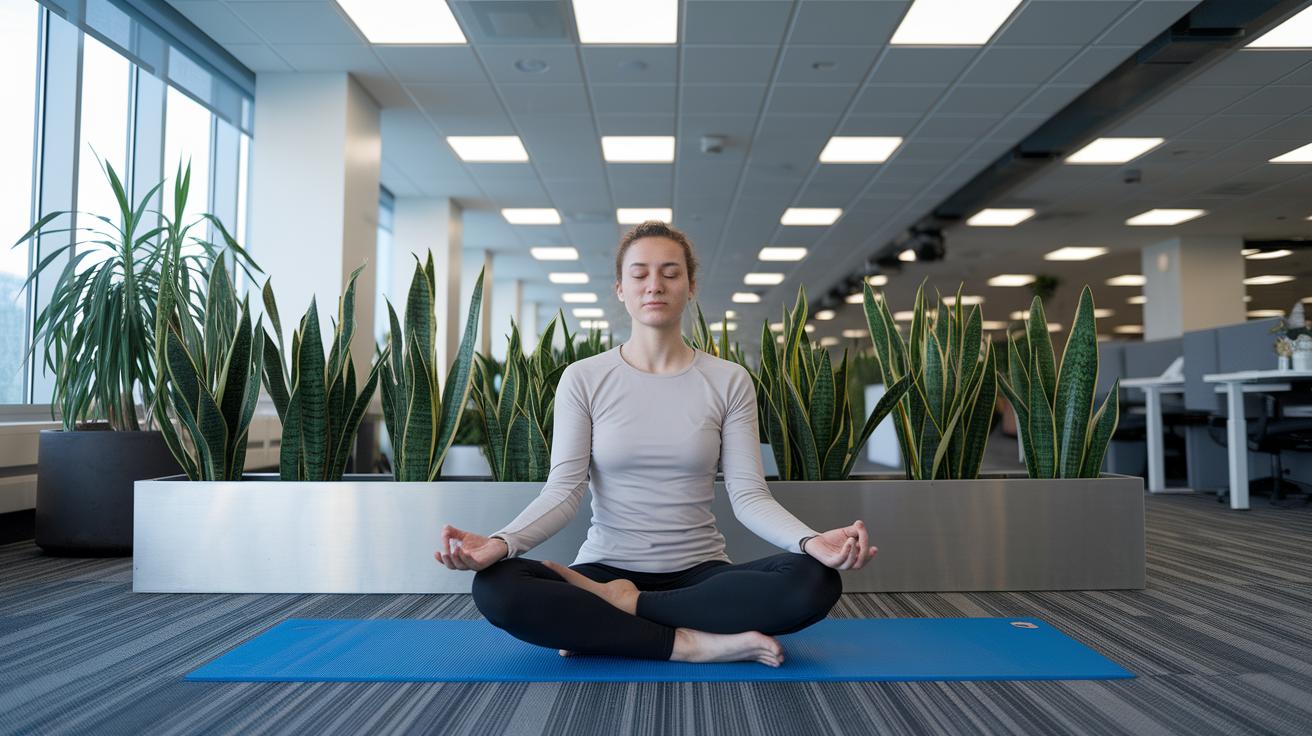
Feeling like you need a quick reset in the middle of your day? Try tailoring this breathing routine to match how comfortable you are right now.
Triangle Breathing:
• Breathe in slowly for 3 counts.
• Hold that breath for 3 counts.
• Breathe out gently for 3 counts.
Box Breathing:
• Inhale at a steady pace for 4 seconds.
• Hold your breath for 4 seconds.
• Exhale completely for 4 seconds.
• Take a short pause for 4 seconds before starting again.
Anchor Breathing:
• Pick something to gaze at as a simple guide.
• Notice your belly lifting as you breathe in.
• Feel your belly fall as you exhale.
4-7-8 Method:
• Take a deep breath in over 4 seconds.
• Hold it comfortably for 7 seconds.
• Slowly breathe out for 8 seconds.
Mix up these techniques each afternoon. This keeps your mind alert and prepares you to enjoy the rest of your day.
Integrative Strategies for a Workday Calm Technique
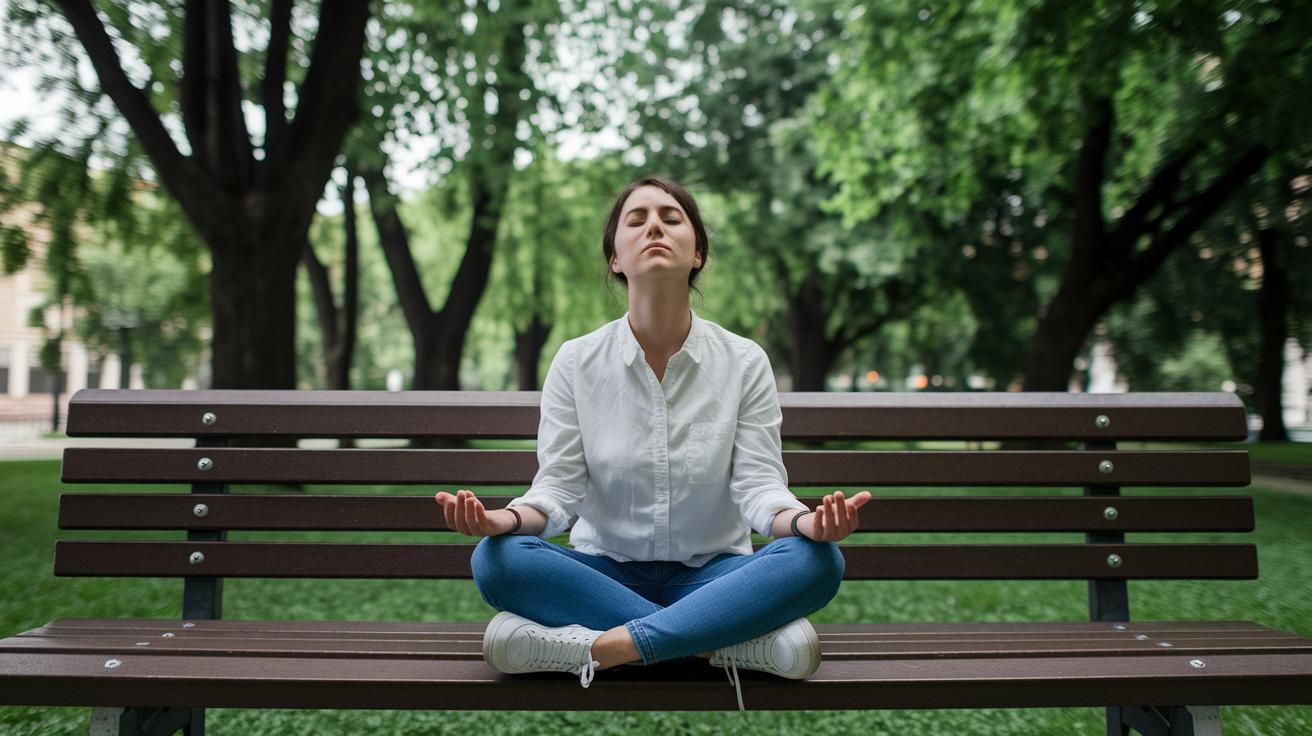
Between calls or during lunch, try taking a quick five to ten-minute break to focus on your breathing. Free PDF guides offer three simple, science-backed exercises you can use as a reference. Imagine pausing for a moment where every deep breath eases the day’s busyness.
Before video meetings or presentations, take a moment to calm your nerves. Inhale slowly and center your thoughts. You might say to yourself, "A few deep breaths help ease my jitters and set me up for confident speaking." It’s a gentle way to clear your mind and feel ready.
Set up calendar reminders that nudge you to pause and breathe. These little signals help keep your focus without interrupting your work. Let these moments of calm build up your day, one breath at a time.
Science-Backed Benefits of Daytime Mindful Breathing Exercises
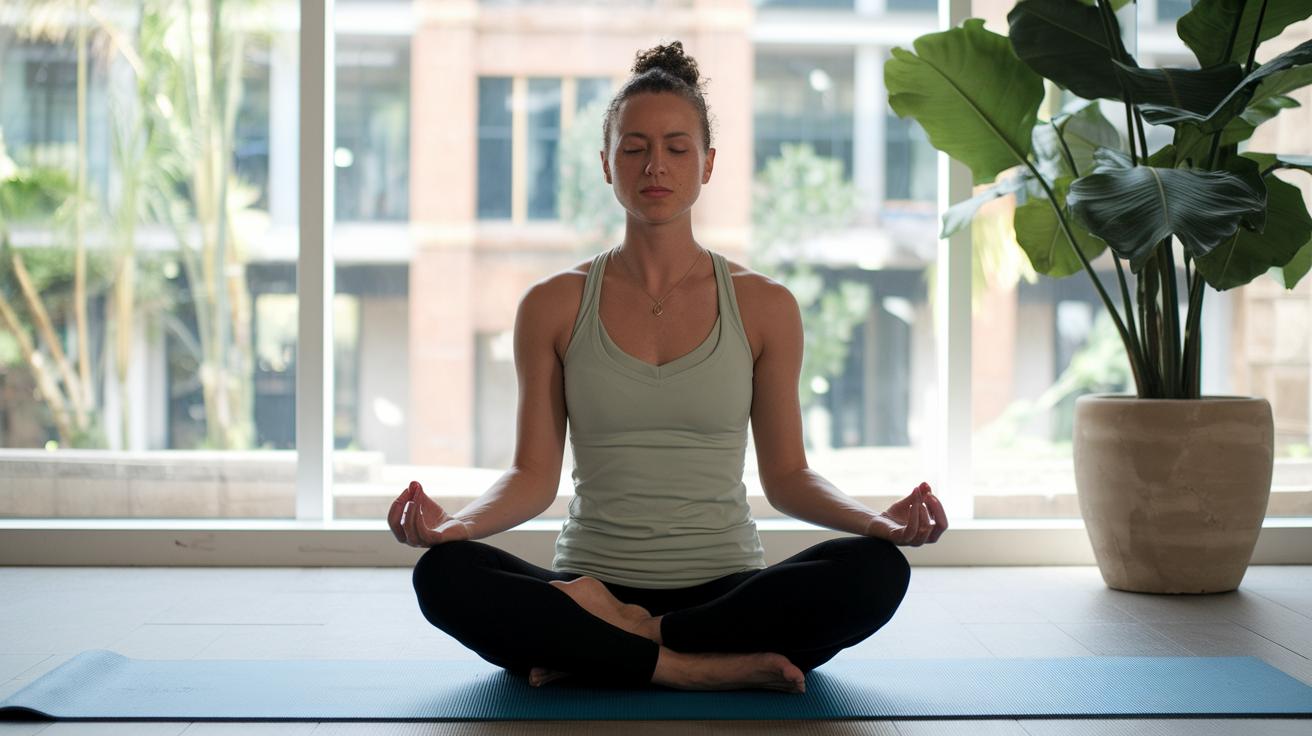
Research from 2010 and 2014 shows that mindful breathing can help activate what we call the parasympathetic nervous system. In simple terms, this means your body naturally lowers your heart rate and blood pressure. This easy breathing practice can reduce anxiety and quiet your mind, helping you feel calmer.
Mindful breathing creates a gentle, natural calm in your body. When you practice, your heart slows down and your blood vessels relax, which adds a deeper, soothing quality to your sessions. It really feels like a mini break to help you reset during the day.
This technique also helps keep your emotions in check. When you focus on slow, deep breaths, it can ease negative thoughts and relieve stress. Over time, it might help you feel more stable and balanced.
Another great benefit is the boost in focus and mental clarity. With this kind of breathing, your mind can clear up like a fog lifting after a refreshing shower, making daily tasks feel easier and more engaging.
For those dealing with chronic pain issues like fibromyalgia, migraines, or lower back pain, regular mindful breathing can offer some relief. With a little consistency, this calm breath practice may help set the stage for long-term wellness and a better quality of life.
Overcoming Common Barriers to Afternoon Meditative Inhalation Routines

It can be hard to stick with a mindful breathing routine when you feel crowded or rushed. Busy schedules, limited private space, and noisy surroundings can all throw you off from enjoying a peaceful session in the middle of your workday.
If your day is jam-packed, try setting a reminder on your phone to pause for just one deep breath. Inhale slowly and then exhale fully to recenter yourself. This little reset is a quick way to bring calm into even the busiest moments.
When you don't have much space or are sharing it with others, consider adjusting your posture. Find a quiet corner in your office or a calm spot at your desk. Even a small change in how you sit can help block out distractions and encourage a sense of ease.
Using a short guided audio meditation or a quick video can also keep your focus steady. And remember, it's all right if you face a few setbacks along the way. Just keep returning to your breath, knowing that each moment of pause helps build a stronger sense of calm and focus.
Final Words
In the action, we explored simple breathing techniques that help ease stress and boost energy. We broke down different methods, from counting your breath to using visual cues, to fit into even the busiest workday routines. Small practices like these can make a big difference when you need a quick reset.
Remember, incorporating daytime mindful breathing exercises into your daily routine can help you feel more alert and at ease. Every mindful breath brings calm, balance, and a fresh burst of energy.
FAQ
What types of mindful breathing resources are available?
The mindful breathing resources include easy-to-follow PDFs, scripted guides, and short exercise demonstrations. These tools are crafted for adults, students, and kids to help everyone practice simple breathing techniques.
What are the benefits of mindful breathing?
The mindful breathing benefits include lowering stress, boosting energy, and sharpening focus. Regular practice helps calm the mind, easing anxiety while fostering emotional balance and overall well-being.
What is the best way to breathe during the day?
The best way to breathe during the day is to focus on gentle, natural inhalations and exhalations. This simple approach, especially with a brief guided routine, quickly improves mood and energy.
What is the 4-7-8 rule?
The 4-7-8 rule means you inhale for four seconds, hold the breath for seven seconds, and slowly exhale for eight seconds. This structured method helps calm the nervous system and reduces stress.
What is the best breathing exercise for mindfulness?
The best breathing exercise for mindfulness is one that centers your attention on each breath. Whether it’s a guided routine or a simple focus on natural breathing, it helps quiet the mind and boost clarity.
What is the 2-minute mindfulness exercise?
The 2-minute mindfulness exercise involves pausing to focus solely on your inhalation and exhalation. This brief practice resets your attention and provides a quick boost of calm during a busy day.