Ever feel caught in a storm of constant notifications? When your mind is buzzing with digital noise, mindful breathing might be just what you need. Taking a few slow, deep breaths can help calm your body and clear your thoughts. It works like a mental refresh button.
In today’s busy world, a moment of mindful breathing can guide your focus back to what truly matters. Try it out and see how a simple pause can boost your concentration and help you feel more centered throughout your day.
mindful breathing for improved concentration sparks clear focus
Everyday life can feel like it's buzzing with endless interruptions. You might find yourself pulled away by phone buzzes, constant alerts, or the latest social media update. These sudden breaks can make it hard to stay in the zone.
When our attention is constantly hijacked, we need simple ways to regain our focus. Many experts say that mindful breathing can help. This easy practice works by calming your body and easing stress, which helps you get back on track.
Just try a simple technique: breathe in slowly for four counts, hold for four, then exhale for four. This method boosts the flow of oxygen to the part of your brain that manages focus while also keeping your emotions in check. Imagine that each breath is like a mini reset for your mind.
Even short bursts of mindful breathing can make a difference. Over time, this practice can reduce stress and sharpen your focus. It fits into busy schedules and serves as a practical tool when you find your concentration slipping. So next time distractions pull you away, take a moment to breathe deeply and welcome clarity back into your day.
Practical Mindful Breathing Exercises for Concentration
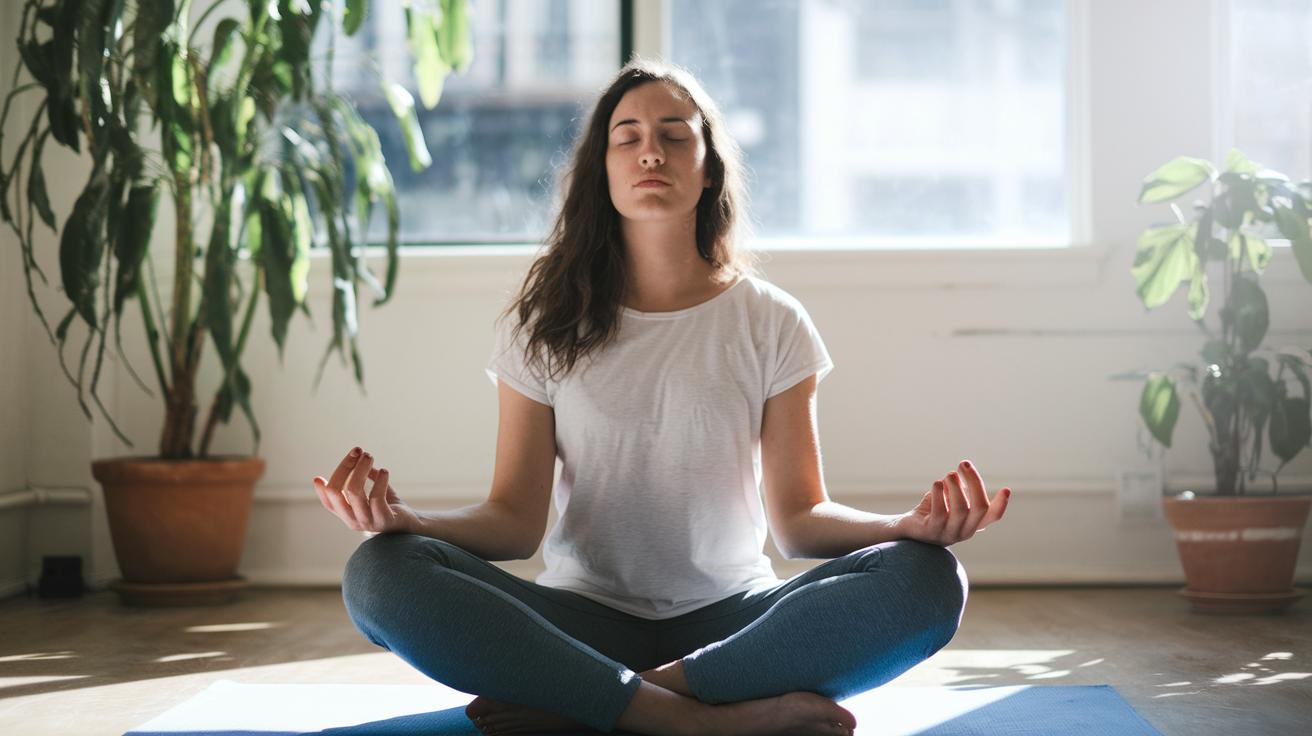
These simple breathing techniques help you regain focus no matter where you are. They only take a few minutes, need no special tools, and can easily fit into any moment of your day.
-
Box Breathing
- Sit up straight but keep your body relaxed. Slowly breathe in through your nose for 4 counts.
- Hold that breath for 4 counts, keeping your shoulders loose and your mind calm.
- Exhale slowly for 4 counts, letting go of any tension.
- Keep your breathing steady, and notice how your chest and belly move naturally.
- Try this out during a quick break, like just before your morning routine or after a brief session of morning meditation.
-
4-7-8 Breathing
- Sit comfortably and breathe in steadily for 4 counts, filling your belly instead of just your chest.
- Hold your breath gently for 7 counts, taking a moment to enjoy the stillness.
- Exhale slowly for 8 counts as you feel stress leave with your breath.
- Maintain a relaxed posture with your hands resting on your lap.
- Use this exercise when you feel overwhelmed, it helps you let go of built-up tension.
-
Diaphragmatic Awareness
- Find a quiet spot and breathe in through your nose for 4 counts. Focus on watching your belly rise; you might even place a hand on it to feel the motion.
- Hold this natural breath for 4 counts, really tuning in to your body’s calming rhythm.
- Exhale gently for 4 counts, noticing your belly fall as you let go of distracting thoughts.
- Sitting upright in a peaceful area helps you feel more connected between your body and your mind.
- Enjoy the refreshing sense of balance and feel ready to take on interruptions with ease.
Mechanism of Mindful Breathing in Improving Concentration
Controlled breathing helps your body feel less stressed by gently activating the calm part of your nervous system. Think of it as a quick clear-your-head break after a hectic moment. When you take slow, careful breaths, you naturally ease out of that fight-or-flight reaction, letting your focus come back more smoothly.
Mindful breathing also makes you more aware of your oxygen intake. Breathing in through your nose boosts the release of nitric oxide, a helper that sends extra oxygen to the front part of your brain where alertness lives. This oxygen boost helps keep your mind sharp, even when distractions try to catch you off guard.
Regular deep breathing isn't just relaxing, it also changes the way your brain works. Over time, your brain shifts from fast, busy beta waves to calmer alpha waves. This gentle transition builds new pathways that keep drawing your attention back to your breath, making it easier to stay on track throughout your day.
Integrating Mindful Breathing into Daily Routines for Better Focus

Taking short breathing breaks is a quick way to clear your mind before you start a task or jump into a meeting. Every time you sit down to work, try pausing for just a minute. For example, take three deep breaths in and three out. This little drill eases tension and helps you refocus before you check emails or start a project.
You can easily add this habit to parts of your day that already have a routine. Before you open your inbox, or right after finishing a call, pause and breathe slowly for a minute. Little moments like these act as gentle reminders to bring your mind back to the present. Over time, these quick breaks build a pattern of calm, making focus easier even when your day gets busy. A phone reminder or a quiet moment between meetings might be just the cue you need.
At work or home, give yourself a pause before any stressful moment. A deep, mindful breath can change a hectic moment into a peaceful one. These small changes can make a big difference in how clear and relaxed you feel throughout your day.
Case Studies of Mindful Breathing for Improved Concentration
Children have enjoyed creative breathing exercises that feel both fun and focused. A June 22, 2022 article shared ideas like Dragon Fire Breaths, where kids pretend to unleash a strong, fiery exhale. There are also Rainbow Stretches, which invite them to picture bright colors painting the sky after rain; Blowing Bubbles, a playful way to slow down their breathing; and even a Darth Vader drill that turns simple breathing into an exciting game. These exercises have made a clear difference in classroom focus as children use their imaginations while learning to handle distractions. One teacher noted that just a few moments of Blowing Bubbles helped a child switch attention back to a tricky math problem.
Adults have found mindful breathing to be a helpful trick too. Many use a four-step technique several times each day. The method is simple: take a deep breath, hold it briefly, and then exhale slowly. Experts say this routine can improve how well they work and even boost speed on tasks. One professional shared that these short sessions not only help clear their mind but also make stressful moments easier to handle. This practical strategy works as a quick reset and supports sharper focus during busy days.
Final Words
In the action, we explored how everyday distractions challenge focus and how simple breathing techniques can reset your mental clarity. Our discussion covered easy exercises, physiological benefits, and real-life examples that show how each breath can help anchor your concentration.
This article highlighted mindful breathing for improved concentration as a natural way to balance busy moments. Embrace these insights, try the techniques, and feel the small yet powerful boost in your day.
FAQ
What do mindful breathing videos on YouTube teach about improving concentration?
Mindful breathing videos on YouTube teach methods that help you stay calm and improve focus. They offer step-by-step visual guides for practicing breathing exercises that counter distractions in everyday life.
How do breathing exercises aid concentration, memory, and overall focus?
Breathing exercises boost concentration and memory by calming the mind and reducing mental clutter. They help guide your focus and support clearer thinking throughout your daily tasks.
What breathing meditation techniques are recommended for beginners?
Breathing meditation techniques for beginners are simple practices encouraging slow, deliberate inhales and exhales. They are designed to ease stress and gently introduce you to the practice of centering your thoughts.
What benefits come from practicing breathing meditation?
Breathing meditation offers benefits like reduced stress, enhanced clarity, and improved focus. It helps you stay present and clear-headed, making daily challenges easier to manage.
Where can adults find mindfulness exercises in PDF format?
Mindfulness exercises for adults often come in downloadable PDF guides. These resources provide clear, structured routines that help manage anxiety and boost focus through simple, accessible practices.
How does practicing mindfulness help with anxiety?
Practicing mindfulness for anxiety means using simple breathwork to center your thoughts and calm your mind. This practice gently eases anxious feelings by redirecting your focus to the present moment.
How can I use mindfulness techniques to improve my focus?
Mindfulness techniques to improve focus involve regular moments of deep breathing and quiet reflection. By returning your attention to your breath, you can clear distractions and foster sharper, more sustained concentration.