Ever wondered if a simple herb could help you feel less stressed? Ashwagandha is a natural plant that might just be what you need. It works with your body's stress system to help keep your cortisol levels (the hormone that can affect your sleep and mood) in check.
This herb has been used for ages and is known for its calming effects. Imagine the gentle relief of a cool breeze on a warm day, that’s what using ashwagandha might feel like.
Stick with us to find out how this herb could add a little more calm to your everyday life.
Ashwagandha Stress Relief: Inspires Serene Balance
Ashwagandha is part of a group of natural herbs called adaptogens. These herbs help your body stay balanced when stress comes knocking at your door. They gently support your body to adjust to changes from both within and around you. Many folks choose ashwagandha as a natural way to relax and keep their overall wellness in check.
Recent research from April 2024 shows that ashwagandha works closely with a system in your body known as the HPA axis, which is like your body’s stress control center. In simple terms, ashwagandha helps balance cortisol, the stress hormone that can disturb your sleep and mood. When cortisol levels are steadier, you might notice sleep improving and tension easing off. This herb pairs naturally with other wellness practices to help create a calm and balanced state.
The real magic of ashwagandha is in how it helps manage everyday stress. By tuning down the body’s stress signals and balancing cortisol, ashwagandha can ease tension and contribute to better sleep. If you’re looking for a natural way to handle life’s pressures, ashwagandha might just be the gentle helper you need.
Traditional Ashwagandha Uses in Ayurvedic Stress Support
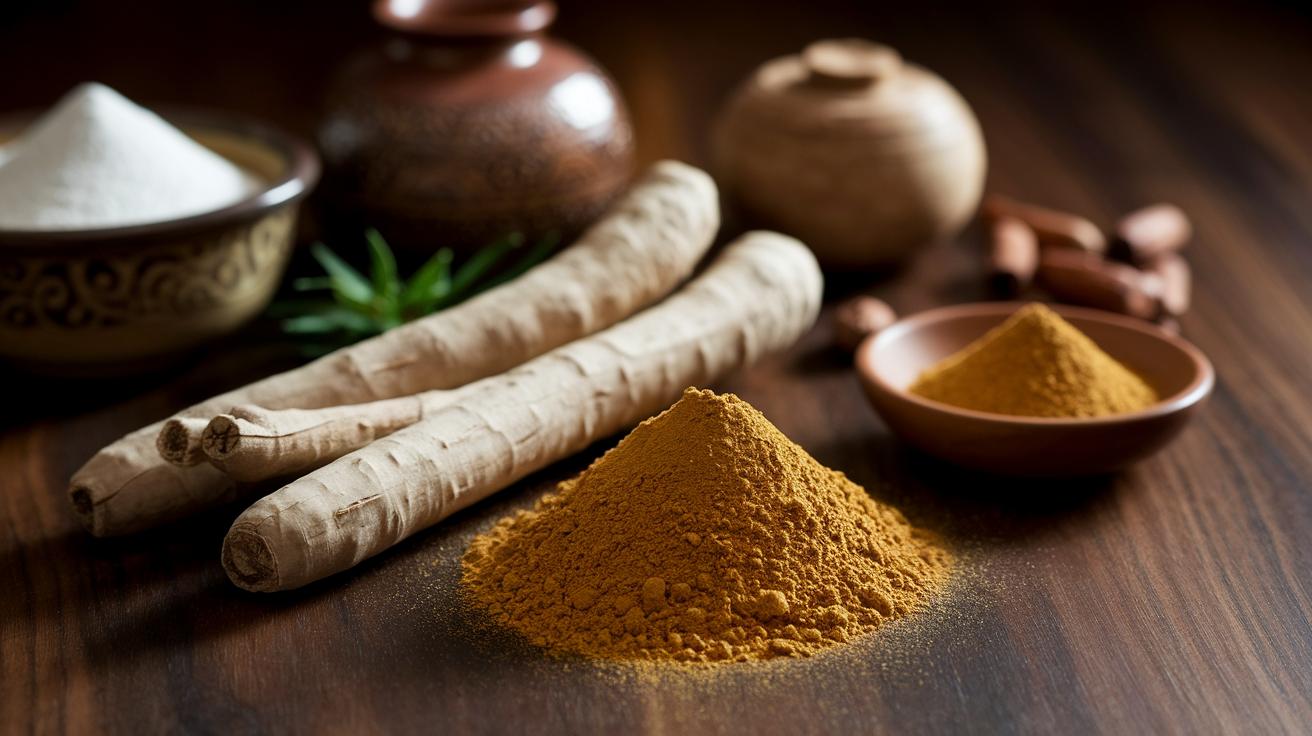
Ashwagandha, which many also call winter cherry or Indian ginseng, is a herb you can trace back for centuries in Ayurvedic traditions. It mainly grows in India and can be found in places like the Middle East and Africa. Long ago, healers used it to calm the mind, soothe pain, and boost energy. You might've read that ancient texts described ashwagandha as the secret to a peaceful mind and a robust body.
In old herbal recipes, ashwagandha was mixed with other natural ingredients to create a relaxing tonic. Often, practitioners would grind it into a powder and stir it into warm milk with spices, making a comforting drink. These special mixtures were more than just recipes, they were passed down as valued traditions meant to support overall health and well-being.
Clinical Evidence for Ashwagandha Stress Relief
Recent studies show that ashwagandha (withania somnifera, its scientific name) can help ease stress and promote better sleep. In a review from 2022, researchers found that this herb is both safe and effective at lowering stress levels. People who took ashwagandha experienced less anxiety and enjoyed improved sleep. One study even suggested that it can boost brain function, probably because it supports the system in your body that handles stress control.
In several trials lasting between 2 and 4 months, scientists noticed a positive shift in how people handled stress. Participants were split into groups, one group took ashwagandha, and the other took a placebo (a pill with no active ingredient). Their stress levels and sleep quality were checked regularly. The results consistently showed that those taking the herb had reduced anxiety and better sleep. Many studies also hinted at improvements in mental clarity and overall focus. Researchers used standard tools like stress questionnaires and sleep diaries, which gives these findings a solid backing.
While these results are very promising, there are a few things to keep in mind. The number of people in these studies varied, and the trials didn't all run for the same length of time. We still need more research to understand the long-term effects fully. So, even though the current findings are encouraging, it's best to approach them with cautious optimism.
Ashwagandha Stress Relief: Dosage and Usage Guidelines
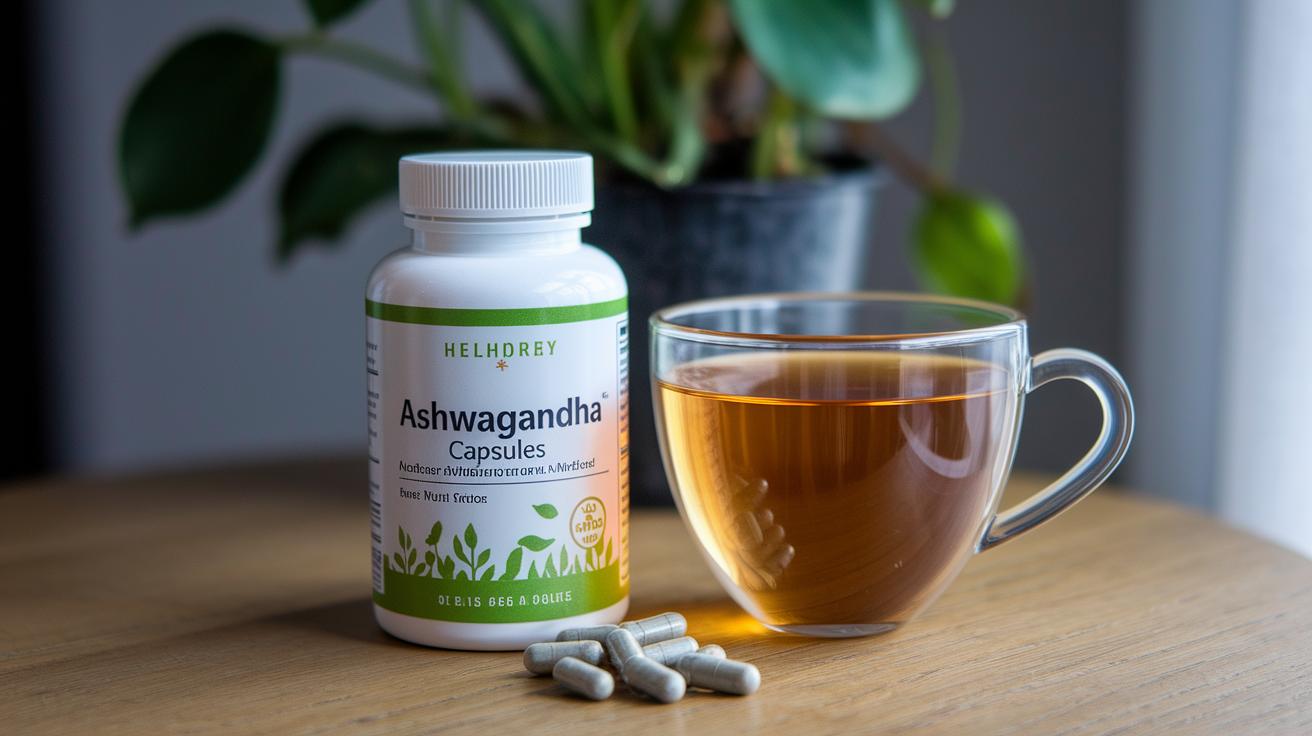
If you're thinking about using ashwagandha to help manage stress, it's useful to know the right amount to take. Research often suggests a daily dose between 250 mg and 1,250 mg of the root extract. You can find ashwagandha in capsules (usually with 5% withanolides), as a powder, or even as a tincture. A lower dose might work for everyday stress, while a higher dose in the evening might gently help you relax before sleep.
- 250–500 mg daily for everyday stress support
- 500–1,000 mg in the evening to promote better sleep
- Capsules standardized to 5% withanolides
- Powdered extract that you can mix with milk or water
- Consider cycling every 8 weeks with a 1-week break
When you take ashwagandha matters, too. A dose in the morning can help boost your energy and focus throughout the day, while an evening dose often supports a calmer night and more restful sleep. The form you choose might change how quickly you notice the benefits. Try adjusting the timing of your doses to see what fits your routine and sleep habits best. If you're unsure, have a chat with your wellness guide. Little changes over time can help you feel more balanced and at ease. Trust the process and listen to your body.
Ashwagandha Stress Relief: Side Effects and Safety
Ashwagandha is a gentle herb that most people take without much trouble. Many enjoy its stress-relieving benefits when used as directed, and serious reactions are rare. However, a few minor issues might show up for some users.
Some people might feel a bit sleepy, experience stomach pain, or notice that their tummy feels upset. There have even been isolated reports of occasional drowsiness and, in very rare cases, a slight effect on liver function.
It’s smart to be a little cautious if you fall into certain groups. For example, if you're pregnant, nursing, have an autoimmune condition, or are taking thyroid medication, it might be wise to check with a healthcare provider first. Every person’s body responds a little differently, so staying in touch with your own body’s signals is a good idea. If you notice any changes, you can adjust your routine accordingly. This way, you get to enjoy ashwagandha’s natural benefits while keeping any unwanted side effects under control.
Combining Ashwagandha Stress Relief with Holistic Practices

Adding ashwagandha to your daily routine can be a tasty, simple way to ease stress. Try mixing it into your morning smoothie or stirring a little into your herbal tea. It works wonderfully when paired with healthy foods like leafy greens and whole grains, helping to steady your mood and keep your energy even. Imagine a bright, colorful salad or a warm bowl of soup made even more soothing with a sprinkle of this calming herb.
Regular exercise and mindful moments make a great team with ashwagandha. Picture finishing a brisk walk with a few quiet minutes to reflect or enjoy a bit of meditation. You might even toss it into your post-workout drink to help your muscles recover. If you love blending exercise, meditation, and good nutrition, checking out some holistic health websites could be a fun way to explore new routines that nourish both body and mind.
Good sleep is another key piece of the puzzle for stress relief. Think about enjoying a light, ashwagandha-infused drink before bed as part of your sleep ritual. Keeping your sleeping space cool and quiet can boost this herb’s soothing power, paving the way for a deep, restorative night’s sleep.
Expert Insights and User Experiences on Ashwagandha Stress Relief
Dr. Jane Miller, who has worked with natural therapies for many years, tells us that early signs show ashwagandha might help lower anxiety and ease tension. She shares that patients report feeling less stressed, though more studies are needed to be sure.
Many people have noticed clear changes after using ashwagandha. One person said, "Since I began taking ashwagandha, I feel so much calmer and sleep much better." Others mention how the herb helps ease tension, making even busy days feel lighter. They often talk about a calmer mood, smoother sleep, and an overall lift in their day-to-day energy.
Even though these personal stories are very encouraging, it's good to balance them with the clinical findings. More research will help us understand if ashwagandha truly supports a stress-free lifestyle.
Final Words
In the action, ashwagandha stress relief takes you through adaptogenic insights, traditional Ayurvedic practices, clinical evidence, dosage tips, and safety advice. Each section leaves you with simple, clear tips on achieving stress reduction and balancing overall wellness.
The blog helps connect these practical ideas with holistic practices and firsthand experiences. Keep embracing these natural methods and enjoy small wins on your path to better living and fitness.
FAQ
What are the common side effects of ashwagandha and do they differ by gender?
The ashwagandha side effects include stomach pain, sleepiness, and diarrhea. These effects are similar across individuals, though slight differences may occur between women and men.
What benefits does ashwagandha offer for both women and men?
The ashwagandha benefits for women and men include reducing stress, improving sleep quality, and supporting mood balance. Women may also experience hormonal balance support, while men might see testosterone support.
How long does ashwagandha take to work for anxiety and stress relief?
The ashwagandha takes effect on anxiety and stress relief usually within two to four weeks. Individual results may vary, but many users notice improved calm and better sleep during this period.
Can ashwagandha relieve stress and how does it work?
The ashwagandha relieves stress by balancing cortisol and supporting the body’s stress response system. This helps lower overall stress levels and contributes to a more relaxed state.
What should I know about taking ashwagandha gummies and dosage for testosterone?
The ashwagandha gummies offer a tasty option for stress relief, while a dose of 250–500 mg daily of a standardized extract may support testosterone. Always follow product instructions and consult a healthcare provider.
Is ashwagandha safe for pregnancy and kids?
The ashwagandha is generally not recommended for pregnant or nursing women, and caution is advised for children. It is best to consult a healthcare provider before using it in these groups.