Have you ever taken a few slow, deep breaths and felt your day change? Taking a moment to breathe mindfully can help your body relax and even cool down high blood pressure. When you focus on each gentle breath, you help steady your heart while easing your blood vessels.
It’s like giving your body a little timeout. These simple breathing exercises lower tension and help you feel more balanced. Join us as we explore easy techniques that bring calm back to your everyday life.
How Mindful Breathing for High Blood Pressure Lowers Your Numbers
Mindful breathing calms your body's stress systems and helps lower hormones that can raise blood pressure. Taking deep, slow breaths lets your body relax, smooths out your pulse, and eases tension in your blood vessels. Even spending just a few minutes focusing on your breath can start a balance in your body that many folks notice over time.
When you practice mindful breathing, the parts of your brain that control your breaths help set a steady heart rate too. This connection can improve the heart's natural rhythm and keep it working smoothly. Have you ever felt how a steady, slow breath can make you feel more in control?
Slow breathing also reduces the release of stress hormones, lightening the load on your heart and blood vessels. With every calm, measured breath, imagine a wave of relief washing over you, melting away anxieties that might spike your pressure. This simple habit can work hand-in-hand with other heart-healthy routines to keep you feeling balanced. For more tips on staying well, check out holistic health and wellness at https://medsfax.com?p=1331
Mindful Breathing for High Blood Pressure: Step-by-Step Exercises
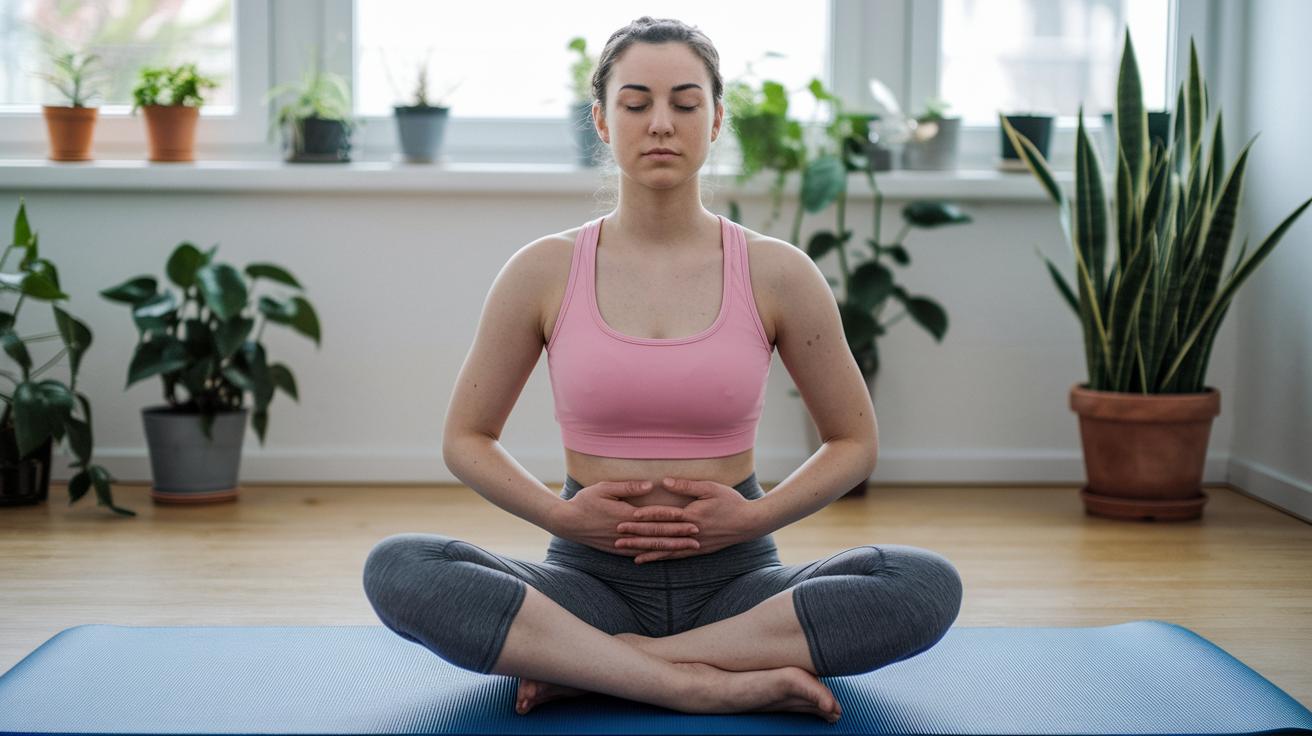
Mindful breathing is a gentle way to help your body and heart feel calm. It uses slow, steady breaths that lower stress and help control blood pressure. These exercises guide you to breathe deeply and slowly, syncing with your body’s natural beat as a great add-on to your daily wellness routine.
4-7-8 Breathing
Sit comfortably and close your eyes. Breathe in slowly through your nose for 4 seconds, hold for 7 seconds, then breathe out completely through your mouth for 8 seconds. This steady pattern tells your body it’s time to relax and eases tension.
Diaphragmatic Breathing
Place one hand on your chest and the other on your belly. Take a slow, deep breath in through your nose so that your belly rises while your chest stays still. Exhale gently and notice your hand moving down as you let the air out. This method helps your lungs fill completely.
Paced Breathing
Find a quiet spot and set a gentle pace for yourself by breathing in for 5 seconds and out for 5 seconds. Focus on keeping both parts equal to create a smooth, calm rhythm. This balanced approach supports a steady heart rate and a smooth oxygen flow throughout your body.
Pursed-Lip Breathing
Breathe in normally through your nose. Then, purse your lips as if you’re about to whistle, and exhale slowly. Try to stretch your exhalation longer than your inhalation to ease the effort of breathing and promote a smooth airflow.
Regularly practicing these mindful breathing exercises can really help manage your blood pressure. Gradually adjust the length of your practice, and keep things fun and consistent for lasting benefits.
Scientific Research on Mindful Breathing for High Blood Pressure
Recent studies show that when people practice mindful breathing techniques like transcendental meditation, their blood pressure can drop. In one analysis, folks saw their top number decrease by about 4.7 mm Hg and their bottom number by 3.2 mm Hg on average. Researchers also noticed an improvement in heart rate variability, a sign that the body manages stress better. This means that slow, steady breaths not only relax your muscles but also help your heart and lungs work together to move oxygen smoothly through your body.
The science behind mindful breathing suggests that deep, controlled breaths work best when paired with a healthy lifestyle that includes good eating habits and regular exercise. It appears that focusing on your breath can lower stress hormones that sometimes pile on the pressure. For instance, adding mindful breathing to a plan for managing high blood pressure can give your body an extra boost to keep heart rates stable. The take-home message is that incorporating these breathing practices into your daily life could be a simple, natural way to help control your blood pressure.
Safety Guidelines for Mindful Breathing in High Blood Pressure
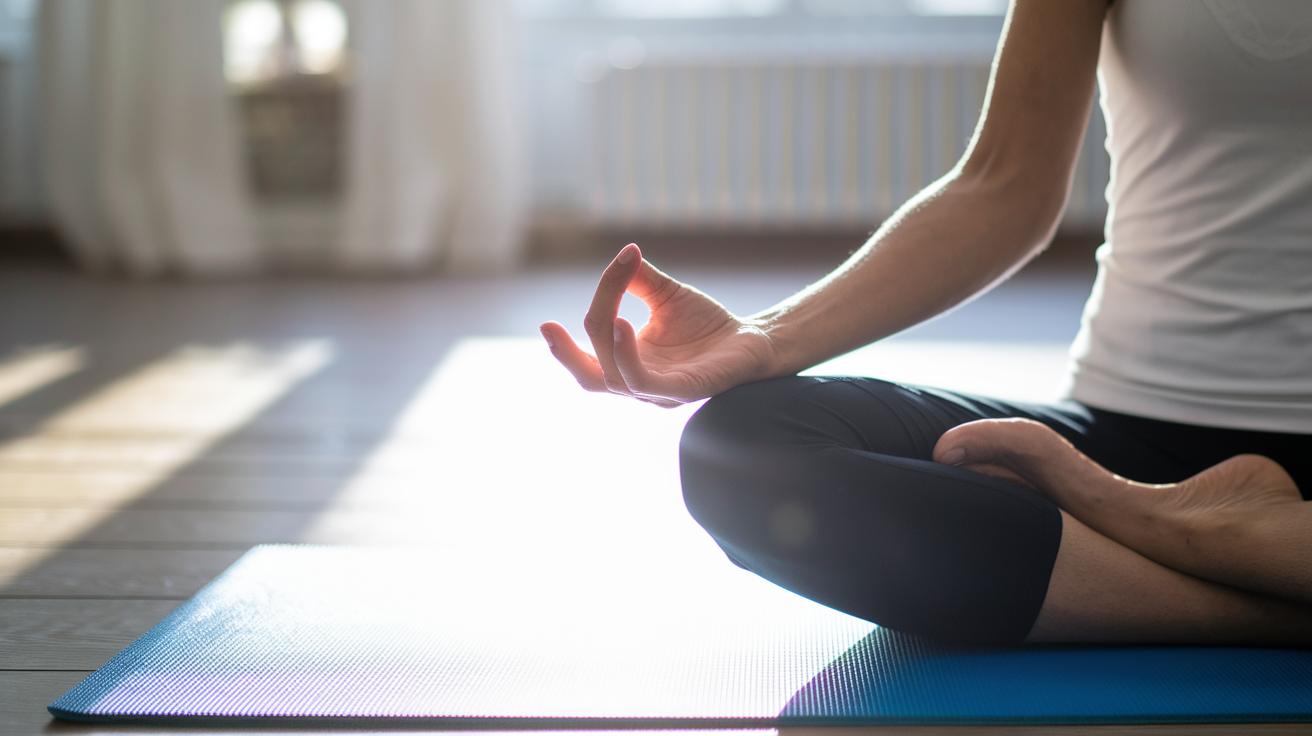
Starting a mindful breathing practice can be a gentle way to help your heart feel calm. If you're new to these exercises, keep it simple and safe. Begin by taking just a few minutes to focus on your breath, and always listen to your body.
Start with sessions lasting 5 to 10 minutes. As you grow more comfortable, you can slowly work up to 20 to 30 minutes. It’s a bit like stretching in the morning, gradual progress is the key.
It can be really useful to check your blood pressure before and after your breathing sessions. This way, you can see how your body responds and adjust your practice if needed.
Remember to keep a relaxed posture. Try to sit or stand in a way that lets your chest and belly move freely as you breathe. Slow, steady breaths are best. Avoid breathing too fast or deep, as that could overwhelm your body.
And if you're taking medications for high blood pressure, it's a good idea to have a quick chat with your doctor before starting any new breathing exercises.
Following these tips can help make your mindful breathing both safe and effective. With a bit of practice and self-checks, you can support a healthy blood pressure while enjoying a calm and focused mind.
Daily Mindful Breathing Routines for High Blood Pressure Management
Daily mindful breathing is a simple way to help keep your blood pressure steady and bring a sense of calm. When you take a few minutes each day to focus on your breath, you build an easy habit that fights stress and creates a smoother rhythm for both your heart and mind. Over time, this practice teaches your body to relax even when life feels hectic.
Here’s a simple plan you can try:
- Morning (when you wake up): Enjoy 5 minutes of deep belly breathing. Take slow, full breaths to kickstart your day.
- Mid-morning: Spend 2 minutes on deep, relaxed breaths. This quick pause helps clear your mind.
- Midday (during your lunch break): Use 3 minutes for a 4-7-8 breathing pattern, breathe in for 4 seconds, hold for 7 seconds, and exhale for 8 seconds. It’s a gentle way to break up work.
- Afternoon (during a break): Practice 3 minutes of even, paced breathing. This keeps your energy balanced.
- Evening (before sleep): Do 5 minutes of pursed-lip breathing. It helps your body wind down and signals that the day is ending.
Feel free to switch up these times or add an extra minute when you can. Customizing this routine to fit your day can make the practice more enjoyable and truly yours.
Integrating Mindful Breathing and Lifestyle for High Blood Pressure Relief
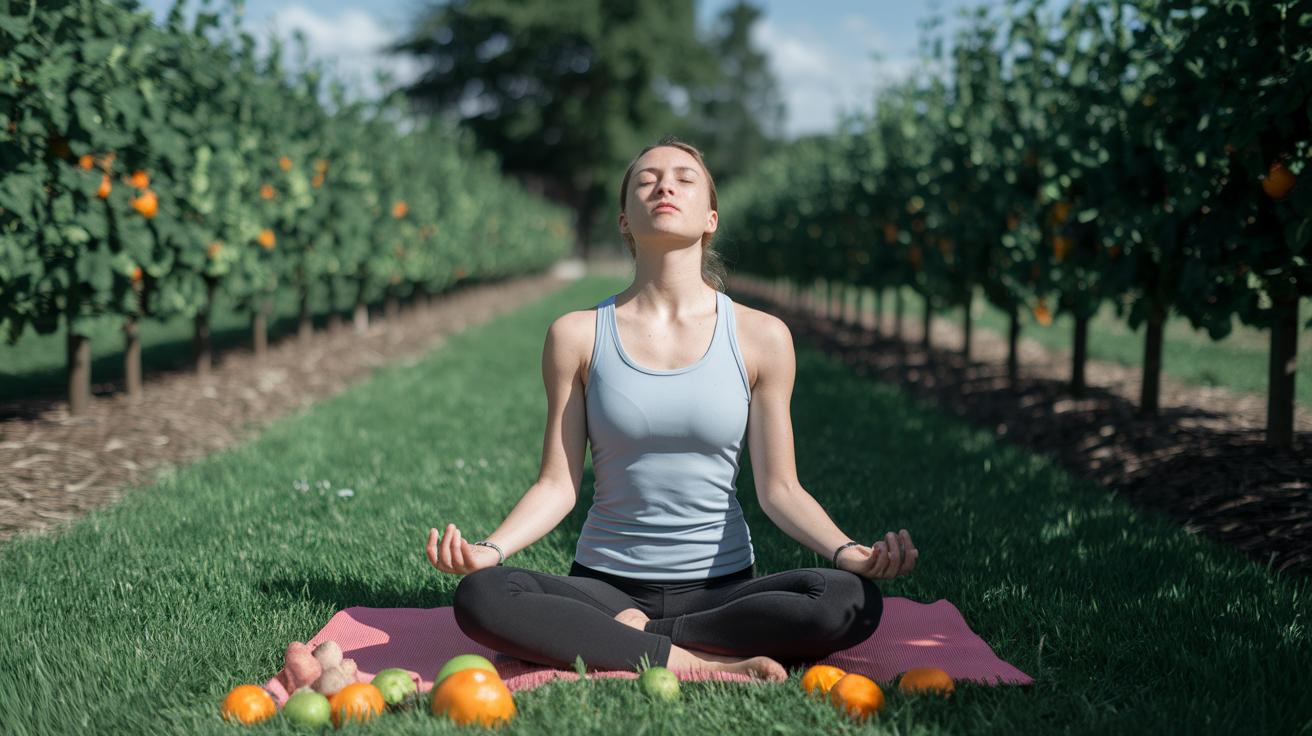
Taking deep, mindful breaths along with small daily changes can really help keep your blood pressure in check. When you practice slow, steady breathing and combine it with a diet that is rich in fruits and vegetables (like the DASH diet, which uses less salt), some light cardio, and keeping your weight in balance, you set up a friendly routine for your heart. It’s like giving your body a little tune-up every day.
This mix of calming breathwork and healthy living shows you that simple habits work well together. Imagine pairing a quiet moment of deep breathing with choosing a healthy meal or a friendly walk. That combination can ease stress and keep your heart strong.
For a closer look at these ideas, check out this simple guide:
| Strategy | Description |
|---|---|
| DASH Diet | Eat plenty of fruits and vegetables while cutting down on salt to help keep your heart happy. |
| Cardio Workouts | Enjoy a brisk 30-minute walk or similar activity to boost your blood flow. |
| 10-Minute Breathing Sessions | Set aside a few minutes each day to take slow, deep breaths and help your body relax. |
By weaving these elements together, you build a strong foundation for better blood pressure control. Over time, these natural steps not only help lower stress but also show how your breath, body, and everyday choices connect. It’s a gentle reminder that taking care of your health can be as simple as focusing on one deep breath at a time.
Final Words
In the action, we explored how mindful breathing can lower blood pressure by easing stress and syncing heart rate with our breathing pace. We covered techniques like the 4-7-8 and diaphragmatic methods, offered simple safety guidelines, and shared daily practice ideas. The research confirms that slowing down your breath helps reduce stress hormones and improves heart rate variability. Keep practicing your mindful breathing for high blood pressure and feel the calm. For further reading on integrated wellness approaches, check out our "holistic health and wellness" page: https://medsfax.com?p=1331.
FAQ
What are the 7 truths about lowering blood pressure with mindful breathing?
The 7 truths show that mindful breathing reduces stress, stabilizes heart rate, promotes relaxation, lowers stress hormones, and supports overall cardiovascular health.
How does 4-7-8 breathing lower blood pressure?
The 4-7-8 breathing method lowers blood pressure by guiding you to inhale for 4 seconds, hold for 7 seconds, and exhale for 8 seconds, which calms the nervous system and reduces stress.
Can a 5-minute breathing exercise help lower blood pressure?
A 5-minute breathing exercise can help lower blood pressure by quickly reducing stress levels, easing tension, and supporting a more relaxed cardiovascular system.
Should you take deep breaths while measuring blood pressure?
Taking deep breaths while measuring blood pressure helps settle your mind, reducing temporary stress spikes so that the reading reflects a calmer state.
What yoga breathing exercise benefits high blood pressure?
A yoga breathing exercise, like alternate nostril breathing, benefits high blood pressure by soothing the body and mind, which encourages a natural lowering of blood pressure.
How much can deep breathing lower blood pressure?
Deep breathing can lower blood pressure by reducing stress hormones and promoting heart rate stability, often resulting in modest yet beneficial blood pressure reductions over time.
How long does it take for breathing exercises to show a blood pressure-lowering effect?
Breathing exercises can begin to lower blood pressure within minutes, but consistent practice over days and weeks typically produces more lasting benefits.
What type of breathing is best for lowering blood pressure?
Controlled deep breathing, such as diaphragmatic or paced breathing, is best for lowering blood pressure because it eases stress and supports heart rate synchronization.
What is the 7-second trick to lower blood pressure?
The 7-second trick uses a slow, deliberate breath cycle that triggers a relaxation response, helping to lower blood pressure by calming the body’s stress signals.
How does the Wim Hof method work for high blood pressure?
The Wim Hof method combines controlled deep breathing with controlled cold exposure to improve circulation and reduce stress, which may benefit those managing high blood pressure.
Are there helpful videos on breathing exercises for blood pressure control?
Many YouTube videos offer guided breathing exercises, providing visual instructions that help you learn techniques designed to reduce stress and lower blood pressure.