Ever wonder when's the best time to do your HIIT workout? Try setting your alarm for a brisk 45-minute session in the morning. It might seem early, but starting your day with exercise can lift your mood, help burn fat, and boost your metabolism (the process your body uses to turn food into energy).
Studies even show that morning workouts trigger those feel-good chemicals, giving you energy that lasts throughout the day. Curious about how an early HIIT session can give you that extra edge? Stick with us to learn more.
Identifying Your Ideal HIIT Workout Timing
Morning HIIT workouts can really help you lose weight and feel better overall. Research shows that working out early helps your body release natural feel-good chemicals like endorphins and dopamine, which lift your mood and lower stress for the day ahead. Studies also say that a 45-minute HIIT session done two to three times a week works well when you start in the morning. It wakes up your metabolism and clears your mind, setting you up for an energetic day.
Imagine waking up, slipping on your sneakers, and feeling that rush of energy right away that lasts all day. That kind of boost can make all the difference.
Here are some key points to think about:
| Factor | Benefit |
|---|---|
| Endorphin release | Gives you a natural mood lift with happy chemicals |
| Cortisol rhythms | Your body gets a natural energy boost in the morning |
| Metabolic boost | Keeps your metabolism active to burn calories all day |
| Insulin sensitivity | Helps your body manage blood sugar when you exercise on an empty stomach |
With these benefits in mind, setting your HIIT workout for the early morning is a smart move. This routine not only helps with weight management but also fills your day with energy and focus, paving the way toward a more productive routine.
Comparing Morning vs. Evening HIIT Session Outcomes

Morning HIIT workouts do a great job of sparking fat burn and lifting your mood at the start of your day. Exercising before breakfast helps your body tap into its stored fat for energy, and natural chemicals boost your mood for hours. Plus, your cortisol level (a hormone that gives you an energy boost) is naturally high in the morning, making it a solid choice if you want to begin the day feeling lively and positive.
Evening sessions work with your body when it's at its warmest between 4 and 6 pm. When your muscles are more flexible, you can move better and push through high-intensity moves with ease. Your testosterone level (a hormone that can increase your strength) tends to rise in the late afternoon, giving your workout that extra power. Just keep in mind, if you work out too late, you might feel too charged, which can make falling asleep a bit harder.
Finding the best time really comes down to what matters most to you. Check out the side-by-side comparison below to see how the benefits and drawbacks of each time stack up:
| Time of Day | Benefits | Drawbacks |
|---|---|---|
| Morning | Burns fat while fasted, boosts mood | Lower body temperature, possible stiffness |
| Afternoon | Balanced energy, moderate body temperature | May clash with your schedule |
| Evening | Peak strength and flexibility | Can keep you too alert for sleep |
Choosing a workout time that fits with your natural rhythms can help you feel more energized and effective. Try different times to see which one makes you feel the strongest and most ready to take on the day.
Leveraging Circadian Rhythms in HIIT Training
Our body's natural hormone cycles help set us up for success. Imagine your cortisol peaking around 8 am, giving you that burst of energy and clear thinking. Regular, solid sleep keeps this boost strong. For example, with a full 8 hours of sleep, you might experience a sharper cortisol surge, making your morning HIIT more effective.
As the day goes on, your body warms up, reaching its highest temperature by about 4 pm, and hormones like testosterone also rise. This natural shift can boost your muscle strength and flexibility. One study even found that switching your workout to later in the day can lift your performance by roughly 10%. Many athletes time their HIIT sessions with this hormonal peak and notice faster sprint times.
Working out in the morning does more than wake you up, it can also improve your insulin sensitivity. This means your body handles sugars better and helps repair muscles after a hard session. When you pair good sleep with healthy eating, your body manages blood sugar and recovery even more efficiently. Many folks following this routine find they recover quicker from their workouts.
HIIT Scheduling Strategies for Consistency
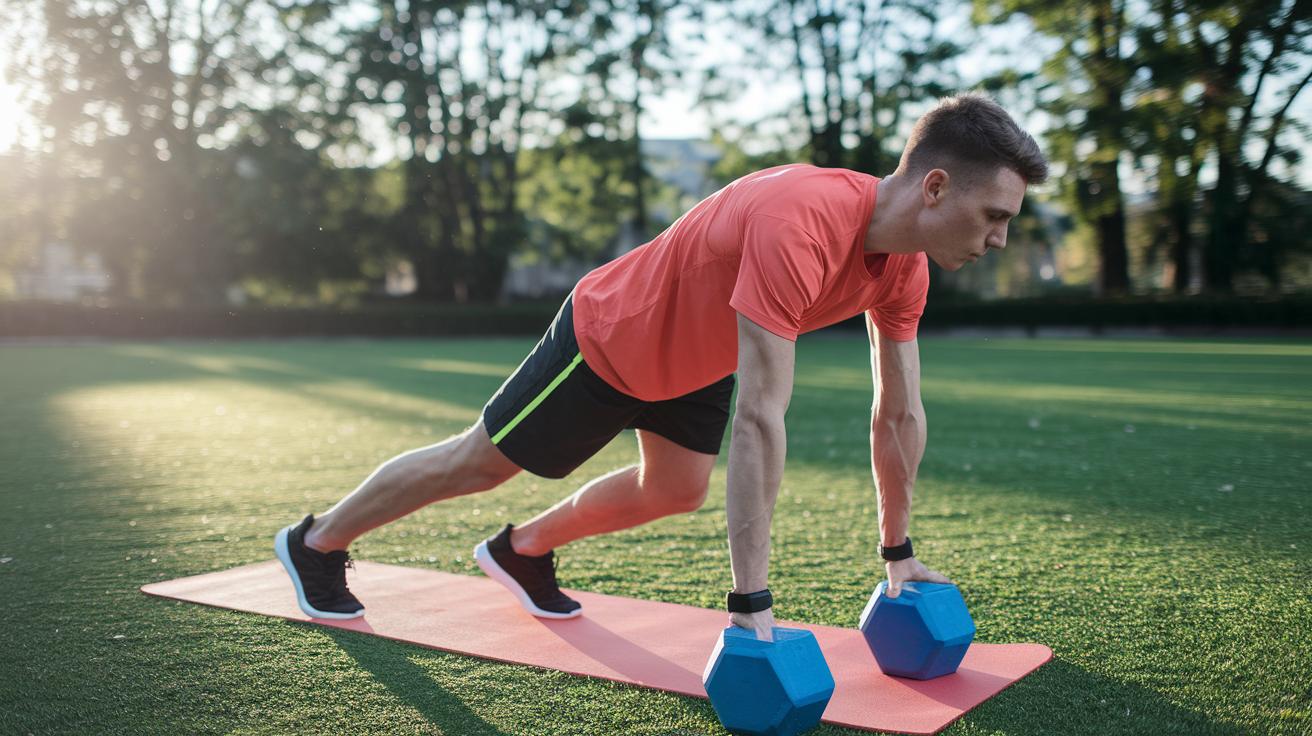
When you set aside time for your HIIT workouts, you create a rock-solid base for your fitness goals. It really helps to make these workouts a fixed part of your day so they fit in easily with a busy schedule. A routine helps your body get used to the effort, cuts down on skipped workouts, and makes staying active feel natural.
Try these simple ideas to get your HIIT routine in gear. First, put your HIIT sessions on your calendar like you would a doctor’s appointment, you really can’t miss them. Next, pick the same days and times for your workouts so your body knows it’s time to get moving. Also, get your workout gear ready the night before to beat any morning rush. Remember to drink plenty of water throughout the day to keep your energy up and your focus sharp during those tough sessions. And if you can, find a workout buddy to cheer you on and help keep you accountable.
Following a regular HIIT schedule really shows results week after week. Each session builds your strength and endurance, and little by little, you notice better performance and more energy. By setting aside dedicated time for HIIT, you’re not just building muscle and burning calories, you’re creating a habit that makes every workout count toward a healthier, more energized you.
Personalizing HIIT Timing Based on Fitness Goals
If you're trying to lose fat, consider starting your day with a fasted HIIT session. Doing your workout on an empty stomach can help your body tap into stored fat for energy. Research even shows that some people burn up to 20% more fat when they exercise before eating.
On the other hand, if your goal is boosting performance and building strength, late afternoon workouts might be your best bet. In the afternoon, your muscles are warmer and your coordination is better, which can make each high-intensity move feel smoother. In fact, studies point out that higher hormone levels later in the day can support muscle power.
It might help to try both morning and afternoon sessions over a few workouts. Keep a simple journal to note how you feel, your energy levels, and any changes in strength or recovery after each session. This way, you can adjust your schedule based on what feels best for you and make the most of your workouts.
Evidence-Based HIIT Workout Durations and Frequency

Studies suggest you can shape your HIIT workouts to fit both your busy schedule and personal goals. For example, a 45-minute workout done a couple of times a week can help with weight loss, while short 15- to 30-minute sessions work well on hectic days. You might even try a 20-minute session that leaves you feeling fresh and sets a positive tone for the day.
Remember, taking time to recover is just as important as the workout itself. Rest days give your muscles a chance to mend and help boost your performance over time. It makes sense to space out your sessions so you don't overdo it and to build strength steadily. For instance, after a tough bout of HIIT, give yourself a full day to recover before your next session. And if you're really short on time, check out the hiit 15 minute workout for a quick, science-backed routine.
Final Words
In the action, our discussion broke down how HIIT timing can boost metabolism, mood, and strength. The post highlighted factors like endorphin release, cortisol rhythms, metabolic boost, and insulin sensitivity while comparing morning and evening benefits.
Practical scheduling tips and ways to personalize your routine kept the advice relatable and clear. Remember, finding the best time to do hiit workouts can help you shape a balanced, energizing lifestyle. Keep taking positive steps toward your wellness goals.
FAQ
Q: What is the best time to do HIIT workouts for weight and fat loss?
A: The best time for HIIT workouts aimed at weight and fat loss is in the morning. Early sessions help the body burn more fat and boost mood and metabolism naturally.
Q: Should I do HIIT on an empty stomach in the morning?
A: The idea of performing HIIT on an empty stomach in the morning can support increased fat burning. This approach may boost metabolism, though personal energy levels and comfort should guide your choice.
Q: Is it better to do HIIT in the morning or at night?
A: The choice between morning and night HIIT depends on your fitness goals. Mornings offer fasted fat burn and mental clarity, while evenings attract peak muscle warmth and strength, even if they might affect sleep.
Q: What are the ideal HIIT intervals for fat loss?
A: The ideal HIIT intervals for fat loss involve short bursts of intense exercise followed by recovery periods. This structure maximizes calorie burn and supports fat loss efficiently.
Q: When should I schedule my HIIT workout for maximum benefits?
A: Scheduling your HIIT workout when you naturally feel energetic is key. Consistency is critical, so choose a time slot that aligns with your routine and energy peaks to reap the best benefits.