Ever think that your breath might be the key to a clearer mind? Mindful breathing is like hitting a reset button. It soothes your busy thoughts and helps clear away the clutter. Researchers have found that by focusing on your breath, you might see a 15% bump in your concentration. Imagine each breath as a gentle wave rolling in, easing away the stress of the day. This simple habit not only relieves tension but also sharpens your focus so you can face your day feeling calm and clear.
Proven Mindful Breathing Benefits for Focus and Concentration
Mindful breathing helps you tune into the natural flow of your body as you breathe in and out. This simple practice calms your mind, stops negative thoughts in their tracks, and gently brings you back to now. Studies have found that focusing on your breath can boost your ability to stay attentive by about 15%. In short, it acts like a reset button that eases anxiety and clears away mental clutter.
When you practice, you focus on the gentle rhythm of each breath, and before long, you feel calm and clear-headed. Sitting quietly and paying attention to your breathing lets go of the distractions that pile up during stressful moments. Experts recommend spending at least 10 minutes on this exercise, once or twice a day, so you can really notice small but powerful changes in your mood and thoughts. It’s a practical way to train your attention and sharpen your focus.
Making mindful breathing a regular habit can bring clarity and build resilience against everyday stress. Next time you’re feeling overwhelmed, give it a try, you might just discover a better way to focus and feel at ease.
Guided Breath Control Techniques to Boost Attention
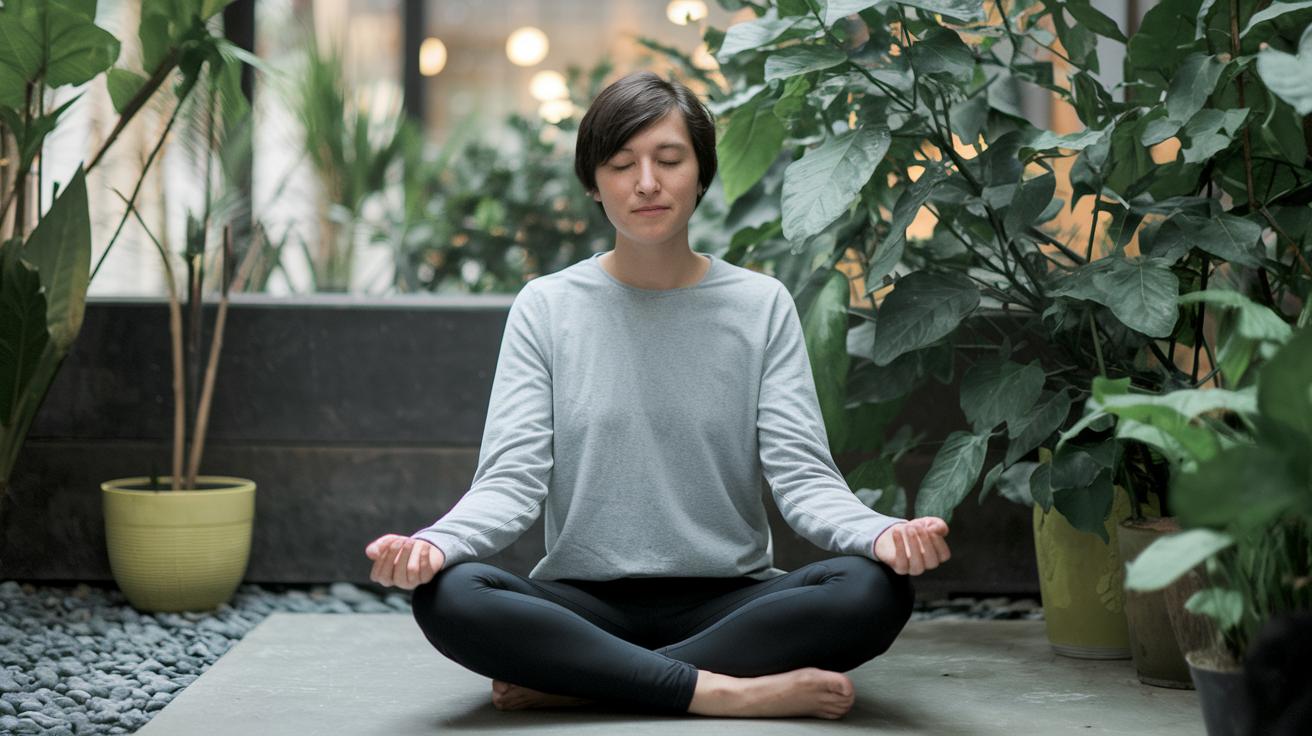
Counting Breaths
Find a comfortable seat or lie down and close your eyes if you want to focus inside. Slowly count your breaths, starting at one when you breathe in and moving to ten as you breathe out. If your attention drifts, simply restart at one. This gentle practice helps ground your mind in the natural rhythm of your breathing. One friend once said, "I started counting my breaths on a busy day, and bit by bit, the noisy thoughts gave way to a calming focus." Even just 10 minutes of counting can change your mood and ease stress.
Sensations of Breathing
Pay close attention to how your breath feels. Notice the cool air entering your nostrils or the subtle rise and fall of your chest. Picture each breath like a soothing wave that gradually washes away any tension. I once heard someone mention that feeling the chill of fresh air and the warm release on the out-breath helped them stay present whenever distractions popped up. This simple focus can break the cycle of anxious thoughts and bring you back to the moment.
Diaphragmatic Breathing
Settle into a position that lets your belly expand as you take deep breaths from your diaphragm. You might even place one hand on your stomach to really notice the movement. This technique not only relaxes your body but also clears your mind for better focus. Imagine each deep belly breath as a reset, helping tough tasks feel more manageable. Practicing this for about 10 minutes can train your body to naturally ease stress during challenging moments.
- Find a quiet spot and adopt a comfortable posture
- Choose one breathing technique to focus on
- Set a timer for 10 minutes
- Gently bring your attention back whenever your mind wanders
- Notice any changes in your mood or stress levels afterward
Daily Integration of Mindful Breathing for Sustained Concentration
Taking a few minutes during your day can help clear your mind and boost your focus. Try mixing mindful breathing with your daily routines. For instance, begin your morning by saying thanks and spending five calm minutes focusing on your breath. This little pause can lift your mood and set you up for a positive day.
At work, right before a meeting or a challenging task, a short breathing break can wash away tension and help you feel more relaxed. Need a reminder? You can set alarms on your phone or calendar. A mid-afternoon pause can also help ease stress when your workload feels heavy. And when it’s time to wind down, a few deep breaths before sleep might just quiet your mind and get you ready for rest. Tools like Virtual Coach or DBT modules can lend extra support in making these moments a habit.
| When to Breathe | How It Helps |
|---|---|
| Morning with some gratitude | Boosts mood for the day |
| Before meetings | Clears tension and sharpens focus |
| Before study or work sessions | Refreshes your mind |
| Before sleep | Calms your body and prepares you to rest |
Imagine closing your eyes and feeling calm with every deep breath you take. It’s like a mini vacation for your mind, setting you up to face the next task with a clear head.
The Science Behind Deep Respiratory Practice and Mental Clarity
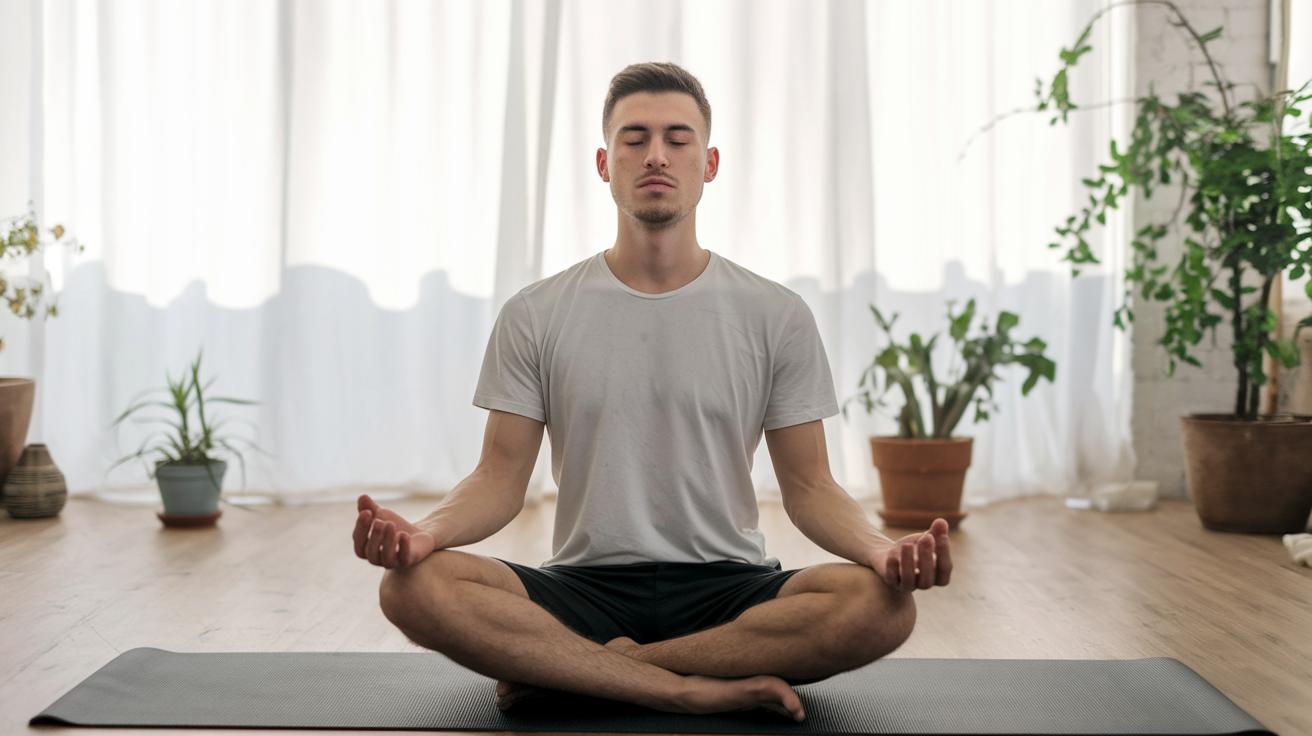
Deep breathing for mental clarity does more than just calm you down. When you take slow, steady breaths, your body turns on something called the parasympathetic nervous system, which helps lower stress hormones like cortisol and slows your heart rate. This gentle change creates a calm space in your mind. Researchers using brain scans (fMRI) have noticed that during paced breathing, parts of your brain like the prefrontal cortex (the area that helps with planning and decision making) and the anterior cingulate (the area that keeps you focused) light up. One study even found that controlled breathing can give your thinking skills a quick boost.
Try a short 6-minute breathing meditation when your day feels chaotic. This little exercise resets your attention networks, almost like refreshing your computer screen. Every measured breath helps clear away mental clutter and improves the way your brain processes information. Studies have shown that regular breathwork can make it easier to solve problems and handle your emotions.
And it doesn’t take long to see the benefits. Just a few minutes of deep, steady breathing can transform your mental state. I once heard someone say, "After only 6 minutes of focused breathing, I felt my stress drop away and my thoughts become sharper." Focusing on how your breath feels not only brings immediate calm but also builds the foundation for lasting mental clarity if you make it a habit.
Tracking Progress in Concentration Improvement with Breath Exercises
A great way to see how you're improving is to use a simple worksheet. Each time you practice your breath exercises, jot down the date, time, and the method you used. It’s like having a little diary that shows real progress over the weeks. For instance, you might write, "Today I practiced for 12 minutes and felt my stress drop from 7 to 4."
You might want to keep track of a few key things: how long you can stay focused, your stress level on a scale from 1 to 10, and how clear your mind feels afterwards. Using a journal or even a digital app makes it easy to spot these trends over 2 to 4 weeks. Watching your steady improvement can really tell you that these focus routines are working well.
- Record the session date and time
- Note which breathing technique you used
- Write down your stress level (1-10)
- Log how long you stayed focused
- Add any thoughts on how you performed during tasks
By writing down these details, you create your own record of progress. This personal log shows how your focus and stress management get better with each session.
Success Stories: Real-World Impact of Mindful Breathing on Attention

A corporate manager found that adding mindful breathing into her day helped her feel less anxious during meetings. She took two short sessions of focused breathing daily, almost like hitting a reset button for her mind. After just 14 days, she said, "My mind feels clearer and meetings feel less overwhelming." Her story shows how a few deep breaths can make a busy workday feel a whole lot lighter.
A university student also saw a big change when he started taking 5-minute breathing breaks while studying. These quick pauses helped him concentrate better, and he even doubled his focus time from 30 minutes to an hour. He admitted, "I used to get distracted easily, but after those brief breaks, my concentration improved drastically." His experience reminds us that sometimes a simple pause can boost our academic performance.
Many others who were unsure at first started to try these breathing exercises. Some even paired them with soft music or guided audio to help set the mood. Experts say that mindful breathing can help us control our emotions and sharpen our attention. These real-life stories prove that a little mindful breathing can go a long way in brightening our day and lifting our spirits.
Final Words
In the action, we explored how mindful breathing reconnects our senses and improves attention. The article walked through various techniques like counting breaths, focusing on sensations, and practicing deep diaphragmatic breathing. Each step showed practical tips for building a consistent routine and tracking progress. We even shared real-life experiences that back up these benefits. Incorporating mindful breathing for focus and concentration into daily habits can bring a sense of calm and boost your mental clarity, helping you enjoy a balanced and resilient lifestyle.
FAQ
What are some breathing meditation techniques for beginners?
The breathing meditation techniques for beginners include counting breaths, noticing physical sensations, and deep belly breathing. These simple methods help guide you toward a calmer, more focused state quickly.
Where can I find a mindful breathing exercise PDF or a 5-minute breathing exercise script?
Mindful breathing exercise PDFs and 5-minute scripts provide clear, step-by-step instructions to help you focus on your breath, count naturally, and feel more relaxed in a brief session.
How is mindful breathing used in therapy?
Mindful breathing in therapy helps calm the mind by concentrating on breathing patterns, reducing anxiety, and making it easier to regain focus during moments of stress.
What is mindful breathing?
Mindful breathing is a simple practice of concentrating on your natural breath. It guides your attention away from distracting thoughts, allowing your mind to settle and stress to fade.
What are the benefits of breathing meditation?
Breathing meditation benefits include reduced stress, improved focus, and a calmer state of mind. This practice can quickly help you feel centered and better equipped to face daily challenges.
How does mindful breathing benefit students?
Mindful breathing benefits students by easing anxiety, sharpening concentration, and creating a sense of calm before exams or study sessions, which leads to better academic performance.
What is the best breathing technique to focus?
The best breathing technique to focus often involves counting your breaths or practicing deep belly breathing, both of which quietly draw your awareness to the present moment during stressful times.
How does mindfulness enhance focus and concentration?
Mindfulness enhances focus by directing your attention to the present moment. By steadily concentrating on each breath, distractions diminish and your mental clarity improves significantly.
What is the 4-7-8 breath technique?
The 4-7-8 breath technique involves breathing in for 4 seconds, holding the breath for 7 seconds, and exhaling for 8 seconds, which promotes relaxation and eases tension effectively.
What is the 5-5-5 breathing technique?
The 5-5-5 breathing technique means inhaling, holding, and exhaling each for 5 seconds. It offers a simple and balanced method to help maintain calmness and enhance your focus.