Ever wondered why you feel slow after a tough HIIT workout? When your muscles are worn out and your energy is low, what you eat next really matters. A little snack with protein (the building blocks of muscle) and carbs (the fuel for your body) right after exercising can help your muscles repair and boost your energy. Today, we'll share some easy nutrition tips to help you recover and gear up for your next challenge. Let’s see how the right timing and balance can make all the difference.
Nail Your Post HIIT Fuel Window With Precise Timing
After a hard HIIT workout, your muscles have really been put to the test, and your energy reserves are almost empty. That's why it's important to eat within 30 to 60 minutes after your session. Eating soon after exercise jumpstarts muscle repair and gives your body the energy boost it needs.
Research shows that having a snack right away helps your body start rebuilding those muscles. For example, you might try a snack that provides 20 to 30 grams of protein, like a cup of Greek yogurt, and a small serving of carbs, such as a banana, to help your recovery get off to a solid start.
Sticking to a regular eating schedule that lines up with your workouts can help keep tiredness and cravings at bay. If you miss this key window, your recovery might slow down, which could make your muscles feel extra fatigued. A balanced mix of protein and carbohydrates not only rebuilds muscles but also refills your energy stores.
Remember, aiming for 20 to 30 grams of protein is a solid goal. Pair this with a moderate amount of carbs, and you'll support the muscle repair process just as science recommends.
Why not plan a light snack or meal right after your HIIT workout? It might be just the boost you need to keep your energy steady throughout the day.
Optimize Post HIIT Macronutrient Ratios for Recovery
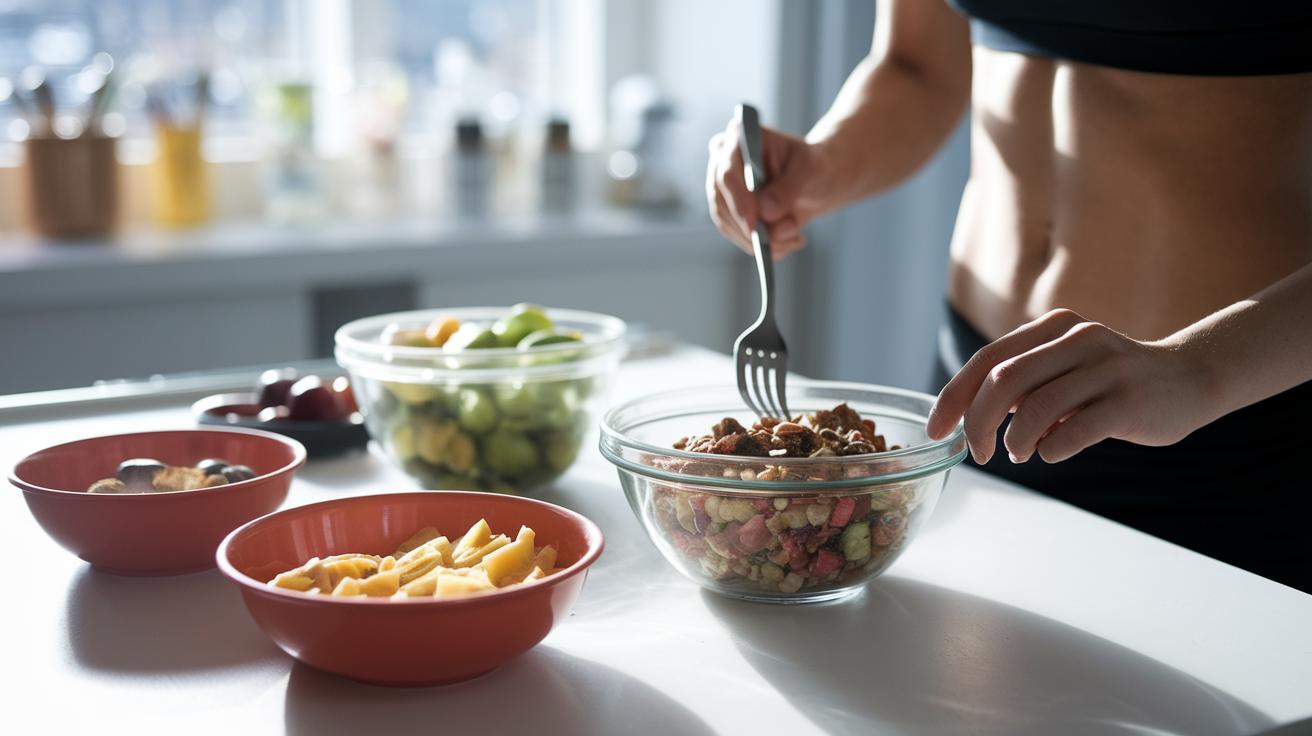
After a sweaty HIIT workout, getting the macronutrient mix right can really help your body bounce back. Macronutrients are the proteins, fats, and carbohydrates that give you energy. Research shows that a 3:1 or 4:1 ratio of carbs to protein can fill up your energy reserves and kick muscle repair into gear.
For example, if you weigh 70 kg, try to have about 17.5 to 21 grams of protein and 35 to 49 grams of carbs within that first hour after exercising. Think of it like a quick pit stop where your body refuels and gets ready for the next challenge.
Imagine Sarah, who weighs around 60 kg. If she enjoys roughly 15 grams of protein and 30 to 42 grams of carbs right after her HIIT routine, her body starts mending muscles and restoring energy much faster. It’s a simple trick that can make a big difference in recovery.
Remember, a balanced meal isn't complete without some healthy fats. Adding about 10 to 20 grams of good fats helps keep your hormones in check and can calm any post-workout inflammation. These fats work quietly to support recovery, without slowing down your digestion.
Here are some quick tips to boost your recovery after a tough workout:
| What to Do | How Much |
|---|---|
| Protein | 0.25–0.3 g per kg body weight |
| Carbohydrates | 0.5–0.7 g per kg body weight |
| Healthy Fats | 10–20 g |
For a deeper dive into these nutritional strategies and other tips for athletes, you can check out more insights at https://factcheckx.com?p=895. This thoughtful approach turns your hard workouts into stepping stones toward even better performance.
Best Protein Picks for HIIT-Induced Muscle Repair
After a tough, high-intensity workout, your muscles need a good dose of protein to help repair and rebuild. Whey isolate is a great pick here, offering about 25 grams of protein per serving and absorbing quickly into your system. Greek yogurt is also an easy choice, giving around 17 grams of protein per cup, perfect for a simple, muscle-repair snack. You can also count on whole eggs, which provide roughly 6 grams each, or lean chicken breast that has about 26 grams per 3 oz serving; both options are excellent if you lean towards whole foods.
If you’re looking for plant-based protein, try pea protein. It’s a solid alternative to mix up your recovery routine. One fun idea is the Clean & Delicious Frittata Bites recipe. Made with 9 eggs, it supplies around 54 grams of protein. This snack is easy to take with you and fills you up, making it a win for busy days when you need a nutritious meal on the go.
For more ideas on smart protein choices, check out the tips on how to improve muscle recovery and find the options that best match your taste and lifestyle.
Smart Carbs to Refill Glycogen After Intense Intervals
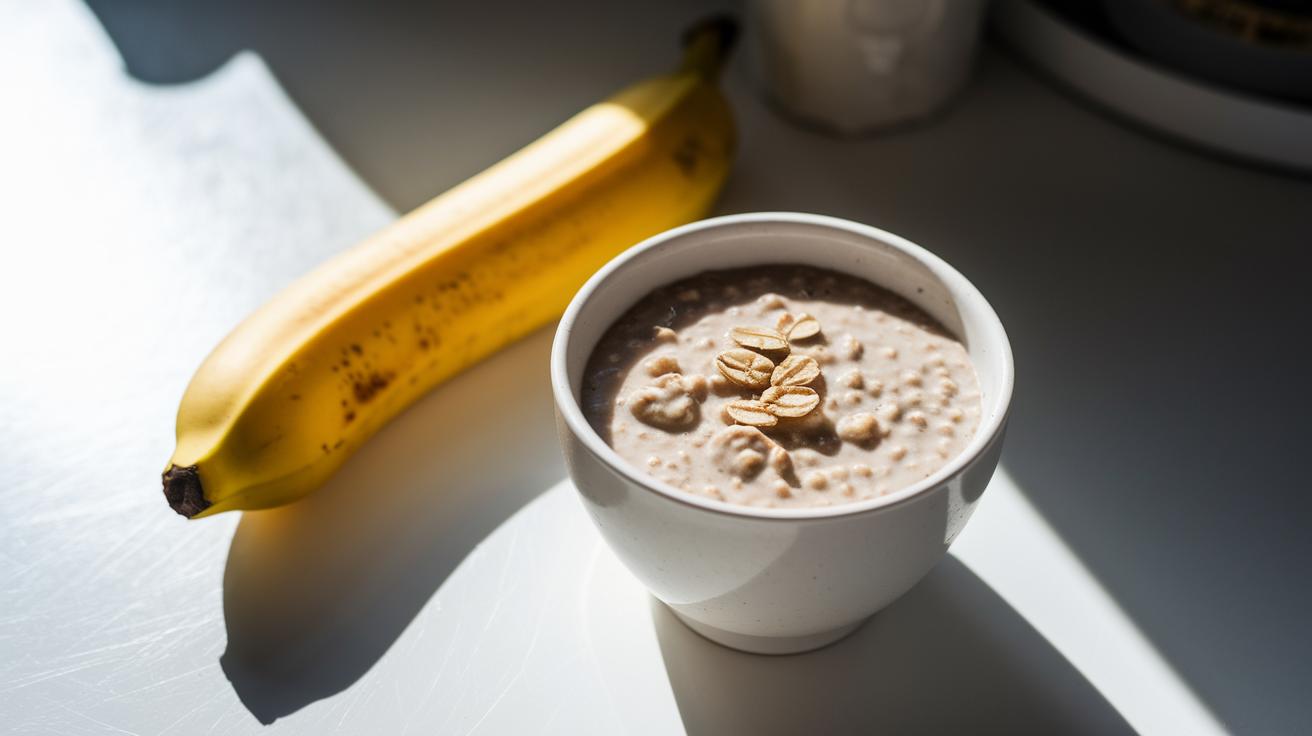
After a hard HIIT workout, refilling your energy stores is key for a speedy recovery. Choosing the right carbs makes a big difference. For example, a medium banana gives you about 27 grams of carbs and a quick energy boost. Also, half a cup of cooked oats packs roughly 27 grams, offering a hearty, lasting option. Sweet potatoes, with 23 grams per 4 ounces, not only deliver energy but also offer a blend of vitamins. Even a slice of whole grain bread adds around 12 grams of carbs when you need a fast pick-me-up.
If you’re looking for something even quicker, try honey or dates. Just one tablespoon of either provides around 17 grams of carbs. Mixing these quick carbs with some protein powder in a smoothie can help your body absorb nutrients faster. For instance, you could blend half a cup of oats, a banana, and a spoonful of honey with your favorite protein powder to make a refreshing recovery shake.
- Bananas: 27 g carbs (medium fruit)
- Oats: 27 g carbs (½ cup cooked)
These choices help your body rebuild energy fast after intense cardio, so you can get back to feeling great.
Nail Your Post HIIT Fuel Window With Precise Timing
After a HIIT workout, your muscles start fixing themselves right away by using the nutrients you give them. New studies, like one on how exercise affects recovery nutrition, tell us that eating within 30 to 60 minutes helps kick-start the process of building protein in your muscles. This is done by turning on the signals in your cells that help repair muscle tissue.
Recent research shows that the timing of your meal matters more than many people thought. Instead of just eating any food, try to have a snack or light meal with about 20 to 30 grams of protein and enough carbohydrates to refill your energy. A great example is low-fat chocolate milk, which gives you both protein and carbs quickly.
Skipping this short refuel window can slow down how fast your muscles repair and might leave you feeling worn out. So remember, plan your post-HIIT snack to keep your energy levels steady and your body ready for the next workout.
Optimize Post HIIT Macronutrient Ratios for Recovery
After a HIIT workout, your muscles need the right fuel to bounce back. They crave a mix of protein and carbs that helps repair muscle fibers and refill your energy stores.
Experts say that after your session, aim for about 0.25 to 0.3 grams of protein per kilogram of body weight and roughly 0.5 to 0.7 grams of carbohydrates per kilogram. This amounts to a simple ratio of around 3:1 or 4:1 (carbs to protein), which can help ease fatigue and boost recovery.
Don't forget about good fats, though. Including about 10 to 20 grams of healthy fats in your post-workout snack can support hormone production and keep inflammation in check, all without slowing your digestion. So if you weigh around 70 kg, you’d want roughly 17.5 to 21 grams of protein, around 35 to 49 grams of carbs, and a few nuts or a drizzle of olive oil to round it out.
Imagine mixing a scoop of whey with a banana and a little bit of oats right after your HIIT session. It’s a tasty combo that gives your muscles that balanced recovery boost they need.
| Nutrient | Amount per kg |
|---|---|
| Protein | 0.25–0.3 g |
| Carbohydrates | 0.5–0.7 g |
| Healthy Fats | 10–20 g total |
If you’re curious about more detailed tips, check out nutritional strategies designed for athletes. For instance, one guideline suggests pairing about 35 grams of carbs with 10 grams of protein after a 30-minute HIIT session to really power up your recovery.
Best Protein Picks for HIIT-Induced Muscle Repair
After a high-intensity HIIT workout, making sure your muscles get quality protein fast is essential for proper repair. Fast-absorbing proteins like whey isolate let you grab about 25 grams per serving, and it's best enjoyed within 30 minutes after you finish exercising. This quick boost helps kick-start your muscle repair. One idea is to mix a scoop of whey isolate with water right away for a speedy fix.
Consider adding Greek yogurt to your routine. One cup delivers about 17 grams of protein plus some friendly probiotics that help your body absorb nutrients better. Whole eggs are another great option; each egg offers around 6 grams of protein along with essential amino acids. This slower release is useful if you plan a meal later on. Lean chicken breast, with roughly 26 grams per 3-ounce serving, provides a steady protein source to keep supporting your muscles in the hours after your workout.
Plant proteins such as pea protein work similarly and are often easier on your stomach. They blend well into your favorite shake or recipe. For a creative twist, try making frittata bites. These little snacks, made with 9 eggs and giving you around 54 grams of protein overall, mix quick benefits with lasting energy.
So, blend a fast-acting whey shake immediately after your HIIT session and later enjoy whole foods like eggs or chicken to keep your muscle repair on track.
Smart Carbs to Refill Glycogen After Intense Intervals
After a tough HIIT workout, it helps to eat smart carbs within 30 to 60 minutes to quickly refill your glycogen stores. Science tells us that having a fast source of carbs right after exercise can boost your recovery by restoring your energy faster. For instance, a medium banana gives you roughly 27 grams of carbs, and half a cup of cooked oats offers about the same.
Your choice of carbs may change based on how hard you work out. When you're really pushing yourself, you might lean toward easily digestible carbs – like a banana or even a tablespoon of honey (which gives you about 17 grams of carbs) – to kickstart your recovery. And for longer workouts, pairing those carbs with some protein, like adding a scoop of protein powder to a smoothie, can help repair your muscles and improve glycogen replacement.
Think about it this way: research shows that athletes who time their carbohydrates perfectly tend to bounce back with more energy. It's a bit like a runner refueling during a long race.
| Food Item | Carbs per Serving |
|---|---|
| Banana (medium) | 27g |
| Oats (½ cup cooked) | 27g |
| Sweet Potato (4oz) | 23g |
| Whole Grain Bread (per slice) | 12g |
| Honey or Dates (1 serving) | 17g |
Anti-Inflammatory Fats and Essentials Post HIIT
After a tough HIIT workout, it's important to feed your body the right fats and nutrients to help calm inflammation and repair your cells. Omega-3 foods can really boost your recovery. For example, try a tablespoon of chia seeds for about 4 grams of ALA (a type of omega-3 fat) or enjoy an ounce of walnuts, which gives roughly 2.5 grams of ALA. Even a small 3-ounce piece of salmon packs in about 1.8 grams of EPA and DHA, which are great for your recovery.
Monounsaturated fats, such as those found in avocado and olive oil, are also helpful. You might be surprised that half an avocado has almost 15 grams of fat, while just one tablespoon of olive oil has around 14 grams. These fats can help balance your hormones and manage inflammation without weighing you down or upsetting your stomach.
Adding some vitamin C–rich berries or a big helping of antioxidant greens can further soothe your system after a workout. These foods work together to speed up repair and help replace important nutrients that your body needs.
Next time you break your fast after a HIIT session, why not try a bowl of mixed greens with sliced avocado, walnuts, and a drizzle of olive oil? Simple meals like this can make it easier to recover and keep your energy levels steady.
Electrolyte and Hydration Tactics for HIIT Recovery
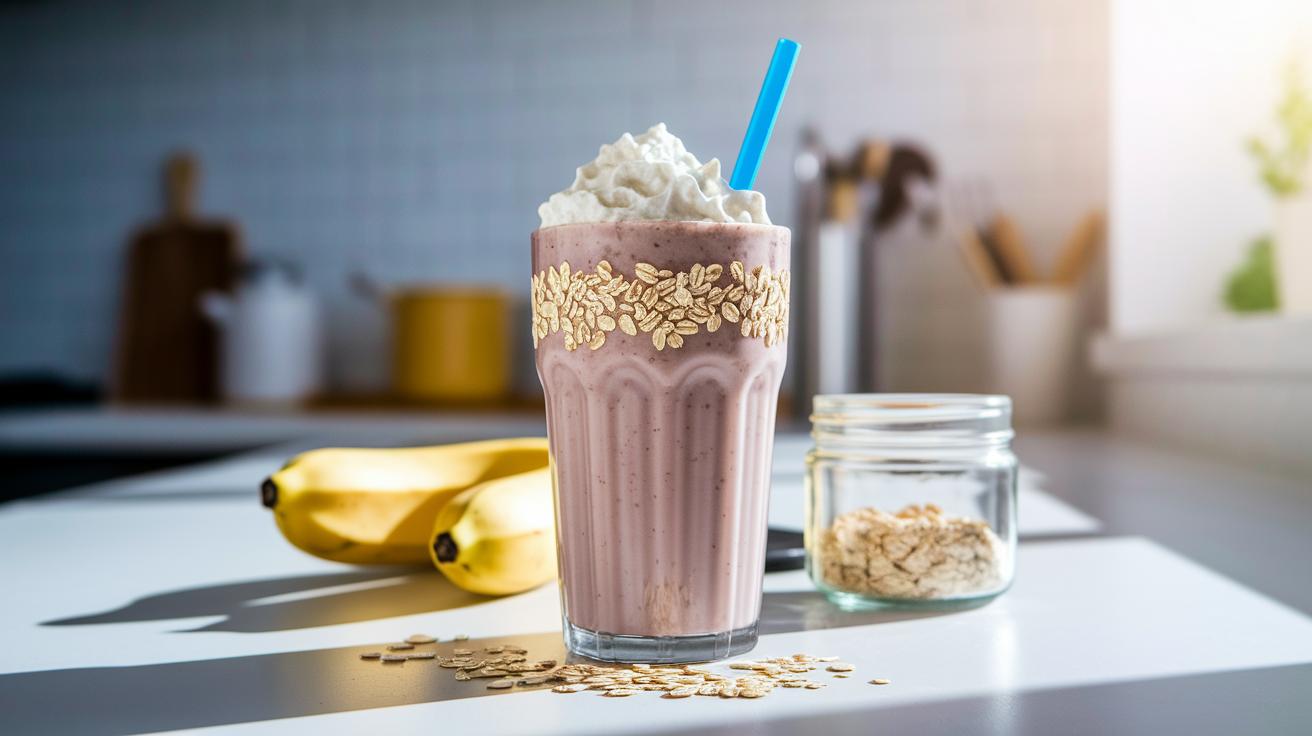
After a tough HIIT session, your body can lose about one to two liters of sweat. With that sweat come important minerals like sodium, potassium, and magnesium. Try to replace these by getting 500–1000 mg of sodium, 200–400 mg of potassium, and 10–20 mg of magnesium soon after you finish your workout.
It helps to drink roughly 1.5 liters of water for every kilogram you lose during the workout. This extra water refills your body and helps you dodge early fatigue. I often suggest using water mixed with electrolyte tablets, which makes it simple to hit your sodium and magnesium goals while keeping you well-hydrated.
If you’re in the mood for something natural, coconut water is a refreshing choice, it offers about 600 mg of potassium per cup. Or, if you like a DIY approach, mix ¼ teaspoon of salt with ½ teaspoon of baking soda in one liter of water. These easy ideas help you recover without any extra fuss.
Remember to start rehydrating with water and electrolytes right after your workout. Doing so supports muscle recovery and keeps your mind clear, helping you feel ready for your next challenge.
Easy Post HIIT Recovery Snacks and Meals
After a tough high-intensity workout, it feels great to refuel with something nutritious that helps your muscles bounce back. A quick snack or light meal can speed up recovery, and having these recipes ready in advance means you’re always set, even on your busiest days.
Try this snack: Clean & Delicious Frittata Bites. All you need is nine eggs. Whisk them well and pour the mix into small muffin tins. Once baked, you get about 20 little frittata bites loaded with protein to help you recover fast.
Another fun option is Peanut Butter Chocolate Chip Energy Bites. Simply mix natural peanut butter with a few dark chocolate chips and add a binding ingredient (like oats). In just 10 minutes prep time, you’ve got energy bites that can chill in your fridge for up to a month.
If you’re leaning toward a smoothie, whip up a Chocolate Peanut Butter Protein Shake. Blend 1 scoop of whey protein (a fast-digesting protein that aids muscle repair), 1 banana, and around 300 mL of water. It tastes great and packs a smart combo of protein and carbs to get your muscles back in gear.
For a more hearty meal, consider a Rotisserie Chicken Salad Sandwich. Use about 3 cups of shredded chicken and tuck it between slices of whole grain bread. Or, mix up an Easy Greek Bowl: Start with 1 cup of brown rice, add 2 cups of your favorite veggies, and finish with a drizzle of homemade tzatziki for a burst of flavor and balanced nutrition.
Each of these ideas is designed to be simple and healthy, making post-workout recovery a breeze even when life gets hectic.
Final Words
In the action, this article breaks down why a balanced snack within 30–60 minutes is key. We explored precise macronutrient ratios, quality protein sources, and smart carb choices to refill energy. Helpful hydration tactics and quick recovery recipes round out the plan. These post hiit workout nutrition tips bring clear, actionable ideas to help you work better and feel great. Every tip is meant to support smooth recovery and leave you ready for your next HIIT session. Keep moving forward and feel proud of every step you take toward better living.
FAQ
What are some post HIIT workout nutrition tips for weight loss and for females?
The post HIIT nutrition tips for weight loss involve eating a balanced mix of protein and carbs. A light meal like a protein shake with fruit within 30–60 minutes after exercise helps refill energy and supports recovery.
What should I eat after a HIIT workout to lose weight?
The best meal after a HIIT workout includes lean protein paired with moderate carbs. For example, Greek yogurt with berries or a chicken salad helps rebuild muscles and restore energy.
What should I eat before a HIIT workout to boost fat loss?
Before HIIT, a light snack rich in easily digestible carbs and a bit of protein, such as a banana with a few nuts, energizes your body without feeling too heavy.
Is there a HIIT diet plan that promotes weight loss?
A HIIT diet plan focuses on nutrient timing and balanced macronutrients. Eating lean proteins, whole grains, and lots of veggies at set intervals supports fat loss and quick recovery.
What is a good post-workout meal for muscle gain after HIIT?
A post-workout meal for muscle gain should include high-quality protein and moderate carbs. Options like a whey protein shake, lean chicken, or Greek yogurt help repair and build muscle effectively.
What should I avoid doing right after a HIIT workout?
After HIIT, avoid skipping hydration, delaying your meal beyond 60 minutes, or eating heavy foods that are difficult to digest since these actions can slow the muscle repair process.
How soon after a HIIT workout should I eat?
It’s best to eat within 30–60 minutes post-workout. This timely refuel helps rebuild energy stores and supports muscle recovery after your intense exercise session.
What changes might I expect after a month of HIIT workouts?
A month of regular HIIT workouts, combined with proper nutrition and rest, can lead to improved endurance, better muscle tone, and enhanced energy levels as your body adapts to the routine.