Have you ever noticed how some athletes recover quickly after a hard HIIT session? It's usually because they focus on proper recovery. After bursts of intense exercise, your muscles can feel sore and stiff, which shows they need a little extra care. In this blog, we'll share simple tips to ease muscle pain and help your body bounce back fast. Taking a few extra minutes for dynamic stretches and slow cooldown moves can keep your energy high and your muscles ready for the next workout.
Expert-Approved HIIT Workout Recovery Tips for Rapid Rejuvenation
After a HIIT workout, you might notice your muscles trembling, your breathing getting heavier, and sweat streaming down your face. That’s just your body saying, "I worked hard!" A quick, proper cooldown of 10 to 15 minutes can help move out lactic acid and ease muscle soreness.
Taking a few minutes to cool down not only helps clear your muscles but also gives your heart a boost, lowers cholesterol, and balances blood sugar. Think of your cooldown as the simple bridge between your workout and your daily recovery. It’s what helps prevent injuries and keeps your energy up.
A smart way to control inflammation is by doing some gentle stretches and focusing on slow, mindful breathing. For example, why not start with a short, five-minute walk right after your session? After that, try a few light stretches for your legs and shoulders. This easy movement helps keep your blood flowing and prevents that tight feeling later on.
Skipping your recovery is never a good idea. Without it, you might end up feeling worn out, kind of like trying to run your car without refueling. That cooldown is key to keeping things running smoothly.
So, take a moment for yourself after each HIIT session. Enjoy a quiet pause, let your body rebuild, and get ready to bounce back stronger and more refreshed next time.
hiit workout recovery tips: Energize Muscles Fast
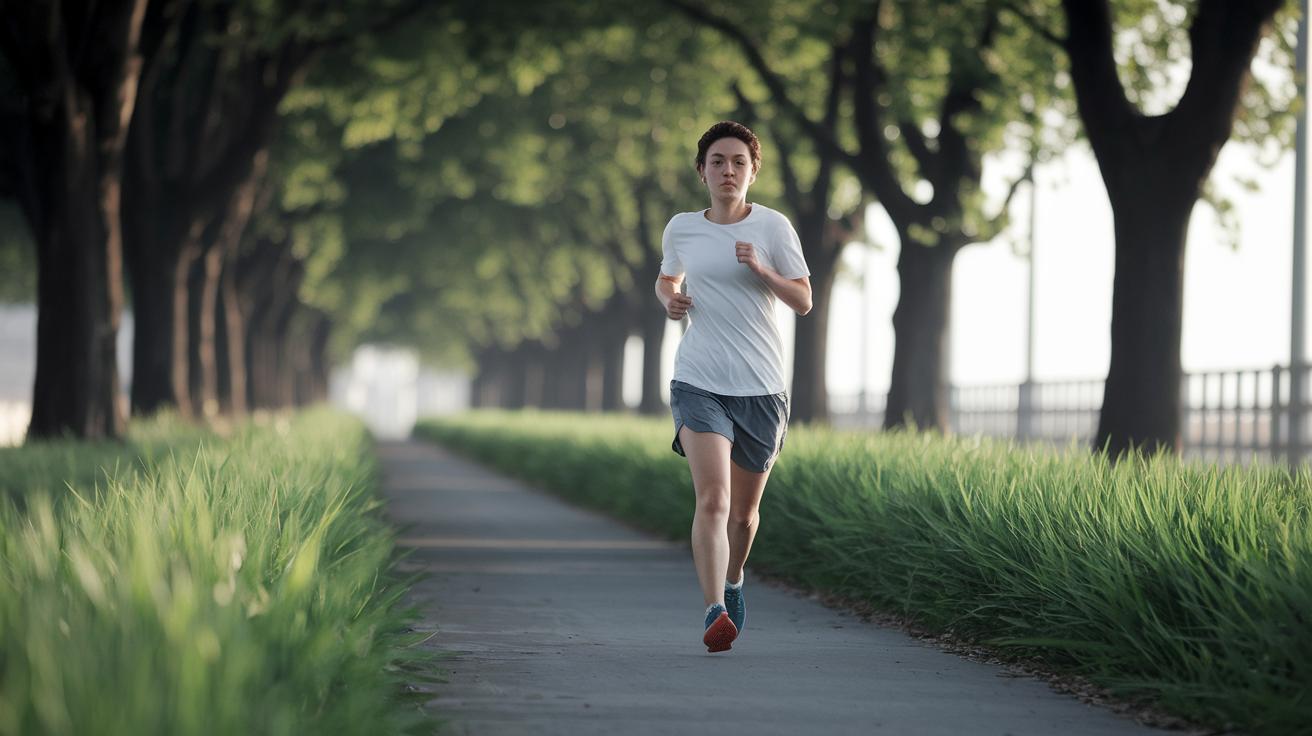
After a HIIT workout, your body deserves a gentle cooldown. Try a simple 5-minute jog or brisk walk. It helps lower your heart rate and clears out lactic acid while you ease into recovery. Spending about 10–15 minutes on this cooldown keeps your muscles loose and alleviates tightness after those bursts of activity.
Once you've done the light cardio, move on to a few dynamic stretches. These easy moves keep your muscles long and boost blood flow, helping you recover faster. Here are 5 important stretches to try:
- Walking lunges – Step forward into lunges to stretch your hip flexors and quads.
- Leg swings – Swing each leg front-to-back to relax your hamstrings and glutes.
- Arm circles – Rotate your arms in small then larger circles to relieve shoulder tension.
- Hip rotations – Gently turn your hips in circles to warm up your lower back.
- Torso twists – Slowly twist from side to side to ease pressure in your core and spine.
This cooldown routine softly transitions you from high intensity to a calm state. With light movement and these dynamic stretches, your muscles feel recharged, reducing stiffness and preventing soreness for your next HIIT session.
Foam Roll Benefits and Fascia Release Methods for HIIT Recovery
After a hard workout, foam rolling is a straightforward way to give your muscles some much-needed care. It’s a self-treatment that eases knots and tight spots in your muscles and the tissues that connect them. Think of it like smoothing dough with your hands to help melt away the stiffness after a tough session.
Start by rolling your quads. Apply a steady, gentle pressure and move slowly; 1–2 minutes on your quads can really help ease the tension. Next, move over to your IT band, which runs along the side of your thigh. Use light pressure and work at a calm pace to help loosen any stubborn knots. Then, spend a few moments on your calves, focusing on any spots that feel extra sore.
Finally, treat your back by carefully rolling along the muscles near your spine. Be sure to avoid any bony areas and stick to the softer muscle tissue. Keep your movements slow and steady, and listen to your body. The goal is to feel a gradual release of tension, not a sharp pain. A regular foam rolling routine after HIIT workouts can ease muscle tightness and help you recover smoothly, leaving you refreshed and ready for your next challenge.
Recovery Nutrition Guidelines and Protein Intake Recommendations for Muscle Repair

After a tough HIIT session, your body craves the right fuel to bounce back. Eating a snack or meal within 30 to 60 minutes helps your muscles get the protein, carbohydrates, and healthy fats they need. Think of it as giving your muscles a little boost, like a refreshing drink after a long run.
Your post-workout meal should have about 20–30 grams of lean protein paired with whole grains and fruits or veggies. This mix not only helps fill up depleted energy stores but also supports muscle repair and eases the inflammation that can come after intense exercise. And if you add in foods rich in antioxidants, such as berries or leafy greens, you're helping your body calm its natural inflammatory response even more.
Timing is key. When you treat your muscles to these essential nutrients right when they need it most, you're helping them rebuild and grow stronger. It’s like a gentle care package for your body after a strenuous workout.
Here are four simple snack ideas that combine protein, carbs, and fats perfectly:
| Food | Protein (g) | Carbs (g) | Fats (g) |
|---|---|---|---|
| Greek Yogurt with Berries | 20 | 25 | 5 |
| Whole Grain Toast with Avocado and Egg | 25 | 30 | 15 |
| Protein Shake with Spinach | 30 | 20 | 8 |
| Cottage Cheese with Pineapple | 22 | 28 | 6 |
If you’re curious about more meal planning tips and macro ratios, take a look at this resource: Nutritional Strategies for Athletes. Enjoy taking care of your body and happy refueling!
Hydration Optimization Plan and Electrolyte Balance Intake After High-Intensity Workouts
After a hard HIIT workout, your body loses more than just water, it also misses out on key minerals that help your muscles and nerves work well. Drinking roughly 16–20 oz of water for each hour you train is a solid start. Imagine slowly savoring a cool drink on a sweltering day. You're not only quenching your thirst, but you’re also giving your body the fluids it needs to help your muscles bounce back.
Next, boost your hydration by adding a bit of sodium, potassium, and magnesium. You can opt for a sports drink or even try some electrolyte tablets. Both choices work to bring back the right balance of minerals. A reusable water bottle with clear markings can be a neat reminder of how much you're sipping during your workout.
It helps to plan your hydration practice just like you plan your exercise routine. Maybe set a target like, "I'll drink 16 oz right after my session and then another 4 oz every 10 minutes if I'm sweating a lot." This simple plan makes sure your body gets the fluids it needs for quicker recovery and fewer cramps. Small, steady sips can really prepare you for your next intense workout.
Active Rest Ideas and Light Movement Sessions to Support Interval Session Rejuvenation

After a tough HIIT workout, it feels great to allow your body to relax with gentle movements. Low-intensity activities help your muscles loosen up and can even speed up your recovery. The idea is to keep moving lightly for a day or two after your workout, which boosts blood flow and eases stiffness. It’s like giving your body a gentle pat on the back without overworking those tired muscles.
If you’re looking for some fun, easy routines, check out the Active Recovery Workout at Active Recovery Workout.
Here are a few ideas to support your recovery:
- Walking Outdoors – A slow, relaxed walk helps keep you mobile and gets your circulation going without any extra strain.
- Swimming – The water offers a soft resistance that makes movement easier while calming sore muscles.
- Gentle Yoga – Simple, smooth poses can let go of tension and help improve your flexibility.
- Light Cycling – A slow bike ride keeps your heart comfortable and helps stretch out tight muscles.
These simple sessions not only ease soreness but also give your body a natural reset. By adding these low-impact moves to your routine, you can support a smooth, balanced recovery while always keeping your body gently active.
Scheduled Rest Days, Sleep Improvement Methods, and Performance Rest Tactics for HIIT Recovery
When you plan one or two full rest days each week, you give your body and mind a much-needed break after those tough HIIT sessions. Think of rest days like refilling your energy tank so your muscles can rebuild and get ready for the next challenge. Try to work out hard for two or three days, then take a day off for gentle movement to keep yourself feeling balanced and refreshed.
Getting enough sleep is also key for helping your body repair. Aim for seven to nine hours of solid sleep each night, it's like having a quiet workshop where your body puts together new strength. A simple bedtime routine can really help. For example, turn off screens about an hour before bed, use soft lighting, and keep your room cool. These little changes tell your body that it's time to wind down.
It might also help to wake up at the same time every day. A calming pre-bedtime ritual, like reading a few pages of a book or doing some deep breathing, can make bedtime feel natural. By focusing on improving your sleep and planning rest days, you'll set the stage for better overall performance. Taking these breaks and getting enough sleep can really boost your muscle recovery, preparing you well for your next high-intensity workout.
Mindful Post-Session Rituals, Stress Relief Approaches, and Muscle-Soothing Massage Techniques
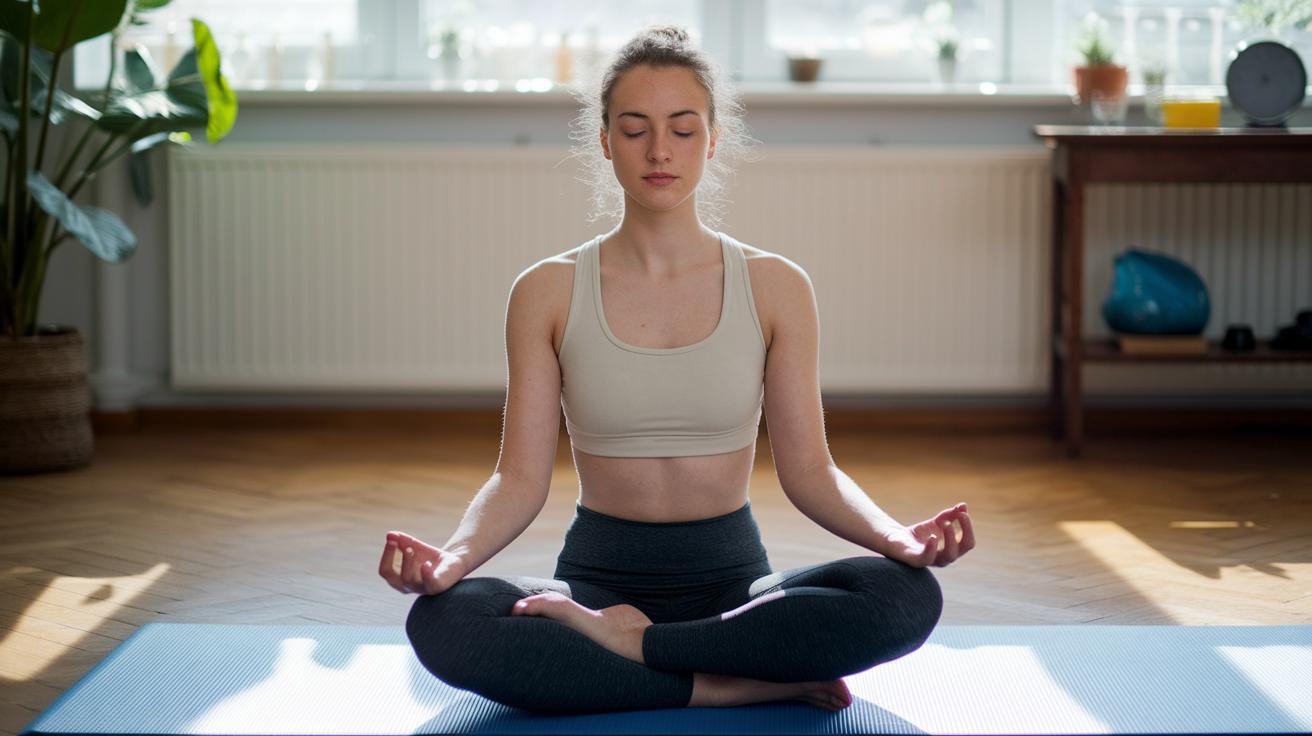
After a tough HIIT workout, it’s nice to take a few quiet minutes. Sit back, check in with how you feel, and notice any lingering aches or tired spots. Try a simple breathing meditation: find a comfy spot, close your eyes, and breathe slowly. For example, breathe in for three counts, hold for a moment, and then breathe out slowly, letting the tension fade away. This little routine can help lower stress and get your muscles ready to recover.
Another easy way to relax is to give yourself a gentle massage. Use a foam ball to apply a soft, soothing pressure on tight muscles in your shoulders or lower back. Rolling over these spots can ease muscle knots and boost blood flow in a calm, comforting way.
If you need even more relief, consider a professional deep tissue massage or simply use your hands to work on tender spots. Let your fingertips move slowly along sore areas, easing away built-up tension with gentle strokes. Adding these mindful post-workout habits into your routine can really help you recover and keep you feeling calm long after your workout.
Final Words
In the action of boosting recovery, we covered cooldown moves that help ease muscle tension, foam rolling for smooth motion, smart nutrition right after exercise, hydration tips, and the benefits of active rest. Every step, from light stretching to mindful relaxation, plays a part in healing and keeping you strong. Following these hiit workout recovery tips can truly make a difference in how you feel each day. Keep taking small steps to feel better and enjoy a healthier, more energetic life.
FAQ
Hiit workout recovery tips reddit
The HIIT recovery tips shared on Reddit suggest adding stretching, hydration, and proper nutrition shortly after your session to help ease muscle soreness and speed up repair.
HIIT recovery time
The HIIT recovery time depends on workout intensity and individual fitness, but many people need around 24 to 48 hours for their muscles to repair and to perform optimally next time.
What to eat after a HIIT workout to lose weight
Eating a balanced mix of 20–30 g protein, healthy fats, and carbohydrates after HIIT helps rebuild muscle, restore energy, and control inflammation, which supports weight loss and recovery.
How often should you hiit train weekly? (and how long should you rest after a HIIT workout?)
Most experts suggest doing HIIT 2 to 3 times per week, allowing 24–48 hours of rest between workouts so your muscles have time to repair and build strength.
How long does it take to recover from aerobic and cardio exercise?
Aerobic and cardio exercise recovery usually takes 24 to 48 hours, though less intense sessions may recover faster, giving your muscles time to replenish energy and reduce fatigue.
How long does it take to recover from a VO2 max workout
Recovering from a VO2 max workout often takes closer to 48 hours because the high oxygen demand stresses both your cardiovascular system and muscles, needing extra time to repair.
How to recover from high intensity interval training
Recovering from high intensity interval training involves a mix of structured cooldowns, dynamic stretches, foam rolling, proper nutrition, hydration, and scheduled rest to support muscle healing.
What not to do after HIIT
After HIIT, avoid skipping your cooldown, neglecting hydration, or forgetting to stretch. Also, steer clear of immediate high-intensity activities that may worsen muscle soreness.
Why am I so sore after a HIIT workout?
Soreness after HIIT comes from muscle fatigue and minor tears caused by intense exercise. This is common and can be eased with proper cooldowns, hydration, and balanced post-workout nutrition.