Ever thought that a few gentle taps could help calm your nerves quickly? Tapping means softly touching key points on your body with your fingertips, and many people say it helps lower stress and worry. In just five minutes, you might clear your mind and regain focus during a busy day. This simple trick is a natural way to feel steadier when anxiety sneaks up on you. Read on to see how a short tapping routine could be your new go-to for a calmer day.
Quick Tapping for Anxiety: A 5-Step EFT Anxiety Release Protocol
Tapping is a soft and gentle way to help ease your worries. It mixes a light physical touch with a focus on your feelings. You simply use your fingertips on specific points on your body, like those special acupressure spots, to help calm negatives like worry or fear. It’s like giving your mind and body a little reset with every tap.
In just around five minutes, you can do this simple routine almost anywhere. Even if you're feeling stressed, down, or dealing with heavy emotions, tapping can help you feel steadier and more in control. You don’t need any fancy tools; all you need are your hands and a moment to choose calm over chaos.
Here’s a basic guide you can try:
- Setup statement (for example, "Even though I feel anxious, I deeply accept myself")
- Eyebrow point
- Side of eye
- Under eye
- Collarbone complex
Imagine the relief after a quick session that leaves you feeling lighter and calmer. A few minutes of tapping can clear your mind, ease the tension, and give you the boost you need to carry on your day with more balance. Give it a try, you might find that tiny pause is just what you need to feel a little better.
Scientific Evidence and Expert Insights on Tapping for Anxiety
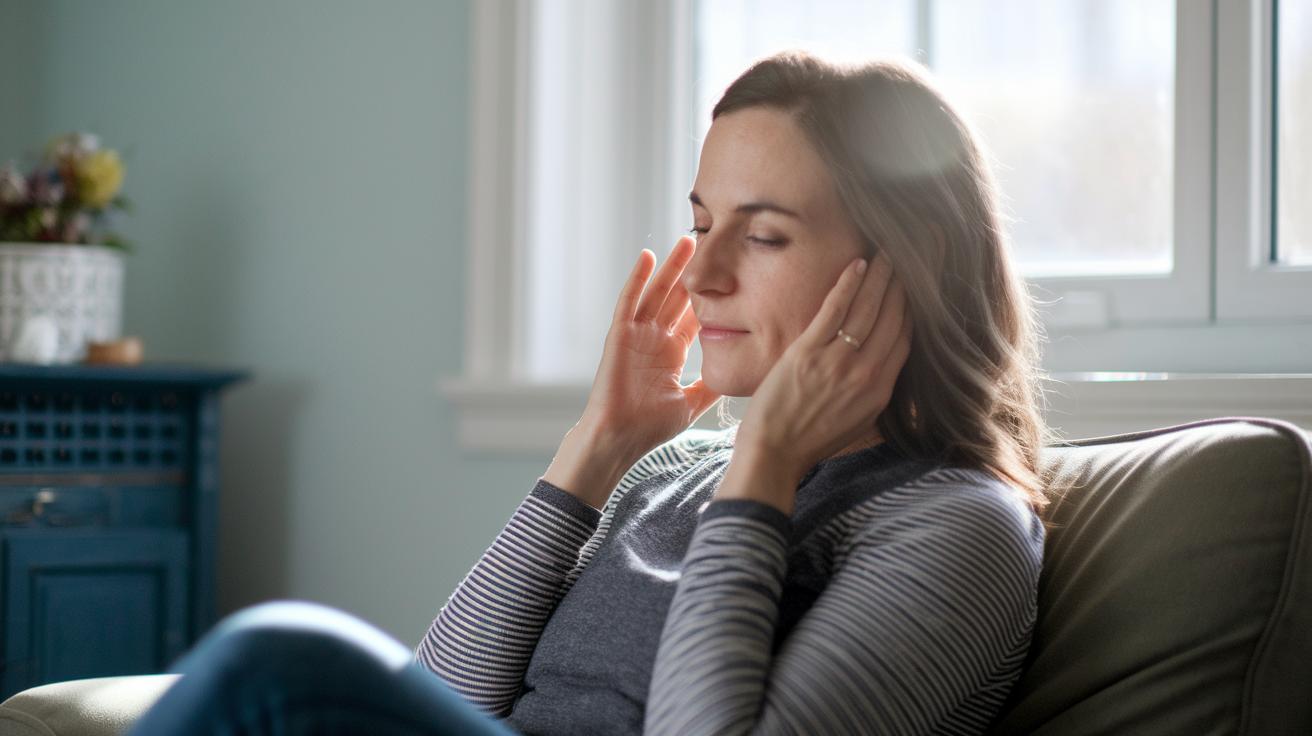
A review from March 9, 2025, showed that tapping can help lower feelings of anxiety, depression, and PTSD. Even a short session can change your mood in noticeable ways. Experts, including Dr. Lisa MacLean and Jessica Schrader, have shared their positive experiences with tapping, suggesting it can be a handy self-help tool when emotions feel a bit too heavy.
Clinical trials consistently reveal that tapping reduces emotional distress. Many folks experience a drop in anxiety soon after trying it, and mental health professionals back up these results. This evidence makes tapping feel more like a useful method backed by real science rather than just a passing trend.
Traditional Chinese medicine tells us that our body’s energy flows along paths called meridians. Tapping may help free up any stuck energy that could be causing feelings of unease.
Everyday studies show that quick tapping sessions can decrease anxiety in real-world settings, making this simple technique a practical option for many people.
How to Perform Tapping for Anxiety: Step-by-Step EFT Guide
First, take a quiet moment to check in with yourself. Sit somewhere comfortable and feel what you’re experiencing right now. On a scale from 0 (feeling calm) to 10 (feeling very overwhelmed), give that feeling a number. Say something like, "Even though I feel anxious, I deeply accept myself." For example, you might say, "Even though I feel overwhelmed right now, I deeply accept myself." This simple phrase helps you acknowledge your emotions without any judgment.
Next, gently use your fingertips to tap on eight specific acupressure points. Start at the point on your eyebrow near where your nose meets your brow. Then move on to the outer edge of your eye. Continue by tapping just below your eye, and then at the spot under your nose right above your upper lip. After that, tap softly on your chin near the crease between your lip and chin. Now, move to your collarbone where it meets your chest, and then press on the area about four inches below your armpit. Finally, give the top of your head a light tap. It might feel a bit odd at first, but each tap is a small step toward easing your tension.
After you’ve tapped through all these points, repeat a calming affirmation such as "I am finding peace" or "I am settling into calmness." Keep tapping while you say these phrases, and pay attention to any change in how you feel. When you finish, take another deep breath and check your anxiety level again on that scale from 0 to 10. Even if the number drops just a little, it means the tapping is starting to work. You can go through this process as often as needed when you feel anxious.
Safety Tips and Common Questions for Anxiety Tapping
When you try tapping to ease stress, know that many people find it a gentle way to help themselves feel better. Tapping is generally safe, and most folks feel calm relief without any big side effects. Sometimes, if you tap too hard, you might feel a bit lightheaded. So, it’s best to use a soft, light touch. If you ever feel too dizzy or uncomfortable, take a short break and breathe deeply.
If you deal with ongoing anxiety or have past trauma, it might be a good idea to chat with a doctor or therapist. Experts say tapping should add to your usual treatments, like talk therapy, not replace them entirely. Listen to what your body tells you and adjust how long or hard you tap. It’s perfectly fine to wonder how long you should tap and when you might need to pause.
FAQs:
- What is the best session length and how often should I tap?
- How firm should my tapping be to feel calm?
- Can I combine tapping with regular talk therapy for extra help?
tapping for anxiety: Embrace calm relief
Try making tapping a cozy part of your day. Set aside a few quiet minutes in the morning or at night to give yourself a break. It doesn't matter if you're at home or taking a short pause during work; a little tapping can help ease your mind and melt away daily stress.
You can also lean on digital helpers like mobile apps, printable EFT charts, or quick audio guides on YouTube. These tools lend a hand by walking you through the tapping steps, no matter where you are.
Keep an eye on your progress by jotting down your feelings after each tapping session. Even a minute of tapping can clear away mental fog and lessen anxiety over time, helping you build a lasting sense of calm.
Final Words
In the action, you explored a five-step EFT method that uses acupressure points to ease tension and set a calm tone. The article walked you through the simple tapping routine, explained scientific insights, and even gave safety tips and everyday ideas to keep feelings in check.
Taking just a few minutes for tapping for anxiety can shift your state of mind. Every quick session can bring relief, helping you feel a bit more at ease along the way.
FAQ
How can tapping for anxiety on YouTube help me?
Tapping for anxiety on YouTube provides guided EFT sessions that show you how to use gentle acupressure and calming phrases. These videos offer clear, step-by-step demonstrations for fast stress relief.
Why should tapping sometimes be avoided?
Concerns about tapping usually stem from worries over misusing the technique or relying on it exclusively. Studies and expert reviews show that when practiced properly, tapping is a safe, supportive tool for easing anxiety.
What is EFT tapping for anxiety?
EFT tapping for anxiety is a self-help tool that blends gentle acupressure with calming statements. This method uses your fingertips on specific acupressure points to help ease feelings of anxiety and panic.
How does tapping help with anxiety and panic attacks?
Tapping helps with anxiety and panic attacks by reducing your body’s stress response. By stimulating acupressure points with your fingertips and speaking affirmations, it supports a faster return to calm.
Where do you tap on your body for anxiety?
The tapping points for anxiety include spots like the eyebrow, the side of the eye, under the eye, and near the collarbone. These easy-to-reach acupressure points help release built-up tension.
What is the 3-3-3 rule for anxiety?
The 3-3-3 rule means taking three deep breaths, counting to three, and repeating three times. This simple tactic helps slow your heart rate and brings quick, effective calm during anxious moments.
Where can I find tapping for anxiety PDF resources?
Tapping for anxiety PDF guides offer portable, easy-to-follow instructions. These downloadable resources provide clear routines and visual cues, making it simple to practice EFT tapping whenever needed.
Can tapping really help with anxiety?
Tapping can help with anxiety by gently triggering acupressure points to ease tension and re-balance your body’s stress response. Many find that even brief tapping sessions bring noticeable, fast relief.