Ever feel overwhelmed by everyday challenges? Sometimes, a simple breath can help ease that tension. Mindful breathing is a quick way to relax your body and slow down your racing thoughts. Studies show that spending just a few quiet minutes focused on your breath can clear your mind and lower stress.
Imagine sitting comfortably, feeling the cool air fill your lungs, then letting it out slowly like a gentle wave washing over you. In this post, we explore how taking a mindful breath can bring calm into your day.
How Mindful Breathing for Relaxation Relieves Stress and Anxiety
Mindful breathing is a really simple way to help your body relax. When you focus on each breath, your body sends out signals to lower your heart rate and blood pressure, like it's telling you to take it easy. Studies from 2010 and 2014 show that this practice can cut down on negative thoughts while boosting your sense of calm and clarity.
Try this: sit comfortably and just notice your natural breath. There's no need to change its pace or depth. Picture yourself sitting quietly, feeling every breath as it moves in and out. For example, close your eyes, breathe in slowly and notice the cool air filling your lungs. Then, breathe out gently, letting any tension slip away. Even when things feel overwhelming, your breath can be a simple way to help you feel better.
When you add mindful breathing into your daily routine, even for a few quiet minutes, you might find that stress eases and a sense of well-being grows. With regular practice, this easy exercise not only relaxes your body but also gives you a clearer, more peaceful view of everyday challenges.
Step-by-Step Mindful Breathing for Relaxation Techniques
-
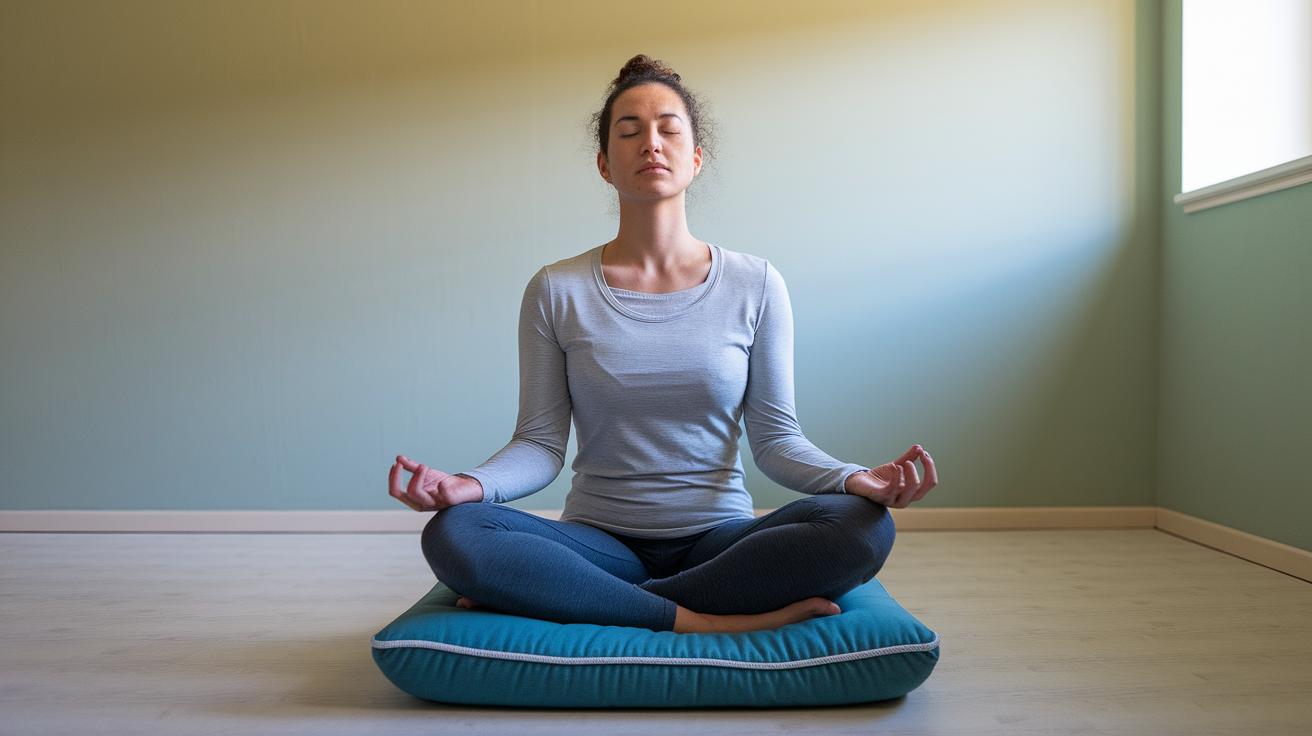
Start by getting comfortable. Whether you choose to sit in a supportive chair, lie down on a soft cushion, or stand in a relaxed posture, make sure it feels right for your body. Picture yourself sitting on a soft cushion where your shoulders can drop and your hands rest gently on your lap.
-
Next, set a timer for a 6-minute guided breathing session. Focus on your natural breathing. Don’t overthink each inhale or exhale; just notice the cool air coming in and the warm air leaving your body. Imagine the gentle rhythm of waves at the beach, calm and steady, as you breathe.
-
If you’re just starting out, try keeping your sessions between 5 and 10 minutes. Even a brief, daily practice can set a calm tone for the day. A simple five-minute routine might be all you need to feel more relaxed and present.
-
Now, give Triangle Breathing a try. Breathe in deeply for 4 seconds, hold it for 4 seconds, then slowly exhale for another 4 seconds. Picture a triangle guiding your timing, keeping your breathing even and smooth.
-
When stress hits, consider Anchor Breathing. As you inhale, imagine a heavy anchor dropping to keep you steady. With every exhale, let go of the tension. This simple image can help you feel more grounded and calm during challenging moments.
Repeat these steps often, whether at a set time each day or whenever you feel stressed, to build a routine that brings a deep, soothing calm to your mind and body.
Creating a Tranquil Self-Care Routine for Mindful Breathing for Relaxation
Ever feel like your day is just too busy? Try adding a few mindful breaths into your everyday routine. When you're brushing your teeth or enjoying a warm shower, take a moment to focus on your breathing. Imagine each inhale filling you with calm and each exhale letting go of tension, like a soft wave rolling in. Sometimes, simple visual aids like GIFs or infographics can remind you to keep your focus right there.
It might help to set a phone reminder for a quick breathing break when stress hits. Even a minute or two of deep breathing can reset your mood and bring a sense of peace. And if you’re looking for more guidance, there are plenty of free, science-based mindfulness sessions and audio resources you can download to support this habit.
| Tip | What to Do |
|---|---|
| Mix with Daily Tasks | Practice your breathing during everyday activities like showering or brushing your teeth. |
| Use Visual Aids | Look at images or GIFs to help keep your focus on steady, deep breaths. |
| Take Regular Breaks | Set a simple reminder to step back and breathe deeply when things get hectic. |
Try these easy tips and let mindful breathing become a natural part of your self-care routine. Isn’t it wonderful to feel a bit of calm built right into the everyday moments?
Advanced Deep Inhalation Calmness and Calming Exhalation Practice for Mindful Breathing for Relaxation
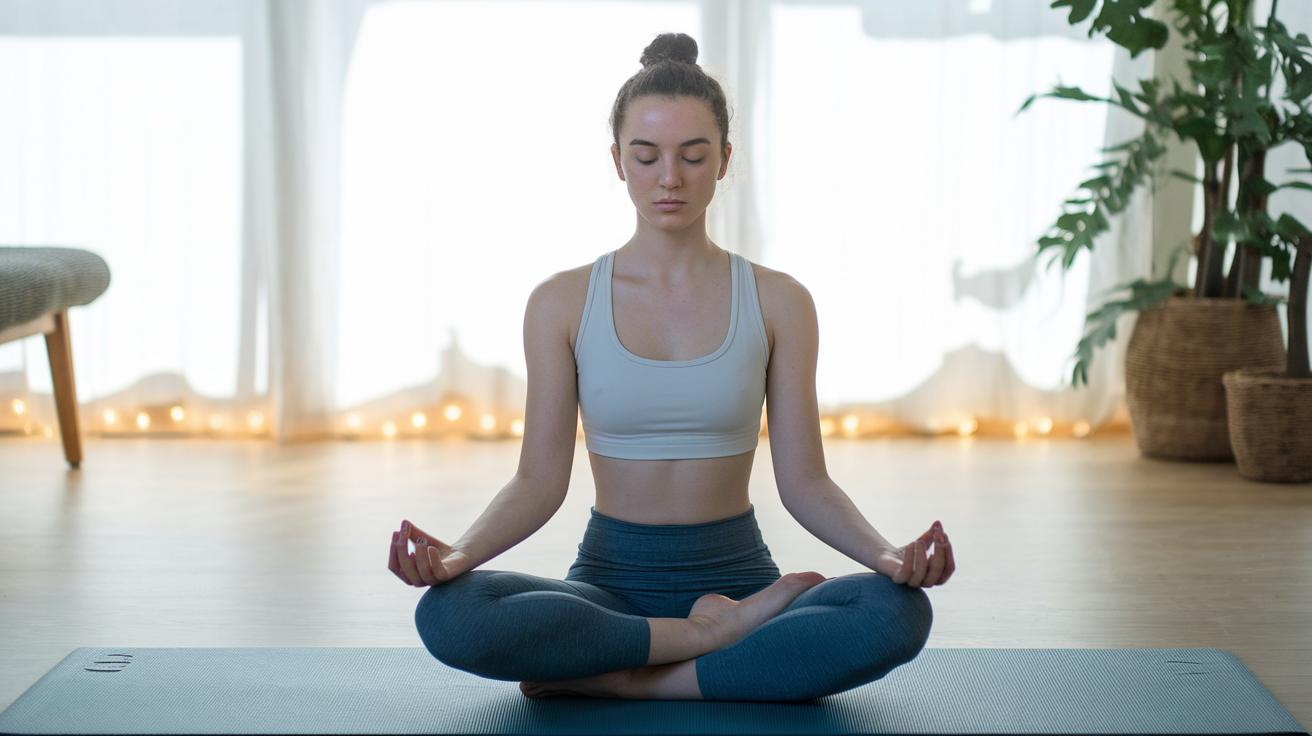
Have you ever felt like you need a deeper reset? This advanced 20-minute session builds on the basics and was fine-tuned in clinics over twenty years. It guides you through slow, deep breaths to ease pain and smooth out discomfort.
Research shows that taking longer moments to breathe mindfully can help with conditions like fibromyalgia, migraines, and lower back pain. Imagine slowly releasing tension with every exhale, letting your worries drift away like a gentle wave.
| Condition | Observed Benefit |
|---|---|
| Fibromyalgia | Pain relief |
| Migraines | Reduced intensity |
| Lower Back Pain | Decreased discomfort |
This technique pairs perfectly with the starter methods many beginners use. When your body or mind needs to find balance, give this deeper, research-backed practice a try.
Integrating Guided Air Regulation Sessions into Daily Mindful Breathing for Relaxation
Try mixing up your guided breathing sessions by checking out different online resources. Instead of sticking to a rigid 6-minute slot, find tools that let you pick your own time. For example, you might enjoy a YouTube channel like The Mindful Minute, which offers breathing exercises based on science to suit your mood. Ever tried a quick 3-minute session? Imagine it as a short pause that clears your head and eases stress, like a mini reset.
Look into these ideas to make your practice more personal:
- Search for YouTube channels with sessions of different lengths, like 3, 6, or 12 minutes, and see what works best for you.
- Try mobile apps such as Breathe2Relax that let you change the session length and watch your progress.
- Listen to podcasts such as Mindful Moments, where expert tips mix with soothing sounds.
- Think about how different session lengths might match up with your daily schedule.
These ideas can help you manage stress and make your self-care routine even more special.
Final Words
In the action, we reviewed how mindful breathing for relaxation helps lower stress and bring calm. The article broke down simple breathing techniques, showed how to add them to your daily self-care routine, and even shared advanced methods for deep calmness. We touched on guided sessions that make it easy to stay relaxed. Each step is designed to calm the body and mind. Keep practicing these breathing methods, and embrace the peaceful moments they bring to your everyday life.
FAQ
What are the benefits of mindful breathing?
The mindful breathing benefits include lowering heart rate and blood pressure while reducing stress. This practice also helps clear negative thoughts and brings a sense of calm and clarity to your day.
Where can I find mindful breathing exercise PDFs and scripts?
The mindful breathing exercise PDFs and scripts offer detailed guides on how to focus on your breath. These resources provide simple steps that help you integrate the practice into daily life.
What are some short mindful breathing scripts like 5-minute and 10-minute sessions?
The short mindful breathing scripts, available in 5- and 10-minute versions, guide you in focusing on your natural breath flow. They offer a quick, effective way to reduce tension and boost calmness.
What is the best breathing practice for relaxation?
The best breathing for relaxation combines slow, steady inhaling and exhaling to ease the body and mind. This method helps lower heart rate and create a lasting sense of ease.
What is the 4-7-8 breath technique?
The 4-7-8 breath technique uses a pattern of inhaling for four seconds, holding for seven seconds, and exhaling for eight seconds. It encourages deep relaxation and helps ease anxiety.
How do you do mindful breathing?
The mindful breathing practice involves simply noticing your natural breath without altering it. This focused attention can clear your mind, reduce stress, and promote a calming effect.
What is the 4-4-4-4 breathing technique?
The 4-4-4-4 breathing technique divides your breath into equal intervals: four seconds to breathe in, four seconds to hold, four seconds to breathe out, and four seconds of pause. It gently soothes both the mind and body.