Do you sometimes feel overwhelmed and wonder if changing how you breathe might bring a wave of calm? When you take slow, mindful breaths, you let your worries drift away, much like watching clouds float softly across the sky.
Today, I'll share two simple breathing techniques that can help ease stress and clear your mind. These practices offer a welcome pause during a hectic day, giving you a refreshing burst of calm when you need it most.
Let's dive into these easy ways to breathe mindfully and find a peaceful moment just for you.
Understanding Mindful Breathing Techniques for Beginners
Mindful breathing is about noticing the natural flow of your breath without trying to change it. Think of it like watching clouds float gently by, reminding you to relax and let go of tension. When you focus on your breathing, you activate a soothing response in your body that slows your heart and eases your stress.
Imagine sitting quietly and feeling the cool air fill your lungs while the warm air leaves your body. This simple act helps you relax and bring peace to your day. It’s a little break that refreshes your mind, like a pause button between your busy moments.
Regular practice of mindful breathing can boost calmness, clarity, and even bring a sense of happiness. In some cases, it might even help ease pain linked to conditions like fibromyalgia, migraines, or lower back pain. So next time you're feeling overwhelmed, try taking a moment to focus on your breath, it might just change your day for the better.
2 mindful breathing techniques for beginners: Pure Calm
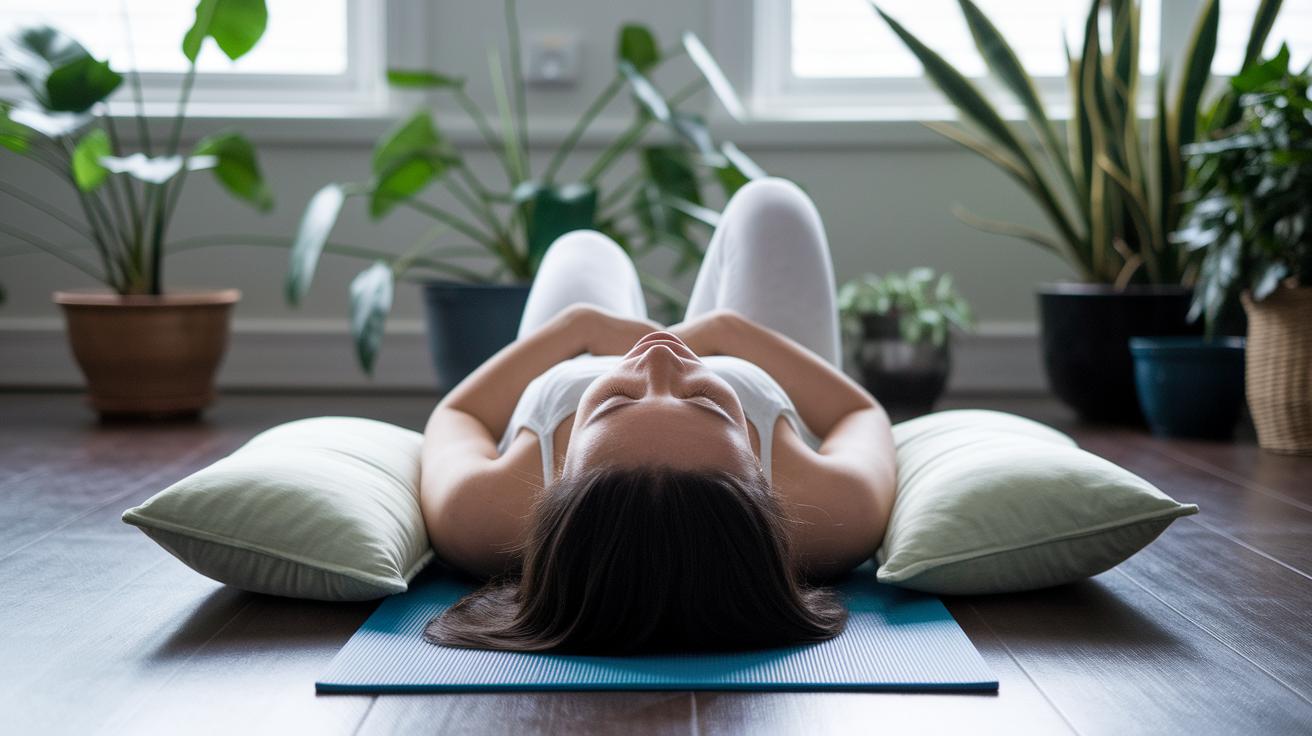
Find a quiet, comfortable spot where you can settle down to relax. Sit or lie comfortably and close your eyes. Set aside about 5 to 10 minutes to really focus on your breathing. Feel each breath as you breathe in and out. This simple practice helps clear your mind and eases stress.
- Sit or lie in a way that feels relaxed.
- Gently close your eyes to shut out distractions.
- Take a slow, deep breath in. Feel your chest and belly expand naturally.
- Slowly let the breath out and notice how tension starts to leave your body.
- Keep track of your breath by counting the seconds for each inhale and exhale.
- If any thoughts or sensations show up, let them drift away like clouds passing by.
- When your mind wanders, kindly bring your attention back to your breath without any judgment.
Try to make this a daily habit. Even a short pause during a busy day can help you feel centered again. With regular practice, you may notice a calmness spreading through your day and a sharper focus that makes life a bit easier. Take your time and enjoy each moment, you deserve it.
Common Mindful Breathing Exercises and Techniques
Box Breathing
This simple technique uses equal counts for every part of your breath. Start by taking a slow, deep breath for 4 seconds, hold it for another 4, then exhale for 4, and finally pause for 4 seconds. This steady rhythm can help clear your thoughts and bring calm to your busy day.
Triangle Breathing
Triangle Breathing splits your breath into three equal parts. Breathe in slowly, pause for a moment, then let your breath out slowly, each part taking the same amount of time. It’s a great option when you're short on time and need a quick mental break.
Breath Counting Meditation
For Breath Counting Meditation, simply count each exhale until you reach 10, then start over. This method helps tie your wandering thoughts to the rhythm of counting. It’s a straightforward way to focus when your mind feels jumbled with distractions.
Deep Mindful Breathing
Deep Mindful Breathing is all about letting your natural breath flow without trying to change it. Just notice the gentle rise and fall of your chest. This approach can ease stress and tension by helping you accept each moment just as it is.
Troubleshooting Your Introductory Breathing Practice
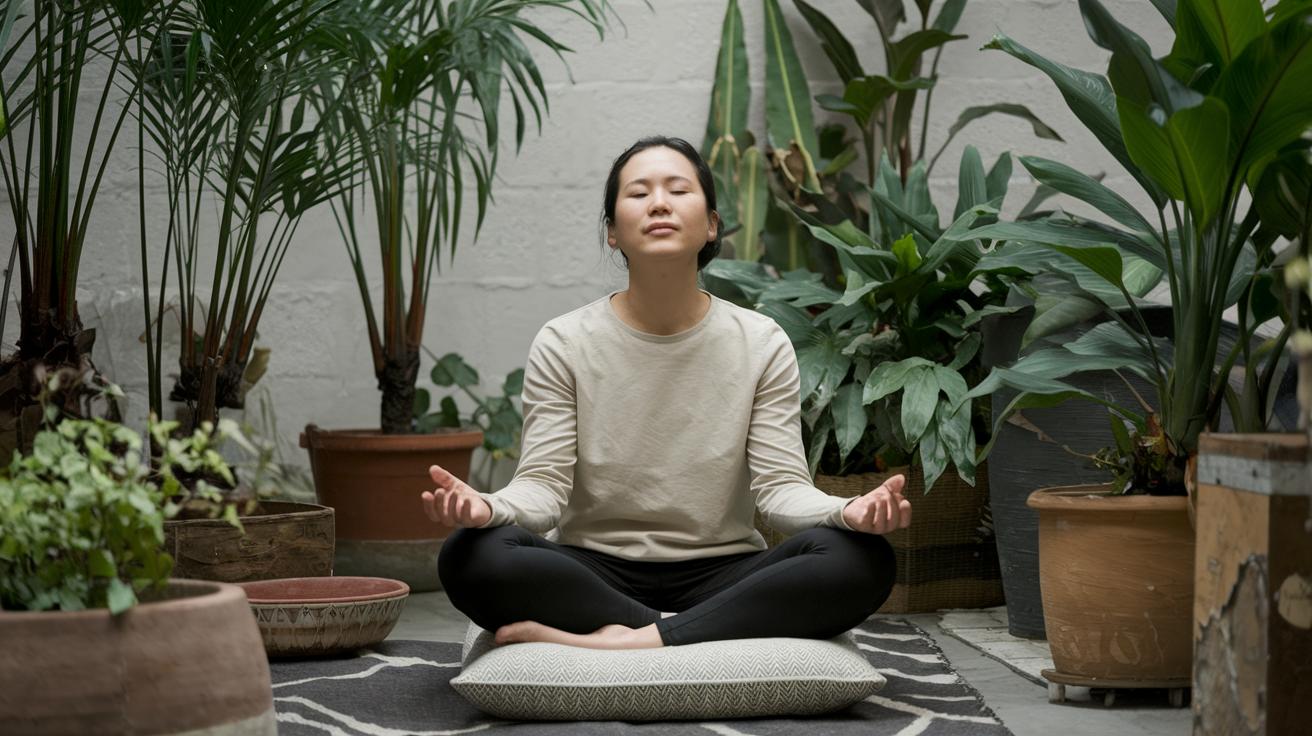
When you begin mindful breathing, it's natural for your thoughts to wander. It's pretty normal to feel a bit distracted or even discouraged at first.
You might also notice some physical discomfort or restlessness. Maybe your body adjusts by shifting positions as you settle in.
When your mind drifts, just bring your focus back to your breath. Instead of getting frustrated, remember that distractions happen to everyone. You could try counting your breaths, notice how many seconds you inhale and exhale. Even a short pause to refocus can help you stay engaged.
If you feel uncomfortable, try adjusting your position or using a cushion for extra support. It might help to start with shorter sessions if you're feeling restless, and then gradually make them longer. Treat each session kindly, and you'll likely notice that your balance and comfort grow over time.
Integrating Mindful Breathing into Daily Routine
Taking a few minutes each day for mindful breathing can bring a sense of calm and clear thinking to even the busiest routines. It’s a simple habit that helps ease tension and make stressful moments a little gentler. Imagine starting your day with a few deep breaths, or winding down after a workout; these quiet moments can help set the stage for a smoother day ahead.
Here are some friendly ideas to try:
- When you're waiting in line, take a pause and breathe in slowly three times.
- In the shower, notice how the warm water feels and sync your breathing with its steady rhythm.
- After exercising, sit quietly for a minute and let your heartbeat settle as you breathe deeply.
- If your day gets hectic, even one minute of focusing on how your chest rises and falls can make a big difference.
- Incorporate mindful breaths into your self-care routine, much like adding one more calming step to your favorite self-care ideas.
Making mindful breathing a part of your day helps your body learn to relax when stress pops up. Over time, these little moments of peace add up, keeping you centered and ready for whatever comes next.
Guided Mindful Breathing Resources for Beginners
There are many helpful guided meditation tools available to support your mindfulness journey. Many websites offer free PDF downloads that include three guided sessions and eight detailed scripts made for beginners. You might even come across large collections hosting over 500 meditations on stress relief, building resilience, and nurturing compassion. These tools vary in style, from short meditations to longer sessions that let you explore mindful breathing at your own pace.
People learn in different ways. For example, one 20-minute guided meditation takes inspiration from Buddhist practices to help you focus deeply. And if you prefer watching videos, curated YouTube clips offer visual and audio support. This variety means you can choose a mindfulness breathing tutorial that feels right for you. Using these tools can make your first steps simpler and boost your confidence in adding gentle breath work to your daily routine.
Picking the right resource depends on your needs and schedule. Try a few different formats to see which one fits best. Maybe a quick practice during a break works for you, or perhaps a longer session at home is more relaxing. Trust your instincts as you explore these techniques that bring calm and clarity.
Final Words
In the action, we've explored how mindful breathing can calm your mind and boost overall wellness with practical breathing exercises, simple troubleshooting tips, and ways to weave these methods into everyday life. Each section offered easy guidance, whether you’re learning basic mindful breathing, practicing box breathing, or using triangle breathing, to help ease stress and anxiety.
Keep using mindful breathing techniques for beginners to build calm and focus daily. Embrace each breath as a step toward a more balanced, happy you.
FAQ
Q: What PDFs are available for mindful breathing exercises?
A: The mindful breathing exercise PDF and types of breathing exercises PDF offer clear, step-by-step guides for beginners, providing easy instructions and visual cues to support practice at home.
Q: What are some simple breathing exercises for beginners and adults?
A: Simple breathing exercises for beginners and adults include mindful breathing practices like box breathing and deep mindful breathing, which help improve lung function and create a relaxing, stress-reducing routine.
Q: How do breathing exercises help lungs and ease stress?
A: Breathing exercises help lungs by promoting fuller, steady breaths and ease stress by calming the nervous system, leading to improved focus and reduced physical tension throughout the day.
Q: How do CBT breathing techniques support anxiety relief?
A: CBT breathing techniques for anxiety focus on pairing thought adjustments with slow, mindful breaths, helping redirect anxious energy and encourage a soothing, balanced state of mind.
Q: What is the easiest breathing technique to learn?
A: The easiest breathing technique to learn is box breathing, which uses equal counts for inhaling, holding, and exhaling, making it straightforward and approachable for anyone starting out.
Q: What is the best breathing technique for mindfulness?
A: The best breathing technique for mindfulness is deep mindful breathing, as it invites a gentle focus on the natural rhythm of your breath, calming the mind and promoting a sense of ease.
Q: What is the 5 5 5 technique?
A: The 5 5 5 technique involves inhaling for five seconds, holding for five seconds, and exhaling for five seconds, establishing a consistent rhythm that helps center your thoughts and relax your body.
Q: What is the 4 7 8 breath technique?
A: The 4 7 8 breath technique means breathing in for four seconds, holding for seven seconds, and exhaling for eight seconds, a pattern known to nurture relaxation and reduce stress effectively.