Have you ever thought that a few deep breaths might bring a little peace into your day? Breathwork meditation means paying attention to your breathing, inhaling slowly and exhaling gently, to calm your body and mind. Imagine breathing in a deep, cool breath that eases your stress and breathing out, letting go of worries. Research suggests that focusing on your breath can help lower stress and improve your mood. In this article, we'll share how these simple techniques can turn everyday moments into chances for quiet focus and inner peace.
Exploring Breathwork Meditation: Definition and Core Principles
Breathwork meditation is a way to use your breath while staying present. You take slow, deep breaths and let them out in a careful rhythm. For instance, try this: "Breathe in deeply, feel the air fill your belly, and notice how every exhale washes away tension." This method makes you focus on your body, unlike other meditations that mainly watch your thoughts.
Using your diaphragm, these breathing techniques help calm your body by tapping into the part that eases stress. A study in Frontiers in Psychology (June 2017) showed that such practices can boost calmness and improve both your mind and body. Instead of just thinking about feelings or ideas, breathwork uses how you breathe to help you reconnect with yourself.
This practice is all about linking your body and mind. While traditional meditation might aim for a quiet mind, breathwork uses your breathing to guide you into a state of relaxed alertness. It’s a practical tool for easing stress and finding a sense of inner peace.
The Science Behind Breathwork Meditation
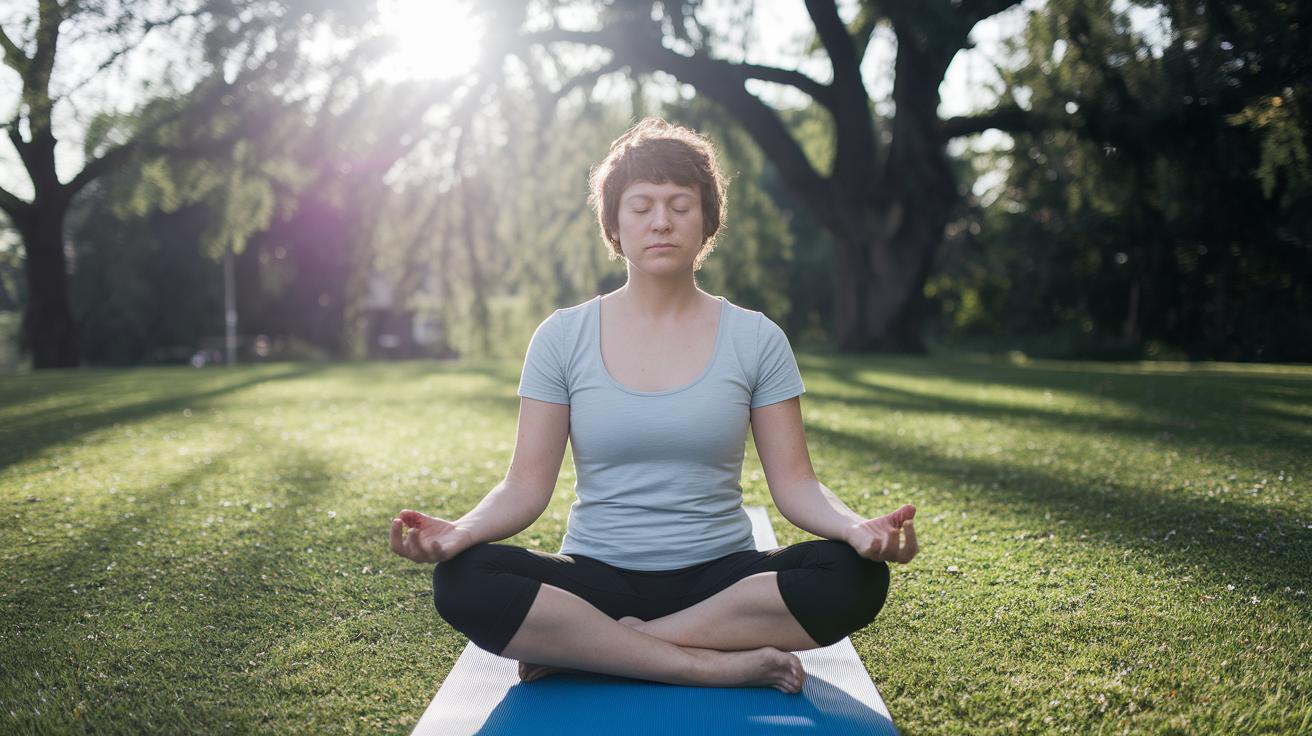
Breathwork meditation is all about using focused breathing exercises to help your body relax. Studies, like one in Frontiers in Psychology from June 2017, have shown that these simple drills can improve sleep, lift your mood, and ease anxiety. Regular practice might even help you manage your feelings better and lower overall stress.
More recent observations suggest that practicing breathwork over time can boost your concentration and make you more resilient when life gets busy. One person shared, "After a few weeks of practicing mindful breathing, I found I could deal with stressful moments more calmly."
Try this easy tip: Breathe in slowly, feel your belly rise, pause for a moment, then let your breath out gently to release tension. This simple routine can help kickstart your body's natural stress relief and bring you a steady sense of calm.
breathwork meditation Ignites Tranquil Mindfulness
Ready to try a calm, simple technique that helps bring inner peace? Breathing meditation uses easy, gentle patterns to invite a sense of ease and clarity. In our little chat here, we'll explore five techniques that can soothe stress and sharpen your focus. Imagine feeling each breath pull you into the present moment. Start small, a one-minute routine can grow over time into a five-minute practice that helps you sleep better and eases anxiety.
These exercises are all about tuning into your breath. They encourage you to notice the feel of each inhale and exhale. Even a brief moment of mindful breathing can freshen your day and make handling stress a little easier. Picture this: a few mindful cycles of breath can lift a weight off your shoulders and clear your mind.
Here's a quick reference to five breathwork techniques you can start with:
| Breath Technique | How To Do It | Suggested Duration |
|---|---|---|
| 4-7-8 Breathing | Inhale for 4 seconds, hold for 7 seconds, and exhale for 8 seconds | 1 minute |
| Box Breathing | Breathe in for 4 seconds, hold for 4 seconds, exhale for 4 seconds, then pause for 4 seconds | 1 minute |
| Alternate-nostril Breathing | Close one nostril to inhale slowly, then switch and exhale through the other | 1 minute |
| Bhramari Pranayama | Inhale normally, then exhale with a gentle hum while lightly covering your ears | 1 minute |
| Diaphragmatic Breathing | Focus on deep belly expansion as you inhale and let your abdomen relax on the exhale | 1 minute |
Use these techniques as small stepping stones. Start with just a minute and, over time, let your practice grow. Every mindful breath can help build a calm, clear state of mind, guiding you gently through your day.
Guided Breathwork Practices for Enhanced Relaxation
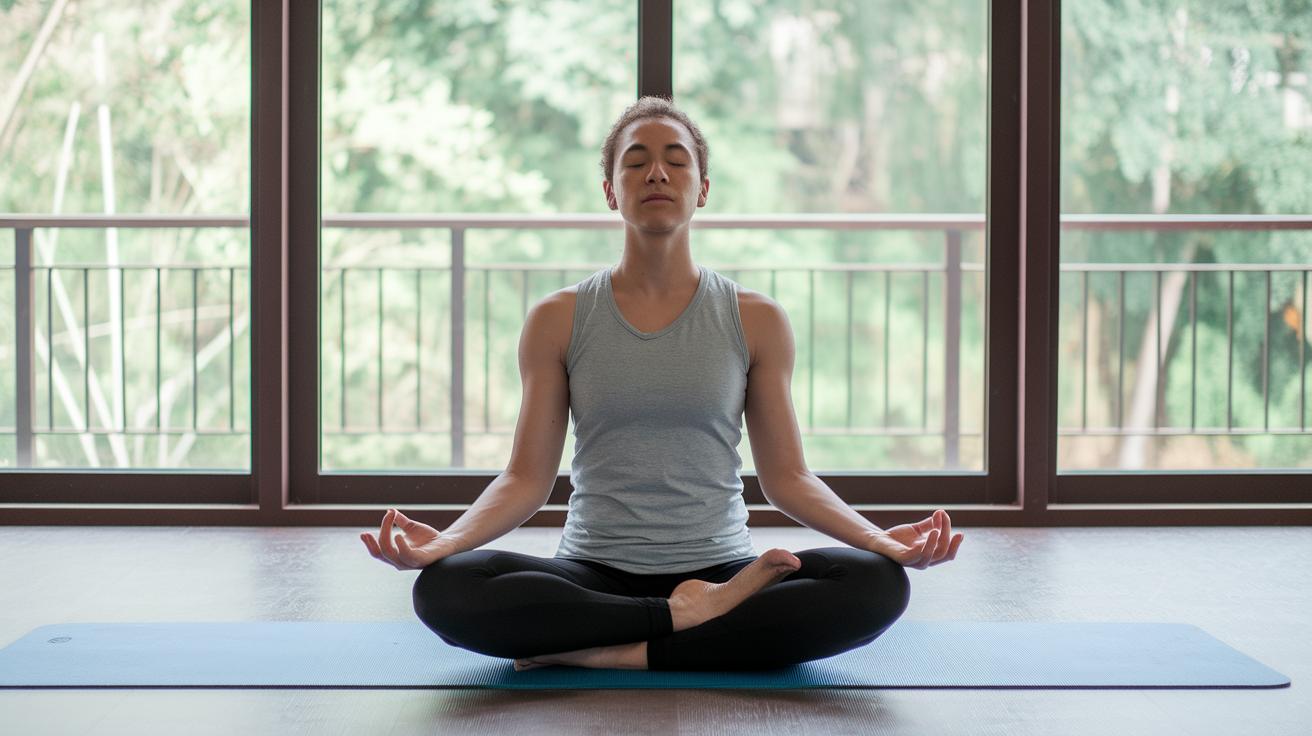
Audio-guided sessions can make your breathwork practice simple and fun. Imagine a friendly voice guiding you as you take each breath. It might say, "Breathe in slowly for two seconds, hold, and exhale gently." This gentle guide helps you keep a steady rhythm and keeps your mind focused.
Video tutorials also offer great help by showing exactly how to set your posture and breathe properly. When you watch someone demonstrate, it becomes easier to learn new patterns like yoga breathing to reduce stress. You can see the calm rise of the chest or the smooth expansion of the belly, making it simple to copy the moves in your own space.
In-person workshops provide a hands-on experience with real-time feedback. An instructor can watch you and suggest small tweaks if you feel any tension from stress. This live guidance makes sure you practice safely and truly relax with each breath.
Experts recommend starting with short sessions, about two to three minutes, for comfort. Then, as you get used to the practice, slowly extend your sessions to around ten minutes. This gradual approach helps you build a lasting habit, turning each guided session into a trusted part of your relaxation routine.
Comparing Breathwork Meditation with Traditional Meditation
Physical vs. Mental Focus
Breathwork meditation is all about tuning into your breathing. It uses simple methods like deep belly breathing or gentle yoga breathing to calm your body quickly. When you focus on these breath patterns, you may notice your tension melt away as your body’s relaxation kicks in. On the other hand, traditional meditation asks you to sit quietly and simply watch your thoughts. It leans on your mind to build focus and long-term calm. So while breathwork zooms in on the physical act of breathing, meditation helps you find a quiet space in your mind over time.
Application Scenarios
Which one you choose can depend on what you need in the moment. If you’re feeling stressed and need a quick pick-me-up, breathwork can be a handy tool. It’s like a fast reset button for your body when you need to feel more balanced. But if you’re curious about nurturing a steady state of awareness, traditional meditation might be the way to go. Some sessions even mix both techniques to connect your body and mind. This combo can lead you to a gentle, lasting sense of calm that lingers long after you finish practicing.
Daily Integration of Breathwork Meditation: Tips and Best Practices
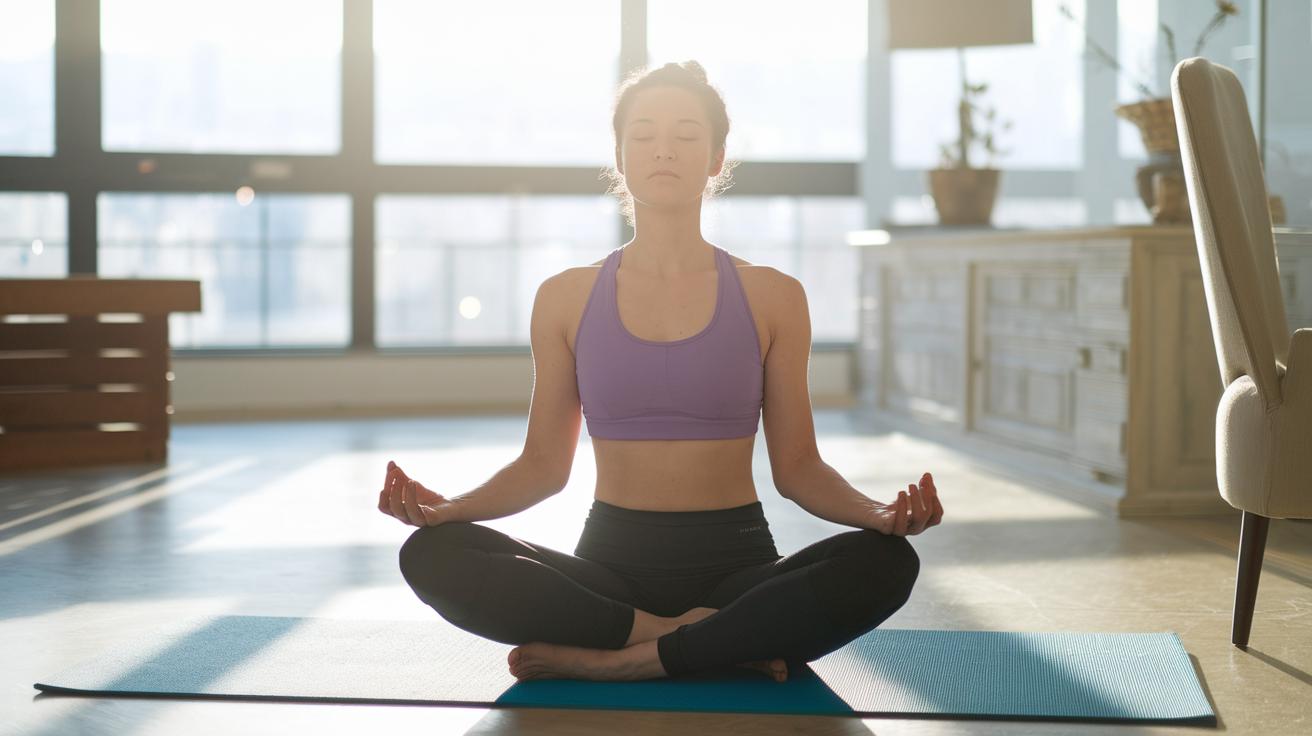
Start your morning with a one-minute breathwork exercise right after you wake up and wind down with another one-minute session before sleep. This easy routine helps relax your body and fills your day with a positive vibe. Focus on deep belly breathing, let your stomach fill up gently as you breathe in and fall softly as you breathe out. This method builds a real bond between your body and mind instead of just quick, shallow breaths.
Choose a breathing style that feels natural. If a slow, gentle pace works best, stick with it until it becomes part of your day. Over time, try adding an extra 30 seconds each week to your practice. You might soon notice that you handle stress better, sleep more soundly, and even enjoy a lighter mood throughout the day.
It can help to keep a simple log of your practice. For instance, write down, "Today: 1 minute in the morning, 1 minute at night" each day. Over four weeks, you'll see your progress clearly and feel a growing sense of calm.
- Start with one-minute sessions when you wake up and before bed.
- Keep your focus on belly breathing instead of chest breathing.
- Slowly extend your sessions by 30 seconds every week.
Regular breathwork not only helps ease anxiety but also gives you a reliable way to calm your mind and nurture your body every day.
breathwork meditation Ignites Tranquil Mindfulness
Deep breathing exercises can truly bring calm and clarity to your day. Advanced methods mix simple, structured techniques with warm, guided training. You might try a session where you breathe deeply and quickly while moving to stirring music in a group. Other times, the focus is on smooth, circular breathing that helps let go of built-up stress.
There are plenty of ways to get started or sharpen your skills. Some lessons are online so you can learn at your own pace, while others invite you in person for hands-on practice. These experiences not only boost your own calm but also let you share the benefits with others.
| Program | Details |
|---|---|
| Holotropic Breathwork Session | 90 minutes in a group setting with a therapeutic vibe |
| Rebirthing Breath Session | 60 minutes of guided practice in a flexible format |
| 20-hour Fundamentals Certification | Online course for beginners and intermediates |
| 50-hour Advanced Certification | In-person, intensive practical training |
| Free Online Breath Course | Introductory modules available online |
| Facilitator Workshop Series | Online series for seasoned practitioners |
Final Words
In the action, this article explored the key aspects of breathwork meditation. We discussed its unique techniques, compared it to classic meditation, and provided simple steps to adopt mindful breathing routines. Each section served a clear purpose, from grounding the science behind intentional breath practices to offering practical tips that fit easily into your day.
Every technique shared helps reduce stress and boost mood. Keep taking mindful breaths and enjoy the progress toward better living and fitness.
FAQ
Q: Where can I find resources for breathwork meditation?
A: The resources for breathwork meditation include local classes and online platforms such as YouTube channels, mobile apps, and Reddit groups where practitioners share tips and guidance.
Q: What are the potential dangers of breathwork meditation?
A: The potential dangers of breathwork meditation involve possible discomfort like dizziness or anxiety when practiced improperly, especially if you have existing health issues. Always seek guidance and listen to your body.
Q: What are the benefits of breathwork meditation?
A: The benefits of breathwork meditation include reduced stress, improved sleep quality, deeper relaxation, and enhanced awareness of your body’s responses, all of which can contribute to overall well-being.
Q: Which breathing meditation techniques are best for beginners?
A: The techniques best for beginners include diaphragmatic breathing for deep belly expansion, box breathing with equal counts, and simple guided practices. These methods are easy to learn and promote calm from the start.
Q: How does breathwork differ from traditional meditation?
A: The difference between breathwork and traditional meditation is that breathwork actively uses structured breathing techniques to trigger relaxation, while traditional meditation focuses more on quiet, nonjudgmental awareness of thoughts.
Q: What is breath-focused meditation?
A: The breath-focused meditation involves turning your attention solely to your breathing patterns. This practice helps center your mind, bringing your focus back to the natural rhythm of inhaling and exhaling.
Q: Why is breathwork considered powerful?
A: The power of breathwork comes from its ability to quickly activate your body’s stress-relief responses. It deepens your awareness by engaging both physical breathing patterns and mental focus to create a calming effect.
Q: What happens during a typical breathwork session?
A: A typical breathwork session starts with clear guidance, proceeds with intentional breathing exercises, and ends with a quiet reflection period that helps reduce tension while promoting calm and clarity.
Q: What are the four stages of breathing meditation?
A: The four stages of breathing meditation include a phase for inhaling, a brief hold, an exhalation phase, and a pause before the next breath. These stages are structured to help regulate your stress response effectively.